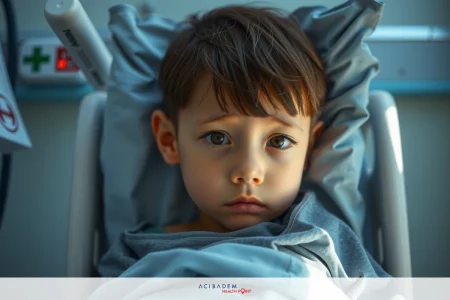
Can At/rt Cause Speech Difficulties?
Can At/rt Cause Speech Difficulties? Every child grows and learns at their own pace which is perfectly normal. Some kids start talking well in their early years while others may take a bit longer. For parents watching their little ones grow up it’s a joy to hear those first words. But sometimes medical conditions can affect how this process unfolds. AT/RT is a rare condition that might impact speech development.Medical experts often link health challenges to changes in a child’s growth or learning skills. When children face hurdles with speaking it can be tough for families. It’s important to pay attention if you notice your child struggling with words or sentences more than usual. If you wonder about connections between speech difficulties and AT/RT know that information is available.
Support from doctors and therapists makes a big difference for kids who have trouble talking due to any reason. They guide families through steps they can take to aid their children’s communication abilities. Looking into whether AT/RT affects speech means checking out what specialists say and suggest doing next.
Understanding AT/RT
AT/RT stands for atypical teratoid/rhabdoid tumor. It’s a rare but serious medical condition found mostly in children. This condition usually involves a tumor that forms in the brain and spinal cord. Because it’s so aggressive early detection and treatment are key factors to increase survival rates.
Doctors know that AT/RT can greatly affect a child’s health beyond just the presence of tumors. Since the central nervous system controls many functions symptoms can be wide ranging. For some kids this might include speech difficulties or delays in reaching milestones like talking clearly.
In terms of speech issues linked with AT/RT several factors come into play. The location of the tumor could impact areas responsible for language skills. Treatments like surgery or chemotherapy might also influence how well children can communicate during recovery periods.
For parents whose children have been diagnosed with AT/RT understanding this medical condition is critical. Knowing what challenges may arise helps families prepare and seek proper support systems early on. While every case is unique being informed aids in navigating through this tough journey alongside your little one.
Speech Development in Children
Children start learning to speak from the moment they are born. They listen to the sounds around them and begin to understand language long before they talk. By their first birthday many children can say a few simple words like “mama” or “dada”. Over time their vocabulary grows as does their ability to form sentences.
However speech development varies widely among children. Some toddlers may string several words together at 18 months while others might take longer. This range of normalcy is broad but there are key milestones that professionals look for as indicators of typical development.
Challenges in speech can occur with any child with or without medical conditions. These challenges could be as straightforward as a minor delay in speaking or more complex issues such as difficulty articulating words clearly. Early intervention by speech therapists can make a significant difference when delays or problems arise.
With regards to children dealing with AT/RT additional factors may affect their ability to develop speech skills normally. The medical treatments required for managing this condition sometimes interfere with
regular developmental progress including communication abilities.
AT/RT and Speech Difficulties
Children diagnosed with AT/RT often face numerous challenges one of which may include speech difficulties. The brain is the powerhouse for language development so a tumor in this area can disrupt normal processing. If the tumor or its treatment affects parts of the brain responsible for speech kids might struggle with both understanding and expressing language.
The correlation between AT/RT and speech difficulties isn’t always direct but it’s an area of concern for many parents. It’s not just about forming words; it can also be about how children comprehend what they hear. This impacts their ability to engage in conversations, express needs or emotions, and interact socially with peers.
Recognizing these potential issues early on allows families to seek help from specialists like pediatric speech therapists. These experts work closely with children to overcome hurdles specific to their individual situation. With supportive therapies tailored to each child’s needs progress in overcoming speech difficulties linked to AT/RT is possible and rewarding.
Seeking Professional Guidance
Navigating a child’s speech difficulties, especially when associated with AT/RT, requires professional guidance. Healthcare professionals are equipped to assess the extent of the impact on speech and language development. Specialists such as pediatric neurologists understand how AT/RT can affect a child’s communication abilities. They work together with families to set realistic goals for therapy and intervention.
Consultation with specialists is crucial in developing an effective treatment plan. A multidisciplinary team often includes speech language pathologists who focus specifically on addressing communication challenges. These experts use their knowledge to design activities that can help children improve their speaking skills over time.
Early intervention services have shown significant benefits for children facing medical conditions like AT/RT that affect speech development. Parents should seek these services as soon as they notice any delays or difficulties in their child’s speech milestones. Early support sets a strong foundation for better long term outcomes in both language abilities and overall quality of life.
Regular monitoring by healthcare professionals is also essential to adapt strategies according to each child’s progress and changing needs. As children grow and develop, their therapeutic requirements might shift, necessitating adjustments by their care team members. This dynamic approach ensures that interventions remain relevant and beneficial at all stages.
For parents dealing with the complexities of AT/RT related speech issues building a trusting relationship with healthcare providers is key. Open communication allows parents to share observations from home which aids specialists in fine tuning therapies accordingly. In this partnership lies hope for overcoming obstacles posed by this challenging medical condition.
Frequently Asked Questions
Q: What is AT/RT and how does it affect children? A: AT/RT, or atypical teratoid/rhabdoid tumor, is a rare type of brain tumor. It affects the central nervous system and can lead to various challenges including speech difficulties in children.
Q: Can speech difficulties caused by AT/RT be treated? A: Yes, with early intervention and specialized therapies, many children with AT/RT can improve their
speech abilities. Treatment plans are personalized based on each child’s specific needs.
Q: How can I support my child who has speech difficulties due to AT/RT? A: Providing emotional support, creating a nurturing environment for communication, engaging in regular therapy sessions, and maintaining patience are crucial ways to support your child.
The answers provided here are for informational purposes only and do not constitute medical advice.