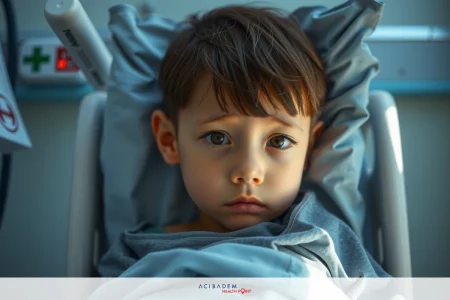
Can At/rt Cause Seizures?
Can At/rt Cause Seizures? AT/RT is a rare condition that affects children and parents often worry about the risks of seizures. Many times families are looking for clear answers to help manage their child’s health. It is important to know what symptoms can come with AT/RT. If you suspect your child has any unusual signs it’s best to talk to a doctor right away.Doctors have been studying how AT/RT might lead to different health problems in young ones. When there are concerns about seizures getting the right information is very important for care. Being aware of treatment options can offer hope and direction during challenging times.
For anyone facing an AT/RT diagnosis support systems play a big role in navigating the journey ahead. Knowing where to find help can make all the difference for caregivers and loved ones. Seeking advice from medical professionals should always be your first step if you’re worried about seizures linked with AT/RT.
Symptoms of AT/RT
AT/RT can be a scary diagnosis for any family. It’s a rare kind of tumor that children might get. If your child is facing this know the symptoms to watch for. Quick action and talking to healthcare experts can make a big difference.
Seizures are one sign that parents should look out for in their kids. These could show up as sudden jerks or moments when the child seems ‘lost’. If you see things like this it’s key to consult with a doctor fast. Hospitals have special teams ready to help with such cases.
Other common signs include problems with balance and trouble walking straight. Children may also feel very tired or not want to eat much food at all. When these issues come up getting them checked by professionals is crucial.
Remember, if there’s ever worry about AT/RT symptoms in your child, seek help quickly. Healthcare providers can guide you on what steps to take next. They will work with you to care for your little one in the best way possible.
Treatment Options
When a child is diagnosed with AT/RT it’s crucial to understand the treatment options. Each case is different and needs a plan that fits best. Doctors usually talk about surgery radiation or chemotherapy for this. They’ll think about what will work for your child’s specific health needs.
Surgery often comes first in treating AT/RT if the tumor can be removed safely. It aims to take out as much of the tumor as possible. After surgery doctors may suggest other treatments to help more. This could include chemotherapy or radiation therapy.
Chemotherapy uses drugs to kill cancer cells or stop them from growing. For children with AT/RT healthcare teams look at their age and how far the disease has spread before deciding on chemo options. Sometimes they might use several drugs together for better results.
Radiation therapy isn’t common in very young children because of risks to their developing brains but may be considered depending on individual circumstances and age of the child. Each choice has its own benefits and things to consider carefully with your doctor’s advice.
Preventive Measures
Reducing the risk of seizures in children with AT/RT starts with regular check ups. Keeping a close watch on your child’s health is key. Doctors might suggest tests or scans to track the tumor’s status. These can catch changes early which is important for timely care.
For kids at risk of seizures some lifestyle choices can help prevent them. Good sleep habits and a healthy diet are part of this plan. Your doctor may also talk about safe activities for your child to do. Avoiding things that could hurt their head plays a big role.
Medicines might be used as well to lower seizure risks in children with AT/RT. If the doctor gives these meds taking them as told is very important. Keep talking with healthcare providers about how your child feels on these medicines. They will adjust treatments if needed to keep helping your kid stay well.
Support Resources
Families dealing with AT/RT don’t have to face it alone. There are support networks out there ready to help. These groups offer guidance and can connect you with others on a similar path. They provide a space for sharing stories and finding comfort.
Caregivers can find practical tips from these resources. Things like how to care for a child after surgery or during treatment. They also share ways to talk about illness with your child in an age appropriate way. Learning from other caregivers’ experiences can be very helpful.
Hospitals often have teams that include social workers who know about AT/RT. They understand the challenges families face and offer ongoing support. Ask your hospital if they have someone you could speak with regularly.
Online forums and charity websites can be useful places for information. You’ll find advice on everything from medical care to coping emotionally as a family unit. Plus many of them list local events where you can meet others facing similar issues.
Lastly consider speaking with professionals who specialize in financial aid or educational services tailored for children affected by long term illnesses. These experts guide families through processes that might otherwise feel overwhelming ensuring no aspect of support is overlooked.
Frequently Asked Questions
Q: What causes AT/RT in children?
A: AT/RT is a rare tumor caused by genetic changes. However the exact reason why these changes happen isn't fully understood.
Q: Can seizures be an early sign of AT/RT?
A: Yes seizures can sometimes indicate the presence of an AT/RT tumor due to its effect on brain function.
Q: How do hospitals typically treat seizures in children with AT/RT?
A: Treatment may include medication to control seizures and therapies aimed at treating the underlying tumor.