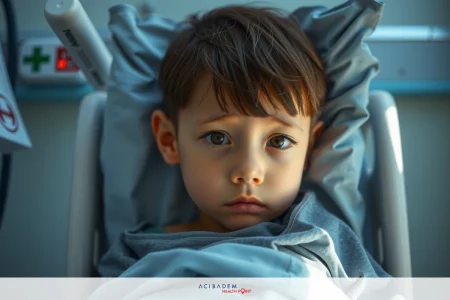
Can Astrocytoma In Childhood Cause Difficulty Focusing?
Can Astrocytoma In Childhood Cause Difficulty Focusing? Childhood is a time for learning and play but health problems can interfere. Astrocytoma, a type of brain tumor found in children, may cause trouble with focusing. It’s important to spot symptoms early on to help kids cope and succeed. Parents often worry when their child has trouble paying attention or staying on task at school.Doctors have ways to treat astrocytoma that might help with these focus problems. Treatments are chosen based on each child’s needs and the tumor itself. Knowing about treatment options gives families hope and direction during tough times. Families facing an astrocytoma diagnosis need support from friends, schools, and healthcare teams.
Kids with astrocytoma deserve every chance to live full lives despite their condition. Regular check-ups are key for keeping track of the tumor’s effects on health over time. By working closely with doctors families can create a care plan that supports their child’s well-being every step of the way.
Symptoms of Astrocytoma in Children
Astrocytoma can be hard to spot because its signs are often subtle. In children headaches can be a common symptom that might go unnoticed at first. Morning nausea or vomiting is another sign parents should watch for. These symptoms could mean the brain tumor is growing and affecting the child’s well-being.
Difficulty focusing is one key sign of astrocytoma in childhood. Kids may suddenly struggle with school tasks that were once easy for them. This change can happen quickly or over some time as the tumor develops. Parents and teachers need to be aware of these shifts in a child’s performance.
Other symptoms include changes in behavior or personality which seem out of character for the child. Walking difficulties, balance problems, or unusual eye movements might also occur due to brain tumors like astrocytoma impacting motor skills and coordination.
Seizures are a serious symptom that requires immediate medical attention as they indicate neurological issues possibly associated with an astrocytoma. If you notice any combination of these symptoms consulting with healthcare professionals becomes important for your child’s health care needs and further evaluation.
Effects on Cognitive Function
Astrocytoma in childhood can change how a child’s brain works. This type of brain tumor might affect memory, learning, and the ability to focus. It’s not just about having trouble paying attention; it goes deeper than that. These children may find it hard to process new information or follow complex instructions.
Cognitive functions such as problem-solving skills can also be impacted by astrocytoma. Children could face challenges when trying to understand math concepts or solve puzzles they once enjoyed. They might need more time to grasp lessons that their peers learn quickly.
The location of the astrocytoma within the brain plays a role in which cognitive functions are affected. Some kids may have language difficulties finding it tough to express themselves or understand others. Others might experience slower thought processes making decision-making a lengthy task for them.
Regular support from educators and therapists can help manage these effects on cognition due to astrocytoma. Early intervention is crucial for helping children maintain their cognitive abilities and keep up
with their education despite their diagnosis with this type of brain tumor.
Treatment Options for Childhood Astrocytoma
Children with astrocytoma have several treatment paths to consider. Surgery is often the first option if the tumor can be safely removed. After surgery some children might need extra treatments like radiation or chemotherapy. These help kill any remaining cancer cells and reduce chances of the tumor coming back.
Every child’s case of astrocytoma is unique so doctors plan treatments that fit each child best. Sometimes a watch-and-wait approach is taken when tumors grow slowly and don’t cause symptoms. This means regular check-ups without immediate medical action unless changes are observed.
Supportive care plays a big role in treating childhood brain tumors. This includes therapies to help with speaking, moving around, and coping skills for emotional health. Parents should talk to their child’s healthcare team about all options for a well-rounded care plan tailored to their needs.
Supporting Children with Astrocytoma
Supporting a child with astrocytoma involves more than medical treatment. It includes emotional and social support to help them cope. Creating a daily routine gives children structure and a sense of normalcy. Encouraging play and activities suited to their energy levels can boost their mood.
Educational support is important for children facing difficulty focusing due to astrocytoma. Working with the school to adjust learning plans can accommodate their needs. Special services or tutoring might be necessary to keep up with schoolwork without added stress.
Children may feel isolated because of their condition so fostering connections is important. Support groups offer opportunities for kids and families to meet others in similar situations. This helps them share experiences and feel less alone in their journey.
Managing symptoms like fatigue requires adjustments at home too. A quiet space for rest can help children recharge during the day when they feel overwhelmed or tired. Parents should also ensure proper nutrition as it plays a key role in maintaining energy levels.
Preventing Future Complications
Regular monitoring is vital to prevent complications from astrocytoma in children. Scheduled MRI scans help doctors track the tumor’s size and growth rate. This allows for timely adjustments in treatment if needed. Parents should ensure these appointments are kept to stay informed about their child’s condition.
Lifestyle choices may also play a role in preventing further issues. A balanced diet, adequate sleep, and regular exercise contribute to overall health. These habits support the body’s natural healing processes and can improve outcomes for children with brain tumors.
Parents must also be vigilant for new or worsening symptoms that could signal complications. Headaches that become more frequent or severe warrant immediate medical attention. Other signs like increased difficulty focusing or changes in behavior should prompt a visit to the healthcare provider.
Collaboration between various healthcare specialists ensures comprehensive care for the child with astrocytoma. Neurologists, oncologists, and therapists work together to address all aspects of the child’s health. Their combined expertise helps mitigate risks associated with childhood brain tumors.
Frequently Asked Questions
Q: What is astrocytoma? A: Astrocytoma is a type of brain tumor that can occur in children. It arises from star-shaped brain cells called astrocytes.
Q: How does astrocytoma affect a child’s ability to focus? A: The tumor can impact parts of the brain responsible for attention and concentration leading to difficulty focusing.
Q: Are there long-term effects on children who have had an astrocytoma? A: Some children may experience lasting cognitive or physical effects but this varies greatly depending on the tumor’s location and treatment success.
The answers provided here are for informational purposes only and do not constitute medical advice.