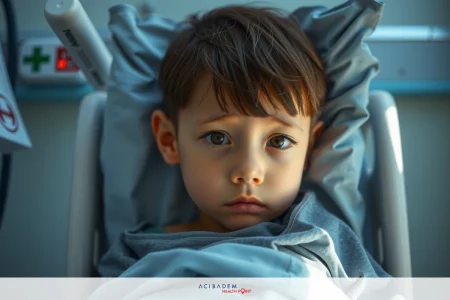
Can Astrocytoma In Childhood Cause Difficulty Chewing?
Can Astrocytoma In Childhood Cause Difficulty Chewing? Astrocytoma can affect children differently with symptoms that vary from case to case. For some young ones it may lead to problems when they try to chew food. It’s a brain tumor that might change how muscles in the mouth work. Parents often worry if their child has trouble eating because of astrocytoma.Doctors look for many signs when they think about what might be wrong with a child who finds chewing hard. They will ask questions and do tests before saying for sure what is going on. If you’re concerned your child has difficulty due to astrocytoma talk to a healthcare professional.
Helping kids who have trouble chewing because of astrocytoma involves different kinds of care. Treatments aim at making the tumor smaller or taking it out so kids feel better and can eat normally again. Always check with your insurance company for details on coverage for any treatments needed.
Symptoms of Astrocytoma
Astrocytoma in children can be hard to spot early on. The first signs are often headaches that happen a lot and feeling sick to the stomach. Kids may also feel very tired or have trouble with their balance. These symptoms can start slow and get worse as the tumor grows.
Vision problems can also be a sign of childhood astrocytoma. Some kids might say things look blurry or they have double vision. They might bump into stuff more than usual or not see things well at school. It’s important for parents to notice these changes and talk to a doctor.
Seizures are another key symptom linked with astrocytomas in young ones’ brains. A child might suddenly shake, stare blankly, or even pass out for no clear reason. If you see this happen it’s vital to seek medical care right away as it could point to something serious.
With difficulty chewing being part of our focus it is indeed one symptom caused by astrocytoma in some cases. This issue happens when the tumor affects parts of the brain controlling face muscles needed for eating food properly without help or pain involved while chewing.
Impact on Chewing
When a child has astrocytoma it can affect how their brain tells muscles to move. This is why some kids may find chewing food becomes hard. The tumor might press on areas that manage muscle control in the jaw and face. As a result children could have trouble biting or grinding food.
For those with astrocytoma eating isn’t just about nutrition; it’s also about comfort. But if difficulty chewing arises meal times may become stressful for both children and parents. Children might eat less or avoid foods they used to enjoy because it’s too challenging or painful to chew them.
The effects of astrocytoma don’t only cause physical issues like difficulty in chewing. There can be emotional impacts. Kids who struggle at meals might feel different from their friends or siblings which can lead to feelings of isolation or sadness during what should be a happy time.
To address these challenges healthcare professionals work together with families. They aim to create plans that help make eating easier and lessen the impact of chewing difficulties caused by childhood astrocytomas. These efforts are crucial for maintaining proper nutrition and well-being while managing this condition.
Treatment Options
Treating astrocytoma in children often starts with surgery to take out the tumor. Doctors aim to remove as much of it as they can without harming brain function. After surgery some kids might need other treatments like radiation or chemotherapy to target any remaining cancer cells.
Even though treatment plans are carefully made side effects may happen. Things like tiredness, hair loss, and changes in mood can affect a child’s daily life during this time. It’s key for families and doctors to talk about what these treatments involve and how they impact overall health.
After initial treatments therapy could help kids who had trouble chewing because of their astrocytoma. Speech therapists work on strengthening muscles used in eating while dietitians offer advice on food choices that make chewing easier. Always check with your healthcare team for options tailored to your child’s needs.
Recovery Process
After treatment for astrocytoma children enter a phase of recovery. This is when the body begins to heal and adjust after the impact of surgery or other therapies. The brain needs time to recover, which can affect things like movement, speech, and chewing ability. Regular check-ups with doctors are important during this stage.
The recovery timeline varies from child to child based on many factors. How big the tumor was, where it was located, and what treatments were used all play a role. Some kids might see quick improvements while others take more time to get back their strength and skills.
During recovery support from specialists such as physiotherapists can be very beneficial. They provide exercises that help regain muscle control and coordination affected by the tumor’s presence or treatment side effects. Such therapy is often critical in helping children overcome difficulties with movements including chewing.
Nutritional care also forms an essential part of recovering from childhood astrocytoma treatments. Dietitians may recommend certain foods that are easier to chew and swallow while still providing needed nutrients for healing. These food choices help ensure kids stay strong without adding strain during meals.
Support and Care
Children dealing with astrocytoma need a strong support system as they navigate their treatment and recovery. Family, friends, and healthcare providers come together to form a network of care. Emotional encouragement is just as vital as medical attention for these young patients. Knowing they have people cheering them on can make all the difference.
A multidisciplinary team approach ensures comprehensive care for children with astrocytoma. This includes doctors, nurses, therapists, and counselors who specialize in pediatric oncology. They work closely to manage the physical symptoms like difficulty chewing as well as emotional needs that arise during this tough time.
Education about the condition helps families understand what their child is going through. Knowledge empowers parents to make informed decisions about treatments and care options available for their little one’s unique situation. When families are educated about childhood astrocytoma it enhances communication with medical teams leading to better outcomes.
Frequently Asked Questions
Q: Can all children with astrocytoma experience difficulty chewing? A: Not all children with astrocytoma will have difficulty chewing. It depends on the tumor’s location and size.
Q: What can be done to help a child with astrocytoma who has trouble chewing? A: Treatment may include surgery, therapy, and dietary changes. Consult a healthcare provider for personalized care options.
Q: Are there specific foods that are recommended for children with chewing difficulties due to astrocytoma? A: Soft foods that require less chewing or pureed diets might be recommended. A dietitian can provide tailored advice based on individual needs.
The answers provided here are for informational purposes only and do not constitute medical advice.