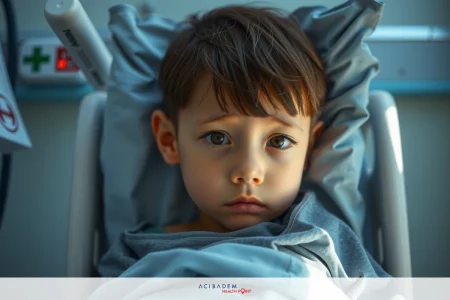
Can Astrocytoma In Childhood Cause Developmental Difficulties?
Can Astrocytoma In Childhood Cause Developmental Difficulties? Astrocytoma can pose challenges for a child’s health and growth. It is a type of brain tumor that may impact cognitive and physical development during critical early years. Children with astrocytoma often require support to help them navigate their unique developmental paths. Early detection and treatment play vital roles in managing the condition effectively.Early childhood is a time when the brain develops rapidly making it sensitive to medical conditions like astrocytoma. Support from healthcare professionals helps children achieve their best possible developmental progress despite these hurdles. Ongoing research into pediatric neurology provides hope for improved interventions that can lessen the difficulties faced by affected children.
Every family wants their child to thrive and reach milestones at their own pace regardless of medical challenges they might face. When it comes to conditions like astrocytoma monitoring development closely ensures timely responses to any emerging concerns related to growth or learning abilities.
Symptoms of Astrocytoma in Children
Astrocytoma can show itself through various symptoms that parents might notice. In children headaches are a common sign that might suggest the presence of this tumor. These headaches often grow worse over time and may be more intense in the morning. Kids might also experience nausea or vomiting which does not get better with typical treatments for stomach issues.
Other signs include changes in behavior or personality noted by caregivers or teachers. A child who is usually active and playful may become less engaged or seem overly tired. Seizures are another serious symptom that can occur without any past history of such events. Sudden vision problems or difficulties with balance could also indicate an astrocytoma is present.
Developmental delays are possible if an astrocytoma affects certain brain areas responsible for growth milestones. For instance a child’s speech and language skills might not progress as expected for their age group. Trouble with walking or clumsiness when handling objects could be telling signs as well.
When these symptoms appear it’s important to consult medical professionals promptly for diagnosis and treatment options. Doctors use various tools like MRI scans to look inside the brain and confirm if an astrocytoma is causing these issues. Early detection is key because it opens up more possibilities for effective treatment and management strategies.
Effects on Cognitive Development
Astrocytoma can have a notable impact on a child’s ability to think and learn. A child’s brain is still growing which makes it very sensitive to any disruptions caused by tumors. When children face astrocytomas they might struggle with tasks that were once easy for them. This includes challenges with memory, problem- solving skills, and attention span.
Even after treatment begins the effects on cognitive development may persist as an ongoing concern. It’s important for families to work closely with educational specialists who understand these unique needs. Supportive learning plans can help kids keep up at school despite their medical condition. Regular assessments are part of ensuring each child gets the right help tailored just for them.
Children battling astrocytoma may need extra support in areas like speech and language therapy. If speaking or understanding others becomes harder due to the tumor’s location in the brain therapy can make a big difference. Speech therapists specialize in helping kids find ways around these new hurdles so they continue making progress.
The emotional side of cognitive development matters just as much when dealing with childhood astrocytoma. Kids might feel frustrated if they notice changes in how well they think or learn compared to others their age. Parents and caregivers play a vital role in providing emotional support alongside clinical treatments from healthcare professionals.
Support and Resources for Families
Families dealing with a child’s astrocytoma diagnosis don’t have to face it alone. There are many resources available to ease this challenging journey. Support groups can connect parents with others who understand exactly what they’re going through. These groups often share tips on handling everyday challenges and provide emotional comfort.
Medical care is just one part of the support system needed when a child has astrocytoma. Organizations exist that specialize in assisting families with medical expenses or travel costs for treatment. Some charities even offer free stays near hospitals so families can be close by during long-term treatments.
Counseling services play a crucial role in managing the impact astrocytoma has on family life. Professional counselors trained in childhood illnesses can help kids express their feelings about their health situation. They also help parents learn how to best support their children emotionally throughout this process which strengthens family bonds during tough times.
Long-Term Outlook and Prognosis
The long-term outlook for children diagnosed with astrocytoma varies depending on several factors. These include the tumor’s location, size, and whether it has spread. The type of astrocytoma also influences recovery chances since some are more aggressive than others. Advanced medical treatments have improved survival rates significantly in recent years.
Prognosis is closely tied to how early the cancer is detected and treated. Early-stage tumors that are surgically removed may not affect a child’s lifespan much at all. However, if an astrocytoma is more advanced or cannot be fully removed, ongoing treatment might be necessary. In such cases regular monitoring helps manage the condition over time to maximize quality of life.
Recovery from treatment itself can present challenges for children as well. Radiation therapy or chemotherapy can cause side effects that impact development temporarily or longer-term. Rehabilitation services aim to help kids regain skills affected by their treatment journey. Such services could include physical therapy for strength or cognitive exercises to sharpen mental functions.
Follow-up care plays an essential role in managing the health of children post-treatment for astrocytoma as well. Regular check-ups enable doctors to catch any changes early should they arise again. These visits also provide opportunities to assess how a child is recovering cognitively and physically after their initial treatment period.
Frequently Asked Questions
Q: What is astrocytoma? A: Astrocytoma is a type of brain tumor that originates from star-shaped cells called astrocytes. It can occur in both children and adults but may affect each age group differently.
Q: How does childhood astrocytoma differ from adult forms of the disease? A: Childhood astrocytomas often have different growth patterns and genetic characteristics compared to those diagnosed in adults. They also tend to respond differently to treatment which impacts long-term prognosis.
Q: Can treatment for childhood astrocytoma lead to developmental difficulties? A: Yes, treatments such as surgery, chemotherapy, or radiation can sometimes impact a child’s development. However, with proper support and rehabilitation services, many children recover well over time.
The answers provided here are for informational purposes only and do not constitute medical advice.