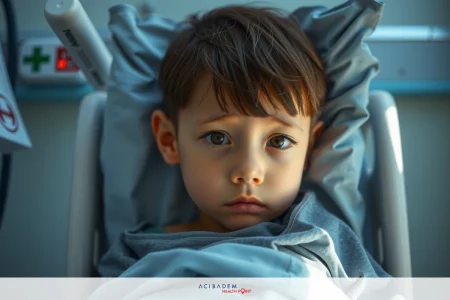
Can Astrocytoma In Childhood Be Removed Surgically?
Can Astrocytoma In Childhood Be Removed Surgically? Astrocytomas are tumors that can affect children and vary in behavior. Doctors assess if surgery is an option for each unique case. It’s important to learn about the types of astrocytomas and how they grow. When removal is possible it offers hope for affected families. Parents often seek information on what to expect from the treatment.Surgery for removing a tumor like astrocytoma requires planning by a medical team. Each child’s health and tumor position influence the approach taken by surgeons. Recovery after these operations involves careful monitoring and support at home. Risks associated with surgery will be explained clearly by healthcare providers beforehand. Aftercare begins immediately following an operation with guidelines tailored to every child’s needs.
Families facing a diagnosis of childhood astrocytoma look towards treatment with cautious optimism. Support from doctors helps ease worries about surgical outcomes and recovery processes alike. Contacting an insurance company may clarify coverage questions before proceeding with treatment plans.
Types of Astrocytoma
Astrocytomas in childhood are not all the same. They come in different forms each with a unique impact on health. The most common type found in children is pilocytic astrocytoma. It’s often considered low-grade which means it grows slowly. This type has the best outlook when it comes to surgery and removal.
Another kind is diffuse astrocytoma also known as low-grade but can be trickier to remove completely due to its spread within brain tissue. Its cells look more like normal cells under a microscope compared to other types. Even though it’s slow-growing complete removal through surgery might be challenging.
High-grade astrocytomas include anaplastic astrocytoma and glioblastoma multiforme; these are rare in childhood but more aggressive than others. Their fast growth rate makes surgical removal difficult sometimes requiring additional treatments alongside surgery for effective management.
Each type of astrocytoma demands a specific approach regarding treatment and care after diagnosis during childhood. Knowing the type helps doctors decide whether surgery is possible or if other treatments should be used first or together with surgical procedures for better chances of successful removal and recovery.
Surgical Procedure
The surgical procedure for removing an astrocytoma in childhood is precise and planned. First a detailed brain scan identifies the tumor’s location before surgery. A skilled neurosurgeon leads the operation with a team of specialists. They work together to remove as much of the tumor as safely possible. The goal is to reduce any harm to surrounding healthy brain tissue.
During surgery real-time imaging helps guide the surgeon’s instruments. This technology ensures accuracy while working around sensitive areas of the brain. Anesthesia keeps the child asleep and free from pain throughout this process. Surgeons use delicate techniques to minimize post-surgery side effects and recovery time.
After removal tests confirm whether all or most of the tumor was taken out successfully during surgery. Pathologists examine removed tissue to determine further treatment needs like chemo or radiation therapy if
required after complete evaluation by health professionals involved in care.
Recovery Process
After surgery for astrocytoma the recovery period is key. Children usually stay in the hospital for monitoring after their procedure. Nurses and doctors keep a close eye on vital signs and healing progress. Comfort measures are given to ease any pain or discomfort during this time. Family support plays a big role in helping little ones feel safe and loved post-surgery.
Once home rest is crucial for recovery from childhood brain surgery. Caregivers get instructions on how to look after the surgical site properly. Signs of infection or other complications are watched closely by parents or guardians as advised by medical staff. Follow-up appointments allow doctors to check how well the child is healing and if further treatment might be needed.
The full return to daily activities takes time with each child’s pace being different. School can often wait until they’re ready both physically and mentally. It varies widely based upon individual circumstances surrounding each case encountered within pediatric neurosurgical practice areas.
Potential Risks
Surgical removal of astrocytoma in children comes with inherent risks. Like all surgeries there’s a chance of infection at the incision site. Bleeding during or after the procedure can occur and needs immediate attention. There’s also a risk for allergic reactions to anesthesia or other medications used during surgery. It’s crucial to discuss these potential complications with your child’s surgeon beforehand.
Another concern is damage to surrounding brain tissue which could affect neurological functions post- surgery. The precise location of an astrocytoma may place critical areas at risk during removal efforts by surgeons who must navigate delicately around such zones within the brain responsible for various bodily controls.
Swelling around the surgical area is another common risk following operation procedures aimed at tumor removal from children’s brains. It can result in increased pressure inside skull causing discomfort sometimes leading serious health issues if not treated properly.
Aftercare Tips
Post-surgery aftercare is crucial for children who have undergone astrocytoma removal. The focus is on preventing infections which means keeping the incision clean and dry. Parents should follow the doctor’s instructions on how to care for the wound. If a bandage is used it must be changed regularly as advised by healthcare providers. Alertness to signs of infection like redness or swelling is important.
Nutrition plays a vital role in recovery from any surgery including astrocytoma removal. A balanced diet rich in vitamins and proteins can help promote healing. Caregivers may need to monitor their child’s appetite and food intake closely post-operation. Adequate hydration with water and fluids are also essential for health during this time.
Rest helps the body heal after surgery but so does gentle activity when appropriate. It keeps blood flowing well and can aid in overall recovery following an operation for childhood astrocytoma removal. Although activities should gradually increase based on medical advice ensuring safety comfort at all times throughout recuperation period.
Frequently Asked Questions
Q: What is the success rate of astrocytoma surgery in children? A: The success rate can vary based on tumor type, size, and location. Consult with a medical professional for personalized information.
Q: How long does it typically take to recover from astrocytoma surgery? A: Recovery times differ for each child but usually range from a few weeks to several months. Regular follow-ups with doctors are essential.
Q: Can children return to school after having an astrocytoma removed? A: Yes most children can return to school once they’ve recovered adequately. However they may need special accommodations as advised by healthcare providers.
The answers provided here are for informational purposes only and do not constitute medical advice.