

Abdominoplasty is a big medical step that needs careful thought and informed choices. Many people focus on how it looks, but knowing about recovery is key for long-term health. Our place is all about giving clear, backed-up advice to support every patient on their path.
Going through the healing time means spotting small changes that people often miss. By teaching thorough patient education, we help people spot these signs early. This way, we make the recovery safer for those getting this surgery.
We think being open and caring for patient safety is what makes a place great. When you’re thinking about this surgery, remember that top-notch care is about trust and knowing what you’re doing. We’re here to help you through every part of your healing with confidence.
Key Takeaways
- Abdominoplasty needs full patient education for the best recovery.
- Spotting small changes after surgery is key for safety.
- Being open helps patients get through their surgery journey well.
- Watching closely leads to better health after surgery.
- Backed-up info is the base of our practice.
Understanding the Scope of Cosmetic Surgery Recovery
Many patients don’t realize how much their body changes after a tummy tuck. The healing process is complex and goes beyond the surgery area. True healing means the body adjusts its systems and deals with the surgery’s impact.
We tell patients to get ready for a long healing time. This time is not just a suggestion but a critical part of success. Following post-op rules closely helps the body heal well during this sensitive time.
We focus on keeping patients healthy by setting clear recovery goals. These goals help avoid problems and improve long-term results. With close monitoring, we make sure each patient gets the best care on their way to full recovery.
| Recovery Phase | Primary Focus | Clinical Goal |
|---|---|---|
| Early Stage | Fluid Management | Stabilization |
| Intermediate | Tissue Integration | Healing Optimization |
| Long-term | Scar Maturation | Final Aesthetic Result |
The Neurological Impact of Nerve Regeneration
Sensory changes happen when the body heals after big surgeries. Patients often feel numbness, tingling, or hypersensitivity in the treated area. This is because the nerves are trying to reconnect and heal.
These feelings are a normal, but often unexpected, part of getting better. Even though it might feel strange, it means your body is fixing itself. Our medical team is here to help you understand and deal with these changes.
It’s key to watch how you’re healing closely. Knowing the difference between normal recovery and when you need a doctor’s help is important. Getting professional help quickly is essential for your safety and care during recovery.
Managing Unexpected Fluid Accumulation
Managing unexpected fluid accumulation needs careful clinical work and patient alertness during surgical recovery. Seroma, or fluid under the skin, is a common issue after surgery. Our medical teams watch it closely.
We use advanced drainage methods and top-notch compression garments to fight these problems. These tools keep fluid management a key focus in the healing start. By applying steady pressure, we help the body soak up fluids and cut down on where collections can form.
Patients learn to spot early signs of fluid buildup. Knowing about swelling or feeling heavy is crucial for a smooth recovery. Quick action often stops small problems from getting big.
| Management Strategy | Primary Benefit | Patient Responsibility |
|---|---|---|
| Compression Garments | Reduces dead space | Wear as directed |
| Drainage Monitoring | Tracks fluid volume | Record daily output |
| Activity Restriction | Prevents tissue stress | Follow movement limits |
| Clinical Follow-ups | Early detection | Attend all appointments |
The Psychological Shift After Body Sculpting
The journey after surgery is as much about the mind as the body. The path to a new look can bring unexpected emotional responses. Patients often need time to adjust to their new shape.
Beauty enhancement is more than just looks. It affects mental health as much as physical appearance. We focus on emotional health as much as physical recovery.
We offer support to handle emotional ups and downs during healing. A supportive environment helps with the mental shift. Our goal is to support mental health long-term, not just during surgery.
Hidden Gastrointestinal Changes Post-Surgery
Anesthesia and surgery can cause temporary stomach problems for many. These symptoms are a normal reaction to the stress of surgery. Patients might experience bloating, gas, or changes in bowel habits in the first few days after surgery.
The digestive system needs time to adjust after anesthesia. The surgery also slows down digestion. But, these issues usually don’t last long and don’t mean there’s a serious problem.
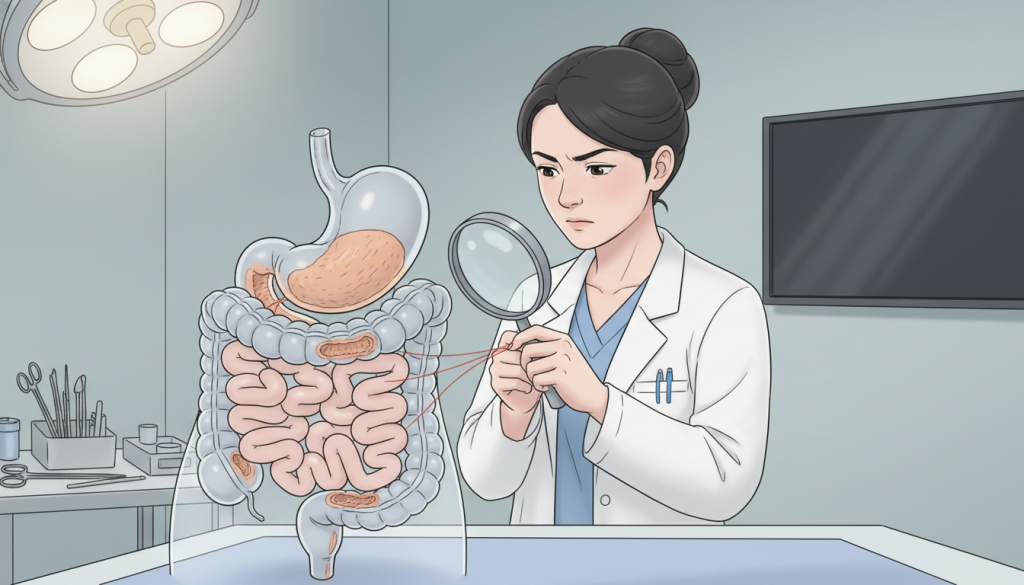
Our team suggests certain steps to help your digestive system get back to normal. Drinking plenty of water is key to keeping bowel movements regular. Also, eating a gentle, structured diet can help ease discomfort while you heal.
Keeping an eye on these changes helps you feel more in charge of your recovery. If problems last longer than expected, our doctors are here to help. Talking openly with your healthcare team ensures any digestive issues are handled carefully.
| Management Strategy | Primary Benefit | Recommended Action |
|---|---|---|
| Hydration Support | Promotes motility | Drink water consistently |
| Dietary Fiber | Regulates digestion | Introduce soft, fibrous foods |
| Gentle Movement | Reduces bloating | Short, frequent walks |
| Clinical Monitoring | Ensures safety | Report persistent changes |
The Role of Scar Tissue and Internal Adhesions
Healing often leads to scar tissue and adhesions. These are natural parts of the body’s repair. But, they can affect your comfort and movement if not managed right. Understanding these internal developments helps patients navigate their recovery with confidence.
Our surgeons use precise techniques to reduce scarring. We handle tissues carefully to lower the chance of adhesions that might limit your comfort. For more on medical advancements, check out modern treatment methods to see how they improve care.
We teach patients about the importance of gentle movement in preventing adhesions. Doing light, approved activities keeps tissues flexible during healing. This helps your body heal in a way that supports both strength and freedom.
The table below shows how internal tissue heals and what to focus on in each recovery phase.
| Recovery Phase | Tissue Status | Recommended Focus |
|---|---|---|
| Early (Weeks 1-2) | Initial inflammation | Rest and wound protection |
| Intermediate (Weeks 3-8) | Collagen remodeling | Gentle, guided movement |
| Maturation (Months 3-12) | Tissue stabilization | Gradual return to full activity |
By knowing about these internal processes, you can take charge of your health. Consistent communication with your team is key to a smooth recovery. We’re here to support you every step of the way.
Respiratory Adjustments During Early Recovery
Managing respiratory health is key in the early recovery after abdominal surgery. As the abdominal muscles heal, patients often see a temporary change in breathing. This change happens because the body reacts to the tension from the surgery.
We keep a close eye on breathing to make sure patients have adequate lung expansion. This helps prevent problems from restricted movement. Our team is always ready to spot signs of breathing trouble early on.
Teaching deep breathing exercises is a big part of our patient safety promise. These exercises help patients get back to normal breathing. Regular practice of these exercises makes recovery more comfortable and efficient.
If patients feel breathless or uncomfortable, they should tell our nurses right away. We use advanced tools to check oxygen levels and support the body during this time. Your safety and well-being are our top concerns as you start your recovery.
The Impact of Posture on Surgical Outcomes
Getting the best results from surgery means paying close attention to your posture right after. Keeping a slightly bent position is key to reducing tension on the cut. This careful stance guards the internal fix while your body heals.
We give you clear steps to safely move back to standing. It’s important to not stand up straight too soon. This can put too much pressure on the belly area. Slow and careful movements help keep the repair safe during these early days.
Our focus on keeping the body straight is a big part of our success plan. Following these steps helps patients keep their new look and function. Keeping the body aligned is a big reason why our patients get the results they want.
Circulatory Changes and Extremity Swelling
Edema in the lower extremities often happens after big abdominal surgery. This is because of changes in how blood flows. Patients should know that this swelling is a normal part of healing and not a sign of trouble.
We focus on keeping blood flow healthy to help you recover. We use compression therapy to help blood get back to the heart better. This helps keep fluid from building up in your legs and ankles.
We also stress the need for early mobilization. Moving around soon after surgery helps blood flow naturally. It also lowers the chance of blood pooling in veins. These steps are key to our care for your health and safety.
Even though swelling is normal, it needs to be watched closely. Our medical team keeps an eye on these changes to support your healing. We’re committed to top-notch care that covers all aspects of your recovery.
Skin Sensitivity and Texture Alterations
After surgery, skin sensitivity and texture changes are common. Patients might find their skin feels firmer or more sensitive in some spots. This is because the skin is adjusting to its new shape.
The skin needs time to get back to normal. It might feel different to the touch than the rest of the skin. Our doctors give advice on skincare to help the skin heal well.

Drinking plenty of water and following advice can help with these changes. Using special creams can also help the skin recover and feel better. We make sure every patient gets the support they need during these essential changes.
| Sensation Type | Typical Duration | Recommended Action |
|---|---|---|
| Localized Sensitivity | 2 to 4 Weeks | Gentle Cleansing |
| Increased Firmness | 3 to 6 Months | Light Massage |
| Mild Numbness | 6 to 12 Months | Monitor Progress |
The Hidden Risks of Cosmetic Surgery Abroad
The promise of cheaper cosmetic surgery abroad hides serious health risks. The idea of getting a procedure and a vacation at the same time is tempting. But, the truth about medical care in other countries is more complex than people think.
One big worry is continuity of care. When you go back home, your local doctor might not know how to handle problems from a surgery done elsewhere. This can cause delays in treating infections or other issues after surgery.
We urge patients to choose only accredited places that follow strict safety rules. Going to a place without proper checks can lead to bad results. Patient safety should always be the top priority when deciding on surgery.
| Safety Factor | Accredited Facility | Unregulated Clinic |
|---|---|---|
| Regulatory Oversight | Strict Compliance | Minimal/None |
| Follow-up Care | Comprehensive | Limited/Absent |
| Emergency Support | Immediate Access | Delayed/Unavailable |
Good recovery from cosmetic surgery needs regular checks and help from the original team. Without local support, dealing with unexpected problems is harder. Informed decision-making is key to ensuring your health and happiness after any surgery.
Integrating Tummy Treatment with Other Procedures
Getting a full body makeover often means combining a tummy treatment with other surgeries. Many people want to fix several areas at once to get the best results. This requires a detailed plan to keep patients safe and happy in the long run.
When planning to do more than one surgery, we look at how they work together. For example, adding breast aesthetics to a tummy treatment can make the body look more balanced. Some also choose to get a natural facelift to tackle aging in the face and midsection.
We have the skills to handle these big changes carefully. We check if a patient is right for these surgeries based on their health and the surgery’s complexity. This careful check helps us keep our highest standards of clinical excellence all the way through.
We plan the order of surgeries to reduce stress and get a look that’s in harmony. Whether it’s breast aesthetics or a natural facelift with your main surgery, our team is here to help. We’re all about giving exceptional outcomes with our advanced planning and focus on the patient.
The Subtle Signs of Infection and Delayed Healing
It’s important to notice the early signs of infection to recover well. Spotting these signs early helps our medical team act fast. This way, small problems don’t turn into big ones.
Patients should watch their surgical sites for any changes. Persistent redness or a sudden increase in heat are red flags. Also, any unusual color, smell, or texture of drainage needs to be told to our staff right away.
Talking openly with your doctor is key to a good recovery. Our team is ready to help with any concerns about healing. We want to be clear and easy to reach for all patients.
Watching your recovery closely doesn’t mean we expect problems. It shows our dedication to top-notch care and safety. When patients share their observations, we can take the right steps to protect the surgical site. This teamwork is what we aim for every day.
Lifestyle Adjustments for Long-Term Success
Real change goes beyond the surgery room and into your daily life. To keep enjoying your new look, you need to make smart lifestyle choices. We urge you to make sustainable health choices for your overall well-being.
Don’t chase after celebrity beauty trends that focus on looks over health. Instead, build a routine that highlights your natural beauty. This way, you protect your investment and keep your results looking great for years.
To keep your face and body in balance, eat well and stay active. These habits are key for a smooth recovery and a healthy life after surgery. Eating right helps your skin stay tight and healthy.
Regular self-care is also key to lasting success. We think educating patients leads to better results. By listening to your body, you can enjoy your new look while staying healthy and confident.
Prioritizing Patient Safety and Informed Recovery
Getting the best results from surgery means being open and excellent in care. Our place is all about safe plastic surgery. We make sure each patient gets care that’s just for them and advice based on the latest science.
Knowing what’s going on is key to a good outcome. We keep improving to protect and support those getting body contouring. Our doctors use the latest tech to watch how you’re healing and avoid problems.
Being open and safe helps us build trust with our patients. This way, we help make healthcare better for everyone. If you want to talk about your health goals and recovery, reach out to our team.
Your health is what matters most to us as we keep improving in safe plastic surgery. We’re excited to help you on your journey to health and confidence. Contact our patient support team to find out about our full support after surgery.
FAQ
Q: What should patients expect regarding the recovery timeline for a tummy treatment?
A: Recovery from a tummy treatment is more than just healing at the site. It’s a big change that takes weeks. We make sure patients follow strict rules to stay safe. This helps them heal well and avoid problems.
Q: Is it normal to experience numbness or tingling after body sculpting procedures?
A: Yes, numbness or tingling is common as the body heals. It’s part of the healing process. Our team helps patients know what’s normal and when to worry.
Q: How is fluid accumulation managed during the initial healing phase?
A: Fluid buildup is a common issue. We use special techniques and FDA-approved garments to help. We teach patients to watch for signs of fluid to manage it well.
Q: What psychological adjustments should I anticipate after a beauty enhancement?
A: Getting used to a new look can take time. It’s not just about the physical change. We offer support to help with emotional changes, focusing on lasting mental health.
Q: Are gastrointestinal changes common after abdominal surgery?
A: Yes, some people experience stomach issues after surgery. These usually go away on their own. We help with hydration and diet to help the stomach recover.
Q: How do internal adhesions and scar tissue affect long-term mobility?
A: Scar tissue can affect how you move. Our surgeons aim to minimize scarring. We teach patients how to move gently to help with healing.
Q: Why is respiratory monitoring emphasized during the early stages of recovery?
A: Healing can affect breathing. We watch breathing closely to make sure it’s okay. We teach deep breathing exercises to help.
Q: What is the importance of maintaining a specific posture after surgery?
A: Keeping a certain posture helps the incision heal. We guide patients on how to move safely. This is key for the best results.
Q: How can I manage swelling in my legs and feet after the procedure?
A: Swelling is common due to surgery. We use compression therapy and encourage moving to help. Swelling is normal, but we watch it closely.
Q: What are the risks associated with seeking cosmetic surgery abroad?
A: Surgery abroad can be risky. We advise choosing places with good care and oversight. Safety is our top priority.
Q: Can a tummy treatment be combined with breast aesthetics or a natural facelift?
A: Yes, combining surgeries is possible. We plan carefully to ensure everything goes well. Our team is skilled in making sure everything looks right together.
Q: What are the subtle signs of infection I should look for?
A: Catching infection early is key. We teach patients to watch for signs like redness or unusual drainage. We’re here to help with any concerns.
Q: How can I maintain my results for the long term?
A: Keeping results means living a healthy lifestyle. We focus on lasting habits, not just trends. Our goal is to help patients keep their look through good nutrition and exercise.