
Spotting the early signs of colon cancer is a critical step for your health. Many people ignore small changes in their digestion. But catching it early can greatly improve treatment results.
At our institution, we’re dedicated to top-notch care. We use the latest medical tech and expert advice. We want every patient to get the best treatments available.
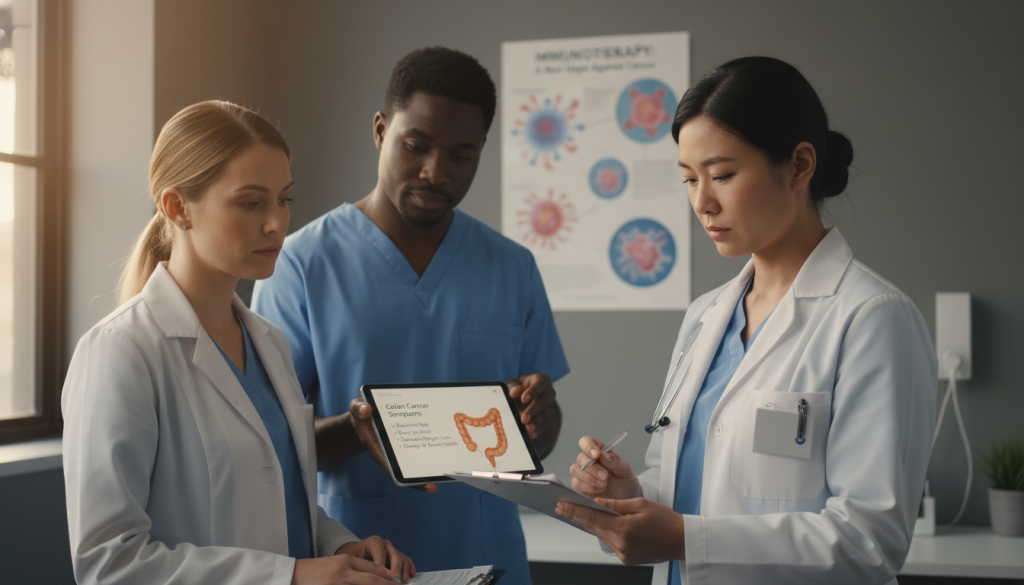
Our oncology teams use the latest tools for quick and accurate care. We also use immunotherapy to help treat cancer. This approach offers personalized care that meets global healthcare standards.
Key Takeaways
- Early detection of colon cancer symptoms significantly improves patient survival rates.
- Institutional commitment to advanced technology ensures superior diagnostic accuracy.
- Modern oncology now prioritizes evidence-based treatment plans tailored to individual needs.
- Immunotherapy represents a major breakthrough in treating complex oncological conditions.
- Professional clinical oversight provides the necessary support for patients throughout their recovery journey.
Understanding the Early Indicators of Colon Health
Starting with a focus on your digestive system is key to good health. Paying attention to your body helps spot small changes early. These signs are important for preventative medicine.
Changes in your bowel habits are a big sign to watch. While some changes are normal, big or lasting changes need a doctor’s check. Knowing early detection is important helps manage diseases like ulcerative colitis.
Other signs like unexplained weight loss and ongoing belly pain are also important. These can mean your body is out of balance. Seeing a doctor quickly can help a lot.
The table below shows signs that mean you should talk to your doctor:
| Indicator | Description | Recommended Action |
|---|---|---|
| Bowel Habits | Persistent changes in frequency or texture | Schedule a screening |
| Weight Loss | Unexplained loss without lifestyle changes | Consult a specialist |
| Abdominal Pain | Chronic discomfort or cramping | Undergo diagnostic testing |
| Fatigue | Ongoing weakness or anemia symptoms | Request blood work |
We urge everyone to stay alert about their colon health. Talking openly with doctors is key. This way, we can catch problems early and treat them well. Your effort to watch for these signs is a big step towards staying healthy.
The Role of Genetics and Family History
Knowing your family history is key to keeping your colon healthy for the long term. Many colon cancers happen without a family link, but some people have hereditary risk factors. Finding these early helps our doctors set up special watch plans just for you.
Genetic tests are vital for those with a family history of colon cancer. They check for certain gene changes to see if you might be at higher risk. This proactive approach helps us catch problems early, before they become big issues.
We offer detailed genetic counseling to help you understand your risk. These sessions explain what your genes mean, so you know your health situation. Institutional genetic counseling helps you make smart choices about your health, giving you confidence and calm.
We’re dedicated to using the newest genomic medicine in our care. This means every patient gets a risk check that’s as personal as it is up-to-date. With these advanced tools, we build a strong plan for your long-term health and disease management.
| Risk Category | Screening Frequency | Clinical Focus |
|---|---|---|
| Average Risk | Every 10 Years | Routine Colonoscopy |
| Family History | Every 3-5 Years | Enhanced Surveillance |
| Genetic Mutation | Annual/Bi-annual | Targeted Genomic Monitoring |
Diagnostic Breakthroughs: The Power of Liquid Biopsy
Liquid biopsy is a big step forward in fighting cancer. It lets doctors find cancer markers in blood, not through surgery. This way, we can spot health risks fast and accurately.
This method is great because it lets us track tumors in real-time. It’s easy on patients, unlike old tissue biopsies. This means doctors can change treatment plans often for better results.
Using this tech in our care means patients get precise diagnoses. We think precision medicine is key to fighting cancer. It shows how tumors change over time by looking at blood DNA.
| Feature | Traditional Biopsy | Liquid Biopsy |
|---|---|---|
| Invasiveness | High (Surgical) | Low (Blood Draw) |
| Monitoring | Snapshot in time | Real-time tracking |
| Patient Comfort | Requires recovery | Minimal downtime |
Using liquid biopsy helps our team give better care. We’re all about using new tech to help our patients. We’re leading the way in fighting colon cancer with innovation and skill.
Navigating the Modern Oncology Hospital Experience
The modern oncology hospital mixes advanced tech with caring patient care. When patients arrive, they step into a system that values clinical efficiency and human touch. Every step is designed to support patients through their treatment.
At the heart of this experience is teamwork. Oncologists, surgeons, radiologists, and support staff work together. This team ensures all aspects of a patient’s health are covered. It leads to quick decisions and treatment plans that fit each person’s needs.
The hospital’s design is key to creating a nurturing environment. Modern facilities focus on safety and comfort. They use designs that reduce stress and make patients feel secure.
We’re dedicated to top-notch medical care by using the latest tools. This keeps our oncology hospital leading in cancer treatment. By using innovative technology and caring, we aim for better health for all patients.
The Evolution of Immunotherapy in Colon Cancer Treatment
The world of cancer treatment has changed a lot with immunotherapy. This new approach focuses on the body’s own defense. It trains the immune system to fight and kill cancer cells, giving patients a better chance at recovery.
We are leaders in clinical research, making sure patients get the latest therapeutic advancements. We check out new immunotherapy options to see if they work for certain genetic types. This helps us create care plans that fit each person’s needs.
Using these treatments needs a deep understanding of how tumors work and how the immune system responds. Through careful clinical trials, we make our treatments better and safer. Patients get help from a team that uses these advanced methods in a complete care plan.
| Treatment Feature | Traditional Chemotherapy | Modern Immunotherapy |
|---|---|---|
| Primary Mechanism | Direct cell destruction | Immune system activation |
| Target Specificity | Broad, affects healthy cells | Highly targeted to cancer |
| Recovery Focus | Systemic management | Long-term immune memory |
| Clinical Application | Standardized protocols | Personalized genetic approach |
Looking ahead, we’re excited about how immunotherapy options will keep getting better. We’re committed to finding new ways to fight cancer. Our aim is to change how we manage colon cancer with scientific innovation and care.
Advanced Oncology Approaches for Complex Cases
Our institution focuses on advanced oncology for late-stage or complex colon cancer. We know these cases need more than usual care. They require a team of experts working together.
We make sure each patient gets a plan made just for them. This plan is based on their unique needs.
Our success comes from our multi-modal treatment plans. These plans use surgical precision, chemotherapy, and new targeted therapies. This way, we fight cancer from all sides.
This approach helps us manage tough diseases while keeping the patient comfortable. We also focus on long-term results.
We use our size and expertise to help patients who need a lot of care. Our advanced oncology setup makes sure we can act fast and effectively. We’re dedicated to giving world-class care that helps patients through their treatment.
The Role of Radiation Oncology in Comprehensive Care
Radiation oncology is key in treating localized colon cancer today. It focuses on localized tumor control. This helps our teams target specific areas with great precision. It’s vital for those needing a focused approach to fight their disease.
We use the latest technology for radiation therapy at our facility. This tech ensures the treatment hits the tumor hard but spares healthy tissue. It keeps the patient’s body safe during treatment.
We make sure radiation oncology fits into a patient’s overall care plan. We think seamless coordination among doctors leads to the best results. Each treatment plan is made just for the patient, making care more cohesive and supportive.
Our patients get a treatment plan that combines radiation oncology with other new treatments. This mix helps manage the tumor and the patient’s long-term health. We aim to give evidence-based care that’s safe and effective at every step of recovery.
Evaluating the Benefits of Seeking Cancer Treatment Abroad
When facing a tough diagnosis, looking into international healthcare can open up new recovery paths. Many now see cancer treatment abroad as a smart move. It lets them access top medical skills that might not be here yet. These global centers are known for innovation and clinical precision.
Choosing international care means getting advanced technology and special cancer treatments. Top hospitals worldwide invest in the newest tools for better patient results. This focus on the latest tech helps doctors give a more personalized approach to tough cases.
Also, patients get shorter wait times for important treatments and talks. In today’s fast world, starting treatment quickly is key. Going abroad for cancer treatment helps avoid long waits and keeps care at the highest level.
Our view is that quality care should know no borders. By working with top hospitals globally, patients get world-class support no matter where they are. We’re dedicated to building global partnerships that put patient safety, rules, and top care first.
Nutritional Support and Lifestyle During Cancer Recovery
The path to cancer recovery is made easier with good nutrition and regular exercise. A solid plan is key for lasting health and energy. Eating foods rich in nutrients helps the immune system heal.
Proper hydration and balanced macronutrient intake are key. We advise eating whole grains, lean proteins, and lots of veggies. These foods help the body repair and regain strength.
Exercise is also important for cancer recovery. It boosts heart health and cuts down on tiredness. Even small amounts of activity help keep muscles strong and improve mood. We help each person find an exercise plan that matches their energy level.
Here’s what our holistic approach to wellness after treatment includes:
| Focus Area | Primary Benefit | Implementation Strategy |
|---|---|---|
| Nutritional Intake | Immune Support | High-protein, anti-inflammatory diet |
| Physical Activity | Energy Restoration | Low-impact, consistent movement |
| Lifestyle Habits | Stress Reduction | Mindfulness and restorative sleep |
Our holistic healing approach helps patients smoothly return to their lives. We’re dedicated to supporting long-term wellness. With careful monitoring and tailored support, we guide patients through cancer recovery with confidence and care.
Psychological Well-being and Support Systems
We know that psychological well-being is as important as medical treatment for recovery. A cancer diagnosis can be very tough emotionally. We make sure patients get the care they need to face their journey with strength.

Our place offers many mental health services to help with emotional challenges. Patients can talk to counselors and join support groups. These help keep a positive outlook during treatment.
We focus on caring for the whole patient for better results. When patients feel supported, they can better handle their treatment plan. Adding these support systems to our care helps meet both physical and emotional needs.
Families are also key in healing, and we help them too. We create a caring environment to help patients recover. Our goal is comprehensive care as we keep improving in oncology.
The Importance of Regular Screening and Early Detection
Early detection is key to beating colon cancer and saving lives. Doctors can spot health risks early, which helps patients a lot. Proactive engagement with screenings keeps your digestive system healthy.
Colonoscopy is the top way to find and remove polyps before they turn cancerous. These small growths can be taken out during the test. Our team focuses on these steps to give patients the best care.
We think preventative care is a team effort. Regular screenings help you control your health. Our goal is to make early action a key part of a healthy life.
The table below shows how we check colon health and catch problems early.
| Screening Method | Primary Purpose | Frequency |
|---|---|---|
| Colonoscopy | Detection and removal of polyps | Every 10 years (average risk) |
| FIT Test | Detecting hidden blood in stool | Annually |
| CT Colonography | Non-invasive imaging of the colon | Every 5 years |
| Flexible Sigmoidoscopy | Examining the lower colon | Every 5 to 10 years |
Choosing the right colon cancer screening depends on your risk and health history. We suggest talking to your doctor to find the best schedule for you. Commitment to regular testing is a big step toward a healthy future.
Innovative Tumor Treatment Strategies
New ways of treating colon treatment are changing the game. We’re moving from a one-size-fits-all approach to precision medicine. This shift aims to better help patients.
We use advanced molecular profiling to understand each patient’s unique genetic makeup. This lets us create a highly personalized tumor treatment plan. It targets specific mutations in the cells.
We’re committed to staying at the forefront of research and medical technology. We believe these tools are key to creating lasting healthcare solutions.
By blending clinical know-how with data-driven insights, we give each patient the most accurate care. Our focus on innovation shapes our approach to modern oncology and patient health.
Addressing Disparities in Colon Cancer Care
We are committed to health equity in colon cancer care. We know that many barriers stop patients from getting the care they need. Our goal is to break down these disparities in the U.S.
We’ve started programs to close the healthcare gap. We’re making it easier to get diagnosed and reaching out to more people. This way, everyone gets the same standard of excellence, no matter who they are.
We’re all about social responsibility and making healthcare better for everyone. We think equitable access is a basic right for those facing cancer. We’re using new tech and caring hearts to make sure everyone gets the best chance to survive.
We’re always working to get better and be open about it. We team up with community leaders and doctors to improve our care. This way, our oncology services stay open, effective, and focused on the patient for the future.
The Future of Personalized Colon Cancer Management
The world of cancer treatment is changing fast. We’re moving towards a future where personalized medicine is a reality. This means tailoring care to fit each patient’s unique needs.
Artificial intelligence and big data are leading this change. They help doctors quickly analyze lots of information. This leads to better diagnoses and treatment plans.
Soon, we’ll use predictive analytics to predict how cancer will grow. This way, we can choose the best treatment right from the start. It’s a big step towards better care.
We’re always looking for new ways to improve. Our goal is to make healthcare better with new technology. Here’s how we’re moving from old ways to new ones.
| Feature | Traditional Approach | Future Personalized Model |
|---|---|---|
| Treatment Selection | Standardized protocols | Genomic-driven therapy |
| Data Utilization | Limited clinical records | Big data and AI integration |
| Predictive Capability | Reactive monitoring | Proactive predictive modeling |
| Patient Outcome | General population averages | Individualized success metrics |
These new systems make care better and more effective. We keep working to support these advances. Our aim is to give top-notch care that meets each patient’s needs.
Financial Planning and Insurance for Cancer Patients
We make sure you’re not worried about money when you’re fighting cancer. Financial planning for cancer treatment can be tough. But, you don’t have to face it alone. Our team is here to help, so you can focus on getting better.
First, we help you understand your insurance coverage. Our team guides you through policy benefits and what you might have to pay out of pocket. We believe in clear billing to build trust with our patients.

Handling medical costs well means talking openly with your doctors. We offer financial counseling to find resources and payment plans that fit your needs. Our goal is to make managing costs less stressful, so you can focus on healing.
We’re dedicated to more than just treating you. We also support you with strong patient support systems. We give you the tools to deal with insurance issues confidently. Your journey toward wellness is our primary mission. We’re here for every part of your journey, including the financial side.
Empowering Patients Through Knowledge and Proactive Care
Starting your health journey means understanding your body and the medical options. Informed patients make better choices with their oncology teams. This helps manage colon health.
We offer top-notch care with advanced technology and expert advice. We focus on each person’s needs, building trust and openness.
We support you every step of the way. You’ll get the tools to handle complex treatments with confidence.
Recovery depends on your active role and talking openly with doctors. Join our specialists to make a plan that fits you. Together, we aim for healing and wellness for all!
FAQ
Q: What are the primary warning signs of colon cancer that American patients should monitor?
A: It’s key to watch for early signs of colon cancer. Look out for changes in bowel habits, unexplained weight loss, and ongoing belly pain. Our team focuses on early detection and using immunotherapy options to fight cancer. We make sure patients get the best treatments that use the body’s immune system.
Q: How do physiological markers influence the clinical investigation of colon health?
A: Watching for signs like rectal bleeding or feeling like you can’t empty your bowels is important. These signs lead to further checks. We work to make sure patients get the care they need quickly, improving their chances of recovery.
Q: What role does genetic counseling play for individuals with a family history of colon cancer?
A: Knowing your family history is key. We offer genetic counseling to understand your risk. With the latest in genomic medicine, we create plans to prevent and screen for colon cancer based on your family’s history.
Q: What is a liquid biopsy, and how does it revolutionize cancer diagnostics?
A: A liquid biopsy is a new way to find cancer in a blood test. It lets us track cancer changes in real-time. This means we can give more accurate and effective treatments without the need for invasive biopsies.
Q: What can patients expect from the multidisciplinary experience at a specialized oncology hospital?
A: At our oncology hospital, you get care from many experts. We focus on your safety and comfort. Our team works together to give you the best care in a supportive and advanced environment.
Q: How has immunotherapy evolved in the management of colon cancer?
A: Immunotherapy options have changed how we fight cancer. These treatments boost your immune system to fight cancer cells. We’re always looking for new ways to help patients, even when traditional treatments don’t work.
Q: How does advanced oncology address complex or late-stage cases?
A: Advanced oncology means using many treatments together for tough cases. We use surgery, chemotherapy, and targeted therapies to tackle cancer. Our goal is to give you the best care for your specific needs.
Q: What is the specific function of radiation oncology in a complementary care plan?
A: Radiation oncology helps control tumors. Our specialists use precise technology to target cancer cells. This approach is part of a complete care plan to help you get the best results.
Q: What are the benefits of considering cancer treatment abroad at international centers of excellence?
A: Getting treatment abroad at top centers means you get the latest technology and expertise. These places often have shorter wait times and follow the highest standards. This ensures you get world-class care, no matter where you are.
Q: How do nutrition and lifestyle support the process of cancer recovery?
A: Good nutrition and lifestyle choices are key during recovery. Eating right and staying active boosts your immune system. We help you make healthy choices to support your recovery and long-term health.
Q: What support systems are available to address the psychological impact of a cancer diagnosis?
A: We know mental health is just as important as physical health. We offer counseling and support groups to help you cope. Our goal is to support your mental well-being throughout your treatment.
Q: Why is regular screening, such as a colonoscopy, considered the gold standard for prevention?
A: Regular screenings like colonoscopies are vital for early detection. They help find and remove polyps before they turn into cancer. We focus on early detection to prevent colon cancer.
Q: How does molecular profiling enhance tumor treatment strategies?
A: Molecular profiling helps us understand your cancer’s unique genetic traits. This guides us in creating a treatment plan just for you. It’s a more precise way to fight cancer, avoiding one-size-fits-all treatments.
Q: How is the institution working to bridge disparities in cancer care access?
A: We’re committed to making sure everyone gets top-notch care. We work to close gaps in healthcare, ensuring equal access to quality treatment. Our goal is to create a fairer healthcare system for all.
Q: What does the future of personalized colon cancer management look like?
A: The future is bright with new tech like artificial intelligence and big data. These tools will help us predict and treat cancer more accurately. We’re always looking for ways to improve your care and stay ahead in healthcare.
Q: What assistance is available for financial planning and insurance navigation?
A: We help you understand your insurance and financial options. Our goal is to make things easier for you, so you can focus on getting better. We’re here to support you every step of the way.
Q: How does patient empowerment through knowledge impact clinical outcomes?
A: Educating patients is at the heart of our care. When you know about your diagnosis and treatment, you can face your journey with confidence. We’re dedicated to helping you understand your care and empowering you to take control.