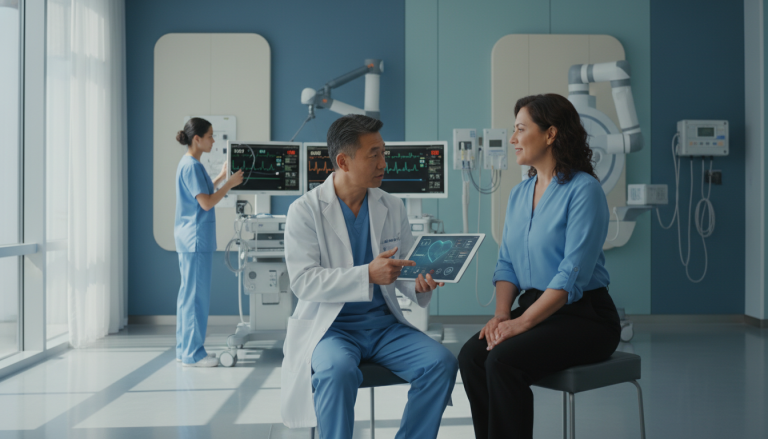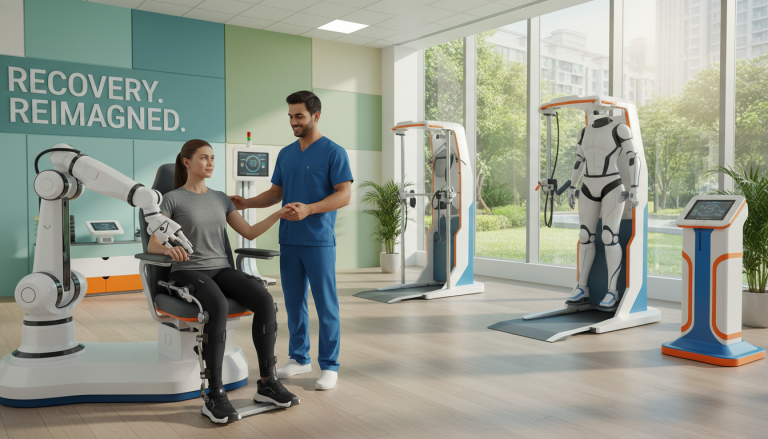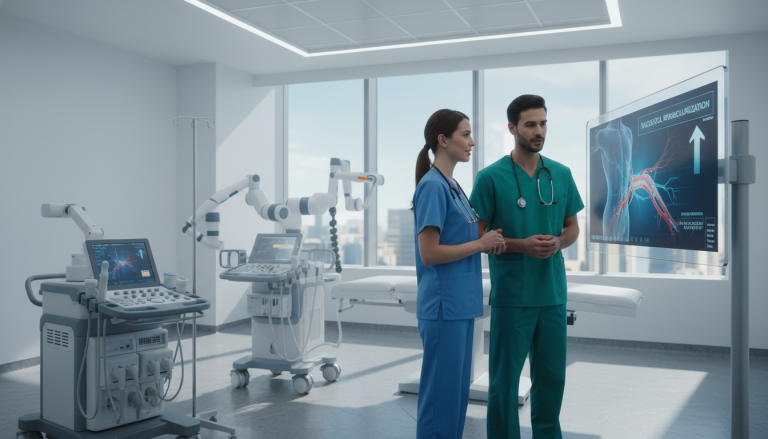





Recovering from an ACL reconstruction is more than just the surgery. Many patients only focus on their knee. But, comprehensive post-operative monitoring is key for long-term success. Ignoring small warning signs can lead to big problems during recovery.
Our team connects orthopedic care with spine surgery for a complete view of health. By combining different medical skills, we make sure every part of your recovery is covered. This way, we catch hidden symptoms that might be missed.
We think proactive oversight is the heart of great healthcare. When you mix orthopedic skills with the latest in spine surgery, you get top-notch care. Our teams work hard to keep your mobility and ensure your body works as one healthy unit.
Key Takeaways
- Post-operative monitoring is critical for successful ACL recovery.
- Multidisciplinary teams provide a more holistic approach to patient health.
- Early detection of hidden symptoms prevents long-term complications.
- Integrating specialized expertise ensures complete oversight for every patient.
- Advanced medical technology supports better outcomes in orthopedic rehabilitation.
Understanding the Complexity of ACL Reconstruction Recovery
Modern reconstruction treatment needs a deep understanding of biology and mechanics. The surgery is just the start. The recovery period is filled with many physiological steps. We think true healing goes beyond the surgery, needing a strong focus on long-term rehab.
Patients often face hidden challenges during recovery. These include the graft integrating with the host bone and regaining muscle control. We focus on patient education to help everyone understand the healing process in the knee joint for the first year.
We guide patients through the recovery stages, from initial protection to full activity. Consistent monitoring of the graft’s growth is key for success. Below is a table showing the main recovery phases of our reconstruction treatment plans.
| Recovery Phase | Primary Biological Goal | Mechanical Focus |
|---|---|---|
| Early Protection | Inflammation reduction | Range of motion |
| Graft Integration | Ligamentous remodeling | Weight-bearing progression |
| Functional Loading | Neuromuscular adaptation | Strength and stability |
| Return to Sport | Full tissue maturity | Dynamic movement patterns |
We are committed to the highest standard of care during this journey. Advanced clinical oversight ensures each patient gets the support they need. Our aim is to help them achieve lasting mobility and joint health.
Neurological Disconnects and Proprioception Deficits
Surgical trauma can mess up the complex ways our joints sense space and movement. This makes it hard for the body to know where the joints are. This problem, called a proprioception deficit, often happens after big orthopedic surgeries.
Our teams use advanced diagnostic testing to find these small problems. We find out where the body’s feedback is cut off. Then, we make rehab plans that fit each patient’s needs. Precision in diagnosis is key to our top-notch patient care.
Fixing these problems early helps patients move naturally again. When they feel their joints are stable, they’re more confident in moving. This helps our patients worldwide do better in the long run.
We think adding neurological checks to recovery plans is key for today’s orthopedic care. It helps patients get back to normal faster. Restoring the mind-body connection is a big part of our goal to help people move better for years to come.
The Role of Multidisciplinary Teams in Spine Surgery and Orthopedic Recovery
Bringing together different experts in rehabilitation changes how we heal complex injuries. A good orthopedic recovery needs teamwork. It’s about working together to fix the whole body.
Adding spine surgery experts helps us see the whole picture. They check the whole body to find hidden problems. This way, we can fix small issues before they get big.
Our teams work together to make sure the spine and pelvis are right. This helps the knee heal better. We make sure every part of the body is taken care of during recovery.
We know great care is more than just surgery. We offer detailed recovery plans to help every step of the way. By mixing spine surgery with orthopedic recovery, we build a strong base for lasting health.
Identifying Subtle Signs of Scar Tissue Accumulation
Finding the early signs of scar tissue buildup is key in our care plan after surgery. Too much scar tissue, known as arthrofibrosis, can quietly grow inside the joint. If we miss it, it can limit the range of motion and harm the surgery’s success.
Our team uses special touch techniques to find these adhesions early. We do detailed checks to feel for changes in tissue and joint stiffness. We also use advanced imaging to see inside the joint fully.
We think acting fast is essential to keep the joint working right after surgery. Catching these problems early lets us make the right treatments. This helps patients stay on track for full movement and joint health in the long run.
Psychological Barriers and Fear-Avoidance Behaviors
Many patients face a big challenge after surgery: the fear of re-injury. The body heals in a set time, but the mind takes longer. This gap creates big psychological barriers that slow down recovery.
When a patient limits their movement to avoid injury, it’s called fear-avoidance behavior. This might seem safe, but it stops the body from fully healing. It’s important to tackle these fears early to help patients regain their confidence.
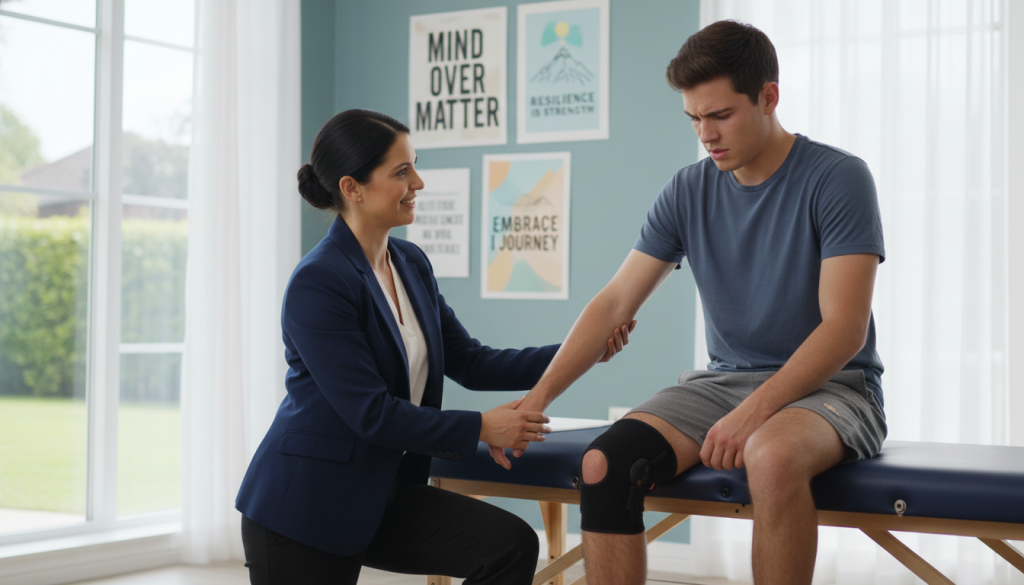
Our institution knows that psychological readiness is as important as the surgery itself. We offer special support to help patients overcome their fears. This way, they can move past their doubts and stick to their rehab plans.
We also focus on supporting patients and their families. When patients feel supported, they are more committed to their recovery. This approach makes sure every patient feels ready to get back to their active life with institutional confidence.
Learn more about our support for patients and families at this link.
Chronic Inflammation and Its Long-Term Consequences
Persistent inflammation is a silent threat to the success of orthopedic surgeries. It may seem like healing is going well at first. But, low-grade inflammation can stay in the joint for a long time.
This can slowly damage articular cartilage. Our team focuses on catching inflammation early to stop joint damage. We watch for signs of inflammation to keep the surgery’s results lasting.
We use evidence-based anti-inflammatory strategies to protect joints for the future. These plans help keep the knee stable and support a strong recovery. We work hard to keep joints working well and patients mobile.
Using these strategies helps patients find a lasting way to health. We tackle the causes of ongoing inflammation to build a foundation for lasting wellness. Our goal is to give every patient the best care during their recovery!
The Connection Between Joint Replacement Recovery and ACL Outcomes
Advances in joint replacement recovery have changed how we treat ACL injuries. We’ve learned from the strict rules of major surgeries. This knowledge helps us improve ACL treatments, making recovery more predictable.
Load management is key in our rehab plans. Just like in joint replacement, ACL patients follow careful activity plans. This helps avoid injuries and helps the graft heal well in the knee.
Sharing knowledge from joint surgeries makes our ACL recovery plans better. We watch ACL patients closely, just like in joint surgeries. This makes recovery safer and helps keep joints healthy for the long term.
| Recovery Metric | Joint Replacement | ACL Reconstruction |
|---|---|---|
| Load Management | Strict Weight-Bearing | Progressive Loading |
| Tissue Healing | Implant Integration | Graft Incorporation |
| Monitoring | High-Level Oversight | Rigorous Clinical Review |
| Outcome Goal | Functional Mobility | Return to Activity |
Assessing Muscle Atrophy Beyond the Quadriceps
Muscle atrophy often goes unnoticed in the gluteal and core areas after ligament reconstruction. While the quadriceps get a lot of attention, total kinetic chain stability relies on the whole lower extremity. Ignoring other muscle groups can cause lasting problems that affect how well you perform.
Our team uses advanced electromyography and precise strength tests to find hidden weaknesses. These tools help us spot imbalances that might not be seen in regular checks. By finding these areas, we make a better plan for patient recovery.
Finding these weaknesses early is key to avoiding compensatory movement patterns. If the glutes or core are weak, the body might put more stress on other joints. This can lead to more injuries. A thorough check makes sure all muscles are ready for daily activities and sports.
The table below shows the important muscle groups we watch to ensure balanced recovery and joint health.
| Muscle Group | Primary Function | Impact of Atrophy |
|---|---|---|
| Quadriceps | Knee extension | Reduced joint stability |
| Gluteal Complex | Hip stabilization | Pelvic tilt and gait issues |
| Core Musculature | Trunk support | Poor kinetic chain alignment |
| Hamstrings | Knee flexion | Increased ACL strain |
The Influence of Robotic Surgery on Precision and Recovery
The use of robotic surgery has greatly improved orthopedic precision. Surgeons now have advanced digital tools to achieve high accuracy in complex surgeries. This is key for precise ligament reconstruction.
This new technology allows for exact graft placement, which is vital for joint stability. During surgical procedures, digital help reduces errors. Precision is the cornerstone of a successful outcome, making sure the ligament works well with the body’s natural movements.
Also, robotic surgery causes less damage to soft tissues during surgery. This leads to a faster and more predictable recovery for patients. Our focus on innovation keeps us leading in healthcare, giving patients the best care today.
Managing Persistent Pain and Neuropathic Sensations
Dealing with nerve pain is a key part of our recovery plans. While most people get sore after surgery, some face unique nerve issues. These need a nuanced way to handle pain management.
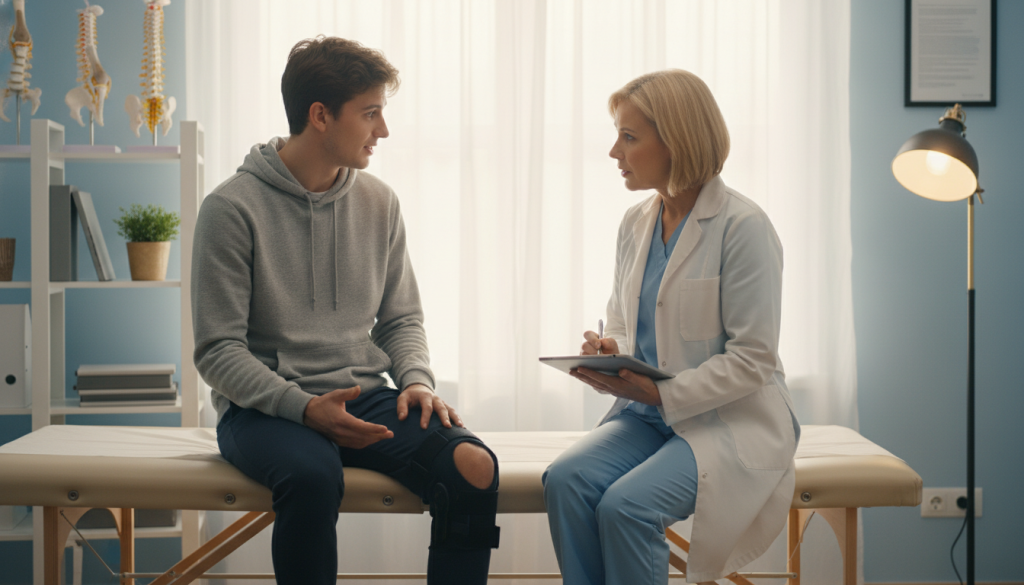
Our teams work closely with pain experts to find the cause of these symptoms. We use special treatments to calm irritated nerves and boost comfort. This lecenje ostrih bolova efikasni metodi helps patients feel more in control of their healing.
We focus on a caring, science-backed approach to make sure patients feel supported. Good pain management is about more than just easing pain. It’s about improving life through new ideas and care. Here’s a comparison of our approach with standard recovery methods.
| Approach Type | Primary Focus | Clinical Benefit |
|---|---|---|
| Standard Analgesics | General inflammation | Basic comfort |
| Specialized Pain Management | Neuropathic pathways | Targeted nerve relief |
| Multidisciplinary Care | Holistic recovery | Improved long-term mobility |
The Overlooked Necessity of Meniscus Surgery Integration
Long-term knee stability often needs more than just fixing the ACL. Our surgeons know that meniscus surgery is key to a successful repair. By fixing both, we create a stronger base for the knee.
Our team carefully checks the meniscus during every surgery. This helps us see if we need to fix it too. We catch problems early to keep the knee moving well and feeling good.
Combining ACL repair with meniscus surgery makes the knee stronger. This way, patients avoid more surgeries later. Our goal is to give the best care for each patient’s knee needs.
Optimizing Orthopedic Recovery Through Biomechanical Analysis
Advanced biomechanical analysis is changing how we help patients recover from orthopedic injuries. Our team uses special tools to measure how people move. This helps us spot small issues that might not be seen during regular therapy.
This detailed approach is key to avoiding graft failure and keeping joints stable long-term.
We use top-notch motion-capture tech to track how patients move. This tech shows us how weight is spread across the body. Achieving symmetrical loading is our main goal. It helps reduce stress on the surgery area.
Our focus on using technology helps patients get back to their old activities. We give them feedback based on real data. This helps them fix their movement problems.
We’re all about making sure every step of orthopedic recovery is backed by science and tailored care.
The Importance of Sports Injury Clinic Oversight
A sports injury clinic is key in helping athletes get back to their best. It goes beyond basic care to ensure athletes can perform at their highest level. Our clinic offers the specialized environment needed for a safe return to sports.
Our team watches over every step of the recovery process. They know what it takes to be a top athlete. We focus on nurturing talent and keeping athletes safe during intense training.
Choosing our sports injury clinic means getting a team dedicated to your goals. We’re all about precision care to help athletes reach their peak. Our clinic stays up-to-date with the latest in orthopedic science to support your recovery.
Addressing Joint Pain Relief Through Regenerative Medicine
Getting lasting joint pain relief needs new ways to fix tissues naturally. Our place focuses on healing the body to help patients recover better after big knee surgeries. We use the body’s own healing power to help patients move better for longer.
Old ways often use drugs to ease pain. But we’re changing that by using new regenerative treatments. These treatments aim to fix the problems that cause pain. This way, patients get better faster and don’t need drugs for as long.
We work hard to find the best ways to fix cells. We think sustainable healthcare means using the latest science and caring for people. Here’s how our new way is different from old methods.
| Feature | Traditional Recovery | Regenerative Approach |
|---|---|---|
| Primary Goal | Symptom Management | Biological Tissue Repair |
| Intervention Type | Pharmaceuticals | Advanced Biologics |
| Focus Area | Pain Suppression | Joint Pain Relief |
| Sustainability | Short-term | Long-term |
We’re all in on making these changes to help our patients live better. By taking new paths, we make sure our orthopedic care stays strong for the future.
Navigating the Challenges of Long-Term Mobility Improvement
Getting better physically is more than just the first steps of recovery. To keep improving your mobility over time, you need to keep working on it. This means sticking to physical therapy and making lifestyle changes. These steps are key to keeping your joints healthy and your progress going strong.
We give our patients the tools and knowledge they need for the long run. We think learning is the foundation of lasting success. By knowing how to do everyday things safely, patients can avoid risks and keep their bodies working well.
Our main goal is to help patients stay independent and healthy for many years. We see long-term mobility improvement as a team effort between the patient and our team. With ongoing support and proven methods, we help our patients succeed even after surgery.
Empowering Patients Through Comprehensive Post-Operative Strategies
Recovering well from ACL surgery means patients need to be more involved. Learning about their care is key to keeping their joints healthy and stable.
Our teams work together to help you recover. This team effort makes your journey to health more effective and meaningful.
We’re committed to top-notch healthcare with a personal touch. Our goal is to make sure you can move freely for a long time.
Knowing more about your recovery can boost your confidence. Talk to our experts to create a plan that fits your needs and goals.
Staying on track with your recovery takes hard work and the right advice. We’re here to help you every step of the way with the latest medical tools and care.
FAQ
Q: How do multidisciplinary teams enhance the success of ACL reconstruction treatment?
A: Our teams bring together experts from different fields, like spine surgery and orthopedics. This teamwork helps catch hidden problems early. It makes sure the whole body works together to support the knee during treatment.
Q: What role does robotic surgery play in improving patient outcomes?
A: Robotic surgery makes ligament reconstruction more precise. Our surgeons use robots to place grafts accurately and reduce tissue damage. This leads to better recovery and quicker return to daily activities for our patients.
Q: Why is joint replacement recovery expertise relevant to ACL rehabilitation?
A: Learning from joint replacement helps us improve ACL rehab. We focus on managing loads and healing tissues. This ensures patients get the best care for long-term joint health.
Q: How does a sports injury clinic address neurological disconnects after surgery?
A: Our sports injury clinic uses advanced tests to find problems with feeling and movement. After surgery, the brain’s connection to the joint can be disrupted. We work to fix these issues so patients can move confidently again.
Q: Is meniscus surgery typically integrated into ACL reconstruction protocols?
A: Yes, we often do meniscus surgery with ACL reconstruction. Fixing meniscal tears is key to keeping the knee stable. This helps prevent future problems and improves mobility for the long term.
Q: What strategies are employed for joint pain relief and chronic inflammation?
A: We use a mix of pain management, regenerative medicine, and anti-inflammatory treatments. This approach helps reduce joint pain and inflammation. It protects the joint for the future.
Q: How does the institution manage neuropathic pain and persistent discomfort?
A: We tackle pain with a detailed plan, not just painkillers. Our pain team works with other specialists to find and treat the root of the pain. We aim to keep patients comfortable during their recovery.
Q: How are muscle atrophy and compensatory movement patterns assessed?
A: We check more than just the quadriceps. We use special tests and technology to find weaknesses and bad movement patterns. This helps prepare the whole leg for daily activities and sports.
Q: What measures are taken to prevent the accumulation of scar tissue?
A: We use special techniques and imaging to find and treat scar tissue early. This helps keep the joint moving freely. It’s part of our effort to keep the joint working well after surgery.
Q: How are psychological barriers like fear-avoidance addressed?
A: We know mental readiness is as important as physical healing. We offer psychological support to help patients overcome fear of injury. This support helps them stick to their rehab and regain mobility.