

Ever wondered why we all get so caught up in how famous people look? In today’s world, the way we watch and talk about stars says a lot about us, not them.
Looking at britney spears plastic surgery shows us how society sees aging and beauty. We often focus on the drama of it all, ignoring what’s real about our bodies.
We think it’s key to talk about this in a balanced, medical way. By focusing on facts, we can get past the rumors and see how our bodies change naturally.
Key Takeaways
- Public interest in celebrity appearances often mirrors broader societal pressures regarding aging.
- Sensationalized media reports frequently overlook the biological realities of physical change.
- We advocate for a medical approach that values clinical facts over speculative gossip.
- Understanding the nuances of cosmetic procedures helps demystify common misconceptions.
- Our goal is to foster an informed dialogue that respects individual autonomy and health.
The Intersection of Celebrity Culture and Digital Scrutiny
In today’s digital world, celebrities are always under the spotlight. Every time they appear in public, it’s captured and shared online in seconds. This constant attention leads to endless talk about celebrity plastic surgery, often based on photos without the full story.
Being watched so closely can really take a toll on celebrities. They face huge pressure to look perfect, with millions judging their looks. This digital surveillance makes it seem like even natural aging is seen as a sign of surgery.
Rumors about celebrity plastic surgery spread fast online. People often go for the shocking news over the truth. This means beauty standards keep changing, based on rumors.
The table below shows how digital factors help rumors spread:
| Digital Factor | Impact on Perception | Resulting Narrative |
|---|---|---|
| High-Resolution Imagery | Magnifies minor skin texture | False surgery claims |
| Social Media Algorithms | Promotes viral speculation | Increased celebrity plastic surgery interest |
| Fan Community Analysis | Encourages deep-dive scrutiny | Normalization of cosmetic rumors |
Understanding the Britney Spears Plastic Surgery Phenomenon
Looking into britney spears plastic surgery shows a big gap between what people think and what’s real. Online, rumors spread fast without any proof. This shows a bigger problem with how we see aging in public.
When we look at other famous plastic surgery cases, a pattern stands out. People often get excited over small changes, thinking they’re surgery. It’s key to look at these topics with a scientific eye.
Doctors know that faces change naturally due to many factors. Saying every change is britney spears plastic surgery misses the point of human biology. We think it’s important to respect people’s choices.
Many famous plastic surgery cases are seen with doubt, not facts. This makes celebrities always be under the microscope for their looks. We want to clear up the difference between real facts and gossip.
The talk about britney spears plastic surgery reminds us of our duty. We should be kind and accurate when talking about others’ bodies. Seeing things from a balanced view helps us see the person behind the fame.
The Role of Social Media Algorithms in Spreading Rumors
Social media apps play a big role in how we see information. They use complex algorithms to show us content that gets a lot of reactions. Sadly, this means plastic surgery rumors often get more attention because they make us feel strong emotions.
When a post gets a lot of attention, the algorithm thinks it’s good or important. So, it shows that content to more people, even if it’s not true. This makes a world where sensational stories are more popular than real facts.
Platforms want us to share posts that get a lot of views. This creates echo chambers where false stories about celebrities spread fast. These loops make it hard to know what’s real and what’s just rumors about plastic surgery rumors.
We should be careful when we see viral health stories online. It’s important to think about where the story comes from before believing it. By checking the source, we can fight against the spread of false information.
Learning to critically read media is key to stopping rumors fast. Taking time to check facts can stop harmful rumors. Being informed means looking beyond what algorithms show us to find the truth behind plastic surgery rumors.
Psychological Drivers Behind Celebrity Obsession
The fascination with celebrity transformations often reveals more about our own inner lives than the stars themselves. When we fixate on the physical changes of public figures, we are frequently participating in a complex psychological dance. This behavior is rarely just about the celebrity; it is often a reflection of our own internal landscape.
Many of us experience a desire for connection that manifests as an intense interest in the lives of famous individuals. By following their journeys, we create a sense of perceived intimacy. This parasocial relationship can make us feel as though we are part of their personal evolution, even when we are merely observers from afar.
Also, we often project our own insecurities onto these public figures. When a celebrity undergoes a visible change, it may trigger deep-seated feelings about our own aging, beauty standards, or personal identity. Recognizing this projection is a vital step toward developing a healthier relationship with the media we consume.
We encourage a more compassionate approach to celebrity news. By understanding that our fixation often stems from personal vulnerability instead of objective critique, we can shift our perspective. This shift allows us to move away from harsh judgment and toward a more informed, empathetic way of engaging with the world of entertainment.
Analyzing the Evolution of Celebrity Beauty Standards
The idea of a “perfect” face keeps changing, affecting how we see celebrity transformations. Over the years, beauty ideals have moved from soft, natural looks to the contoured, filtered faces we see today. This change puts a lot of pressure on celebrities to look a certain way.
As beauty standards change, so does our criticism of celebrities. We often think natural aging signs are proof of surgery. It’s important to remember that faces naturally change with time, whether someone is famous or not.
Looking at celebrity transformations helps us understand the unrealistic beauty expectations. These expectations often ignore the fact that aging is a natural part of life. Understanding this can help us be kinder to celebrities.
The need to meet these beauty standards can lead to a lot of guessing. We suggest looking at the history of these trends when judging celebrity transformations. This way, we can support a culture that values being real over an unattainable ideal.
The Mechanics of Celebrity Before and After Comparisons
When we look at celebrity before and after photos, we often don’t think about the technical stuff. We might think a sudden change in a star’s face means surgery. But, the truth is usually more complicated than it seems.
Things like lighting, camera angles, and makeup can change how someone looks in a photo. A small change in how someone tilts their head or the lighting can make their face look different. These tricks are common in the entertainment world but often lead to misleading guesses by fans.
Just looking at pictures isn’t enough to know if someone had surgery. Many times, changes in weight, aging, or style are mistaken for surgery. Relying only on photos can lead to a lot of wrong guesses.
To understand why these comparisons can be misleading, think about what photographers and stylists do every day:
| Variable | Impact on Appearance | Common Result |
|---|---|---|
| Lighting | Shadow placement | Contoured facial features |
| Camera Angle | Perspective shift | Altered nose or chin shape |
| Makeup | Color and texture | Modified skin tone and structure |
We should be more skeptical when we see these side-by-side photos. Knowing how photos are made helps us see celebrity beauty in a fairer way.
Media Literacy in the Age of Cosmetic Enhancements
In today’s world, it’s key to know how to read the news well. Sensational headlines often share secrets about cosmetic enhancements. It’s easy to get confused between what’s real and what’s online chatter.
We urge you to look past social media and influencer posts. These platforms focus on getting likes, not telling the truth. Instead, trust reputable medical sources and experts for real facts about beauty.
Being critical helps you understand health and beauty info better. When you hear about cosmetic enhancements, check if the source knows what they’re talking about. Verifying information is the best way to avoid false stories.
Here’s how to tell real info from online myths:
| Source Type | Reliability Level | Key Characteristics |
|---|---|---|
| Medical Journals | High | Peer-reviewed, evidence-based data |
| Board-Certified Experts | High | Clinical experience, ethical standards |
| Social Media Commentary | Low | Speculative, lacks medical verification |
| General News Blogs | Moderate | Often focuses on cosmetic enhancements trends |
The Impact of Tabloid Culture on Public Perception
Let’s look at how old tabloid stories have shaped today’s views on cosmetic changes. For years, these media have chosen to shock over telling the truth. This has led to plastic surgery rumors that confuse people about these procedures.
These outlets focus on rumors instead of facts. This has made people see medical care in a bad light. When beauty changes are seen as shocking, it stops people from talking openly about their health choices. Patient dignity often gets lost for a big headline.
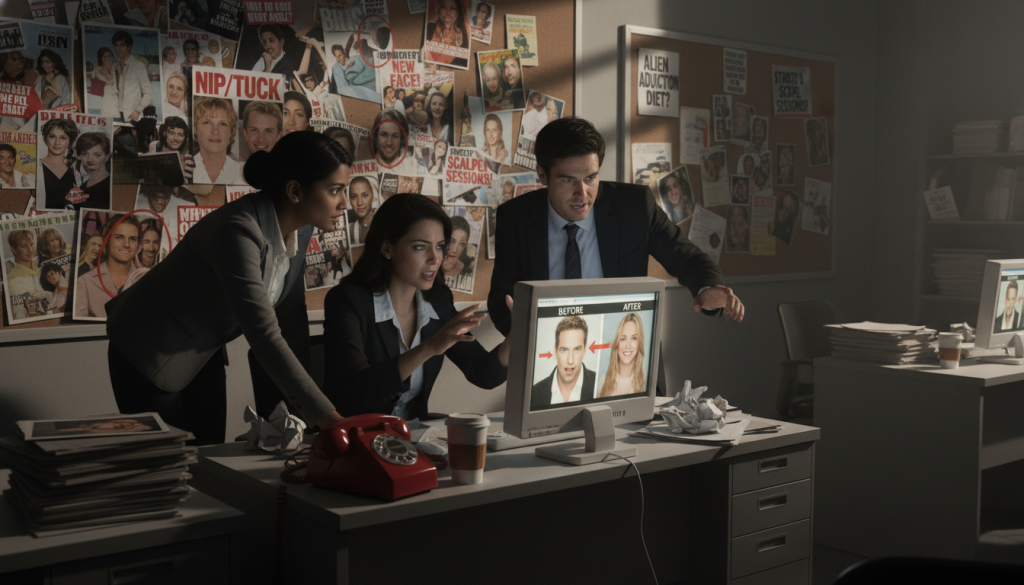
We believe it’s time for a change in how beauty and health news is reported. News should focus on the truth and respect people’s privacy. Using plastic surgery rumors without proof is not right. It goes against the standards of health reporting.
We suggest looking for information from trusted medical sources, not gossip columns. Supporting medical accuracy helps clear up false myths about beauty treatments. By choosing facts over fiction, we can build a better understanding and support for cosmetic procedures.
Expert Perspectives on Common Cosmetic Procedures
Looking at cosmetic procedures through a clinical lens reveals the truth behind celebrity transformations. Many changes that seem like surgery are actually from non-surgical treatments or natural aging. We aim to give you a solid understanding of these treatments to help you make informed choices.
The public’s fascination with famous plastic surgery cases often overlooks the advancements in medical technology. What was once only possible through surgery can now be done with less invasive methods. This change often leads to confusion when people try to figure out how a celebrity’s look has changed.
Common cosmetic procedures like dermal fillers and neurotoxins give subtle volume and smoothness. These effects are temporary and need to be maintained, causing a celebrity’s look to change over time. Understanding these cycles is key to seeing why some results are wrongly attributed to permanent surgery.
It’s important to remember that even famous plastic surgery cases have complex recovery times and anatomical limits. Surgeons focus on patient safety and natural-looking results over dramatic changes. By shedding light on these medical practices, we help people view aesthetic medicine with a more informed and critical eye.
| Procedure Type | Primary Goal | Invasiveness | Typical Duration |
|---|---|---|---|
| Dermal Fillers | Restore Volume | Low | 6–18 Months |
| Rhinoplasty | Reshape Nose | High | Permanent |
| Botulinum Toxin | Reduce Wrinkles | Low | 3–4 Months |
| Blepharoplasty | Eyelid Rejuvenation | Moderate | Long-term |
The Role of Fan Communities in Shaping Narratives
Dedicated fan bases have a big role in how we see our favorite stars change. They give unwavering support and create a sense of community. But, they can also make things worse by focusing too much on how stars look before and after.
These online groups often make their own stories about public figures. They might look too closely at photos and make guesses that aren’t true. This can spread false information fast, changing how we see aging or small changes in looks.
We think it’s key to build a supportive community culture that values the person more than their looks. Fans can celebrate the talent and work of stars instead of just their looks. This way, we can make the online world a better place for everyone.
The strength of fan communities is in bringing people together and lifting each other up. By being kind, we can break the cycle of constant criticism. Valuing the person more than their looks helps us have a better connection with the stars we admire.
Addressing the Ethics of Celebrity Beauty Secrets
When we talk about celebrity beauty secrets, we need to focus on empathy and open talks. The push to look young can make people keep their secrets hidden. This silence leads to harsh public judgment, hurting their mental health.
The entertainment world praises those who seem to stay young forever. This sets a high bar that’s hard to reach. Stars hiding their cosmetic enhancements makes us think these are shameful. We think it’s key to start talking openly about these topics.
Being open about beauty treatments can lead to real talks about modern beauty. By dropping the shame around cosmetic enhancements, we help people make better choices. It’s time to value truth over the mystery around celebrity beauty.
| Approach | Impact on Public | Ethical Outcome |
|---|---|---|
| Strict Secrecy | Promotes unrealistic standards | Increases social stigma |
| Open Transparency | Encourages informed choices | Reduces harmful judgment |
| Balanced Disclosure | Normalizes medical care | Supports patient autonomy |
The Broader Implications for Hollywood Cosmetic Procedures
We need to see the big picture when it comes to Hollywood beauty standards. The entertainment world often makes cosmetic procedures seem like a must for success, not just a choice. This pressure to look young can affect how stars think about their health and looks.
Looking at celebrity plastic surgery, we see that the push for perfection comes from the industry. Many stars feel they must follow certain beauty trends to stay in the game. But, this focus often hides the real risks and recovery times of these surgeries.
Hollywood cosmetic procedures are not just personal choices. They come from a mix of personal wants, career goals, and public attention. We want to help people understand the cultural forces behind these choices.
The table below shows why these procedures are common in showbiz:
| Factor | Industry Impact | Public Perception |
|---|---|---|
| Career Longevity | High pressure to look young | Often misunderstood as vanity |
| Media Scrutiny | Normalization of enhancements | Increased curiosity about celebrity beauty secrets |
| Role Requirements | Specific aesthetic demands | Expectation of constant perfection |
Talking about celebrity plastic surgery should be kind and informed. We want readers to see these choices as part of a tough job. By understanding these celebrity beauty secrets, we can have a kinder talk about body image and how media shapes our beauty standards.
Conclusion
People often focus too much on how stars look, ignoring the real issues of aging and health. We think it’s time to think more critically about what we see in the media, like with Britney Spears.
It’s important to stick to the facts when it comes to health. Knowing about hollywood cosmetic procedures helps us see stars in a kinder light. This way, we can keep our own mental health strong.
Acıbadem Healthcare Group is dedicated to teaching you about health and wellness. We want to help you make smart choices about your health, away from the rumors in tabloids. Being well-informed is key to a healthy life.
Let’s look at celebrity stories with both kindness and doubt. By choosing to believe only what’s true, we can have a healthier online presence. Your quest for knowledge is the best way to understand the world of hollywood cosmetic procedures.
FAQ
Q: Why has speculation regarding Britney Spears plastic surgery become so prevalent in the digital age?
A: Our constant digital connection makes us more curious about celebrities. This curiosity leads to a lot of talk about Britney Spears’ plastic surgery. At Acıbadem Healthcare Group, we see how these stories reflect our worries about aging and beauty.
By looking at these stories from a medical point of view, we understand. People often think natural aging is surgery because of the sensational content we see online.
Q: How accurate are the celebrity before and after comparisons shared on social media?
A: Most before and after photos on social media are misleading. Lighting, camera angles, and makeup can make it seem like surgery when it’s not. We say that these photos are not enough to prove if someone has had surgery.
Social media focuses on getting people to interact, not on being accurate. So, these photos are not reliable for figuring out if someone has had cosmetic work.
Q: What are the most common Hollywood cosmetic procedures discussed in the media?
A: The media often talks about simple treatments like dermal fillers and chemical peels. These are common in Hollywood but are sometimes confused with bigger surgeries. We want to clear up these misunderstandings.
We explain these treatments in simple terms. This helps people understand the difference between simple skin care and major surgery.
Q: Why do social media algorithms amplify plastic surgery rumors?
A: Social media loves content that gets a lot of reactions. Plastic surgery rumors are often very engaging. So, they get shared a lot, creating a cycle of speculation.
We encourage people to check facts with real medical experts. This way, they can avoid spreading unverified rumors.
Q: What psychological factors drive the obsession with celebrity beauty secrets?
A: People are drawn to celebrity beauty secrets because they want to feel connected. They also project their own insecurities onto famous people. Understanding this helps us be kinder when we talk about celebrity plastic surgery.
At Acıbadem Healthcare Group, we focus on the facts. This helps us have a healthier view of beauty.
Q: How has tabloid culture contributed to the stigma surrounding cosmetic enhancements?
A: Tabloids often judge celebrities for their plastic surgery. This judgment makes people feel bad about getting cosmetic treatments. We think it’s time for better reporting.
Reporting that respects patients’ dignity is important. It should see cosmetic procedures as personal choices, not something to mock.
Q: Are the beauty standards seen in Hollywood realistic for the general public?
A: No, Hollywood beauty standards are not real for most people. They are supported by a team of experts. The pressure to stay young leads to more and more cosmetic work.
We want to help our patients make choices based on their own needs. Not because of Hollywood’s unrealistic beauty standards.