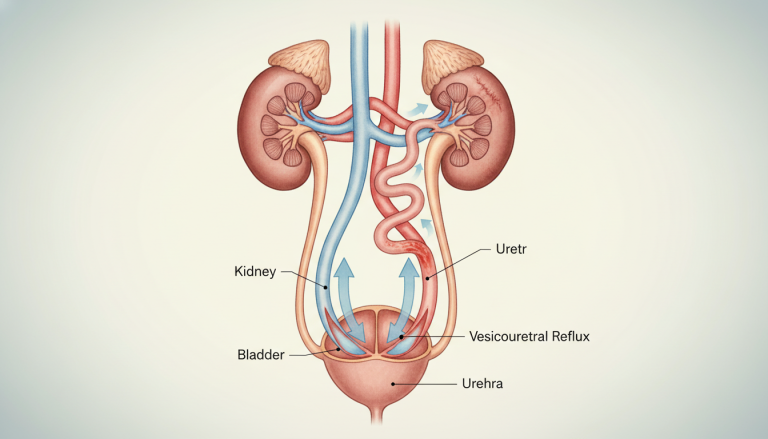



Learning about the systems that help with fertility is key to your health. At Acıbadem Healthcare Group, we think patient education is the base of good care. By diving into the details of Male Reproduction, we want to help you make smart health choices.
We aim to make the body’s workings clear. We share facts that connect medical knowledge with your health path. Knowing how your body works makes you a key player in your care.
This guide gives you a detailed look at reproductive health. We’re here to help you reach your health goals with clear, expert advice. Let’s explore these important ideas together, so you feel sure and strong.
Key Takeaways
- Education is the main way to boost your reproductive health.
- We focus on clear, backed-up explanations to make tough topics easy.
- Knowing your body lets you be more involved in your health journey.
- Our team offers expert advice to help you meet your health goals.
- Easy-to-understand info helps you make confident choices for your future.
Anatomy of the Male Reproductive System
The male reproductive system is at the heart of male health. It’s a complex network designed for sperm production, maturation, and transport. Understanding these parts helps us see how the body keeps its reproductive abilities strong.
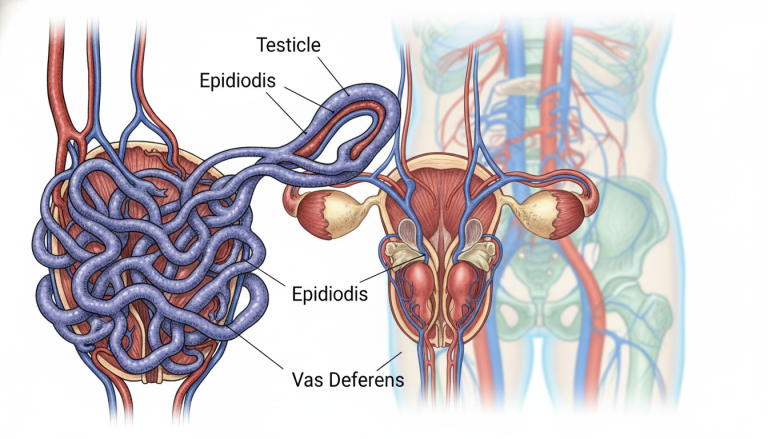
The main reproductive organs are the testes, where sperm starts to develop. These glands are in the scrotum, a sac that keeps the temperature right for sperm growth. Proper temperature control is key for sperm health.
Sperm then go to the epididymis, a coiled tube for final maturation. Next, the vas deferens carries them to the urethra for ejaculation. This teamwork makes the male reproductive system very effective.
To grasp how these parts work together, we’ve listed their roles in the table below. Each part has a special job in the reproductive process.
| Organ Name | Primary Function | Key Characteristic |
|---|---|---|
| Testes | Sperm production | Hormone regulation |
| Epididymis | Sperm maturation | Coiled structure |
| Vas Deferens | Sperm transport | Muscular duct |
| Reproductive Organs | Systemic support | Integrated network |
We think knowing about these reproductive organs helps people take care of their health. Understanding their roles helps spot when to see a doctor. Our aim is to make sure everyone feels well-informed and supported in their health journey.
The Physiology of Male Reproduction
Male reproductive health centers around a complex system for sperm development. This process, called spermatogenesis, mainly happens in the testes. It’s a highly regulated sequence that turns germ cells into mature, moving sperm ready for fertilization.
The cycle of sperm production depends on a precise hormonal feedback loop. It starts in the brain, where the hypothalamus releases gonadotropin-releasing hormone. This hormone prompts the pituitary gland to release two key hormones: follicle-stimulating hormone and luteinizing hormone.
These hormones travel to the testes through the bloodstream. There, they trigger specific cells to start developing. Follicle-stimulating hormone directly supports the growth of sperm cells in the seminiferous tubules. Luteinizing hormone, on the other hand, boosts testosterone production, which is essential for sperm maturation.
After cells are formed, they move to the epididymis. Here, they undergo final changes that allow them to swim and fertilize an egg. This stage is key to ensuring the sperm are healthy and ready to fertilize.
Keeping the reproductive system in top shape is essential for men’s long-term health. By grasping these complex processes, we see how lifestyle and health choices affect sperm production. It’s vital to protect this system for men’s reproductive health throughout their lives.
Understanding Male Fertility and Sperm Health
Learning about sperm production is key for those trying to conceive. The quality of the male contribution is a big deal. Knowing about these factors helps patients make smart health choices.
At the heart of male fertility are three important markers. These show how well the reproductive system works. Consistency and quality are key to good reproductive health.
Let’s dive into what these markers mean for reproductive health:
| Metric | Definition | Significance |
|---|---|---|
| Sperm Count | Total number of sperm in a sample | Higher concentrations increase the chance of fertilization |
| Motility | The ability of sperm to move forward | Essential for reaching and penetrating the egg |
| Morphology | The size and shape of the sperm | Proper structure is required for successful navigation |
When we check sperm production, we look for a balance. A high count is good, but it needs strong motility and healthy shape too. Without these, conceiving naturally can be tough.
We urge patients to see these metrics as important for their reproductive health. By understanding male fertility, you can take better care of yourself. This helps you work with your healthcare team to reach your family planning goals.
The Role of Testosterone Levels in Reproductive Health
Testosterone is key for male growth and keeping reproductive health strong. It’s the main hormone that helps men grow and stay healthy. Keeping the body’s hormones in balance is vital for staying healthy for a long time.
Changes in testosterone levels can really affect a man’s life. When levels are right, men feel good, have lots of energy, and make healthy sperm. But, big changes can mess with mood, energy, and fertility.
Keeping testosterone levels balanced is about more than just health tests. It’s about living well. Healthy habits help the body’s hormones stay in check, keeping long-term reproductive health strong.
Knowing how hormones work helps people make smart choices for their health. We think knowing is the first step to a balanced life. If you’re feeling off, talking to a doctor is the best way to get help.
Common Male Reproductive Health Concerns
Understanding male reproductive health concerns is key to good care. Many men face issues that need medical help early on. We aim to clear up these concerns to ease your worries.
The male reproductive system is complex and can be affected by many things. We break down these issues into three main areas: structural problems, infections, and functional issues. Knowing these categories helps you know when to see a doctor.

Structural abnormalities like varicoceles or undescended testicles need a doctor’s check-up. Infections, such as those in the prostate or urinary tract, usually get better with the right treatment. If you feel persistent discomfort or notice changes, see a specialist.
We offer caring, accurate info to help you on your health journey. Tackling male reproductive health concerns early can lead to better results and peace of mind. Remember, your male reproductive system is essential to your health. Taking care of it is a smart investment in your future.
Erectile Dysfunction and Its Relation to Reproductive Function
Erectile dysfunction is often seen as just a performance issue. But it’s really a sign of deeper health problems. We think it’s key to see it as a treatable medical matter, not something to be ashamed of. By listening to our bodies, men can take care of their health for the long term.
The ability to get an erection depends on good blood flow. The reproductive system needs nerves, hormones, and blood to work right. If blood vessels are not healthy, it can lead to erectile dysfunction, a sign that the body needs medical help.
We want patients to know that erectile dysfunction is not forever. Modern medicine has many ways to help. Getting help early can stop bigger problems and keep reproductive health strong.
Good health means regular check-ups and talking openly with doctors. Treating erectile dysfunction early can find problems like heart disease or diabetes. Fixing the cause can help both reproductive health and overall energy.
Your reproductive health shows how well your body is doing overall. We’re here to help you deal with these issues with clarity and confidence. Remember, managing erectile dysfunction is part of living a healthy life at any age.
Genetic Factors Affecting Male Reproduction
Genetics is the key to our development, including our reproductive health. Genetic predispositions shape hormone production and sperm development. This helps us understand why some men face reproductive challenges.
Chromosomal issues can affect sperm production. An extra or missing chromosome can mess up spermatogenesis. These variations are hidden but greatly impact fertility.
Inherited conditions add to the complexity of male reproductive health. Genetic traits can alter hormone levels needed for reproduction. Identifying these traits helps us give personalized medical assessments.
Knowing your genetic profile is key to family planning. Early identification of genetic factors allows for tailored advice. This ensures accurate information about reproductive health and outcomes.
We see knowledge as the most powerful tool in healthcare. Genetic insights help patients make informed choices. Empowerment through education is our main goal for your long-term wellness.
Lifestyle Choices and Their Impact on Reproductive Health
Knowing how your lifestyle affects your reproductive health is key to staying well. Your diet, exercise, and what you choose to use can greatly impact your reproductive system. By focusing on these areas, we can tackle many male reproductive health issues early on.
Eating a balanced diet full of antioxidants and vitamins is essential for sperm health and hormone balance. Regular exercise boosts blood flow and keeps your weight in check. Consistency is key in these habits, as they boost your overall health and reproductive success.
On the other hand, some habits can harm your reproductive health. Smoking, drinking too much alcohol, and using harmful substances are big risks. We urge you to think about these habits, as making smart choices is part of our mission to support your health for life.
| Lifestyle Factor | Positive Impact | Potential Risk |
|---|---|---|
| Dietary Habits | Improved sperm quality | Nutrient deficiencies |
| Physical Activity | Better hormonal balance | Sedentary lifestyle issues |
| Substance Use | Enhanced systemic health | Reduced fertility |
Being informed gives you the power to shape your future. By focusing on preventative care and making smart daily choices, you can greatly enhance your reproductive health. We’re here to offer the guidance you need to make informed health decisions.
Environmental and Occupational Hazards
Keeping your reproductive organs safe means knowing about hidden dangers. We often think about our health inside, but things outside can affect us too. Spotting these risks is key to staying safe.
Many jobs expose people to too much heat. Working in hot places, like kitchens or foundries, can harm sperm. It’s important to keep things cool for your body’s sensitive parts.
Being around chemicals is another big risk. Solvents, pesticides, and heavy metals can mess with your hormones. Always wear the right gear and make sure your work area has good air.
There are easy ways to protect yourself every day. Here are some tips to help you avoid dangers:
| Hazard Type | Risk Factor | Mitigation Strategy |
|---|---|---|
| Thermal | High heat | Frequent cooling breaks |
| Chemical | Toxic vapors | Use respirators |
| Physical | Vibration | Ergonomic seating |
Being careful at work and at home helps your reproductive organs stay healthy. By being informed and taking action, you can avoid many risks. Small changes in your habits can make a big difference in your health.
Diagnostic Testing for Male Reproductive Health
Diagnostic testing is key to understanding male reproductive health. It helps us check overall health and find the causes of infertility in men. Our team works hard to make this process transparent, predictable, and supportive for everyone.
The first step is the semen analysis. This test looks at sperm count, movement, and shape. These are important for reproductive health. By studying these samples, we learn a lot about how your body works.

We also use hormonal blood panels to check your body’s chemical balance. These tests measure testosterone, follicle-stimulating hormone (FSH), and luteinizing hormone (LH). If these levels are off, it can help explain infertility in men. This lets us create a treatment plan just for you.
| Test Type | Primary Purpose | What It Reveals |
|---|---|---|
| Semen Analysis | Sperm Evaluation | Count, motility, and morphology |
| Hormonal Panel | Endocrine Check | Testosterone and pituitary function |
| Genetic Screening | DNA Assessment | Inherited factors affecting production |
We know medical testing can seem intimidating at first. But our goal is to give you clear, useful information. By explaining these tests, we help you take charge of your reproductive health.
Medical Interventions for Infertility in Men
Modern medicine offers several paths when natural conception is not possible. We know facing reproductive challenges can feel overwhelming. But expert guidance is here to help you navigate these options with confidence. Our goal is to provide clarity on the various treatments that support male fertility.
Addressing infertility in men often starts with finding the cause through diagnostic evaluation. Depending on the findings, treatments range from simple medication to advanced surgical procedures. Each plan is tailored to meet your health needs and reproductive goals.
For some, hormonal imbalances block healthy sperm production. In these cases, medication management can help restore balance. When physical obstructions or structural issues are present, surgical interventions like varicocele repair or microsurgical sperm retrieval may be needed.
Advanced Assisted Reproductive Technologies (ART) have changed how we tackle infertility in men. Techniques like In Vitro Fertilization (IVF) and Intracytoplasmic Sperm Injection (ICSI) help overcome significant hurdles. These procedures are highly effective and are a key part of modern male fertility care.
| Intervention Type | Primary Purpose | Typical Approach |
|---|---|---|
| Hormonal Therapy | Correcting imbalances | Prescription medication |
| Surgical Repair | Fixing structural issues | Varicocele correction |
| Sperm Retrieval | Obtaining viable sperm | Microsurgical extraction |
| ART (ICSI/IVF) | Assisting fertilization | Laboratory fertilization |
Age-Related Changes in Male Reproductive Capacity
It’s important to know how the male body changes with age for health. Many men stay healthy well into their later years. But, the body does change over time. Proactive awareness helps you deal with these changes confidently.
One key change is a drop in testosterone levels. This hormone shift can affect energy, mood, and health. We suggest keeping an eye on these changes. A healthy lifestyle can help lessen the effects of these natural changes.
Cell function in the testes also changes with age. This can affect sperm quality and how well it moves. These changes are part of aging, not a reason to worry. By staying informed, you can take effective steps to support your health at every stage of life.
| Biological Factor | Early Adulthood | Later Adulthood |
|---|---|---|
| Testosterone levels | Peak production | Gradual decline |
| Sperm Motility | High efficiency | Reduced activity |
| Prostate Health | Stable size | Increased monitoring |
Psychological Aspects of Reproductive Health
The emotional journey of reproductive health is as important as the physical one. Mental well-being is key to overall health. It affects how we see and handle changes in our bodies. Feeling supported helps us deal with the ups and downs of reproductive health.
Issues like erectile dysfunction can weigh heavily on our emotions. People often feel frustrated, anxious, or less confident when their physical abilities don’t meet expectations. Recognizing these feelings is a big step towards healing and finding solutions.
We take a compassionate approach to make sure every patient feels understood. We value open communication. Talking about these issues can greatly lessen the stress of reproductive health problems. Seeking professional support shows strength, not weakness.
By adding mental health support to our care, we offer a more complete path to wellness. Whether it’s erectile dysfunction or other reproductive issues, you’re not alone. We’re here to help with both medical knowledge and genuine care every step of the way.
Preventative Care and Long-term Reproductive Wellness
We think preventative care is key for lasting reproductive health. Early detection and regular care can lower future risks. Taking these steps now protects your health for years.
Regular check-ups are vital for men at all life stages. They let doctors track changes and offer early advice. Consistency is the cornerstone of wellness, keeping you updated on your body’s needs.
Your daily habits also impact your reproductive health. Eating well, staying active, and managing stress are important. These habits work with medical checks to keep you stable long-term.
Seeing these health practices as investments in your future is wise. When you focus on your well-being, you make better health choices. We aim to give you the knowledge to handle these health milestones with confidence.
| Life Stage | Recommended Focus | Actionable Goal |
|---|---|---|
| Young Adulthood | Baseline screening | Establish primary care |
| Mid-Life | Hormone monitoring | Optimize reproductive health |
| Senior Years | Prostate and function | Maintain quality of life |
Conclusion
Starting your journey to better health begins with knowing how your body works. We’ve looked into the key parts of male reproduction, including anatomy and the need for early care.
Understanding these systems helps you make smart choices about your health. This knowledge is the base for habits that keep you healthy for years to come.
Making small changes in your life can greatly improve your reproductive health. Regular health checks and talking openly with doctors are key to staying healthy.
At Acıbadem Healthcare Group, we’re committed to helping you stay healthy. Our team is ready to help you with care plans made just for you.
Contact our specialists to talk about your health concerns or to set up a detailed check-up. Your path to better health is a team effort, and we’re here to support you.
FAQ
Q: What are the primary components of the male reproductive system?
A: The male reproductive system has key parts like the testes, epididymis, and vas deferens. The testes make hormones and sperm. The epididymis helps sperm mature. The vas deferens carries sperm. At Acıbadem Healthcare Group, we focus on these parts for your reproductive health.
Q: How does the process of sperm production work?
A: Sperm production, or spermatogenesis, happens in the testes. It’s a cycle that takes about 64 to 72 days. It’s controlled by hormones. Keeping healthy during this time is important for good sperm quality.
Q: What are the most common male reproductive health concerns men should be aware of?
A: Men should watch out for varicoceles, hydroceles, and infections. These can block sperm. If you notice symptoms, see a doctor. Early treatment is key.
Q: How do testosterone levels impact a man’s overall fertility?
A: Testosterone is key for the male system. It affects libido, energy, and sperm production. Low levels can make it hard to conceive. Our team at Acıbadem Healthcare Group checks hormone levels to keep them balanced.
Q: Can erectile dysfunction be linked to broader reproductive issues?
A: Yes, erectile dysfunction can signal bigger health problems. It’s a sign of issues like blood flow or hormone problems. We treat it seriously because it affects reproductive health.
Q: What are the main causes of infertility in men?
A: Infertility can come from low sperm count, poor motility, or abnormal shape. It might be due to genetics, hormones, or lifestyle. Tests help find the cause and guide treatment.
Q: What should I expect during diagnostic testing for male reproduction?
A: Testing starts with a semen analysis to check sperm health. Blood tests and ultrasounds might follow. At Acıbadem Healthcare Group, we aim to make these tests easy and stress-free.
Q: Are there medical interventions available for severe cases of male infertility?
A: Yes, we offer many treatments for infertility. This includes hormone therapy, medications, and surgery. For tough cases, we also have assisted reproductive technologies like ICSI.
Q: How do age-related changes affect male fertility over time?
A: Men’s fertility changes with age. Testosterone levels drop, and sperm quality might decrease. Knowing this helps us care for your fertility as you age.
Q: Can lifestyle choices really improve my reproductive health?
A: Yes, your lifestyle affects sperm quality. Eat well, exercise, and avoid harmful substances. Keep your reproductive organs cool and safe from toxins.