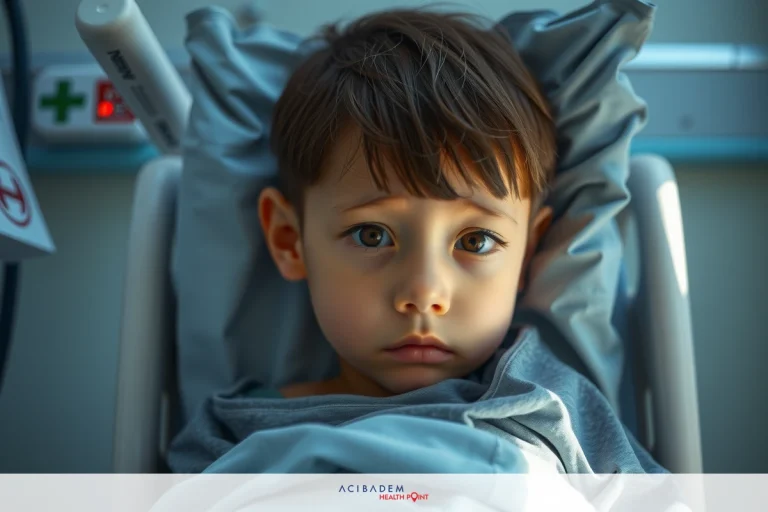




Can Childhood Heart Tumors Cause Blood Clots?
Can Childhood Heart Tumors Cause Blood Clots? Childhood heart tumors are rare conditions that can affect the health of young ones. When they occur parents and caregivers often worry about their impact on a child’s well-being. It is important to learn if these tumors have any link to blood clots. Doctors and medical researchers work hard to find answers to calm fears and help manage risks.Many families face challenges when dealing with childhood heart issues. Understanding whether blood clots are a possible concern is part of getting good care for our kids. Knowledge empowers us by showing what steps we might take next in treatment or prevention efforts.
With each discovery in medicine we get closer to keeping our children safe from harm caused by illness or disease. By delving into research about heart tumors and blood clot connections we gain insights that guide future health decisions for young patients across the globe.
Symptoms of Childhood Heart Tumors
Childhood heart tumors may not always show clear signs at first. It’s vital for parents to watch for small changes in their child’s health and behavior. Some kids might feel tired more often or have trouble breathing during playtime. These symptoms should prompt a visit to the doctor.
Chest pain is another sign that could point to heart tumors in children. This kind of discomfort can be scary for both the child and the parents. If chest pains happen often medical advice is needed right away. Early diagnosis can lead to better outcomes.
Some less common symptoms include fainting spells or dizziness without any known cause. Parents might also notice a faster heartbeat when their child is at rest. These signs are reasons enough to seek further medical evaluation and possibly start deeper research into the child’s condition.
When childhood heart tumors grow larger they may cause blood clots which pose additional risks. Being aware of these potential dangers helps families take action quickly if problems arise. A good understanding here supports health and leads toward proper diagnosis and care plans.
Risk Factors for Blood Clots
Blood clots can occur in children with certain health conditions including heart tumors. Knowing the risk factors is key to prevention and early treatment. For instance a family history of blood clots may increase a child’s chances of developing them. Regular check-ups are important if there’s a known genetic risk.
Sitting still for long periods, such as during travel or bed rest, might also lead to clot formation. It is essential for kids to move around regularly and stay active. Exercise promotes good blood flow which helps keep clots from forming. Parents should encourage their kids to take breaks and stretch during long trips or recoveries.
Certain medications can affect how a child’s blood clots as well. If your child must take these meds talk with your doctor about the risks involved. They may suggest regular tests to monitor your child’s blood clotting ability.
Dehydration is another factor that sometimes gets overlooked but can contribute to clotting issues in children with heart tumors. Ensuring that kids drink enough water each day helps thin the blood naturally and lowers the risk of clots forming inside their veins or arteries.
Possible Connection Between Heart Tumors and Blood Clots
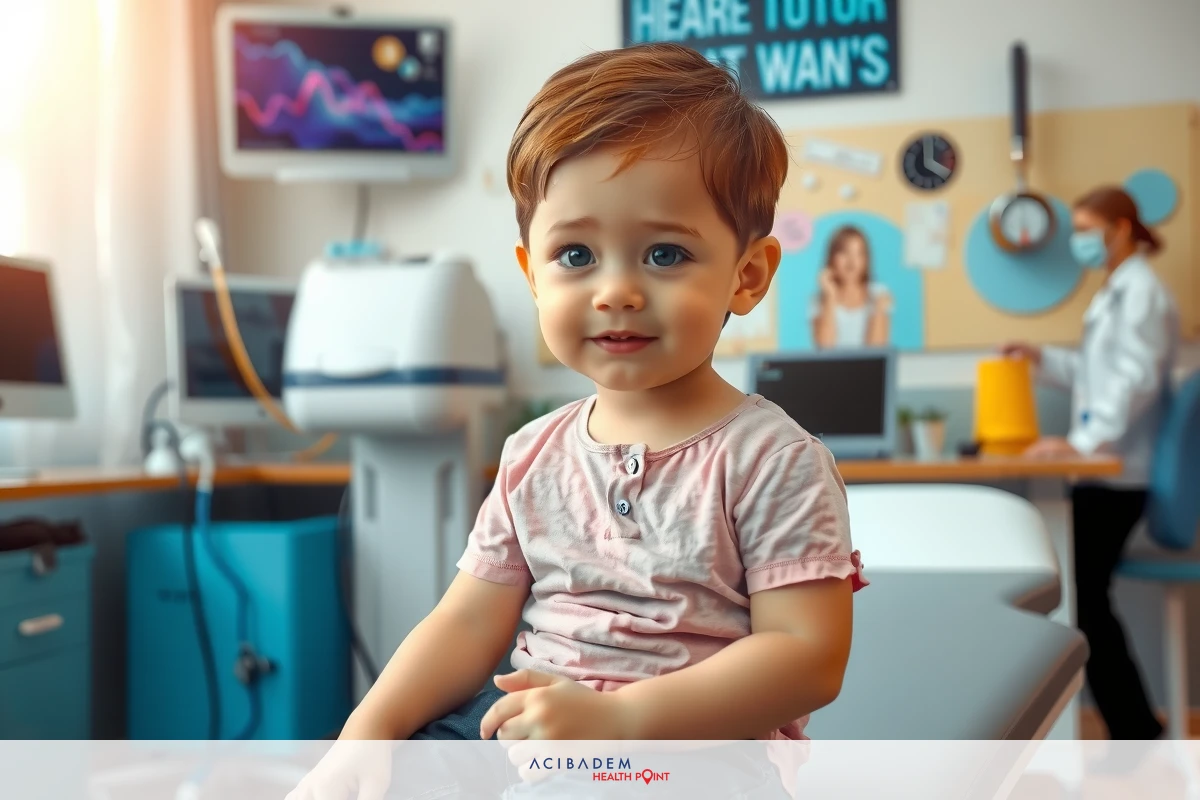
Recent medical research has been exploring how childhood heart tumors might lead to blood clots. These studies are important because they help us understand what health risks kids may face. For example, tumors can disrupt normal blood flow, which sometimes results in clotting. This connection is still being closely studied by scientists.
Doctors have noticed that some children with heart tumors also develop blood clots. While this doesn’t happen to everyone it’s a concern worth paying attention to. Health professionals use these findings to create better treatment plans for young patients. Knowing the risks helps them prevent problems before they start.
The goal of ongoing research is to find out why these two conditions are linked in some cases but not others. Learning more about this connection could lead to new ways of treating or even preventing both heart tumors and blood clots in children. Every bit of information brings us closer to keeping our kids healthier and safer.
Treatment Options for Children with Heart Tumors and Blood Clots
When a child is diagnosed with a heart tumor the treatment plan must be tailored to their specific needs. Surgery may be necessary to remove the tumor if it’s causing serious problems or could lead to blood clots. Surgeons who specialize in pediatric cases are trained to handle such delicate procedures.
In addition to surgery medication can play a role in managing both heart tumors and blood clots. Anticoagulants, commonly known as blood thinners, might be prescribed to prevent clot formation. It’s crucial that these medications are monitored closely by healthcare providers due to potential side effects.
Radiation therapy or chemotherapy may also be considered for certain types of childhood heart tumors. These treatments aim at shrinking the tumor and reducing the risk of related complications like blood clots. However they come with their own set of risks that doctors will weigh against the benefits.
For children dealing with both a heart tumor and blood clots ongoing medical care is essential. Regular check-ups allow doctors to track progress and adjust treatments as needed. The focus is always on improving quality of life while effectively managing health issues.
Finally lifestyle changes can support other treatment methods for pediatric patients facing these conditions. A healthy diet and physical activity within comfort limits can strengthen the body overall. Parents should work alongside medical teams to ensure that their child maintains good health during treatment.
Supportive Care and Recovery
Supportive care is vital for children recovering from heart tumors and blood clots. This type of care focuses on the child’s overall well-being not just their illness. It includes emotional support to help them cope with the stress of treatment and recovery. Family involvement is often encouraged as it can provide a strong network of support.
Recovery from medical procedures can take time especially in young patients. Physical therapy may be part of the process to help kids regain strength and mobility. Professionals trained in pediatric care know how to make this experience as comfortable as possible for children.
Nutrition plays a critical role during recovery from health issues like heart tumors and blood clots. Dietitians may work with families to create meal plans that meet the unique needs of their child. Good nutrition aids healing and helps strengthen the body against future health challenges.
Monitoring for any signs of recurring or new symptoms is an ongoing aspect of supportive care. Regular check-ups are essential in catching potential problems early on. Healthcare teams stay vigilant ensuring that
any concerns are addressed quickly to promote steady recovery.
Lastly psychological services such as counseling might be recommended for some children during their recovery phase. Coping with a serious health condition at a young age can be overwhelming so professional guidance can offer significant benefits for mental health and emotional stability throughout the journey back to wellness.
Frequently Asked Questions
Q: What are the most common symptoms of childhood heart tumors? A: The common signs include fatigue, difficulty breathing, chest pain, fainting spells, and an abnormal heartbeat.
Q: How do doctors treat blood clots in children with heart tumors? A: Treatment may involve medications like anticoagulants, surgery to remove the tumor, or other therapies specific to the child’s needs.
Q: Can lifestyle changes help in recovery from heart tumors and blood clots? A: Yes. A healthy diet and appropriate physical activity can support treatment and overall well-being during recovery.
The answers provided here are for informational purposes only and do not constitute medical advice.