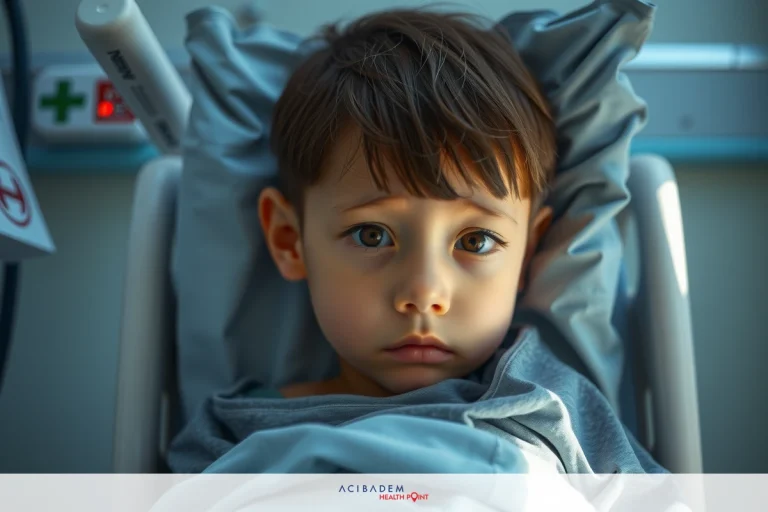





Can Childhood Germ Cell Tumors Cause Mood Changes?
Can Childhood Germ Cell Tumors Cause Mood Changes? Childhood brings many joys and challenges and health plays a big role in both. When kids face medical conditions it can affect how they feel inside. Germ cell tumors are rare in children but might impact their emotions. Parents often wonder if these health problems change how their child acts or feels. It’s important to learn about the ways tumors could link to mood shifts.Doctors see all sorts of health concerns with kids including mood changes from different causes. A tumor in a child is not common but can be serious when it happens. If your child has such a tumor you may notice them feeling sad or mad without clear reasons. Knowing what signs to look for helps you care for your kid better during tough times.
Health issues are hard on anyone especially young ones who may not fully understand what’s happening. Mood swings might come with germ cell tumors just like with other illnesses that affect grown-ups or kids alike. By staying close and talking through feelings families can handle these ups and downs together while seeking proper help from doctors.
Symptoms to Watch For
When a child faces health issues like germ cell tumors their behavior often tells us a lot. Mood changes in children can be subtle or quite clear. Signs may include being very sad for no clear reason. They might get angry fast or cry more than usual. Look for these signs as they could suggest deeper problems.
Parents know their children best and can spot when things aren’t right. If your kid’s mood swings seem out of the ordinary take note. These shifts in how they feel could be linked to their illness. A normally cheerful child who becomes withdrawn may need closer attention. It’s all about connecting the dots between health and behavior.
Changes in friendships or school performance are key symptoms too. A friend might say that your child doesn’t want to play anymore. Teachers could notice less interest in classwork or lower grades suddenly appearing on report cards.
Managing Emotional Well-Being
Supporting a child’s emotional health is crucial during their treatment. When kids undergo therapy for germ cell tumors they need more than just medical care. They need to feel safe and understood by those around them. Simple acts of kindness can boost their spirits on tough days. It’s about giving comfort as well as sticking to the treatment plan.
Creating a routine helps children feel secure when life seems unpredictable due to health issues. Always listen when they want to talk even if it’s about things that seem small or not linked directly with their cancer.
Encouraging expression in any form is another way to manage well-being in children facing such challenges. Drawing, writing stories or playing music lets them share feelings without needing many words sometimes. Providing these outlets can help kids process what they’re going through with less stress indeed.
Seeking Professional Guidance
When a child’s health is at stake reaching out to healthcare experts is key. Doctors can offer personalized advice that fits your child’s unique needs in treatment. They understand the link between germ cell tumors and mood changes. A good doctor will listen closely to your concerns as parents. It’s their job to guide you through each step of care with understanding.
Expert help comes from not just doctors but also support teams who know about children’s illnesses. Nurses, social workers and therapists bring different skills for your family during this time. They work together so that every part of treatment helps your child feel better both inside and out.
Early talks with professionals might make a big difference in how well your child copes overall truly. Healthcare providers are there to ease the journey through illness by offering care tailored just for kids. With their support managing childhood germ cell tumors becomes a shared effort filled with hope.
Support Systems for Families
Having a child with health issues like germ cell tumors can be daunting for families. It’s vital to build a network of support that includes relatives, friends and even neighbors. They can share the load by running errands or watching over siblings too. A strong community allows parents to focus on their ill child’s care more.
Support groups are another pillar in this network very much so; they connect you with others who really understand. You learn resilience from those who’ve been through the same trials. Sharing stories creates bonds that encourage healing beyond medical treatment
Educational resources provided by healthcare professionals also strengthen family support systems quite well. Understanding what your child is going through helps in making informed decisions about their care indeed.
Schools play an important role in supporting kids during these tough times. Teachers can adapt workloads and provide extra help as needed. Keeping up education brings normalcy and structure to a life disrupted by illness.
Understanding Insurance Coverage
Navigating insurance coverage can be tricky when your child has a health condition. Each policy is different and understanding yours is crucial for managing care costs. Germ cell tumors treatment in children might be covered differently by various plans. It’s best to talk directly with your insurance provider about the specifics of your coverage. They can explain which treatments and services are included.
Your insurance company can also guide you on how to claim benefits for your child’s healthcare needs. There may be forms to fill out or approvals needed before certain treatments begin. Always keep records of all healthcare visits, tests and procedures. Be proactive in understanding what’s covered to avoid unexpected expenses certainly.
Sometimes additional support programs exist that help cover costs not included in standard insurance plans. Your provider or hospital’s financial counselor might know about such aid.
If disputes arise regarding what is covered don’t hesitate to ask questions or seek clarification from your insurer. It’s their job to assist you through the intricacies of your policy. Remain persistent if you feel a necessary treatment should be funded as part of your plan.
Frequently Asked Questions
Q: Can childhood germ cell tumors directly cause mood changes in children? A: Yes the stress and discomfort from illness can lead to mood changes. It’s important to monitor a child’s behavior during treatment.
Q: What kind of support can help a child with germ cell tumors cope with mood swings? A: A mix of family support, professional counseling and maintaining routines can provide stability and comfort for the child.
Q: Should I consult a doctor if my child shows new or intense emotions after being diagnosed? A: Absolutely. Always talk to your healthcare provider about any significant shifts in your child’s moods or behaviors.
The answers provided here are for informational purposes only and do not constitute medical advice.