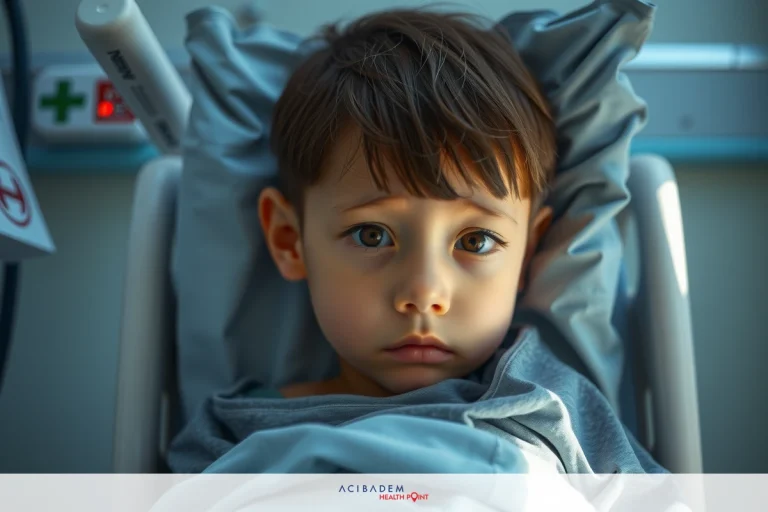





Can Childhood Germ Cell Tumors Cause Fever?
Can Childhood Germ Cell Tumors Cause Fever? Childhood germ cell tumors are a health concern for many parents. If your child has a tumor you might notice they get fevers from time to time. It’s normal to wonder if there’s a link between the two. Tumors can affect the body in different ways and sometimes they lead to other symptoms like fever.Doctors have found that certain medical conditions can cause fevers. When your child isn’t feeling well their body might heat up as it fights off illness. Childhood germ cell tumors could be one reason why your kid is running a temperature more often than usual.
Knowing when to seek help is key for any parent looking out for their child’s well-being. Fever can be common in kids but persistent high temperatures may call for medical advice. Always check with your doctor or healthcare provider if you sense something isn’t right with your child’s health.
Symptoms of Childhood Germ Cell Tumors
Childhood germ cell tumors can show up in many ways. Some kids might have a belly ache that just won’t go away. Others may feel tired all the time or not want to eat much. These symptoms could be signs of other things too so it’s important to see a doctor.
Fevers are another symptom that parents should watch for. Kids with these tumors often get fevers without any sign of a cold or flu. If your child has unexplained fevers along with other changes it’s worth getting checked out. Remember fever alone doesn’t mean there is a tumor.
Lumps or swelling can also occur where the tumor is growing inside the body. You might notice these when bathing your child or if they tell you about pain in one spot. If you find any unusual bumps on your child’s body make sure to tell their healthcare provider.
Fever and Its Connection to Germ Cell Tumors
A fever is the body’s reaction to many health issues including infections. But when we talk about childhood germ cell tumors fevers can be a clue. These fevers often come without other common infection signs like a runny nose or cough. This is why doctors take note when children have repeated episodes of high temperatures.
In kids with germ cell tumors fever might mean that the tumor is affecting their body’s normal functions. The body tries to fight what it thinks are invaders by raising its temperature. This response isn’t always because of an infection; sometimes it’s from cells growing where they shouldn’t be.
It’s also important to understand that not all fevers point to something serious like a tumor. Kids get fevers for lots of reasons some less worrying than others. However, if your child has persistent or recurrent fevers alongside other symptoms discussed earlier, this could indicate a deeper issue.
To find out if there’s a connection between your child’s fever and possible germ cell tumors you will need medical tests done by healthcare professionals. Blood tests and scans can help figure out what’s causing the fever and whether it links back to any tumor activity in the child’s body.
Treatment Options for Childhood Germ Cell Tumors
Treating childhood germ cell tumors starts with understanding each unique case. Doctors often use surgery to remove these tumors from a child’s body. Surgery can be very effective especially if the tumor has not

spread. After surgery kids might need other treatments to help make sure the tumor doesn’t come back.
Chemotherapy is another common treatment for these types of tumors in children. It uses special medicine to kill cancer cells or stop them from growing. Kids may get this medicine through their veins or as pills they can swallow. The doctors will watch closely how the child responds and adjust as needed.
Radiation therapy is also an option sometimes used alongside chemotherapy or after surgery. This treatment targets specific areas where the tumor was using high-energy rays, like X-rays, to destroy any leftover cancer cells that might still be there after the tumor is removed. Your healthcare team will work together to find the best plan for your child’s health and recovery.
Supportive Care for Children with Germ Cell Tumors
Supportive care is a key part of treating children with germ cell tumors. It includes managing side effects and improving quality of life during treatment. This kind of care helps kids cope better with the challenges they face while fighting their illness. It can involve many different professionals from dietitians to psychologists.
Pain management is an important aspect of supportive care for these young patients. Doctors use medicines to ease pain so that children can be more comfortable throughout their treatment journey. Non-drug methods like massage or relaxation techniques may also be offered as part of a comprehensive pain relief plan.
Nutrition plays a crucial role in supporting a child’s body during therapy for germ cell tumors. A dietitian might create a special eating plan that ensures the child gets enough nutrients and energy to heal properly. These recommendations help counteract weight loss and build strength which are common concerns during cancer treatments.
Emotional support is just as vital as physical care when it comes to childhood illnesses like germ cell tumors. Child life specialists work alongside medical teams to provide emotional comfort and coping strategies for both the patient and their family members ensuring mental health needs aren’t neglected during this tough period.
Prevention and Early Detection
Preventing childhood germ cell tumors is challenging as the causes are not fully understood. However awareness of risk factors plays a crucial role in prevention strategies. Parents should stay informed about any genetic predispositions or environmental factors that could increase risk. Regular health check-ups for children ensure ongoing monitoring for any unusual signs.
Early detection of these tumors significantly improves the chances of successful treatment. Keeping an eye on symptoms like unexplained fevers or lumps can lead to earlier diagnosis. If you notice persistent changes in your child’s health it is important to seek medical advice promptly.
Screening methods are currently limited for germ cell tumors in children but research is ongoing to improve this area. Understanding family history and discussing it with healthcare providers may help identify those at higher risk who would benefit from more vigilant screening protocols.
Parents play an active role in early detection by observing their child’s development closely. Any significant deviations from normal growth patterns deserve attention and possibly further medical evaluation. It’s essential to trust your instincts if you feel something might be wrong with your child’s health.
Frequently Asked Questions
Q: Can a fever be the only sign of a childhood germ cell tumor? A: While fever can be associated with these tumors it is usually accompanied by other symptoms. It’s rare for
a fever to be the sole indicator.
Q: Should I take my child to the doctor for every fever they have? A: Occasional fevers are common in children. However persistent or recurring high fevers without any clear cause should be evaluated by a healthcare professional.
Q: How are childhood germ cell tumors detected? A: Detection often involves physical examinations, imaging tests like ultrasounds or MRIs and sometimes blood tests that look for specific markers indicative of these types of tumors.
The answers provided here are for informational purposes only and do not constitute medical advice. If you have concerns about your child’s health please consult with a healthcare provider.