





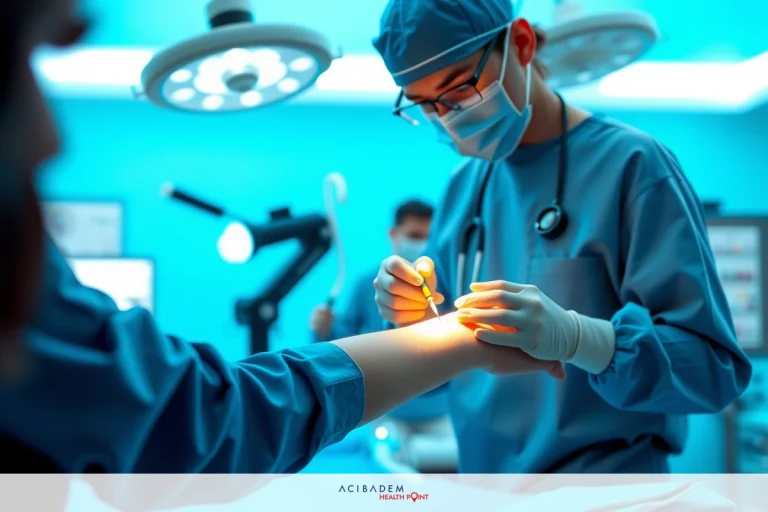
When Did Plastic Surgery Start?
When Did Plastic Surgery Start? Plastic surgery has been around longer than many of us may think. It’s a field that has grown and changed over time. People have always wanted to change how they look and doctors have worked hard to help them. From the very start plastic surgery aimed to fix bodies and faces.This practice began in ancient times with simple methods. Doctors back then were skilled but didn’t have today’s tools or knowledge. They used what they had to make changes to the body. Over years these methods got better as new ideas came about.
Today plastic surgery uses advanced technology and skills. The goal is still to help people feel good about how they look. As we look at its history we find a story of growth and innovation that continues even now.
Ancient Beginnings
The origins of plastic surgery take us back to ancient times. Early practices were born out of need often after injuries or accidents. Skilled hands worked with simple tools to fix wounds and restore shapes. This craft was not just about looks but also about healing and function.
In old civilizations like Egypt doctors used basic surgery to mend broken bones and cuts. They learned how to stitch skin and set limbs so people could heal better. These techniques laid the ground for what would much later become plastic surgery.
India’s history shows us another side of early plastic surgery. Here a doctor might rebuild a nose using skin from another part of the body. This kind of work showed great skill even then. It was an art that needed both care and smart thinking.
As time went on these methods spread across the world through trade and learning. Each place added its own ideas to the mix helping the practice evolve more over time. People from different lands shared their ways making all methods richer together.
Advancements in the Middle Ages
During the Middle Ages plastic surgery saw significant progress. Doctors started to show more interest in repairing faces and bodies. They had new ideas that pushed old techniques further. Some wrote books to share their knowledge with others.
The use of anesthesia became known changing how pain was managed during procedures. This let doctors do more complex work on patients who were now asleep. They could spend more time fixing a problem without causing too much pain.
Many treatments focused on helping those hurt in battles or accidents. Surgeons came up with ways to fix scars and wounds better than before. This care for people’s looks showed deep understanding and kindness.
In Europe the work of some surgeons set them apart as early experts in this field. Their innovations shaped what would later turn into modern plastic surgery practices. Their books passed down wisdom that would last through ages touching lives far beyond their own time.
As techniques got better so did results from surgeries back then. People began to see hope for fixing things they thought were unchangeable. This era laid important groundwork for what we know today as plastic surgery allowing future generations to build upon a solid base of knowledge and experience.
Modern Innovations
In modern times plastic surgery has seen amazing breakthroughs. The world watched as new techniques changed what could be done. Surgeons use tools that let them work with great skill and care. Now they can change lives in ways once thought impossible.
One big step was the start of using grafts from a person’s own body in surgeries. This made healing faster and cut down on problems after surgery. It opened doors to fixing more complex issues with better results.
Lasers came into the picture, too, making some procedures less harsh. They allowed doctors to do fine work without needing to cut. This meant less time healing for patients and often smaller signs of surgery left behind.
Computers have also given a big boost to how surgeons plan and carry out their work. 3D imaging lets them see their patient’s needs before they make the first cut. With this view they can guide their actions with more detail than ever before.
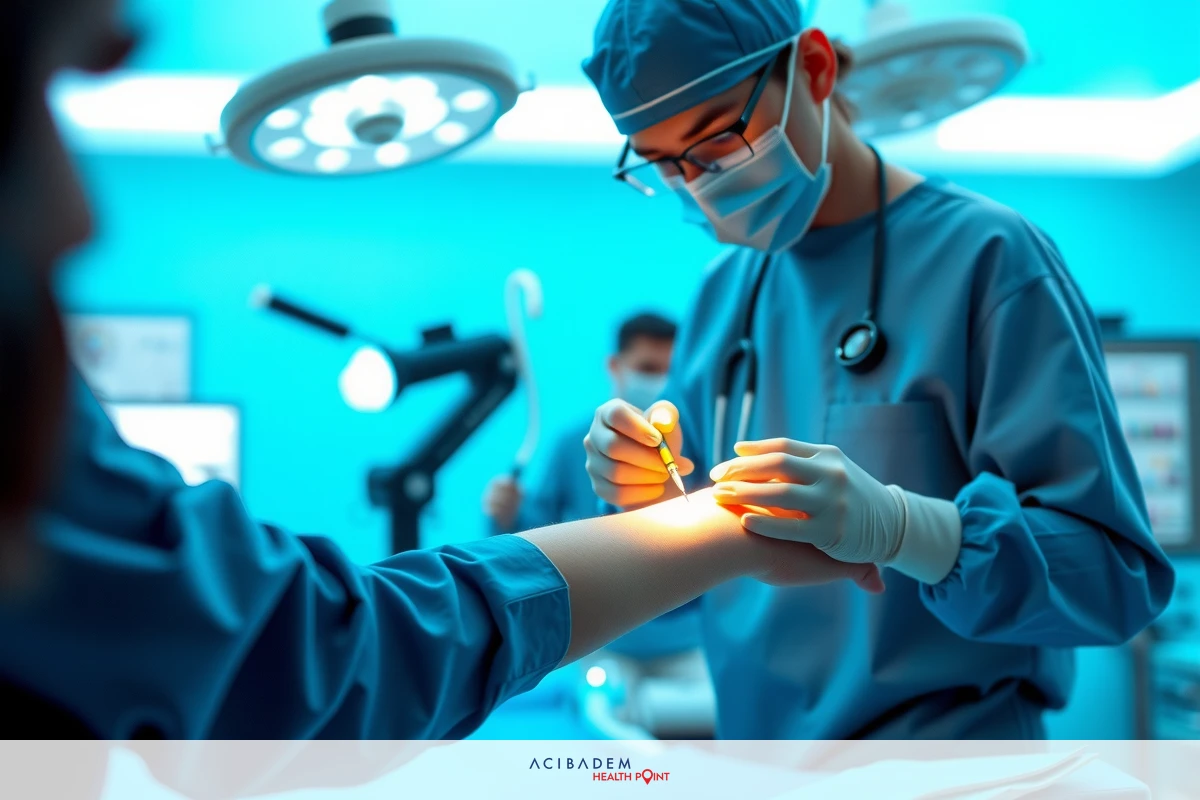
Famous Pioneers
The field of plastic surgery wouldn’t be where it is today without its famous pioneers. These influential figures made lasting marks with their work and ideas. They studied the human body finding ways to fix what was once thought unfixable. Their bold steps forward changed many lives for the better.
One such pioneer is Sir Harold Gillies a name known by many in plastic surgery. He’s often called the father of modern plastic surgery due to his work during and after World War I. His techniques in facial reconstruction provided hope to many soldiers.
Another key figure is Dr. Varaztad Kazanjian dubbed ‘the miracle man of the Western Front’. His skillful hands brought back smiles to faces scarred by war. He showed compassion and drove new methods in reconstructive surgeries.
Then there’s Susanne Noël one of the first women in this field who made waves with her expertise. She focused on cosmetic procedures at a time when they were just emerging. Her practice helped shape society’s view on elective aesthetic enhancement.
Each pioneer passed down their knowledge through teaching or writing. They left behind rich legacies that still influence how surgeries are done today. Their commitment laid ground for future generations to continue making advances in helping people heal and feel good about themselves again.
The Future of Plastic Surgery
The future of plastic surgery holds exciting possibilities. As technology advances so do the options for those seeking change or repair. New materials and methods are on the horizon ready to make surgeries safer and more effective.
One trend is the use of biocompatible materials that work well with our bodies. These substances could cut down healing times and improve how implants feel. In time they may become a normal part of many different kinds of plastic surgeries.
Robots are starting to lend a hand in operating rooms too. With their help surgeons can be more precise than ever before. This might mean less scarring and quicker recovery for patients after surgery.
Research into stem cells also shows promise for repairing damaged tissue in new ways. This could lead to treatments without needing as much surgery at all. It’s an area full of hope for doctors and patients alike.
Lastly, 3D printing offers tailor-made solutions like never seen before, from creating models for planning surgery to making parts used inside the body itself. As this tech gets better it will surely open up fresh paths in the world of plastic surgery.
Frequently Asked Questions
Q: How has plastic surgery changed from its origins to now?
Plastic surgery began with simple fixes for injuries. Today it uses advanced tech and techniques. The focus has shifted to safety, precision, and better results.
Q: What were some early materials used in reconstructive surgery?
Ancient doctors used things like bandages and stitches made from natural fibers. Over time they found more materials that worked well with the human body.
Q: Can anyone have plastic surgery or are there restrictions?
Most people can consider it but should talk to a doctor first. Health conditions could affect whether someone should have a procedure done.
