





What Is Photodynamic Therapy For Skin Cancer?
What Is Photodynamic Therapy For Skin Cancer? Photodynamic therapy is a treatment that helps people with skin cancer. Doctors use special drugs and light to kill cancer cells in this method. Patients often find the process less harsh than other treatments. It works well for certain types of skin cancer and it’s not very painful.This type of therapy offers an option for patients who want a less invasive choice. Light-sensitive medicine goes onto the skin and then light activates it to attack the tumor. Many patients recover quickly after treatment. They also report fewer side effects making it a good choice for some.
Patients must talk with their doctors about whether photodynamic therapy fits their needs. Costs can vary so checking with insurance companies might help manage expenses. With careful planning many find success in treating their skin cancers through this innovative approach.
Procedure Overview
Photodynamic therapy begins with the application of a light-sensitive drug to the skin. This medicine, known as a photosensitizer, is either rubbed onto the tumor or injected. The drug needs time to be absorbed by the cancer cells. For some patients this waiting period can last between a few hours to days.
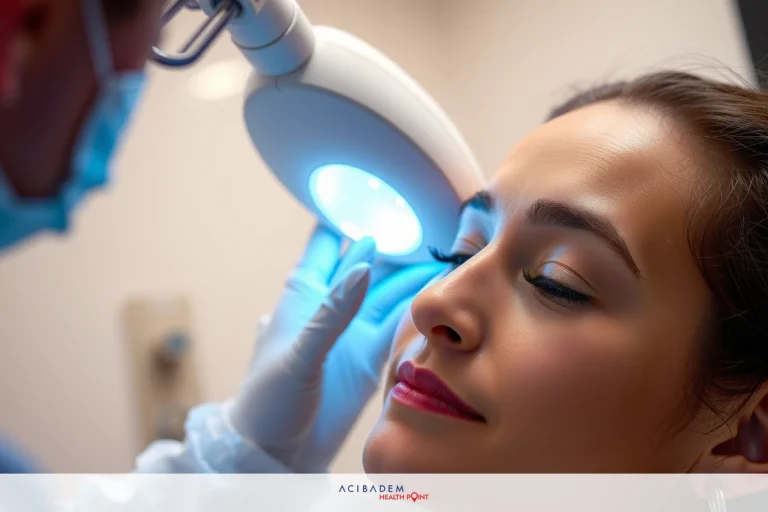
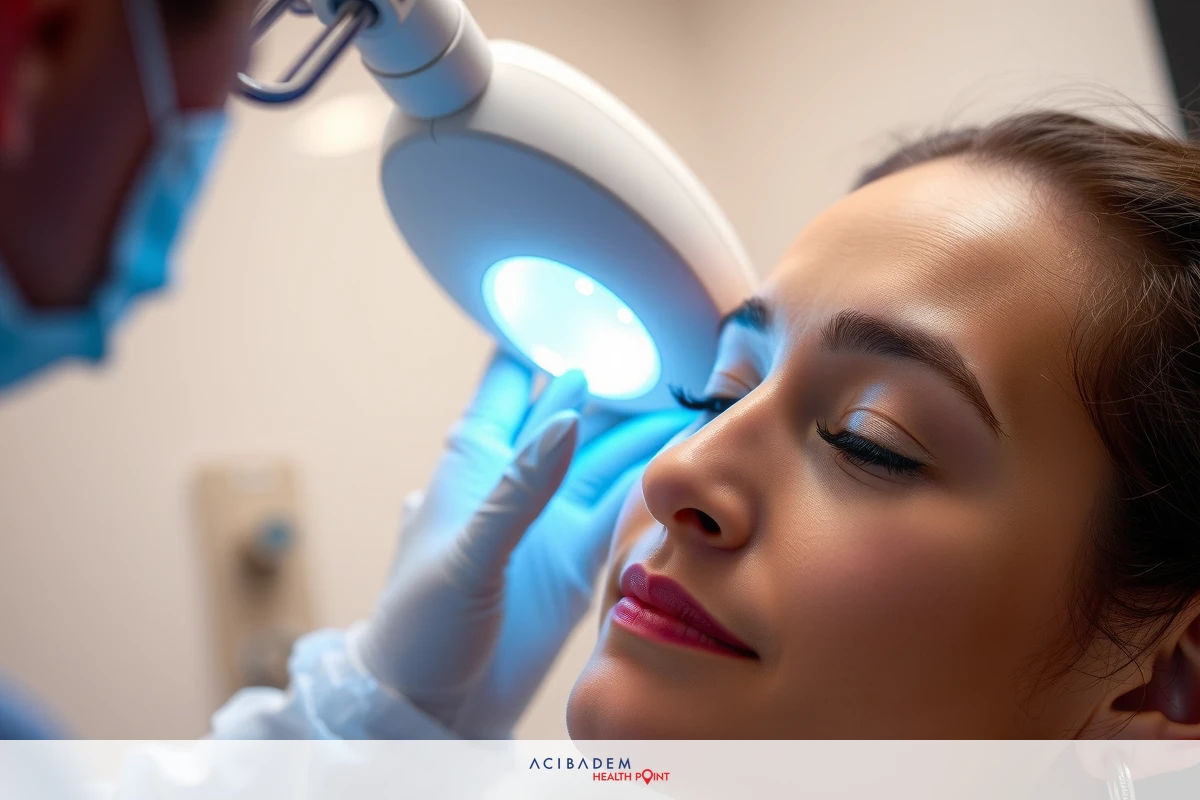
Once absorbed it’s time for light exposure which activates the drug. A doctor uses a specific type of light on the treated area during this step. Precise wavelengths are crucial in ensuring that only cancer cells are targeted. The length of light exposure depends on factors like tumor depth and location.
After activation by light the drug reacts and produces an active form of oxygen that kills cells. Because it’s designed to target diseased tissue healthy skin nearby usually stays safe and undamaged. Patients might need more than one session if their tumors are thick or if they have several areas affected by skin cancer.
Benefits of Treatment
Photodynamic therapy offers a targeted approach to treating skin cancer. It specifically aims at the affected cells causing less harm to healthy tissue around it. This precision helps preserve the look and function of the skin near the tumor site. Patients undergoing this treatment often experience minimal scarring.
Another advantage is that photodynamic therapy can be done in a doctor’s office or clinic. Unlike some other treatments there’s no need for hospital stays. The procedure itself is also relatively quick which adds convenience for patients with busy schedules or transportation issues.
This treatment is known for having fewer side effects compared to traditional methods like surgery or radiation. There’s typically less discomfort during and after the procedure as well. Many patients report feeling more comfortable throughout their entire course of photodynamic therapy treatments.
Aftercare Tips
After you finish photodynamic therapy taking care of your skin is key. Your doctor will likely suggest staying out of the sun as your first step. This means no direct sunlight and wearing hats or clothes that cover treated areas well. Sunscreen is also a must even when it’s not very sunny outside.
Keeping the treated area clean is important too for good healing. Use gentle soap and water to carefully wash the skin without rubbing too hard. Patting your skin dry rather than wiping helps avoid irritation on sensitive spots
post-treatment.
Your doctor might give you special creams or moisturizers to use after treatment. These can help soothe the skin and speed up recovery times significantly if used correctly as directed by professionals.
Possible Side Effects
Photodynamic therapy is well-tolerated, but like all treatments, it can have side effects. The most common is skin redness in areas that were treated. Swelling and a burning sensation during light exposure are also frequent experiences for patients. These symptoms usually fade within a few days after the procedure.
Sensitivity to light is another reported side effect of this treatment. Patients may need to avoid bright indoor lights and sunlight for some time. This sensitivity typically lasts around 48 hours but could extend longer depending on individual reactions.
In certain cases patients might notice changes in their skin pigmentation post-treatment. Some areas of the skin can become lighter or darker following photodynamic therapy sessions due to its impact on melanin production levels within affected tissues locally at targeted sites being addressed specifically by medical professionals.
Frequently Asked Questions
Q: What types of skin cancer can be treated with photodynamic therapy?
Photodynamic therapy is mainly used for certain types of non-melanoma skin cancers including basal cell carcinoma and actinic keratosis.
Q: How long does a photodynamic therapy session last?
A typical session may take about 15 to 90 minutes not including the time needed for the photosensitizer drug to be absorbed by the skin.
Q: Can I go back to my normal activities after treatment?
You should avoid direct sunlight and bright indoor light for at least 48 hours post-treatment. Your doctor will give you specific aftercare instructions.
