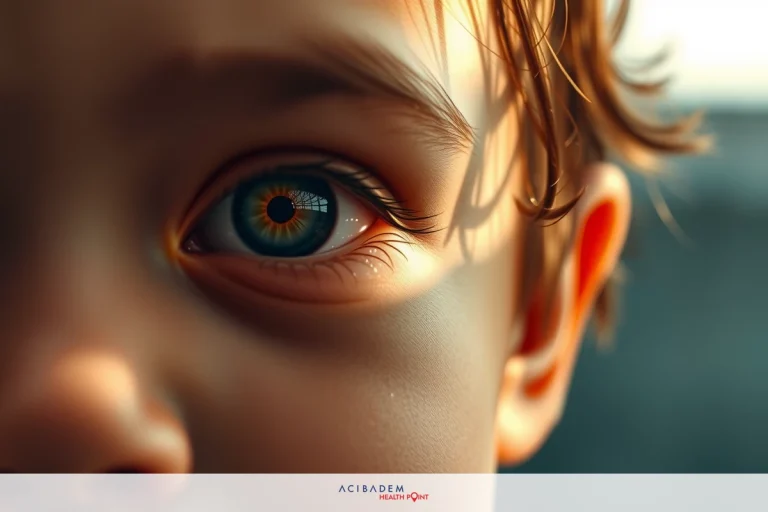
What Are The Most Common Questions Patients Have About Retinoblastoma?
What Are The Most Common Questions Patients Have About Retinoblastoma? Retinoblastoma is a type of eye cancer that mostly affects young children, but with early detection, outcomes can be very good. Doctors and health teams work hard to share all needed info with families. Patients often come forward with many questions to better understand their condition. It’s normal for those diagnosed and their loved ones to seek out as much knowledge as they can.Gaining clear answers helps in coping with the diagnosis of retinoblastoma and aids in making informed decisions about care options. Frequent queries include questions on symptoms, treatment methods, support systems, and ways to manage day-to-day life. Each patient’s journey is unique yet shared concerns bring people together seeking similar information.
Patient education plays a key role in managing any health challenge effectively. Knowing what queries are most common allows us to address them directly here for you today. Whether you or someone close has been affected by retinoblastoma getting straightforward facts is essential for peace of mind during this time.
Symptoms of Retinoblastoma
Recognizing the signs of retinoblastoma early can be a game-changer for patients. The most telling symptom is an unusual white reflection from the pupil often seen in photos when a flash is used. This sign, known as leukocoria or ‘cat’s eye reflex’, could suggest something isn’t right. Other symptoms include one eye looking in a different direction than the other or eyes that seem to have trouble seeing.
Parents may also notice their child’s eye becoming red and irritated without any clear reason such as infection. Some children might complain about their vision being blurry or they might bump into things more often. These are common questions doctors get from concerned parents who want information on what to look out for.
In some cases, there can be a noticeable difference in color between the two eyes, which wasn’t present before. This change needs attention too. It’s crucial not to ignore these signs and consult with a healthcare provider promptly if you suspect anything unusual. Early detection of retinoblastoma greatly improves treatment success rates and preserves vision.
While it’s rarer older kids and adults sometimes get retinoblastoma too. Knowing this helps us stay vigilant no matter the age. If someone has persistent pain in their eyes that doesn’t go away this could also be a warning signal worth checking out immediately. Eye cancer like retinoblastoma doesn’t have to rob patients of sight if caught early enough by recognizing these key symptoms.
Diagnosis and Treatment Options
When a child shows signs of retinoblastoma the first step is to visit an eye specialist. The doctor will look into the eyes with special tools to check for tumors. An ultrasound may also be used to get a closer look at what’s happening inside. These tests can help doctors see if there is cancer and how big it is. After these exams they might suggest more tests like MRI or CT scans.
Once retinoblastoma is found, patients usually meet an oncologist, a doctor who treats cancer. This expert will talk about what treatments are best based on each unique case. Patients often ask common questions about saving their vision and beating the cancer during these meetings. Information given by oncologists helps families understand the journey ahead.
Treatment options vary depending on how far along the retinoblastoma has progressed. Some cases might need surgery to remove the affected eye. This is called enucleation when needed for safety reasons. Other treatments include laser therapy freezing therapy known as cryotherapy or radiation therapy. All aiming to kill cancer cells and save as much sight as possible.
Chemotherapy drugs are another way doctors treat retinoblastoma in patients. Sometimes they’re used before other treatments too. There’s also new research being done every day to find better ways to fight this disease safely without hurting other parts of the body too much so always ask your care team about updates in treatment methods available.
Support Resources for Patients
Dealing with retinoblastoma is tough but many organizations are there to help. They offer information, connect families to doctors, and sometimes provide financial aid. Online forums and local support groups let patients share their stories and tips. It can be comforting to talk with others who understand what you’re going through. These resources also keep families updated on new treatments or research in the field of eye cancer.
For parents knowing how to support their child during treatment is key. Guides and books designed for children can explain what’s happening in a way they’ll get it. Some hospitals have special play therapists who make hospital visits less scary for kids too. Families often find comfort in these educational tools which help them tackle common questions together as a unit.
There are patient advocates who work directly with families dealing with retinoblastoma. They know the ins and outs of navigating medical systems and can guide you at every step. This service is invaluable when things feel overwhelming. Remember that asking for help is okay. These people want nothing more than to assist patients like you on your journey toward health.
Prevention and Awareness Strategies
Retinoblastoma often can’t be prevented because it’s usually caused by genetic mutations. However, awareness plays a crucial role in early detection, which can lead to better outcomes. Educating parents about the early signs of this eye cancer is vital. For families with a history of retinoblastoma genetic counseling may be recommended. This helps understand the risks and what to watch for in children.
Regular eye exams are important for all kids but especially those at increased risk for retinoblastoma. Pediatricians or family doctors should check a child’s eyes during routine health visits. If there’s a concern they will refer you to an eye specialist right away. Early diagnosis makes sure patients get the care they need as soon as possible.
Awareness campaigns are also key in helping people recognize retinoblastoma signs quickly. Hospitals and health organizations sometimes run these programs using posters or online platforms to spread information widely. They aim to inform not just families but also healthcare workers who might come across cases of retinoblastoma.
Research into prevention strategies continues as scientists learn more about this disease each day. Keeping up-to-date with scientific findings is essential for healthcare providers and families.
Finally support from public health policies that prioritize newborn screenings could help catch retinoblastoma early on too. Advocacy work by patient groups pushes for such changes regularly.
Living with Retinoblastoma: Tips for Patients
Living with retinoblastoma presents unique challenges but there are ways to cope. Creating a daily routine can provide stability for both patients and their families during treatment. Staying organized helps manage doctor’s appointments and medical information which often feels overwhelming. Keeping a journal may also be useful to track progress, symptoms, or any side effects experienced.
Good nutrition is important for children undergoing cancer treatment. It aids in recovery and overall well- being. Working with a dietitian who understands the needs of cancer patients can ensure they get all the nutrients they need. Hydration is equally crucial; drinking plenty of fluids helps keep the body strong during therapy sessions.
Physical activity should be maintained as much as possible according to each patient’s ability. It promotes better health outcomes. Simple exercises tailored to energy levels can help kids stay active even on low- energy days.
Emotional support cannot be understated while living with retinoblastoma. It’s key in coping strategies for ongoing care challenges faced by patients and parents. Psychologists or counselors skilled in helping children deal with serious illness can offer valuable guidance here. They know how tough this journey gets at times.
Lastly connecting with other families going through similar experiences may bring comfort. Shared stories foster understanding that you’re not alone on this path. There’s strength found within communities facing retinoblastoma together. They share common questions and seek helpful information along their battles against eye cancer every day.
Frequently Asked Questions
What is retinoblastoma?
Retinoblastoma is a type of cancer that starts in the retina which is the lining at the back of your eye.
How is retinoblastoma treated?
Treatment options include chemotherapy, radiation therapy, laser therapy, cryotherapy or surgery depending on individual cases.
Can children with retinoblastoma still go to school during treatment?
Many can attend school while undergoing treatment. However it depends on their overall health and what their doctors advise.