





How Effective Is Laser Therapy In Skin Cancer?
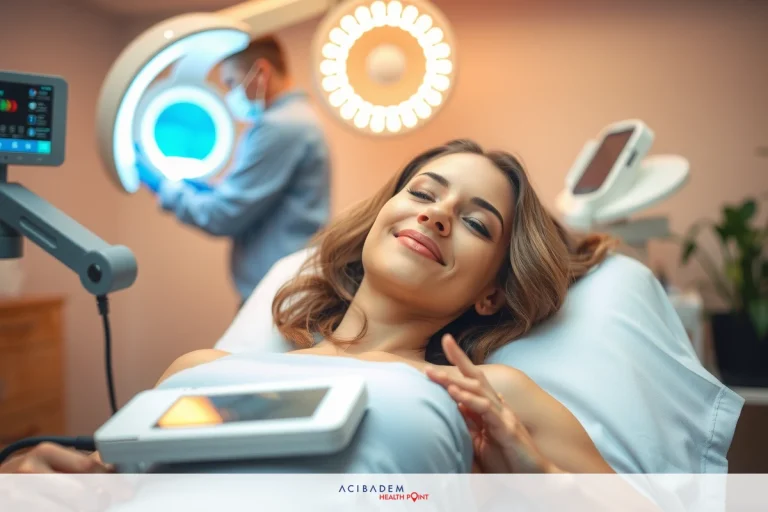
How Effective Is Laser Therapy In Skin Cancer? Laser therapy has become a popular choice for treating skin cancer with many patients seeing positive results. It offers a less invasive option compared to traditional methods and can target specific areas of the skin with precision. Doctors often recommend it for certain types of skin cancers highlighting its benefits in terms of accuracy and recovery time. Patients value the reduced downtime associated with laser treatment allowing them to return to their daily routines quicker. With ongoing research laser therapy continues to show promise as an effective tool against skin cancer.In recent years medical advancements have made treatments more accessible and comfortable for patients facing health challenges. Laser therapy represents one such advancement in the care of those dealing with skin cancer. The process involves using concentrated light beams to remove or reduce cancerous cells without affecting surrounding healthy tissue. Many find comfort in knowing that side effects are generally minimal when compared to other forms of treatment.
Understanding patient experiences is key when considering new treatments like laser therapy for combating diseases like skin cancer. Stories from individuals who have undergone these procedures echo feelings of satisfaction and relief due to low pain levels during recovery periods. Health professionals continue studying the effectiveness of lasers aiming at improving outcomes even further while ensuring safety remains paramount during treatments.
Benefits of Laser Therapy
Laser therapy for skin cancer brings several benefits worth noting. It is known for its precision which allows doctors to target the affected cells without harming nearby healthy tissue. This level of accuracy contributes to the overall effectiveness of the treatment in fighting skin cancer. Patients also benefit from minimal scarring since laser therapy is less likely to damage surrounding areas.
Another advantage of laser therapy lies in its quick procedure time. Unlike some traditional treatments that can take hours or require multiple sessions laser therapies are often much faster. This makes it a convenient option for patients who have busy schedules and cannot afford long recovery periods. The speediness does not compromise the effectiveness; many patients still see significant results.
Recovery after undergoing laser therapy is usually easier compared with other surgical methods used to treat skin cancer. Patients typically report less discomfort during their healing process and appreciate being able to return to normal activities sooner than expected. The reduced need for pain medication post-treatment adds another layer of comfort during healing.
Finally one cannot overlook the psychological benefits associated with modern treatments like laser therapy for skin cancer patients. Knowing they have access to advanced care options can provide peace of mind and positively impact their outlook on recovery and health management. This aids both physical healing and emotional well-being throughout their journey towards remission.
Procedure Overview
The laser therapy procedure for skin cancer starts with a thorough consultation. Your doctor will explain the steps and answer any questions you may have. They’ll assess whether laser therapy is the best option for your specific type of skin cancer. The goal is to make sure you understand what will happen during treatment.
On the day of the procedure your skin will be prepared carefully to ensure cleanliness and safety. A local anesthetic might be applied to minimize discomfort during the session. The type of laser used depends on
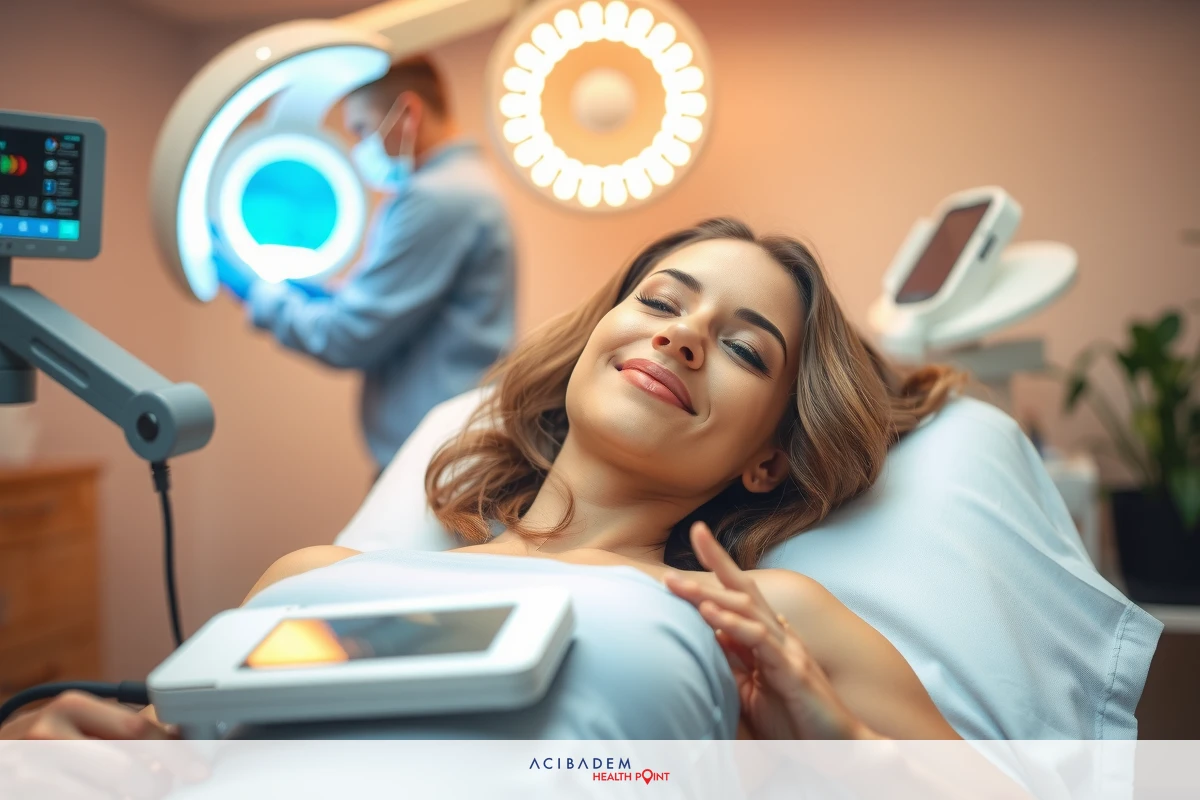
many factors including the size and location of your skin cancer. Rest assured that every effort is made to maximize effectiveness while ensuring your comfort.
During laser therapy protective eyewear is provided both for patient and practitioner safety due to bright light emissions from the equipment. As the device emits concentrated beams of light onto targeted areas it effectively destroys cancer cells without incisions or needles involved in other treatments.
Recovery Process
After laser therapy for skin cancer the recovery process is generally smooth. Most patients can go home the same day as their treatment. It’s important to follow your doctor’s advice on taking care of your skin after the procedure. They will likely suggest keeping the treated area clean and protected from sunlight.
Your skin may appear red or feel tender initially but these are common responses that tend to subside quickly. Swelling is also a possibility but should decrease within a few days. To support healing apply any creams or dressings as directed by your healthcare provider. Comfort during this time is key so be sure to report any unusual symptoms promptly.
As you heal avoid strenuous activities that could affect the treated area until your doctor gives you the all- clear signal. This helps prevent complications and ensures effectiveness in treating skin cancer with laser therapy remains high. Keep in mind; follow-up visits are crucial. They help track progress and catch any potential issues early on in recovery.
Possible Side Effects
Laser therapy is a well tolerated treatment for skin cancer but it does carry some side effects. Most are mild and temporary such as redness or swelling at the treatment site. These symptoms typically resolve on their own within a few days to weeks. It’s also common to experience itching or tenderness in the area where the laser was applied.
In some cases patients may notice changes in skin pigmentation after laser therapy. The treated skin could become lighter (hypopigmentation) or darker (hyperpigmentation) than surrounding areas. While these changes can be concerning they often improve over time and with proper skincare guidance from your doctor.
Blistering and scabbing are other possible side effects that signify healing but require care to prevent infection. If you observe any blisters or scabs forming contact your healthcare provider for advice on managing them safely while ensuring effectiveness in treating your skin cancer remains unaffected by these reactions.
Rarely laser therapy might lead to more significant side effects like burns or scars if not administered correctly. Therefore choosing an experienced medical professional for this procedure is essential. This ensures safety protocols are followed precisely during each session of laser therapy.
Finally, there’s a minimal risk of infection following laser treatments due to the non-invasive nature of the procedure. However, keeping the treated area clean reduces this risk even further. Maintaining good hygiene post-therapy plays a crucial role in preventing complications related directly to infections while recovering from skin cancer treatments using lasers effectively.
Frequently Asked Questions
How long does a laser therapy session for skin cancer take?
Most sessions are quick, lasting from a few minutes to an hour, depending on the treatment area's size.
Is laser therapy painful?
Patients generally experience little pain; however some may feel slight discomfort akin to a rubber band snapping against the skin.
Can all types of skin cancer be treated with laser therapy?
Laser therapy is most effective for certain types like basal and squamous cell carcinomas. Your doctor can advise if it's right for your case.
