





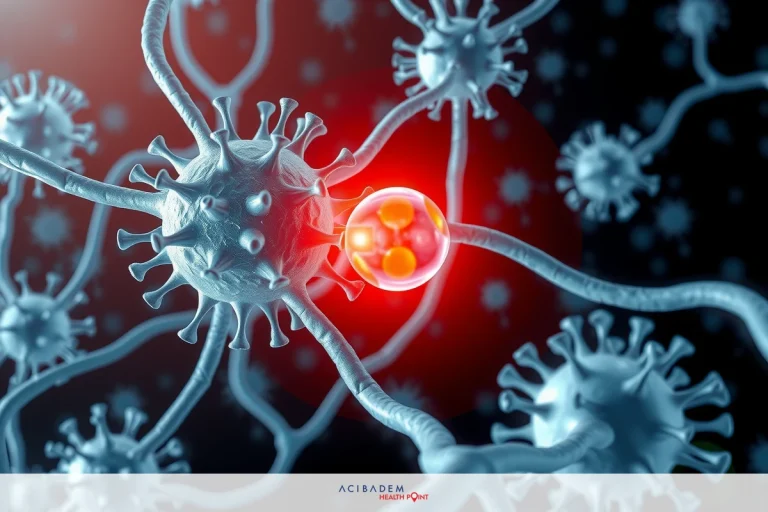
Dendritic Cell Vaccines And Immune Tolerance
Dendritic Cell Vaccines And Immune Tolerance Dendritic Cell Vaccines And Immune Tolerance Dendritic cell vaccines are a new way to help your bodies fight disease. They teach your immune system to spot and attack bad cells like cancer. It’s like giving your body a special map that points out the enemies so it can protect itself better. These vaccines use parts of dendritic cells to make this map.Your immune system is amazing at keeping you healthy. Sometimes, though, it can get confused and attack good parts of your body by accident. When it’s about immune tolerance you mean teaching the immune system not to do that. Dendritic cell vaccines aim to improve these lessons.
Doctors and scientists work hard on these vaccines because they hold great promise for treating illness without hurting normal cells in the body. Learning more about how dendritic cells work with the immune system might lead you toward less harsh treatments for serious conditions in the future. Everyone hopes these efforts will make life better for people with tough diseases.
What are Dendritic Cells?
Dendritic cells act as messengers in the immune system. They pick up danger signals from invaders like viruses and bacteria. Then they rush to tell other immune cells about these germs so your body can defend itself.
These special cells are found all over your body. You have them in places like skin and inner linings where you might meet harmful bugs. Their job is to be on the lookout for trouble that could make you sick.
When dendritic cells find a germ they do something neat. They grab pieces of it to show to T-cells which are strong fighters in your blood. Think of it as showing a ‘wanted poster’ so the T-cells know who to look for.
But dendritic cells don’t always call for an attack mode; sometimes they keep peace. That’s part of what you mean by immune tolerance; stopping fights inside your body that shouldn’t happen. It helps prevent friendly fire against your own tissues keeping you safe from self-harm.
Understanding Vaccine Development
Vaccine development is a careful process to make your bodies stronger against diseases. Scientists start by finding what part of the germ triggers immunity. This piece, called an antigen, is key for creating a vaccine that works well.
Once they have the antigen experts work on making it safe for you. They change it so it can’t cause illness but still wakes up your immune system. It’s like training with safety wheels before riding a big bike.
After this step comes testing which takes time and patience. Researchers test the vaccine in labs first and then with volunteers to make sure it’s safe and effective. Each stage of testing helps them learn more about how the body will react.
Finally, when tests show good results, health authorities review everything carefully before saying yes to the new vaccine. Even after approval scientists keep checking on people who get vaccinated to see how well it’s working over time and ensure ongoing safety in boosting immunity against various threats you might face.
The Concept of Immune Tolerance
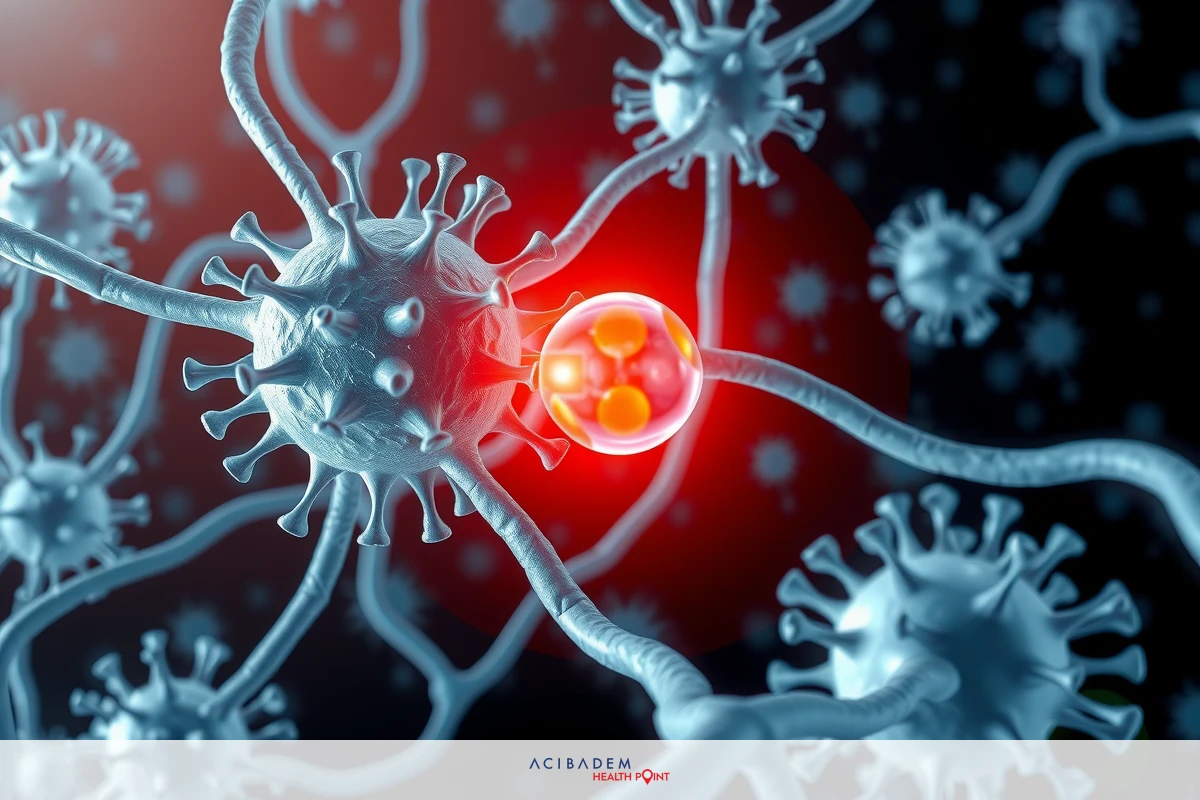
Immune tolerance is a peacekeeping process in your bodies. It’s how the immune system learns to recognize and not attack what belongs to you like healthy cells and organs. This self-recognition keeps you safe from
being hurt by your own defenses.
Sometimes, though, this tolerance can be broken or may not develop right. That’s when autoimmune diseases can happen; it’s like the body gets its wires crossed. The immune system mistakenly thinks that part of you is an invader and tries to fight it off.
That’s where dendritic cells come into play again with their dual roles. By using vaccines designed around these cells you might teach the immune system to restore tolerance where it’s lost. It’s ongoing work but holds hope for many people who live with autoimmune conditions every day.
Benefits of Dendritic Cell Vaccines
Dendritic cell vaccines offer targeted approaches in treating diseases. They can be designed to zero in on specific disease markers making treatments more precise. This means they might have fewer side effects than broader therapies that affect the whole body.
These vaccines aim to boost the immune response where it’s needed most. By presenting antigens directly to immune cells they help build a strong defense against particular pathogens or cancer cells. It’s like training your immune system with a focus on one specific opponent.
For people with weakened immunity dendritic cell vaccines could mean better protection. Since these vaccines work by strengthening natural defenses they are ideal for those who need an extra shield against infections and diseases.
In the realm of cancer treatment such vaccines are particularly promising. They can potentially teach the body to recognize and destroy tumor cells without harming healthy tissue around them. It’s a major step forward from traditional chemotherapy methods.
Because dendritic cell vaccines tap into your own biological systems for healing, you see advances in personalized medicine through their use. Tailoring vaccine therapy to individual patients may lead you toward more effective and efficient healthcare solutions overall.
Current Research and Future Prospects
The field of dendritic cell vaccine therapy is advancing rapidly. Researchers are diving deep into understanding how these cells instruct the immune system. By mapping out the signals dendritic cells use scientists aim to fine-tune vaccines for better results.
Clinical trials are key in this journey toward improved therapies. They test new ideas and help you find what’s safe and effective for patients. With each study you gather valuable data that guides future treatments.
A hot topic in research is combining dendritic cell vaccines with other therapies. This could create a powerful combo to tackle diseases more effectively. Think of it as assembling a team where each player brings a unique strength to the game.
Looking ahead there’s hope for using these vaccines against a wider range of illnesses. The goal is not just fighting infections or cancer but also preventing them before they start; an exciting possibility indeed.
Furthermore technology plays a big part in shaping what comes next. As tools get sharper and data grows bigger you can expect breakthroughs that make today’s science fiction tomorrow’s reality; especially in personalizing medical care even further than now.
Frequently Asked Questions
What exactly are dendritic cells?
Dendritic cells are a type of immune cell that helps the body recognize and fight off foreign invaders like viruses or cancer.
How do vaccines use dendritic cells to improve immunity?
Vaccines can be designed to mimic how dendritic cells present antigens to T-cells, thereby training the immune system to respond more effectively.
Can dendritic cell vaccines help with autoimmune diseases?
There's promising research suggesting these vaccines could teach the immune system not to attack healthy tissues, which is crucial for treating autoimmune conditions.
