





Can Tanning Beds Cause Skin Cancer?
Can Tanning Beds Cause Skin Cancer? People often wonder about the safety of tanning beds. Are they harmless or do they pose a risk? Many believe a quick tan can boost their look but at what cost? This article aims to shed light on this topic.Tanning beds use UV light to darken your skin. While it might seem like an easy way to get a tan there are hidden dangers. Studies suggest that frequent use may lead to health problems.
Skin cancer is one of those concerns. The link between UV exposure and skin damage is strong. Knowing more about how tanning beds work can help you make informed choices for your health and well-being.
What are tanning beds?
Tanning beds are devices that use UV light to darken the skin. They have bulbs inside that emit ultraviolet rays. When you lie down these rays hit your skin and cause it to tan. This process is similar to how the sun tans your skin.
People use tanning beds for various reasons. Some want a quick tan before a big event like a wedding or vacation. Others believe it will make them look healthier or more attractive. However it’s essential to know how they work and what risks they might bring.
The UV exposure from tanning beds can be very intense. Unlike natural sunlight, which varies in strength during the day, tanning bed lights are consistent and strong throughout each session. This constant exposure increases health risks such as premature aging of the skin.
Another concern is the link between tanning beds and skin cancer. Prolonged use has been shown to increase this risk significantly according to many studies on health impacts of UV light exposure from artificial sources like these devices.
How do tanning beds affect your skin?
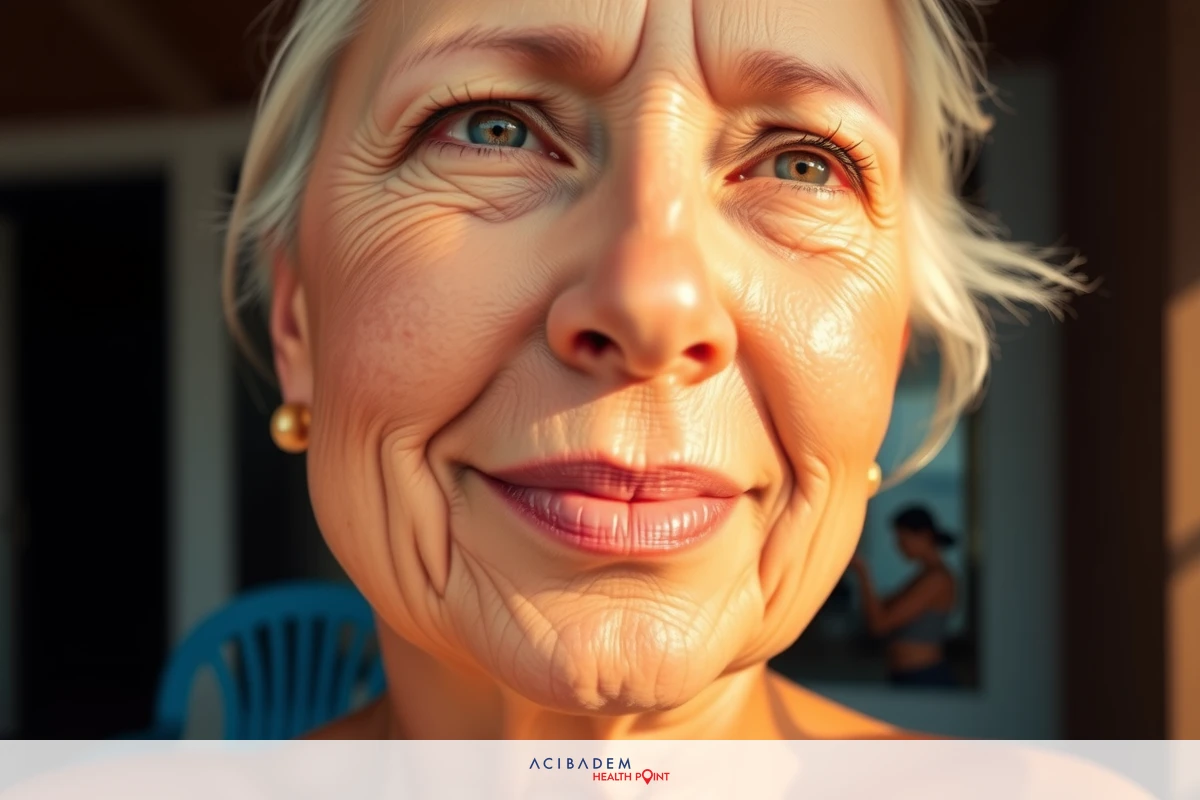
Tanning beds expose your skin to intense UV light. This exposure can cause several changes in the skin. Firstly it accelerates aging. Wrinkles and fine lines appear sooner than expected.
Your skin might also become dry and leathery over time. The constant UV exposure breaks down collagen making the skin less elastic. This change leads to sagging and a rough texture.
Another serious risk is sunburn from tanning beds. Even short sessions can result in red painful burns on the skin. These burns are not just uncomfortable; they can cause long-term damage as well.
The most concerning effect is the increased risk of skin cancer from using tanning beds regularly. UV rays penetrate deep into your skin’s layers damaging DNA cells which could lead to cancerous growths later on in life.
Lastly frequent use of tanning beds may cause spots or patches on your face and body due to uneven pigmentation caused by repeated UV exposure. That disrupts normal melanin production processes within our bodies’ largest organ system: our precious protective barrier known as “skin.”
Are there safe ways to use tanning beds?
Using tanning beds safely is a big concern. Many wonder if it’s even possible. The risks of UV exposure are well-
known but some tips may help reduce harm.
Firstly limit your time in the tanning bed. Shorter sessions mean less UV exposure for your skin. Aim for no more than 10 minutes per session to minimize health risks.
Use protective eyewear during every visit. Your eyes are very sensitive to UV light and can be damaged easily without protection. Always wear goggles designed specifically for this purpose.
It’s also wise not to tan too often. Give your skin time to recover between sessions by waiting at least 48 hours before going again. This reduces the chance of burns and other damage from prolonged exposure.
Finally keep an eye on your skin’s health regularly after using tanning beds frequently or infrequently.
Any changes should prompt immediate consultation with a healthcare professional who specializes in dermatology. Early detection could potentially save lives when dealing with serious conditions such as melanoma or other forms.
What is the link between tanning beds and skin cancer?
The connection between tanning beds and skin cancer is strong. Tanning beds emit UV radiation similar to the sun but more intense. This UV exposure damages your skin cells over time.
When you use tanning beds often your risk for skin cancer increases. The damage from UV rays can lead to changes in your DNA. These changes may result in abnormal cell growth which can turn into cancer.
Basal cell carcinoma and squamous cell carcinoma are common types linked to UV exposure. However melanoma is the most dangerous form of skin cancer associated with tanning bed use. Melanoma spreads quickly if not caught early.
People who start using tanning beds at a young age face even higher risks. Their prolonged exposure accumulates more damage over years increasing their chances of developing skin cancer later on.
In short using tanning beds regularly exposes you to significant health risks including various forms of cancers.
Alternatives to Tanning Beds
Looking for a tan without the risks? There are many ways to get that sun-kissed look without using tanning beds. These methods keep you safe from UV exposure and skin cancer.
One popular option is self-tanning lotions. These products can give your skin a natural-looking tan. They come in various shades so you can choose what works best for you. Just apply evenly and let it dry.
Spray tans are another great choice. Many salons offer this service where they spray a fine mist onto your skin. The results are quick and last about a week giving you that glow without any UV light involved.
You might also try bronzing powders or creams for an instant tan effect. These are perfect for special events when you need a temporary boost of color on certain areas like your face or shoulders with ease.
For those who love DIY solutions at home: consider mixing cocoa powder into lotion as an all-natural alternative. This simple trick provides subtle yet effective results while keeping harmful chemicals away entirely—plus it smells delicious too.
In summary: there’s no shortage of safe alternatives available today which allow everyone to achieve beautiful tans minus health risks.
Frequently Asked Questions
Are tanning beds safer than sunbathing?
No tanning beds are not safer. They expose you to concentrated UV radiation which increases the risk of skin cancer and other health issues.
How often can I use a tanning bed without harm?
There is no safe frequency for using tanning beds. Even occasional use can increase your risk of skin damage and cancer.
Can I protect my skin with sunscreen in a tanning bed?
Sunscreen may reduce some UV exposure but does not make indoor tanning safe. It’s better to avoid tanning beds altogether.
