Biopsy Procedures For Stomach Cancer
Biopsy Procedures For Stomach Cancer Stomach cancer requires careful diagnosis to confirm its presence and plan treatment. Doctors often recommend a biopsy which involves taking tissue samples from the stomach lining. The process is usually quick with different methods depending on each case. After a biopsy patients may experience mild discomfort but can generally return to normal activities soon. It’s important to follow doctor’s instructions for recovery and understand what comes next.Biopsies are key in identifying cancer cells within the stomach and guiding oncologists toward effective care plans. Patients might feel anxious about undergoing any medical procedure; it is perfectly normal. Knowing what happens during a biopsy can ease concerns and prepare individuals for what lies ahead. Support from healthcare teams ensures that questions are answered and comfort is provided throughout the journey.
Once tissue samples are collected through a biopsy pathologists examine them closely in labs to detect abnormalities or confirm diagnoses of stomach cancer. Results take some time to come back so patience is necessary during this waiting period. When results arrive doctors discuss findings with patients openly and outline possible steps forward based on outcomes observed in lab tests.
Types of Biopsy Procedures
When doctors suspect stomach cancer they often use a biopsy as the first step in diagnosis. The most common type is an endoscopic biopsy where a flexible tube with a camera goes down the throat. This allows doctors to see inside your stomach and take small tissue samples. It’s one of the least invasive procedures and can be done quickly. Patients are usually awake but sedated to stay comfortable.
Another method is called needle biopsy sometimes used when tumors are detected outside the stomach lining. A thin needle passes through the skin into the tumor under imaging guidance like ultrasound or CT scans. This procedure helps obtain tissue without significant surgery and has a quick recovery time too. Local anesthesia is applied to reduce any discomfort during needle insertion.
Surgical biopsies may be necessary if other methods don’t provide enough information for diagnosis or if there’s suspicion that cancer has spread beyond the stomach lining. This involves more traditional surgery techniques which require general anesthesia, reflecting its more invasive nature compared to other forms of biopsies. However, it allows for larger sample collection from different areas which might be affected by cancer cells.
Doctors choose which biopsy procedure based on factors such as tumor location, size, patient health status and previous medical history. While endoscopic biopsies are common for initial investigations into suspected cases of stomach cancer. Each case demands individual assessment to ensure accuracy in sampling tissues necessary for confirming presence or absence of disease within patients’ bodies.
Preparing for a Biopsy
Before a biopsy for stomach cancer your doctor will give you specific instructions to ensure the procedure is successful. Often, fasting is required, which means not eating or drinking anything for several hours beforehand. This reduces the risk of complications during the procedure and helps get clear results from samples taken. It’s essential to follow these directions about when to stop eating and drinking exactly.
In addition to dietary restrictions medication adjustments may be necessary before undergoing a biopsy. Some drugs can affect blood clotting or interact with anesthesia used during the procedure. Your healthcare provider will review your current medications and might ask you to stop taking certain ones temporarily;
always check with them first before making any changes on your own.
Consulting with your healthcare provider is vital in preparing for a biopsy as they understand your unique medical history. They’ll discuss potential risks associated with the procedure based on personal health factors like allergies or previous surgeries. This conversation ensures that you’re fully informed about what lies ahead so that there are no surprises on the day of your biopsy.
Additionally arranging transportation home after the biopsy could be important since some procedures involve sedatives that impair driving ability. It’s best practice even if expecting only mild sedation because everyone reacts differently to medications administered during medical tests. Safety should come first following any type of diagnostic test such as biopsies performed for diagnosing conditions like stomach cancer.
What to Expect During a Biopsy
During a stomach cancer biopsy you’ll be in a room designed for minor medical procedures. You might feel nervous but the staff will be there to make sure you’re comfortable. If an endoscopic biopsy is planned they’ll give you medicine to help relax; this might make you drowsy. Then they gently insert the endoscope through your mouth and down into your stomach.
Once the scope is in place doctors begin sampling tissue from the stomach lining. This part is quick and usually painless because of anesthesia that numbs the area. However some people might feel mild pressure or discomfort during sampling tissue. The camera on the scope helps find areas that need testing so doctors can get samples that provide clear information about your health.
Throughout the procedure medical professionals carefully monitor vital signs like heart rate and blood pressure. They do this to ensure everything goes smoothly while under sedation or anesthesia. It’s just one way they look out for your well-being during diagnosis processes such as biopsies needed for conditions including stomach cancer. After taking enough samples for testing doctors remove the scope slowly and let you rest until ready to go home.
Recovery After a Biopsy
Once the biopsy for stomach cancer is complete recovery begins. Patients are moved to a recovery area where staff keep an eye on them as anesthesia wears off. It’s common to feel groggy or tired after sedation so rest is encouraged until you wake up fully. Most people can go home the same day but driving isn’t advised; arrange for someone to take you home.
At home resting is key to a smooth recovery from the procedure. Take it easy and avoid heavy lifting or strenuous activities for a couple of days if possible. Your throat might be sore if you had an endoscopic biopsy so soft foods or liquids can be more comfortable to eat at first. Drinking plenty of fluids also helps with healing.
Monitoring symptoms post-biopsy is crucial. Look out for signs like fever, excessive stomach pain, or bleeding. These require immediate attention from your healthcare provider. Mild discomfort at the biopsy site may occur but should lessen over time. Any severe or worsening symptoms need medical evaluation though.
A follow-up appointment usually happens after results come back from lab analysis of tissue samples taken during the biopsy. This is when discussion about findings and next steps in care takes place with your doctor who will explain what was discovered and answer questions that arise about your diagnosis and potential treatments moving forward.
Understanding Biopsy Results
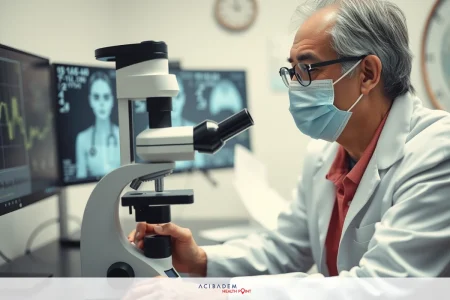
After a biopsy procedure the collected stomach tissue samples are sent to a pathology lab for analysis. A pathologist, who is an expert in examining body tissues, looks at the samples under a microscope. They check for unusual cell shapes or patterns that might indicate cancer; this thorough review process takes time but is crucial for accurate diagnosis.
The findings from this examination are compiled into what’s known as a pathology report. This document details whether cancer cells were found and, if so, their type and growth pattern. Understanding these results often requires consultation with your oncologist because they have in-depth knowledge of how such information impacts treatment decisions.
Consulting with your oncologist after receiving biopsy results is vital. They will interpret the medical data in context with your overall health situation. The oncologist explains what the presence or absence of cancer cells signifies and helps you understand how it affects you personally. There’s no one-size-fits-all answer when it comes to diagnosing conditions like stomach cancer.
Frequently Asked Questions
Q: How long does a biopsy procedure for stomach cancer take? A: Most biopsy procedures are relatively quick often taking 5 minutes to 20 minutes. The exact time can vary based on the type of biopsy and individual circumstances.
Q: Will I feel pain during the stomach cancer diagnosis biopsy? A: Pain is typically managed with local anesthesia or sedatives. You may feel pressure or discomfort but severe pain is uncommon.
Q: What should I expect during recovery after a biopsy? A: After the procedure you might experience soreness or slight discomfort at the site of the biopsy. Resting and following your doctor’s instructions will help in recovery which usually takes a few days.
The answers provided here are for informational purposes only and do not constitute medical advice.