
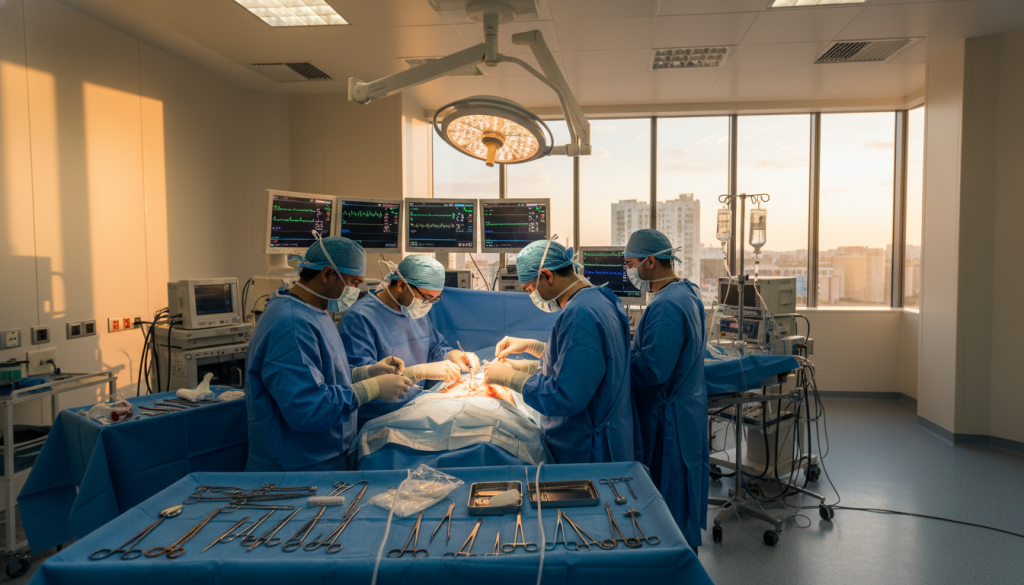
Modern medicine has entered a new era. Integrated technology and teamwork are changing how we help patients get better. Now, thanks to advanced tools and care, survival rates are higher than ever before.
Every patient gets a treatment plan made just for them. This is thanks to data-driven care. It makes sure each patient gets the best care possible.
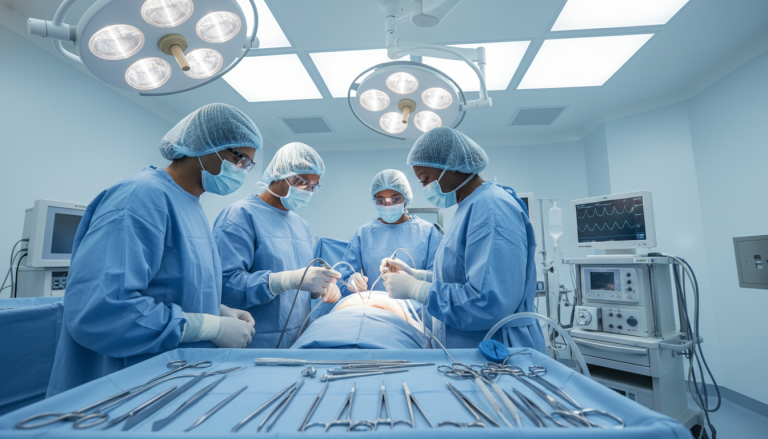
Our team works together like a well-oiled machine. Multidisciplinary teams use real-time data to watch over patients during big surgeries, like a liver transplant. This way, we can make sure everything goes smoothly.
We focus on keeping patients healthy for the long term. Our goal is to make sure everyone gets the best care. This strategic approach helps us stay at the top of healthcare for years to come.
Key Takeaways
- Advanced medical technology significantly improves survival rates for complex procedures.
- Multidisciplinary teams provide complete care through integrated data analysis.
- Personalized treatment plans are key for lasting patient health.
- Our dedication to innovation ensures top-notch care for patients from around the world.
- Teamwork is the foundation of successful medical care today.
The Evolution of Transplantation Medicine in the United States
In the last few decades, organ transplantation in America has changed a lot. It moved from being experimental to being a precise medical field. This change shows a strong focus on keeping patients safe and always improving technology.
Big medical centers in the U.S. have been key to this progress. They spent a lot on research and building to make these risky procedures safe and effective. These places have worked together to create standards that are now the top in healthcare worldwide.
The move to standard care is based on strict rules and proven methods. Today’s top healthcare in America depends on careful checks and evidence-based practices. This regulatory framework helps bring in new ideas while keeping an eye on patient recovery over time.
The table below shows the main steps in the growth of transplantation medicine in the U.S.:
| Development Phase | Primary Focus | Outcome |
|---|---|---|
| Early Experimental | Feasibility and Basic Surgical Technique | Proof of Concept |
| Clinical Integration | Standardization of Protocols | Increased Survival Rates |
| Modern Excellence | Precision Medicine and Technology | Optimized Patient Quality of Life |
Looking ahead, the main goals are to keep improving and make care more accessible. Building on past successes, the U.S. healthcare system keeps getting better at complex treatments. This commitment means patients get the best care in a safe and well-regulated setting.
Defining the Role of Multidisciplinary Teams in Complex Care
Top-notch transplant care comes from teams working together. These teams bring together experts from different fields. This way, each patient gets a comprehensive strategy made just for them.
Our teams include hematologists, surgeons, and immunologists working together. This collaborative synergy is key for taking care of transplant patients. By sharing data, we lower risks and make our treatments more precise.
We also focus on the mental health of our patients. We know a nurturing environment is as important as the medical care. This approach helps patients stay strong and healthy in the long run.
| Specialty | Primary Responsibility | Contribution to Recovery |
|---|---|---|
| Hematology | Blood health monitoring | Ensures stable cellular function |
| Surgery | Procedural execution | Provides technical precision |
| Immunology | Immune system regulation | Prevents graft rejection |
| Psychology | Mental health support | Promotes emotional stability |
We’re all about integrated care. We make sure every part of the patient’s journey is covered. Our focus on clear communication helps us create lasting healthcare solutions. This is what makes us successful in complex medical settings.
Technological Breakthroughs in Liver Transplant and Hematological Procedures
New technologies are changing how we do liver transplants and other complex surgeries. Our teams use the latest digital tools to work with great precision. This means each patient gets care that fits their exact needs.
The use of data-driven protocols has cut down on complications after surgery. Surgeons use real-time data to make decisions that help blood flow and tissue health. This is key to our goal of top-notch healthcare.
Now, we have tools for surgeries that were once thought impossible. These tools help patients recover faster and with less pain. We focus on these technologies to help our patients feel better and more confident.
We’re committed to creating lasting medical solutions. By using the newest equipment, we keep our standards high. This ensures that a liver transplant is a safe and effective choice for those in need.
| Technology Type | Primary Benefit | Impact on Recovery |
|---|---|---|
| Digital Imaging | Enhanced Precision | Reduced Surgical Time |
| Data Analytics | Risk Mitigation | Faster Stabilization |
| Robotic Tools | Minimally Invasive | Improved Healing |
Precision Diagnostics and Genomic Sequencing
Our clinical teams use advanced molecular profiling to predict transplant outcomes with great accuracy. This technology lets us spot patient-specific risks early. Precision diagnostics are key to our goal of top-notch, personalized care.
The use of genomic sequencing has changed how we assess pre-transplant risks. Our experts analyze genetic markers to create custom treatment plans. This approach lowers the risk of complications and boosts recovery chances.
These advances have also made donor-recipient matching more precise. We use detailed data to match donors and recipients perfectly. This shows our commitment to using cutting-edge science to save lives.
We keep investing in these diagnostic tools to improve healthcare. By focusing on the molecular foundations of disease, we aim to lead in transplantation. This way, every patient gets the best care based on the latest research.
Advanced Imaging Modalities for Pre-Transplant Evaluation
Advanced imaging starts the journey to precise surgery. High-resolution scans help our teams see complex body parts clearly. This detail is key to spotting issues before surgery.
Using these tools is a big part of keeping patients safe. Surgeons can see blood paths and organ health. This helps lower risks during surgery. It means every transplant evaluation is top-notch.

Today’s imaging lets us tailor plans for each patient. We use these tools to check if the donor and recipient are a good match. We plan surgeries with absolute confidence. Here’s a list of the main imaging technologies we use.
| Imaging Modality | Primary Clinical Use | Benefit to Transplant Evaluation |
|---|---|---|
| CT Angiography | Vascular Mapping | High precision for blood flow analysis |
| MRI/MRA | Soft Tissue Assessment | Detailed view without radiation exposure |
| 3D Ultrasound | Real-time Monitoring | Dynamic assessment of organ function |
These advanced tools are more than just for checking things out. They are key to success in surgery. By using them, we make sure every transplant evaluation is based on solid data and clear images. This commitment to new technology leads to better results for our patients.
The mix of advanced imaging and expert doctors is what makes us successful. We keep working to make transplant evaluations safer. Our goal is to use the latest tech to help patients get better.
Robotic-Assisted Surgery and Minimally Invasive Techniques
Advanced surgery has entered a new era with robotic platforms and minimally invasive techniques. These technologies allow our medical teams to perform complex procedures with unprecedented accuracy. High-definition imaging and robotic arms help surgeons navigate delicate areas with ease.
The main benefits of these modern methods include significantly reduced blood loss and minimized trauma to tissues. Patients often have faster recovery times and shorter hospital stays. This shows our focus on patient-centered care.
| Feature | Traditional Surgery | Robotic-Assisted Surgery |
|---|---|---|
| Incision Size | Large | Small/Micro |
| Blood Loss | Higher | Minimal |
| Recovery Time | Extended | Rapid |
We keep investing in these innovative platforms for the best care. We think continuous technological advancement is key for better outcomes. By using these tools, we stay at the forefront of advanced surgery.
Robotic assistance doesn’t replace our surgeons’ skills; it enhances them. This mix of human talent and machine precision is the future of medical excellence. We’re committed to improving these techniques for the safest care for all patients.
Innovations in Immunosuppression and Immune Recovery
Long-term success after a transplant needs careful immune system management. Medical teams focus on balancing graft protection and immune recovery. They use advanced drugs to meet each patient’s needs.
Improving medication plans is key for our teams. We aim to lessen side effects from immunosuppression drugs. This helps patients live better while their bodies accept the new organ.
Today, we focus on precision medicine to track patient responses to drugs. Adjusting doses based on data helps avoid toxicity. This is vital for immune recovery and transplant success.
| Treatment Focus | Traditional Method | Modern Innovation |
|---|---|---|
| Drug Delivery | Fixed Dosing | Precision Titration |
| Side Effect Management | Reactive Care | Proactive Monitoring |
| Graft Protection | High-Dose Suppression | Targeted Immunomodulation |
The aim of immunosuppression is to protect the graft with minimal impact on life. We use the latest research for the best care. Innovation in this area leads to better survival rates and outcomes for our patients.
Managing Kidney Failure as a Comorbidity in Transplant Patients
When patients have kidney failure and need other organ transplants, teamwork is key. Our teams work together to manage all organ systems. This way, we keep the patient stable and focus on kidney health during surgery.
We create special care plans that connect nephrology and transplant teams. This collaborative framework lets experts share important data in real-time. It’s critical for patients at high risk. This way, we catch problems early and prevent big health issues.
The table below shows how our team effort helps manage complex health issues:
| Strategy Component | Clinical Benefit | Outcome Focus |
|---|---|---|
| Integrated Nephrology | Early detection of kidney failure | Improved renal stability |
| Unified Data Systems | Seamless information flow | Reduced recovery time |
| Proactive Monitoring | Rapid intervention protocols | Enhanced patient safety |
We always care for patients as a whole, not just one part. By understanding how all organs work together, we make surgeries safer. Our goal is to give every patient the best chance for a full recovery.
The Impact of Artificial Intelligence on Donor-Recipient Matching
Machine learning has changed transplant protocols. It lets our teams make quicker, smarter choices. This means patients get the best match possible.
Old methods can’t handle all the details of matching. Our new algorithms look at huge amounts of data fast. They find things humans can’t see. This enhanced precision lowers the chance of problems after surgery.
Our main goal is to make sure every transplant works well. We use AI to guess how the body will react. This helps us adjust treatments just right for each patient. It’s all about making sure patients do well.
We think using technology is key for better healthcare. Our team keeps working on these tools. We want to make sure surgeries are safer and work better. Data is changing how we do transplants today.
| Metric | Traditional Matching | AI-Driven Matching |
|---|---|---|
| Processing Speed | Manual/Slow | Real-time |
| Data Integration | Limited | Comprehensive |
| Graft Survival Rate | Standard | Optimized |
Telemedicine and Remote Monitoring in Post-Transplant Recovery
The way we care for patients after a transplant has changed a lot. Now, we use remote monitoring to keep an eye on patients from afar. This means doctors can check on patients at home, not just in the hospital.
These new tools help doctors watch over patients’ health closely. They can see important health signs and lab results clearly. If something looks off, doctors can act fast to help.
We’re working hard to make sure all patients get the best care, no matter where they are. Our integrated digital infrastructure makes it easy for patients to get the care they need. We’re always looking for new ways to improve care and support our patients.
Addressing the Challenges of Organ Donor Availability
To meet the urgent need for transplants, we need new ideas and changes in how we work. The lack of organ donor supply is a big problem in medicine. We’re working to use every chance we get to save lives.
We’re all about ethical donation practices that respect donors and their families. Being open and honest is key to a good transplant system. We follow strict rules to keep care at the highest level.
Getting more people to sign up as organ donors is important. We help teach about donation and clear up myths. Our team also works fast to get organs to where they need to go.
We’re building a strong system for donation and transplants for the future. We’re using new tech and working together to make procedures more accessible. Our goal is to be the best and inspire kindness and progress in medicine.
Navigating the Logistics of Organ Transplant Abroad
Getting an organ transplant abroad is a big deal. It needs careful planning and expert help. Patients must know the medical and paperwork steps well. Securing your health means working with places that put your safety first.
When looking at medical centers, pick ones that follow global rules. These places should show they care about doing things right and being open. Choosing a reputable center means the team will act with high ethics.
Good planning is key for a smooth organ transplant abroad experience. Patients need a smooth move from their home to the transplant center. This means sending medical records and patient history to the team.
It’s important for doctors back home and the transplant team to talk often. Maintaining this link helps get ready for surgery and check on patients after. This teamwork ensures patients get the best care, even when traveling.
Deciding on an organ transplant abroad needs a solid plan. We suggest patients work with medical coordinators who know about international health care. They help with travel, recovery, and follow-up, making the journey safer.
Specialist Care Coordination for High-Risk Patients
For those with complex medical issues, our team offers a focused specialist care approach. We know high-risk patients need extra care before and after surgery. We assign a primary coordinator to each case to track every detail for the best results.
This method helps our teams spot problems early. Every patient’s journey is different. Our coordinators connect different departments, making sure no health detail is missed during recovery.
We put our patients’ safety first, following a caregiver model. Through careful planning and proactive monitoring, we offer top-notch specialist care. This is key for patients with many health issues or complex immune systems.
| Coordination Feature | Patient Benefit | Outcome Impact |
|---|---|---|
| Dedicated Case Manager | Single point of contact | Reduced administrative stress |
| Real-time Data Tracking | Early complication detection | Improved survival rates |
| Multidisciplinary Review | Comprehensive clinical oversight | Optimized recovery pathways |
We use advanced coordination to keep patient safety high. Our goal is to create sustainable healthcare solutions for our patients. We aim to give compassionate, high-quality support to help patients achieve long-term health success.
Data-Driven Approaches to Reducing Graft Rejection
Our institution uses advanced data models to protect transplant recipients. We turn raw data into insights that keep organs healthy. This proactive strategy helps our teams spot problems early.
We analyze patient data over time to catch early warning signs of graft rejection. This helps keep the transplanted organ healthy.
When we find a risk, our teams adjust treatments with surgical precision. We customize immunosuppressive therapy to reduce side effects and protect the organ. This focus on evidence-based medicine keeps us leading in transplant care.
Our use of data shows our commitment to clinical excellence. We mix human skill with technology to give top care. This approach boosts survival rates and improves life quality for our patients.
Ethical Considerations in Modern Transplantation Technology
We balance fast tech progress with human rights at our core. We use advanced tools and robots in care, but always with a rigorous ethical framework. This way, we make sure innovation doesn’t harm patient care.
We aim to make life-saving treatments available to all. We want to make sure new tech helps everyone, not just some. By focusing on inclusivity, we try to reach those who need it most.

Getting clear consent is key for us. With new tech like genomics and AI, we make sure patients know what’s happening. Our teams give transparent communication, helping patients make choices about their health.
Being open is how we build trust with patients and the wider health world. We follow strict rules and act with integrity. This way, we stay a trustworthy leader in transplant tech, always respecting patient choices.
The Future of Collaborative Care in Improving Patient Survival
Medical progress depends on teamwork and new digital tools. Places like the Mayo Clinic and Cleveland Clinic show how teamwork leads to better care. They make complex surgeries safer and more effective.
We aim to provide top-notch healthcare by combining advanced tech and skilled doctors. We’re dedicated to creating a green, lasting healthcare system. This way, future patients will get the best care possible.
We’re making patients live longer by improving our use of data and surgery skills. Join us in our research and clinical programs. Your support helps us make medicine better and save more lives every day.
FAQ
Q: How does the integration of multidisciplinary teams improve leukemia transplant outcomes?
A: Multidisciplinary teams bring together experts in hematology, oncology, and surgery. They work together in high-tech environments. This approach boosts survival rates and creates a supportive care environment for complex leukemia cases.
Q: What can a patient expect during a formal transplant evaluation?
A: The evaluation uses advanced imaging and diagnostics like genomic sequencing. These tools help our teams map structures and find genetic markers. This ensures safety and the best match before the procedure starts.
Q: How have technological breakthroughs specificially enhanced liver transplant procedures?
A: New surgical tools and data systems have changed liver transplants. They improve precision, lower risks, and focus on patient health. This creates a high-quality healthcare environment.
Q: What are the benefits of robotic-assisted surgery in transplantation?
A: Robotic surgery offers better control and vision. Patients see less blood loss, less pain, and faster recovery. This is better than traditional surgery.
Q: How is immunosuppression managed to facilitate long-term immune recovery?
A: We use the latest medicines to prevent rejection and reduce side effects. Our team adjusts treatments to help the immune system recover. This keeps patients healthy as they go back to their lives.
Q: How does the institution manage patients suffering from kidney failure as a comorbidity?
A: We team up nephrology and transplant departments for kidney failure care. We monitor closely and use special care plans. This keeps kidneys stable and manages other conditions well.
Q: In what way is artificial intelligence used in the organ donor matching process?
A: AI makes matching donors and recipients more efficient. It analyzes big data to find the best matches. This reduces rejection risks and improves transplant success.
Q: What services are available for international patients seeking an organ transplant abroad?
A: We help international patients with transplant care abroad. We handle logistics and follow American healthcare standards. Patients get top-notch care, including telemedicine for monitoring.
Q: How does a data-driven approach help in reducing graft rejection?
A: Our teams use data and analytics to predict rejection. This lets us adjust treatments early. It shows our commitment to protecting and caring for transplant recipients.
Q: What is the institution’s mission regarding the future of transplantation medicine?
A: Our mission is to provide top healthcare through teamwork and technology. We aim to create sustainable healthcare for future patients. Our dedication to excellence continues to grow.