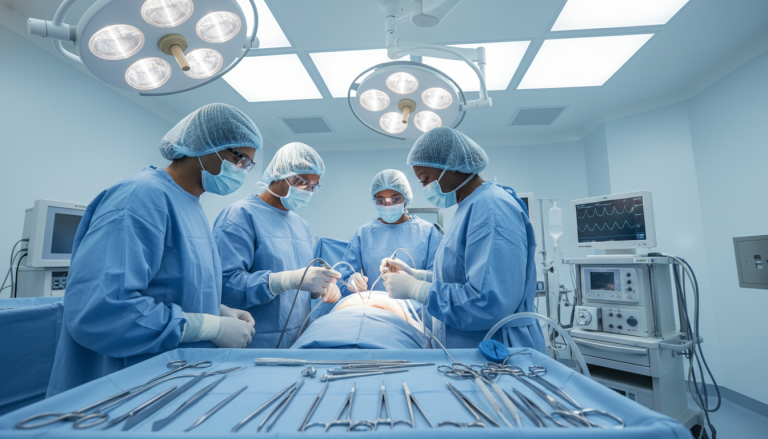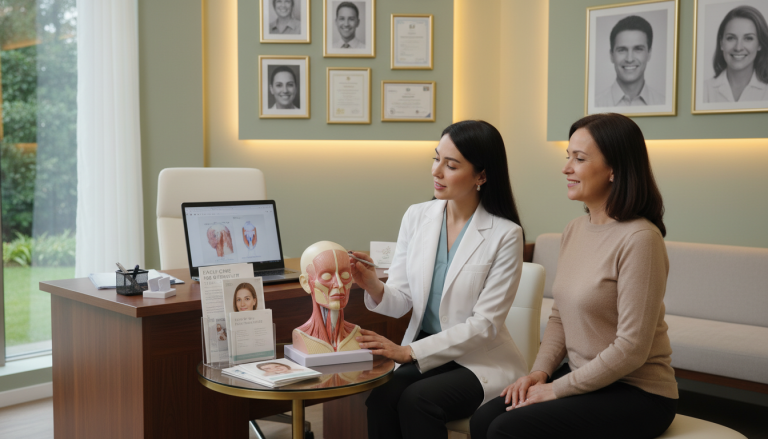

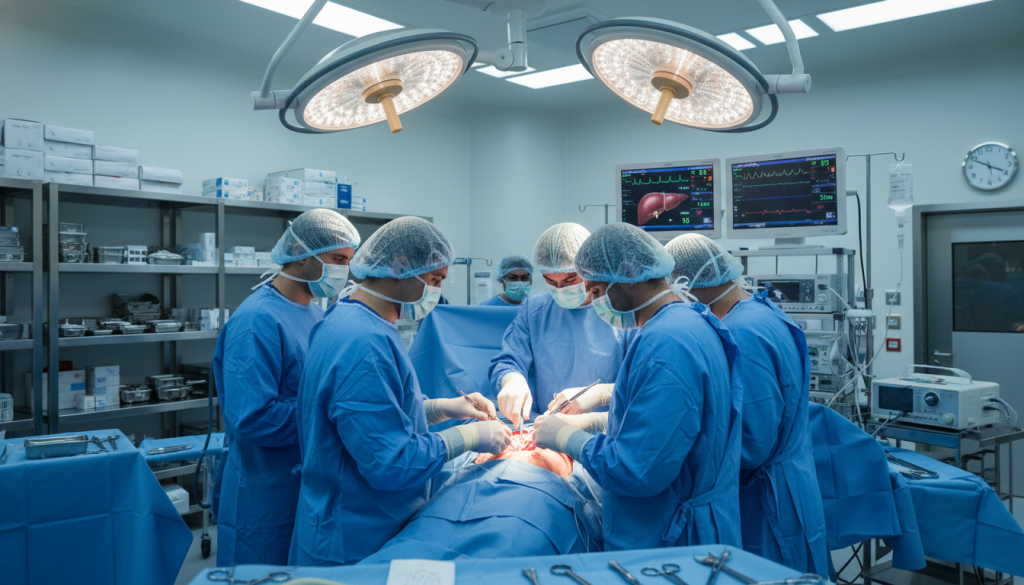
Getting better after a liver transplant needs a lot of effort and good medical care. Our place puts a big focus on starting treatment early. This way, every patient gets the best care right when they need it most.
By using advanced treatment planning, we make sure the transplant works well. Our team keeps a close eye on how you’re doing. They can fix any problems early, before they get worse.
We think special care plans are key to better health. With new tech and expert doctors, we help you recover well from a liver transplant. Our aim is to give top-notch care that helps you stay healthy for a long time.
Key Takeaways
- Early medical intervention is vital for long-term graft success.
- Advanced treatment planning reduces the risk of post-operative complications.
- Institutional commitment to safety ensures a higher quality of patient care.
- Specialized recovery pathways are tailored to individual health needs.
- Innovative technology plays a key role in monitoring patient progress.
The Critical Nature of Early Intervention in Post-Transplant Care
Speed is key in transplant recovery. Quick action is as important as the surgery itself. Early care helps ensure long-term health after surgery.
Our teams quickly check how the body reacts to the new organ. This is vital. Early detection helps avoid big problems. Timely action lets us adjust treatment plans fast, helping the body accept the transplant.
Being watchful reduces the chance of organ rejection. This makes the recovery path smoother. We use constant data to predict and prevent problems. This approach gives patients peace of mind, knowing their health is in good hands.
Our goal is to smoothly move patients from surgery to long-term health. We monitor closely and offer dedicated support. Our strategies aim to safeguard the patient’s future and ensure lasting health.
Understanding the Complexity of a Liver Transplant
Dealing with a liver transplant is complex. It needs a team effort from many doctors. This surgery changes the body in many ways. Our team watches these changes closely to help the patient recover well.
We use the latest tools to check on the patient at every step. Doctors from different fields work together. This teamwork helps keep the liver healthy and the patient safe.
Identifying High-Risk Factors Early
Success with a liver transplant depends on spotting problems early. Our team checks for risks right away. This helps us act fast to protect the patient.
Looking for problems early helps patients do better. Our focus on quick diagnosis is key. We aim to make sure every patient gets the best care for a long time.
The Role of Advanced Treatment Planning in Surgical Success
We focus on precision by using advanced treatment planning. We mix the latest surgical methods with careful clinical checks. This creates a strong base for long-term patient success.
Our method makes sure every healing step is backed by solid evidence. It’s designed to be very effective.
Utilizing Data-Driven Recovery Metrics
We use real-time analytics to track patient progress very accurately. These metrics help our teams tweak each recovery treatment plan. They make sure it fits the patient’s unique needs.
By looking at physiological data, we can spot and fix problems early. This keeps the patient safe and healthy.
This data-driven approach changes how we care for patients. It moves away from one-size-fits-all plans to tailored strategies. Our surgeons use this info to make each treatment better.
This focus on precision is key to our high standards in transplant medicine. It shows our dedication to patient health.
We think a custom recovery treatment plan is the best way to help patients heal. By watching and adjusting based on evidence, we offer our patients the best support all the way through their care.
Navigating the Immediate Post-Operative Phase at a Specialized Transplant Hospital
Our dedication to excellence starts right after surgery. We focus on the recovery phase in a transplant hospital. Here, every resource is for transplant patients. This time is critical for a good recovery and graft success.
Staff Expertise and Specialized Nursing Care
Our nurses are experts in post-surgery care. They use advanced monitoring techniques to catch small changes in patients. This constant watch ensures top care for each patient.
This care offers continuous, high-level support right after surgery. Choosing a transplant hospital means getting a safe, precise environment. We aim to manage recovery with skill and care.
Our transplant hospital combines specialized nursing and tech. We know the importance of this journey. We work to give peace of mind and smooth recovery paths.
Managing Immunosuppression and Preventing Organ Rejection
Keeping the immune system in check is key to avoiding organ rejection. Doctors work hard to make sure the body sees the new organ as its own. This careful balance is vital for the organ’s long-term health.
Our clinical pharmacists are very important in this effort. They help each patient understand their medication. This teamwork creates a safe and compliant environment for recovery.
The Importance of Medication Adherence
Transplant patients must stick to their medication schedule closely. Any changes can harm the new organ. Consistency is the key to avoiding problems and keeping the transplant working well.
We stress the importance of patients being careful with their immunosuppression meds. Following the advice of our medical team helps reduce risks. This proactive approach helps patients feel in charge of their healing.
Addressing Comorbidities Like Kidney Failure During Recovery
Dealing with comorbidities is key to our success in transplant care. Many patients have complex health issues that need a detailed plan during recovery. By tackling these conditions early, we significantly improve the overall health outcomes for our patients.
Managing kidney failure is a critical part of our care. Our team works closely with transplant surgeons and nephrology specialists. This teamwork helps keep kidney function stable during recovery.
Proactive medical management is at the heart of our approach. We know that kidney failure needs a special treatment plan. This plan balances the need for immunosuppressive therapy with kidney support. With our expertise, we ensure our patients get the highest standard of safety and care on their path to wellness.
Integrating Hematology Oncology for Patients with Underlying Blood Cancer Treatment Needs
Adding hematology oncology to a transplant plan is key for those with complex health issues. For patients needing blood cancer treatment and a transplant, a single plan is vital for recovery.
Our place offers a seamless collaborative environment. Here, oncologists and transplant surgeons work together. This teamwork helps our teams handle complex health needs with skill and knowledge.
This team approach means patients get care for both their transplant and cancer at the same time. By coordinating these treatments, we reduce risks and improve long-term health.
We aim for the best care for every patient. We focus on innovative solutions for those with blood cancer treatment needs. With hematology oncology, we create a strong plan for lasting health and recovery.
The Benefits of Living Donor Surgery and Early Recovery Protocols
Choosing a living donor surgery path has big benefits for both the donor and the recipient. It lets medical teams pick the best time for the surgery. This means both people are in top shape.
This approach often leads to better graft quality and outcomes for the patient. It’s a proactive way to help everyone.
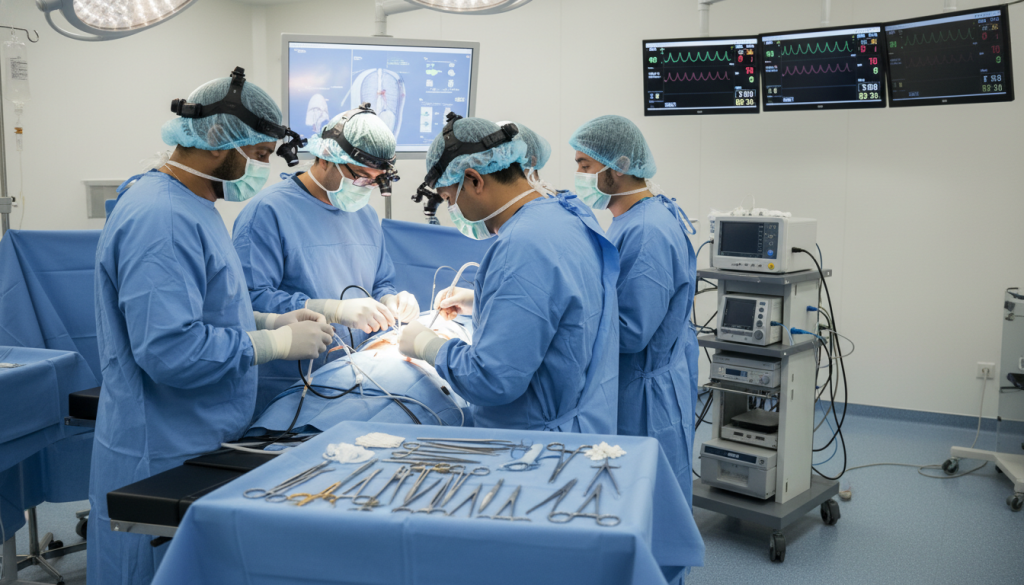
We use early recovery protocols to help everyone get better faster. These methods are less invasive. This cuts down on pain and shortens hospital stays.
We focus on getting patients moving quickly. This helps them regain strength and independence fast.
Our commitment to innovation and excellence shines through these protocols. By adding living donor surgery to our transplant services, we offer a lasting solution. Our team is always working to improve these methods for better patient care.
Advanced Surgery Techniques and Their Impact on Long-Term Outcomes
The world of surgery has changed a lot. Now, we use advanced surgery for complex transplants. This has made recovery times much better for our patients. It lets our teams tackle tough problems with more precision than before.
Our surgeons use top-notch robotic tools for their work. These tools help them see and move with more detail. Precision imaging also helps by giving them real-time data to guide their actions.
Using advanced surgery is key to our goal of top-notch healthcare. It makes surgeries shorter and safer. This means patients can get back to health faster. We keep working on new tech to help our patients even more.
| Feature | Traditional Surgery | Advanced Surgery |
|---|---|---|
| Precision | Manual Control | Robotic-Assisted |
| Recovery Time | Extended | Accelerated |
| Imaging | Standard View | High-Definition 3D |
| Incision Size | Large | Minimally Invasive |
Personalized Recovery Treatment Plans for Sustainable Health
We focus on creating recovery treatment plans that last. Every person is different, and so is how they heal. Our doctors use special tests to make plans that fit each person’s needs.
This way, health plans are not just good, but also match what the patient wants. For those dealing with tough health issues, like liver cirrhosis, this detailed approach is key to keeping them stable.
Creating sustainable health solutions means always checking and tweaking plans. We want our patients to feel strong and ready to go back to their lives. Our recovery treatment plans give them the tools to stay healthy even after they leave the hospital.
| Feature | Standard Protocol | Personalized Plan |
|---|---|---|
| Assessment | General guidelines | Genetic and lifestyle data |
| Medication | Fixed dosage | Adjusted for metabolism |
| Follow-up | Routine intervals | Dynamic scheduling |
| Outcome | Basic stability | Optimized long-term health |
Monitoring and Diagnostic Precision in the First Ninety Days
The first ninety days after a transplant are key for success. Our teams watch closely to make sure the new organ works well. They use a detailed plan to catch any small problems early.
We use state-of-the-art imaging technology and lab tests to keep an eye on patients. High-resolution ultrasound, blood tests, and molecular diagnostics help us see clearly. This careful watching keeps patients safe and gets them the care they need.
We focus on diagnostic precision and don’t just follow standard plans. We adjust our checks based on each patient’s needs. If a problem shows up, our quick teams act fast to protect the transplant.
| Monitoring Category | Diagnostic Tool | Frequency | Primary Objective |
|---|---|---|---|
| Organ Function | Biochemical Blood Panels | Daily to Weekly | Detect metabolic shifts |
| Structural Integrity | Doppler Ultrasound | Bi-weekly | Assess blood flow patterns |
| Immune Response | T-cell Activity Assays | Monthly | Prevent rejection episodes |
| Infection Screening | Molecular PCR Testing | As Needed | Identify viral pathogens |
This plan helps our experts make smart choices. By staying very alert, we help patients recover better. Our goal is to make sure the organ lasts and the patient stays healthy.
Psychological Support and Lifestyle Adjustments for Transplant Recovery
We think true wellness after a transplant comes from being strong mentally and making healthy lifestyle choices. A good transplant recovery is more than just healing physically. It needs a full approach that cares for the mind as much as the body.

Patients often face big emotional challenges on their way to health. Our special support helps them deal with these, building inner strength and mental health. We make sure every patient is ready for an active life.
Changing your lifestyle is key to lasting health. Staying consistent with things like eating right and exercising is vital for a smooth transplant recovery. These habits help patients stay on track with their health goals, with support from us.
| Support Category | Primary Benefit | Implementation |
|---|---|---|
| Mental Health | Emotional Resilience | Counseling Sessions |
| Lifestyle | Physical Vitality | Customized Nutrition |
| Social | Peer Connection | Support Groups |
Ensuring Long-Term Wellness Through Proactive Medical Management
Recovering fully after a big procedure needs a strong commitment to care. A good partnership between you and our team is key. This teamwork helps you stay healthy for a long time.
We keep improving our care to give you the best health solutions. Our experts use data to make recovery plans that fit your needs. This focus on quality makes us a leader in healthcare for years to come.
It’s important for you to stay in touch with your care plan. Regular check-ups help us catch and fix any problems early. If you need help, our patient advocacy team is here to support you on your path to wellness.
FAQ
Q: Why is proactive medical management emphasized during the initial stages of transplant recovery?
A: Proactive medical management is key to keeping patients safe and the transplant working well. Our teams plan treatments carefully. This helps improve patient outcomes and keeps the body stable after the transplant.
Q: How does early intervention impact the long-term success of a liver transplant?
A: Early action is critical for a successful transplant. It helps catch problems early. Our teams watch patients closely to prevent serious issues and help them recover smoothly.
Q: How does the medical staff manage the inherent complexity of a liver transplant?
A: Handling a liver transplant needs a team effort. Our staff looks for risks early and acts fast. This keeps the transplant safe and helps the patient stay on track to health.
Q: What role do data-driven metrics play in advanced treatment planning?
A: Advanced treatment plans use the latest in surgery and data analysis. This lets our surgeons tailor care to each patient. It makes sure every step of recovery is based on solid evidence and fits the patient’s needs.
Q: Why is it essential to undergo the immediate post-operative phase in a specialized transplant hospital?
A: Specialized transplant hospitals offer the best care. Our staff is trained to watch for small changes in patients closely. This support is vital in the first hours after surgery.
Q: How critical is the management of immunosuppression in preventing organ rejection?
A: Managing immunosuppression is very important for a successful transplant. We stress following medication instructions closely. Our pharmacists help patients stay on track with their treatment.
Q: How is kidney failure addressed when it occurs as a comorbidity during recovery?
A: We handle kidney failure with a team approach. Our surgeons and nephrology specialists work together. This helps protect kidney function and improves overall health.
Q: Can the facility accommodate patients requiring blood cancer treatment during their recovery?
A: Yes, we can handle patients with blood cancer needs. Our team works together to manage the transplant and cancer treatment. This ensures both are treated effectively.
Q: What are the primary benefits of opting for living donor surgery?
A: Living donor surgery has big advantages. It allows for a better timing of the surgery and can lead to better graft quality. Our early recovery plans help both the donor and the recipient recover quickly.
Q: How do advanced surgery techniques contribute to superior long-term patient outcomes?
A: New surgery techniques, like robotic-assisted surgery, help our surgeons be very precise. These technologies are key to our goal of providing top-notch healthcare that lasts.
Q: What defines the institutional approach to a personalized recovery treatment plan?
A: We create personalized recovery plans for each patient. We focus on long-term health solutions that fit the patient’s lifestyle. This ensures patients can maintain their health after leaving the hospital.
Q: Why are the first ninety days post-surgery considered a critical window for monitoring?
A: The first ninety days are very important. We use advanced tests to check how the transplant is doing. This lets us act fast if there are any problems.
Q: How does the hospital support psychological well-being and lifestyle adjustments?
A: We care about patients’ mental health too. We offer support to help them deal with emotional challenges. This helps them stay strong and healthy after surgery.
Q: How is long-term wellness ensured through proactive medical management?
A: We focus on long-term wellness through ongoing care. We work closely with patients to keep improving our care. This makes us a trusted leader in global medicine.