


Learning your child has a medical condition can be scary. But, you’re not alone. Vesicoureteral Reflux is a common issue in kids. It’s when urine flows back from the bladder to the kidneys.
This news might worry you, but it’s treatable. Our main goal is to help you understand what it means for your family.
At Acıbadem Healthcare Group, we’re here to help your family. We’ll guide you through every step of diagnosis and treatment. Knowing about Vesicoureteral Reflux is key to your child’s health and happiness.
Key Takeaways
- This condition involves urine flowing backward from the bladder to the kidneys.
- It is a frequently diagnosed issue in pediatric medicine.
- Early detection and expert care are essential for protecting kidney function.
- Most children can lead healthy lives with appropriate medical management.
- Our team provides complete support throughout the treatment process.
Understanding Vesicoureteral Reflux
Vesicoureteral Reflux is when urine doesn’t flow right, affecting kidney health. This urological condition happens when the valve between the ureter and bladder doesn’t close right. Normally, this valve lets urine go from the kidneys to the bladder.
But when it fails, urine can go back up to the kidneys. This is called reflux. It’s bad because urine carries waste, and going back up can harm kidney tissues.
Learning about a urological condition can be scary for parents. But knowing about it helps you feel ready for doctor visits. Understanding how this valve issue works shows why acting fast is key to keep kidneys healthy.
Knowing about Vesicoureteral Reflux helps us work with your doctor. We want you to be sure about your child’s treatment. With the right info, we can handle these risks and help your child stay healthy.
Anatomy and Physiology of the Urinary Tract
To understand VUR, we need to look at the urinary system’s design. This system includes the kidneys, ureters, bladder, and urethra. They work together to filter waste and remove it from the body.
In a healthy system, the kidneys make urine. This urine then goes down the ureters into the bladder. The ureters enter the bladder wall at an angle, creating a natural one-way valve. This valve is key because it stops urine from flowing back up to the kidneys.
When this structure changes, it sets the stage for VUR. If the valve doesn’t close right, urine can flow back up the ureters. This is what defines VUR.
We share this info to help you see how the body is meant to work versus how it acts with urological condition. Knowing these basics is the first step to understanding how changes affect our health over time.
Primary and Secondary Causes of VUR
Finding the main cause of VUR is key to treating it well. We divide causes into primary and secondary groups. Each group shows us how the urinary system works and where it might face problems.
Primary VUR is present at birth. It usually happens because the ureter doesn’t attach right to the bladder. This makes the valve not close, letting urine flow back to the kidneys.
Neurogenic Bladder Impacts
Secondary VUR comes from outside pressures or bladder issues. A common cause is a neurogenic bladder. This is when nerves that tell the bladder to empty don’t work right.
This problem stops the bladder from emptying properly. It creates abnormal pressure that pushes urine back up the ureters. This is bad for the kidneys over time. Fixing the nerve issues can help reduce this pressure.
Anatomical Obstructions
Anatomical obstructions also cause secondary VUR. These blockages, like narrow passages or valve problems, make high pressure in the bladder. Urine can’t get out through the urethra, so it goes back up the ureters.
This backflow can lead to infections and damage. Early detection of these blockages is critical. We work with families to watch for these issues and protect the urinary system.
Recognizing Symptoms and Clinical Presentation
Spotting the signs of VUR early is crucial for your child’s kidney health. This condition often doesn’t show obvious symptoms. Parents may feel worried because it’s hard to tell if something is wrong.
A UTI in children can be the first sign of a problem. If your child keeps getting UTIs, it might mean they have reflux. Keep an eye out for any unusual patterns in your child’s health.

A UTI in children can cause several symptoms. Look out for high fever, belly or side pain, and pain when urinating. If your child shows these signs, get them checked by a doctor right away.
The table below shows signs that need a doctor’s check-up:
| Symptom Category | Common Clinical Sign | Clinical Significance |
|---|---|---|
| Urinary Habits | Painful urination | Potential sign of infection |
| Systemic Response | Unexplained fever | Often linked to a UTI in children |
| Physical Discomfort | Abdominal or flank pain | May indicate kidney involvement |
| Behavioral Changes | Increased urgency | Frequent need to void |
Early detection is our best tool for managing this condition effectively. By staying vigilant and documenting these symptoms, you provide our medical team with the information needed to offer the best possible care for your child.
Diagnostic Procedures and Imaging Techniques
Getting an accurate diagnosis is key for good pediatric urological care. We use special imaging tools to see the urinary tract and find out what’s wrong. This helps us make a tailored treatment plan just for your child.
The voiding cystourethrogram is a common tool we use. It lets us watch the bladder and ureters while your child urinates. This shows us if urine is flowing the right way.
DMSA Scans for Kidney Health
We also check the kidneys’ health with DMSA scans. These scans are the best way to find kidney scarring. They help us see if past infections have harmed the kidneys.
We do these tests carefully to make sure your child is comfortable. We know medical tests can be hard for families. So, we create a gentle and supportive environment. With these advanced tools, we make sure every decision about your child’s kidney health is based on the best information.
Grading the Severity of Reflux
When we diagnose Vesicoureteral Reflux, we use a specific grading system. This scale helps us understand how much urine flows back. It also tells us the best way to help your child’s health.
We use a voiding cystourethrogram to see how urine moves. This test gives us clear images of the urinary tract. It’s a key part of our diagnosis, helping us grade the reflux from I to V.
Grade I is the mildest, with urine flowing into the ureter but no big changes. As we move up the scale, the findings get more serious. By Grade V, we see a lot of urine backflow, causing big changes in the ureter and kidney.
Knowing these grades is key to our care plan. We explain them to families so they understand their child’s diagnosis. Clear communication helps us decide on the right treatment and track progress.
The Link Between VUR and Urinary Tract Infections
There’s a clear link between VUR and UTI in children. Normally, urine flows from the kidneys to the bladder. But with VUR, urine can flow backward, posing a health risk.
This backward flow is a big problem because it can lead to recurring infections. Stagnant urine in the ureters or kidneys is perfect for bacteria to grow. This makes infections more likely to happen and stick around.
When urine flows backward, bacteria from the bladder can reach the kidneys. This can cause serious infections that need quick medical care. We focus a lot on stopping these infections in VUR patients.
By stopping the reflux, we lower the chance of future problems. We also protect the urinary tract’s sensitive areas. Keeping an eye on things helps avoid lasting damage from UTI in children.
The table below shows how normal flow differs from VUR’s risks.
| Feature | Normal Urinary Flow | VUR-Affected Flow |
|---|---|---|
| Direction | Kidney to Bladder | Bladder to Kidney |
| Bacterial Risk | Low (Flushed out) | High (Stagnant urine) |
| Infection Potentia | Minimal | Significant |
| Clinical Focus | Routine Health | Active Prevention |
We aim to give your child the tools and knowledge for health. With regular care and early action, we can handle VUR well. We’re here to support your family every step of the way.
Long-term Risks and Renal Scarring
When urine flows backward into the kidneys, it can cause lasting damage known as renal scarring. This happens when the delicate tissues of the kidney get injured by repeated infections or high pressure. Over time, these small damages can add up, affecting kidney health.
We make keeping the kidneys working well our main goal. If we don’t manage it, the damage can lead to kidneys not filtering waste as well. Our team works hard to catch problems early and keep an eye on them to stop permanent damage.
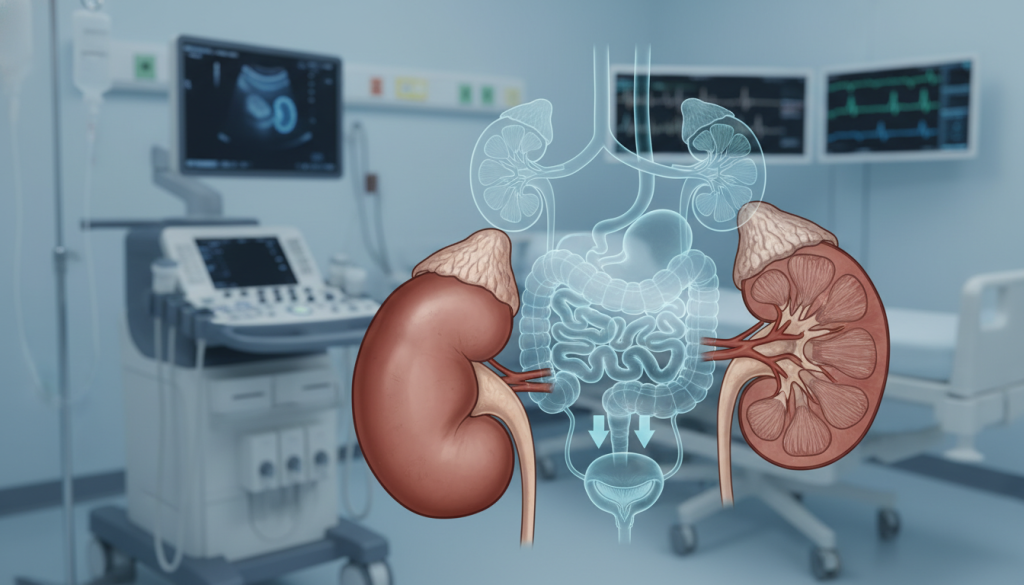
It’s key to take care of kidneys early and keep them healthy. By finding out how bad the reflux is early, we can protect the kidneys from more harm. Here’s a table showing the difference between healthy kidney tissue and scarring.
| Feature | Healthy Kidney Tissue | Renal Scarring |
|---|---|---|
| Tissue Texture | Smooth and uniform | Irregular and fibrous |
| Filtration Ability | Optimal efficiency | Reduced capacity |
| Clinical Impact | Normal function | Potential long-term risk |
| Management Goal | Maintenance | Prevention of progression |
We focus on keeping kidneys healthy by watching them closely and acting fast. We work with families to make sure every child gets the help they need to avoid renal scarring. By being careful, we help our patients have a better future.
Conservative Management and Monitoring
Our team uses non-surgical methods to help your child’s urinary system heal naturally. Many cases of low-grade vesicoureteral reflux (VUR) get better with conservative management. This includes watching closely and sometimes using low-dose antibiotics.
This method helps protect the kidneys from renal scarring. It also gives the body time to grow out of the condition.
Importance of Regular Follow-up
Regular follow-ups are key in your child’s care plan. They let us track how the reflux is doing over time. We work closely with families to make sure every appointment is kept.
This careful monitoring is our best way to prevent renal scarring.
We work together with you to support your child throughout the process. We only suggest surgery when it’s really needed for your child’s health. This careful approach helps avoid unnecessary surgeries. It also makes sure renal scarring is prevented through careful, attentive care.
Surgical Interventions and Minimally Invasive Options
When other methods fail, surgery is often the next step. We offer urology treatment that gets to the root of the problem. Our aim is to fix the valve and do it gently for your child.
Minimally invasive endoscopic procedures are our go-to. These methods let our surgeons fix the issue without big cuts. This way, your child faces less pain and recovers faster.
Recovery and Success Rates
We value honesty and trust. We talk openly about recovery times and success rates with families. This helps you feel ready for the urology treatment ahead.
Our surgical team is committed to the best results for your child. We focus on safety and your child’s emotional health. Your peace of mind is our priority as we work towards a healthy future.
Pediatric Urology Care at Acıbadem Healthcare Group
At Acıbadem Healthcare Group, we focus on the special needs of kids with urological issues. Our pediatric urology team is made up of dedicated experts. They are skilled in the care needed for young patients.
We believe every child needs a treatment plan made just for them. This plan takes into account their unique anatomy and health history.
We use world-class medical technology in a child-friendly setting. This ensures a great experience for your family. Our team works together to meet both physical and emotional needs of our patients.
We know hospital visits can be tough. That’s why we aim to make our space safe and supportive for kids.
Choosing the right pediatric urology team is a big decision for your child’s health. We’re proud to be a trusted partner, guiding you with expert advice. We offer advanced surgical or conservative options. Our goal is to give your child the care they need to live a healthy, active life.
Supporting Your Child Through Treatment
Getting news about your child’s health is tough. Dealing with pediatric urology can seem overwhelming. But, you don’t have to face it alone. Our team is here to offer the help and advice you need.
Talking to a child about their health needs to be done carefully. We help families find the right words. This way, treatment can feel less scary for your child.
Our pediatric urology experts think a positive attitude is key. We encourage you to ask questions and stay informed. This helps everyone feel more at ease.
We’ve put together some tips to help you support your child during treatment.
| Strategy | Goal | Benefit |
|---|---|---|
| Open Communication | Explain pediatric urology terms simply | Reduces fear of the unknown |
| Routine Maintenance | Keep daily habits consistent | Provides a sense of security |
| Active Participation | Involve child in small choices | Builds confidence and autonomy |
| Emotional Validation | Acknowledge feelings of worry | Strengthens the parent-child bond |
Conclusion
Getting a diagnosis of Vesicoureteral Reflux means taking action and knowing what your child needs. This condition is very manageable with the right care.
Spotting it early is key to keeping your child’s kidneys healthy. Regular check-ups help doctors keep up with your child’s health and make changes as needed.
Good urology treatment is essential for your child’s health. At Acıbadem Healthcare Group, we create plans that focus on your child’s comfort and safety.
If you have concerns about your child’s urinary health, reach out to us. A custom urology treatment plan can give your family peace of mind.
Your child’s health is our top priority. We’re committed to helping your child have a healthy future with the right support and guidance.
FAQ
Q: What exactly is Vesicoureteral Reflux (VUR)?
A: Vesicoureteral Reflux, or VUR, is when urine flows backward from the bladder to the kidneys. Normally, a valve stops this from happening. But if it doesn’t work right, urine can go the wrong way. This can lead to infections and damage to the kidneys.
Q: Why is a UTI in children often the first sign of VUR?
A: VUR usually doesn’t cause pain or symptoms. But a UTI in kids can be the first sign. This is because the backward urine flow can carry bacteria to the kidneys. This leads to infections that doctors need to treat.
Q: How do you determine the severity of the reflux?
A: We use a scale from I to V to measure how bad VUR is. Grade I is the least severe, and Grade V is the worst. Knowing this helps us choose the best treatment for your child.
Q: What is a voiding cystourethrogram, and is it necessary?
A: A voiding cystourethrogram, or VCUG, is a special test for VUR. It shows how the bladder and ureters work while the child urinates. It’s key for finding out how bad the reflux is and planning treatment.
Q: Can VUR lead to permanent kidney damage?
A: Yes, if not treated, VUR can cause kidney damage. This happens when infections or high pressure harm the kidneys. We aim to catch it early to protect your child’s kidneys.
Q: What are the differences between primary and secondary VUR?
A: Primary VUR is usually present at birth and is about the valve not forming right. Secondary VUR is caused by blockages or high pressure. Knowing the cause helps us figure out the best treatment.
Q: What urology treatment options are available for my child?
A: Treatment varies based on how bad the VUR is. Mild cases might just need antibiotics and check-ups. For more serious cases, we might do surgery or other procedures. We always choose the safest and most effective treatment.
Q: How does Acıbadem Healthcare Group support families through this diagnosis?
A: We know getting a diagnosis can be tough. Our pediatric urology team is here to help. We offer a caring, kid-friendly place where we use the latest medical knowledge. We’re here to support you every step of the way.