


At Acıbadem Healthcare Group, we know finding out about a health issue can be scary. A Urinary Tract Infection is a common problem that affects the kidneys. But many people don’t understand it well.
We want to give you the clarity and confidence to handle your health. Learning about how this condition starts can help you recover faster.
We think knowing is key to staying healthy. Spotting the early signs of a Urinary Tract Infection means you can get help when you need it. We’re here to help with our expert advice and caring support.
Key Takeaways
- This condition is a frequent medical occurrence within the renal system.
- Early recognition of symptoms is vital for effective management.
- Professional medical guidance ensures a safe and quick recovery.
- Understanding your body helps you make informed healthcare decisions.
- Our team provides expert support to navigate your treatment journey.
Understanding the Anatomy and Physiology of the Urinary System
Your urinary system is like a filter plant, essential for health. It works tirelessly to clean your blood and keep fluids balanced. Knowing how it works helps you understand how a UTI can occur.
The system has four main parts. The kidneys filter out toxins and extra water, making urine. This urine then goes through the ureters, which are narrow tubes.
The bladder holds the urine until it’s time to go. The urethra is where urine leaves the body. Bacteria here can cause a UTI, making this anatomy knowledge vital for your health.
| Organ | Primary Function | Role in Health |
|---|---|---|
| Kidneys | Blood filtration | Waste removal |
| Ureters | Transport | Moving urine to bladder |
| Bladder | Storage | Holding urine |
| Urethra | Exit | Expelling waste |
We think knowing about your body is the first step to caring for it. Understanding how these organs work helps you spot UTI signs early. Being informed lets you take proactive steps for your health and comfort.
Defining a Urinary Tract Infection
A Urinary Tract Infection is when bacteria from the gut get into the urinary system. This causes inflammation. It disrupts the balance of the urinary system.
This can cause a lot of discomfort and irritation. It’s important to know that not all infections are the same. The location of the bacteria decides the type of infection.
We divide infections based on where the bacteria are. Lower tract infections, like cystitis, mainly affect the bladder and urethra. Upper tract infections, which include the ureters and kidneys, are more serious and need quick medical help.
Knowing the difference between these types is key. It helps decide how to treat a Urinary Tract Infection. The table below shows the main differences to help you understand the extent of an infection.
| Feature | Lower Tract (Cystitis) | Upper Tract (Pyelonephritis) |
|---|---|---|
| Primary Location | Bladder and Urethra | Kidneys and Ureters |
| Severity Level | Localized and Mild | Systemic and Serious |
| Common Symptoms | Burning during urination | Fever and back pain |
| Clinical Urgency | Standard care required | Immediate medical intervention |
Common UTI Symptoms to Watch For
Knowing how your body signals an infection is key to good health. Spotting the early signs of a UTI helps you get help fast. This way, you can take charge of your health with confidence.
The first sign of a UTI is a strong need to pee. You might go to the bathroom a lot, even when your bladder is almost full. You’ll also feel a sharp, burning feeling when you pee, which means your urinary tract is upset.
Also, watch your urine’s color and smell. If it’s cloudy or smells really bad, it could mean bacteria are there. These small changes are big clues that you need medical help.
| Symptom Category | Primary Indicator | Clinical Observation |
|---|---|---|
| Urination Frequency | Persistent Urge | Frequent, small voids |
| Physical Sensation | Burning/Stinging | Discomfort during flow |
| Urine Quality | Cloudy Appearance | Noticeable change in clarity |
| Odor Profile | Strong/Pungent | Distinctive, foul scent |
If you notice any of these UTI symptoms, call our medical team. Quick diagnosis and treatment are the best ways to fight a UTI. Your health is our top concern, and we’re here to help.
Primary Causes and Risk Factors
Understanding the main UTI causes is key to managing UTIs and keeping your urinary system healthy. Most UTIs start when bacteria, like Escherichia coli (E. coli), get into the urinary tract through the urethra. They then multiply in the bladder.
Bacteria like E. coli live in the gut and near the anus. Normally, we flush them out when we pee. But when they get into the urinary system, they can cause a lot of pain and inflammation.

Some things can make you more likely to get a UTI. Women are more at risk because their urethra is shorter. Sex can also bring bacteria into the urinary tract. Conditions like diabetes or kidney stones can make it harder for the body to fight off infections.
Knowing what causes UTIs helps you take steps to lower your risk. By understanding your own risk factors, you can make choices that help your health.
| Risk Category | Primary Factor | Impact Level |
|---|---|---|
| Anatomical | Shorter Urethra | High |
| Behavioral | Sexual Activity | Moderate |
| Medical | Diabetes | High |
| Lifestyle | Dehydration | Moderate |
Keep an eye on your health and see a doctor if symptoms don’t go away. Knowing what to watch for is the best way to avoid UTIs.
The Prevalence of UTI in Women
It’s clear that UTI in women is more common than in other groups. This isn’t just luck. It’s due to how our bodies are made, which affects our health.
The main reason is the female urethra’s length. It’s much shorter than the male urethra. This means bacteria can quickly get to the bladder. It’s easier for germs to get into the urinary system.
Also, the urethra is close to the anus. This makes it easy for bacteria to move up. We want you to see this as a chance to take control of your health. Knowing these risks helps you stay ahead of UTIs.
Learning about your body is key to fighting UTIs. When you know how your body works, you can keep it clean. This helps prevent infections. Taking care of your urinary health is a mix of knowing what to do and doing it regularly.
| Anatomical Factor | Impact on Risk | Clinical Significance |
|---|---|---|
| Urethral Length | Higher susceptibility | Easier bacterial entry |
| Proximity to Anus | Increased exposure | Higher risk of contamination |
| Hormonal Changes | Variable protection | Affects mucosal health |
Understanding UTI in Men
Though less common in men than in women, a UTI in men needs quick medical check-ups. This is because these infections are less common in males. It is very important to stay alert, as a male urinary tract infection often means a bigger health issue that needs doctor’s care.
A UTI in a male is usually not just a simple issue. It often comes from things like an enlarged prostate blocking urine flow. When urine stays in the bladder too long, bacteria can grow and cause an infection.
We make sure every patient gets a full check-up, no matter their gender. If you have ongoing pain, burning while urinating, or need to pee a lot, see a doctor. Catching a UTI in men early can stop it from getting worse and causing long-term problems.
| Risk Factor | Clinical Impact | Management Strategy |
|---|---|---|
| Prostate Enlargement | Urinary retention | Medication or surgery |
| Kidney Stones | Obstruction of flow | Stone removal therapy |
| Catheter Use | Introduction of bacteria | Strict hygiene protocols |
| Diabetes | Weakened immune response | Blood glucose control |
Understanding these specific needs helps us support our patients better. Your health is our main concern, and we’re here to help you manage your urinary health well.
Diagnostic Procedures and Clinical Testing
At our clinic, we focus on precise diagnostic procedures to find the cause of your discomfort. Accurate diagnosis is key to creating a treatment plan that works for you. We want to make you feel comfortable during your visit.
The first step is usually a urinalysis. We check your urine for signs of infection. We look for white blood cells, red blood cells, or bacteria that shouldn’t be there.
If the urinalysis shows an infection, we might do a urine culture. This test grows bacteria in a lab. It helps us find the exact bacteria causing your symptoms.
Knowing the bacteria lets us choose the right medicine for you. This targeted approach helps avoid unnecessary treatments. We aim to give you clear, effective results.
| Test Type | Purpose | What We Look For |
|---|---|---|
| Urinalysis | Initial Screening | White/Red blood cells, bacteria |
| Urine Culture | Identification | Specific bacterial strains |
| Sensitivity Test | Treatment Planning | Effective antibiotic options |
We want you to be fully informed at our facility. Our team will explain every test step by step. Your health and comfort are our main concerns as we work towards your recovery.
Standard UTI Treatment Protocols
Understanding how to recover from a UTI can make you feel more confident. When a bacterial infection is confirmed, the main UTI treatment is a prescribed medicine. This medicine is designed to get rid of the bacteria causing the infection.
We usually use UTI antibiotics to treat the infection. It’s crucial to finish all the medicine your doctor tells you to take. Stopping the medicine too soon can let resistant bacteria survive.
Finishing the full treatment is the best way to avoid the infection coming back. Our team works with you to pick the right treatment. We consider your health history and lab results.
We think personalized care leads to better results. By tailoring your UTI treatment to you, we reduce side effects. Your health and comfort are our main focus.
Home Remedies and Supportive Care
When you have a urinary tract infection, there are things you can do at home to feel better. These steps can help you manage your symptoms while you wait for the infection to clear up. They are meant to work alongside the UTI treatment given by doctors.
Drinking more water is a great way to help your body. It helps get rid of bacteria in your urinary tract. This can make your symptoms less severe. Staying hydrated is a simple but effective way to aid in your recovery.
Over-the-counter pain relievers can also help with the burning feeling. But, it’s important to talk to a pharmacist or your doctor before taking any new medicine. They can make sure it’s right for your UTI treatment. Always take the medicine as directed to stay safe.
The table below shows some common ways to help manage your symptoms while you’re getting your UTI treatment:
| Supportive Measure | Primary Benefit | Usage Tip |
|---|---|---|
| Increased Water Intake | Flushes bacteria | Drink 8-10 glasses daily |
| OTC Pain Relievers | Reduces discomfort | Use as directed by a doctor |
| Heating Pad | Soothes pelvic pain | Apply on low heat for 15 mins |
| Avoid Irritants | Prevents bladder flare-ups | Limit caffeine and alcohol |
Effective UTI Prevention Strategies
Stopping a urinary tract infection is easier than you think. Proactive care is key to keeping you healthy and comfortable. Making small, daily changes can greatly reduce your risk of getting these infections.
Staying hydrated is a big part of UTI prevention. Drinking lots of water helps wash bacteria out of your urinary tract. Also, empty your bladder right away after sex to remove any bacteria.
Good hygiene is also very important. Always wipe from front to back to stop bacteria from spreading. These habits help you take care of your body and prevent future health problems.
The table below shows important lifestyle changes for better urinary health:
| Strategy | Action Required | Primary Benefit |
|---|---|---|
| Hydration | Drink 6-8 glasses of water daily | Flushes bacteria from the system |
| Hygiene | Wipe from front to back | Prevents bacterial migration |
| Post-Coital Care | Urinate shortly after intercourse | Clears the urethra of pathogens |
| Clothing Choice | Wear breathable cotton underwear | Reduces moisture and bacterial growth |
By adding these effective habits to your life, you build a strong defense against infections. We’re here to help you on your path to better health with education and expert advice.
Complications Associated with Untreated Infections
Your health is our top concern. We want you to understand why prompt medical intervention is key. A urinary tract infection might seem minor, but ignoring it can cause serious health consequences. Seeking professional care early is vital for your long-term health.
Delaying treatment lets bacteria spread from the bladder to the kidneys. This can cause pyelonephritis, an inflammation of the kidneys. Without treatment, this can lead to permanent kidney damage or scarring, affecting your kidney function.
In severe cases, an untreated infection can turn into sepsis, a life-threatening condition. Sepsis requires immediate hospital care. Recognizing symptoms early can prevent these serious outcomes and speed up recovery.
| Condition | Potential Impact | Urgency Level |
|---|---|---|
| Pyelonephritis | Kidney inflammation and scarring | High |
| Renal Impairment | Reduced kidney function | Critical |
| Sepsis | Systemic organ failure | Emergency |
We think informed patients make better health choices. Don’t wait for symptoms to get worse before seeing a doctor. Early diagnosis and treatment are the best ways to keep your health and avoid these complications.
Navigating Recurrent Urinary Tract Infections
Dealing with a Urinary Tract Infection over and over can be really tough. When usual treatments don’t work, it’s time to dig deeper into your symptoms.
For those who keep getting UTIs, we have special tests to find the real problem. Just taking UTI antibiotics again and again might not solve it if there’s something more going on.
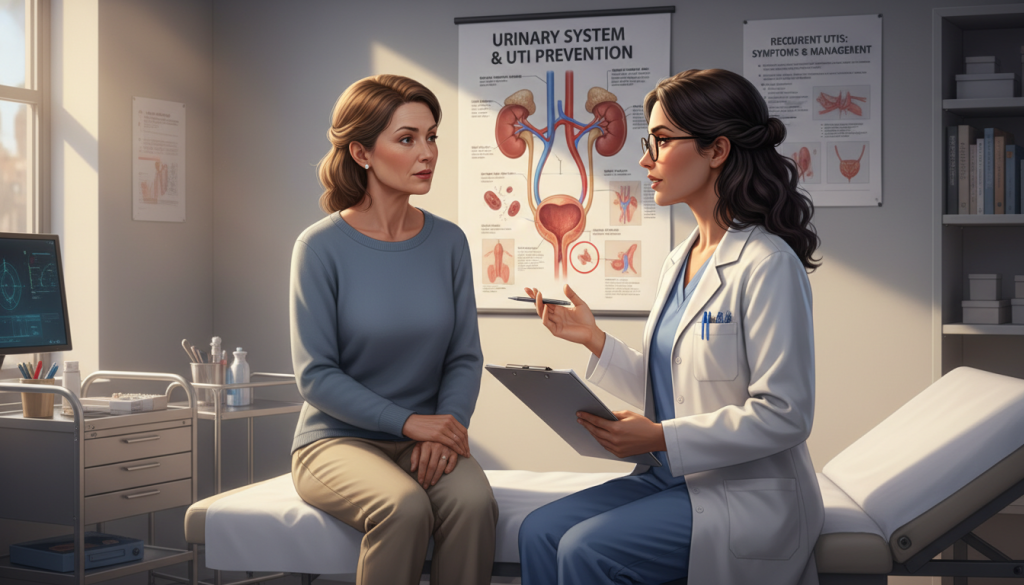
Our team might suggest more detailed tests or looking at your daily habits. We want to work together to find a lasting solution that improves your life.
By being proactive, we aim to tackle the real issue behind Urinary Tract Infections. You should have a plan that reduces the need for UTI antibiotics and keeps you healthy.
When to Consult a Specialist
Knowing when to seek help beyond home care is key to keeping you healthy. Many infections get better with basic care. But, some UTI symptoms need quick doctor attention to avoid bigger problems.
If you have a high fever, don’t stop. Also, if you have ongoing back pain or see blood in your urine, get help fast. These signs might mean the infection has moved to your kidneys, which is serious.
Ignoring these UTI symptoms can harm your health a lot. If your symptoms don’t get better or get worse, call a doctor right away.
Your health is what matters most to us. We’re here to help you deal with these UTI symptoms. We want to make sure you get the right care to feel better and stay healthy.
Conclusion
Managing your urinary health is all about being aware and taking action. You now know how to spot symptoms early and get the right care.
At Acıbadem Healthcare Group, we’re here to help you stay healthy. We offer top-notch care that fits your needs and medical history.
Stay informed about your body to manage your health better. If you’re worried about ongoing symptoms or issues, contact our specialists.
We think educating patients is key to good treatment. Your efforts in following these health tips can greatly improve your life and comfort.
FAQ
Q: What exactly is a Urinary Tract Infection?
A: A Urinary Tract Infection (UTI) happens when bacteria get into the urinary system. This includes the kidneys, ureters, bladder, and urethra. The bacteria multiply, causing inflammation and discomfort.
At Acıbadem Healthcare Group, we know the difference between lower and upper tract infections. Lower tract infections, like cystitis, affect the bladder. Upper tract infections involve the kidneys and need closer monitoring.
Q: What are the most common UTI symptoms I should look out for?
A: Knowing UTI symptoms early is key to getting better. Look for a constant need to urinate, a burning feeling when you pee, and urine that looks cloudy, red, or smells bad. If you notice these signs, contact our team right away to stop the infection from getting worse.
Q: What are the primary UTI causes and risk factors?
A: Most UTIs are caused by bacteria like E. coli, which live in the gut but can move to the urinary system. Women are more at risk because of their anatomy. Sexual activity, certain birth control, and health conditions can also increase your risk.
Q: Why is a UTI in women more frequent than in men?
A: Women get UTIs more often because of their anatomy. The female urethra is shorter and closer to the anus. This makes it easier for bacteria to reach the bladder. We teach women how to manage these risks and prevent frequent infections.
Q: Is a UTI in men considered a serious concern?
A: While less common, a UTI in men can be a sign of a bigger health issue. This includes prostate problems or blockages in the urinary tract. Our team at Acıbadem Healthcare Group thoroughly checks men to find and treat the underlying cause.
Q: How do we determine the best UTI treatment for a patient?
A: Choosing the right treatment starts with a correct diagnosis. We do a urinalysis to check for white blood cells or bacteria. We also do a urine culture to find the exact bacteria. This lets us give you the best medicine for your case.
Q: What role do UTI antibiotics play in the recovery process?
A: Antibiotics are key for treating bacterial UTIs. It’s important to finish the whole course of medicine, even if you start feeling better. This helps prevent the infection from coming back and stops antibiotic resistance.
Q: Are there effective UTI prevention strategies I can follow at home?
A: Yes, preventing UTIs is important for your urological health. Stay hydrated, practice good hygiene (wipe from front to back), and empty your bladder right after sex. These simple steps can greatly reduce your risk.
Q: Can I use home remedies to cure an infection?
A: Home remedies like drinking more water and using over-the-counter pain relievers can help with symptoms. But, they can’t replace medical treatment. Bacterial infections need professional care to be fully cleared.
Q: What are the risks of leaving an infection untreated?
A: Ignoring UTI symptoms can lead to serious problems. This includes permanent kidney damage or life-threatening sepsis. We stress the importance of early treatment to protect your health and ensure a quick recovery.
Q: When should I consult a specialist at Acıbadem Healthcare Group?
A: Seek immediate help if you have “red flag” symptoms like a high fever, severe back or side pain, or blood in your urine. These signs mean the infection might have spread to the kidneys. Our specialized urology team needs to see you right away.