


Discovering changes in your body can be very worrying. Peyronie Disease is a condition where scar tissue forms in the penis. This can cause it to curve or hurt when you get an erection.
Getting this diagnosis can feel scary. But, it’s important to remember you’re not alone. This condition affects your health and how you feel, making everyday life harder.
We aim to give you a clear, caring look at this condition. Getting professional medical advice is the first step to better treatment and a better life.
With the help of healthcare experts, you can find treatments that fit your needs. We’re here to guide you through this with confidence and understanding.
Key Takeaways
- Peyronie Disease involves the formation of fibrous scar tissue inside the penis.
- The condition often results in noticeable curvature or discomfort during sexual activity.
- It is essential to address both the physical symptoms and the emotional impact of the diagnosis.
- Early consultation with a medical professional is the most effective way to manage the condition.
- Modern treatment options are available to help improve patient comfort and overall quality of life.
Understanding the Anatomy and Pathology of Peyronie Disease
Peyronie Disease affects the penile sheath’s natural flexibility. We need to look at the tunica albuginea. It’s a thick, fibrous layer around the penis’s erectile chambers.
This sheath should be very flexible. It lets the penis expand and straighten during an erection. But, injury or inflammation can disrupt this process.
The disease starts with plaque formation. This plaque is a dense collection of collagen fibers in the tunica albuginea. Unlike healthy tissue, it can’t stretch or expand.
When the penis fills with blood, the healthy tissue expands. But the plaque stays rigid. This imbalance causes the penis to curve or indent.
Understanding these physiological changes helps us see why Peyronie Disease causes such big changes. The non-compliant tissue acts like a tether. It pulls the penis toward the plaque side, preventing it from being straight.
Recognizing Common Peyronie Symptoms
Spotting the early signs of Peyronie’s disease is key to managing it well. Each person’s experience is different, but there are common Peyronie symptoms to watch for. Noticing these changes early helps you get help sooner.
A hard lump or a firm band under the skin of the penis is a common sign. These are called plaques and feel like thickened tissue. You might find them during self-exams or during intimate moments.
As Peyronie’s disease gets worse, men often notice a penile curvature. This can happen slowly or suddenly. The bend gets more noticeable when you’re erect, which can cause emotional distress.
Some people also feel pain during sex. This pain is usually because of the plaque and the penile curvature. Spotting these Peyronie symptoms early is vital. Seeing a urologist helps you figure out what’s going on and find ways to feel better.
The Primary Peyronie Causes and Risk Factors
The causes of Peyronie’s disease often come from our body’s natural responses, not from our lifestyle choices. Knowing what causes this condition is key to managing your health and easing worries. By exploring the science, we can understand why these changes happen in our bodies.
The main theory is that repeated small injuries to the penis during sex can lead to Peyronie’s. These tiny injuries can cause an abnormal healing process. Instead of healing normally, the body might form fibrous scar tissue, known as plaque.
Not every small injury leads to Peyronie’s disease. Many men face similar physical stresses without getting plaque. This shows that other Peyronie causes and body factors play a big role in how we react to injuries.
Genetics also play a big part in who gets Peyronie’s. If your family has connective tissue disorders, you might be more likely to get plaques. These biological tendencies mean you can’t always control it.
We want patients to see Peyronie’s as a complex medical issue, not something caused by personal actions. Seeing it as a biological phenomenon helps focus on managing it effectively. You’re not alone in dealing with these health challenges, and knowing the cause is the first step to finding the right care.
The Progression of Peyronie’s Disease
Peyronie’s Disease goes through different stages, from inflammation to chronic phases. Knowing these stages is essential for those dealing with its symptoms.
The first stage is the acute inflammatory phase. You might feel pain in your penis, more so when it’s erect. The penis’s curve may also change or get worse over weeks or months.

When the disease moves to the chronic phase, the inflammation starts to fade. The plaque, a hard scar tissue, gets calcified. This makes the tissue even harder and more rigid.
In the later stage, the penis’s shape usually stays the same. The pain might lessen or go away, but the curve remains. Knowing that Peyronie’s Disease will stabilize helps patients understand their long-term situation better.
It’s important to keep track of these changes with your doctor. Watching how Peyronie’s Disease progresses helps make better choices about treatment. Patience is key as your body goes through these different stages.
Diagnostic Procedures and Clinical Evaluation
We focus on a detailed clinical evaluation to grasp your condition fully. Our first step is a thorough physical check-up. We examine the size and spot of any plaque you might have. This step is key to figuring out how severe your penile curvature is and what treatment you need.
Ultrasound Imaging for Penile Curvature
We use ultrasound imaging to see inside your body. This method is non-invasive and shows blood flow in the erectile chambers clearly. It helps us understand the fibrous tissue’s role in penile curvature and its impact on your function.
Magnetic Resonance Imaging (MRI) Utility
In complex cases, MRI might be used for a closer look. The MRI utility is great for spotting soft tissue details that other tests might miss. This advanced imaging lets us create a care plan that fits your penile curvature perfectly, ensuring accurate treatment.
Non-Surgical Peyronie Treatment Options
For many patients, the journey toward recovery starts with non-surgical Peyronie’s Disease treatment. These methods work best when started early, during the active phase. Quick action can help reduce curvature and pain before the plaque hardens too much.
Collagenase Clostridium Histolyticum Therapy
Collagenase Clostridium Histolyticum is a key advancement in Peyronie treatment. This enzyme is injected into the plaque causing penile curvature. It breaks down the collagen, softening the lesion over time.
Patients go through several treatment cycles for the best results. This therapy aims to improve penile shape and reduce the emotional impact of the condition. We closely watch progress to keep the treatment safe and effective for each person.
Interferon and Verapamil Injections
Other Peyronie treatment options include Interferon and Verapamil. These medications are injected into the affected tissue. They stop collagen production and break down existing plaques.
These injections help manage pain and slow curvature progression. While results differ, many men see a significant symptom reduction. Here’s a comparison of these non-invasive treatments in clinical practice.
| Treatment Type | Primary Goal | Administration |
|---|---|---|
| Collagenase | Break down collagen | Direct injection |
| Verapamil | Reduce plaque density | Direct injection |
| Interferon | Minimize inflammation | Direct injection |
Choosing the right Peyronie treatment options depends on your symptoms and disease stage. We’re here to help you make informed decisions. Early treatment is the most effective strategy for a better quality of life.
Mechanical Therapies and Traction Devices
Exploring Peyronie treatment options can lead to mechanical devices. These tools apply gentle tension to the penis over time. They aim to change scar tissue, a key part of Peyronie’s disease.
The main goal is to slowly reduce the bend. Regular use stretches the plaque causing the bend. This can improve the penis’s shape and function.
Remember, these devices are not a quick solution. Success needs patience and daily use. Doctors often suggest them as part of a full treatment plan.
| Device Type | Mechanism | Primary Benefit |
|---|---|---|
| Static Traction | Fixed tension settings | Consistent, predictable force |
| Dynamic Traction | Adjustable tension | Customizable comfort levels |
| Vacuum-Assisted | Negative pressure | Tissue expansion support |
We suggest using these devices with other treatments for better results. Combining them with other medical plans can strengthen your health. Always talk to a specialist to make sure these Peyronie treatment options fit your needs.
Surgical Interventions for Severe Cases
For those with severe symptoms, surgery can help. We suggest it when other treatments fail or if the deformity is too big. Our main goal is to improve your life and function.
When talking about Peyronie surgery, we focus on what you need. The right surgery depends on how bad the curve is and if you have erectile issues. We work with you to find the best solution.
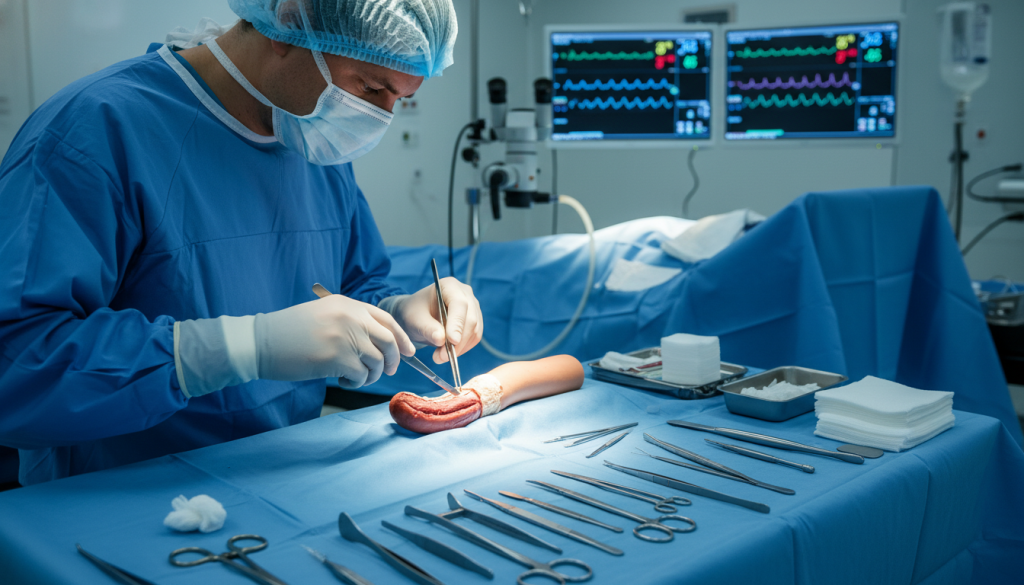
There are a few surgeries to choose from. Plication shortens the penis to fix the curve. Excision and grafting remove scar tissue and add a patch to fix length and shape.
| Procedure Type | Primary Goal | Best For |
|---|---|---|
| Penile Plication | Straightening | Mild to moderate curvature |
| Plaque Excision | Tissue removal | Severe, complex deformities |
| Grafting | Length restoration | Significant shortening |
Choosing the right Peyronie’s Disease surgery needs careful thought. We focus on safety and long-term results. We aim to help you feel better and more confident.
Peyronie surgery is a complex field. We’re here to support you in making the right health choices. Your recovery is our top priority.
Psychological Impact and Quality of Life
Peyronie’s disease affects more than just the body. It can also hurt a person’s mental health and relationships. Many men feel anxiety, depression, and stress after finding out they have it. It’s normal to feel this way when facing a big health change.
The disease can make people worry about how they look and how they perform sexually. These worries can make it hard to talk to partners. We think it’s key to focus on the mental health side of things, just as much as the physical symptoms.
We offer help for the emotional side of Peyronie’s disease. We want to help patients feel better about themselves and their lives. Talking openly with doctors and loved ones is a big step towards feeling better.
Here’s a table showing common emotional challenges and how to deal with them:
| Emotional Challenge | Potential Impact | Supportive Strategy |
|---|---|---|
| Performance Anxiety | Avoidance of intimacy | Counseling and education |
| Depressive Symptoms | Reduced motivation | Professional therapy support |
| Relationship Stress | Communication breakdown | Couples therapy sessions |
| Body Image Issues | Lowered self-esteem | Support group participation |
Lifestyle Modifications and Supportive Care
Your journey to wellness goes beyond the doctor’s office. Healthy habits can boost your Peyronie treatment results. See these changes as steps toward better health and energy.
Good heart health is key for tissue recovery. Quitting smoking is a big help, as it improves blood flow and healing. Better circulation helps your body fight the condition better.
Feeling good emotionally is as important as feeling good physically. We suggest open and honest communication with your partner. This keeps intimacy alive and helps you both feel supported in your Peyronie treatment.
We aim to give you knowledge and care with kindness. We want you to feel ready and strong at every recovery step. Supportive care is a big part of our promise to your health.
| Lifestyle Change | Primary Benefit | Impact on Recovery |
|---|---|---|
| Smoking Cessation | Improved Blood Flow | High |
| Cardiovascular Exercise | Enhanced Circulation | Moderate |
| Partner Communication | Emotional Support | High |
| Stress Management | Hormonal Balance | Moderate |
When to Consult a Urologist
Knowing when to seek medical advice is key to your urological health. If you notice Peyronie symptoms, see a specialist right away. Early action can stop the condition from getting worse.
Make an appointment if you find a new lump, have ongoing pain, or see a change in your penis’s shape. These signs can be concerning, but they can be managed with the right help. Our team is ready to guide you through these changes confidently.
Seeing a doctor early helps get a correct diagnosis and a personalized care plan. This way, you can explore more treatment options. We’re here to help you make choices that keep you comfortable and healthy in the long run.
Myths and Misconceptions About Peyronie’s Disease
We think it’s key to clear up wrong ideas about Peyronie’s Disease. When you first hear you have it, you might feel lost in all the wrong info online. We aim to help you understand what’s real and what’s not, so you can focus on getting better.
Many people think Peyronie’s Disease is cancer. But we need to set the record straight: Peyronie’s Disease is not cancer. It’s a condition where scar tissue forms in the penis due to inflammation.
Another myth is that it’s a sexually transmitted infection. This is simply not true. Peyronie Disease is not caused by sex or any infection. It’s not something you can catch from someone else.
Some folks worry it’s a sign of a bigger health problem. But the truth is, Peyronie Disease only affects the penis. It’s not a disease that spreads to other parts of your body.
Knowing the real facts about Peyronie’s Disease helps break down the stigma. By understanding what actually causes it, like minor injuries or genetics, we can face it head-on. You are not alone, and knowing the truth is the first step to feeling better.
Future Directions in Peyronie’s Disease Research
The world of urology is changing fast, with new hopes for Peyronie’s Disease research. We’re excited to follow the latest scientific discoveries. These could greatly improve how we treat patients.
Right now, researchers are working hard to find better medicines. They want to find ways to dissolve plaque without surgery. This could help patients feel better and move more easily.
There’s also a lot of interest in regenerative medicine. Stem cell therapy is showing great promise. It might help fix the damage caused by Peyronie’s Disease without needing big surgeries.
We’re always learning about the newest treatments. By using the latest research, we offer our patients the best care. We think it’s important to stay up-to-date to help those dealing with Peyronie’s Disease.
Conclusion
Dealing with Peyronie’s Disease needs patience and expert advice. Modern medicine has many ways to help you feel better and more confident.
We think knowing more about your health helps you make better choices. At Acıbadem Healthcare Group, we’re here to help. We create care plans that change as you do.
If you’re worried, talk to our specialists. We’re here to find the best treatments for you. Your health journey begins with a simple talk about what you want.
Acting now means you’ll get the best care possible. We’re excited to work with you to improve your health and well-being.
FAQ
Q: What exactly is Peyronie Disease and how does it develop?
A: Peyronie Disease is a condition where scar tissue forms in the penis. This tissue, called plaque, makes the penis bend during an erection. At Acıbadem Healthcare Group, we tell our patients this can cause discomfort and penile curvature.
Q: What are the most common Peyronie symptoms I should look out for?
A: Look out for hard lumps or “plaques” under the skin, a bend in the penis during an erection, and narrowing or shortening. Many also feel pain during the acute inflammatory phase, making sex hard or uncomfortable.
Q: What are the primary Peyronie causes and risk factors?
A: Peyronie Disease often starts with minor injuries to the penis. It can also be linked to genetic factors and certain tissue disorders. These factors increase the risk of abnormal scarring.
Q: How does the progression of Peyronie’s Disease typically occur?
A: The disease goes through two stages. The first, the acute phase, lasts six to 18 months and is marked by inflammation, changing curvature, and pain. The second, the chronic phase, is when the plaque stabilizes and may calcify. Knowing this timeline helps us choose the best treatment time.
Q: Which diagnostic procedures are used to evaluate penile curvature?
A: We use physical exams and advanced imaging to check for curvature. Ultrasound imaging is common to look at blood flow and plaque density. In some cases, MRI is used for a detailed view of the soft tissues and extent of fibrosis.
Q: What are the available non-surgical Peyronie treatment options?
A: For early stages, we offer non-surgical treatments. These include Xiaflex injections to break down collagen buildup and Interferon or Verapamil injections. These aim to reduce curvature and pain without surgery.
Q: How do mechanical therapies and traction devices assist in Peyronie treatment?
A: Mechanical traction therapy uses devices to apply gentle tension to the penis. We recommend these to help remodel scar tissue and improve penis straightness. They are often used with injectable therapies for better results.
Q: When is Peyronie’s Disease surgery considered necessary?
A: Surgery is considered when the bend is severe or non-invasive methods don’t work. Surgery options include plication or plaque excision and grafting to restore function.
Q: Can lifestyle modifications impact the management of the condition?
A: Yes, a healthy lifestyle is key. We advise against smoking and managing blood pressure. A healthy body supports any treatment plan.
Q: Is Peyronie’s Disease a form of cancer or a contagious infection?
A: No, it’s not cancer or contagious. It’s a benign condition that causes scar tissue but doesn’t spread or infect others.
Q: When should I consult a urologist regarding my symptoms?
A: See a specialist if you notice new lumps, a sudden penis shape change, or persistent pain during erections. Early treatment can prevent the condition from getting worse.