

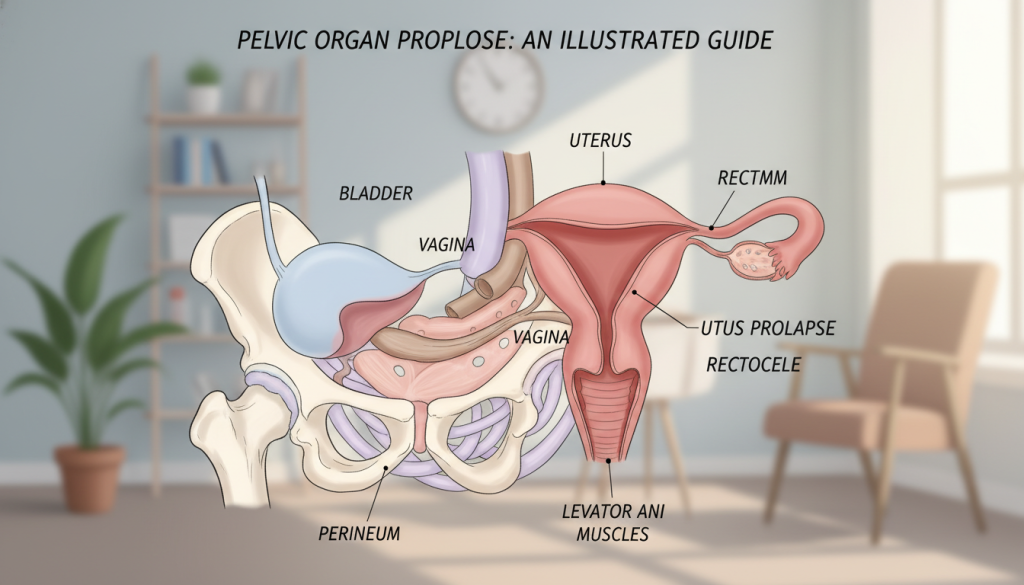
Many people face changes in their health that can be scary or confusing. Pelvic Organ Prolapse is one such condition. It happens when the muscles and tissues in the pelvic area get weak over time.
Finding your way through these health issues can be tough. We aim to give you clear, expert guidance. This way, you can feel more confident about your health journey. Learning about your pelvic floor can help you take steps towards feeling better every day.
This condition is quite common, and there are effective treatments available. Spotting the signs early can help manage it better and improve your life quality. We’re here to help you understand Pelvic Organ Prolapse. This way, you can make informed choices about your care.
Key Takeaways
- This condition involves a weakening of the pelvic floor support structures.
- It is a common health issue that many people face at some point.
- Seeking medical guidance is the first step toward effective management.
- Understanding your anatomy helps you make better healthcare decisions.
- Professional support can significantly improve your overall quality of life.
Understanding the Anatomy of the Pelvic Floor
Think of your pelvic floor as a supportive hammock that keeps everything in place within your lower abdomen. It’s made of muscles, ligaments, and connective tissues. These stretch from your pubic bone to your tailbone. It’s the base for your bladder, uterus, and bowel.
Keeping this area healthy is key. It works quietly to help you feel comfortable and function well every day.
The muscles in the pelvic floor do more than just hold things in place. They also contract and relax to control your body’s functions. If these muscles or tissues get weak or lose flexibility, it can affect how well your body works.
Knowing about your body’s anatomy is the first step to feeling in control of it.
Weakness in this area often leads to pelvic floor disorders. When tissues stretch or get damaged, they can’t hold organs in place anymore. Understanding how these parts work together helps you spot problems early.
| Anatomical Component | Primary Function | Impact of Weakness |
|---|---|---|
| Pelvic Muscles | Active support and contraction | Reduced control and stability |
| Ligaments | Structural anchoring | Increased organ descent |
| Connective Tissue | Elasticity and tension | Loss of organ positioning |
Learning about these structures helps you understand how to keep your pelvic floor health in check. We’re here to help you understand these concepts. This way, you can make better choices for your body’s health. Your body is complex, and knowing its basics is a great way to support your health for the long term.
Defining Pelvic Organ Prolapse
We define Pelvic Organ Prolapse as when pelvic organs slide into the vaginal canal. This happens when muscles and tissues that support the pelvic floor get stretched or weakened over time.
When these support structures fail, they can’t keep the bladder, uterus, or rectum in place. It is important to understand that this is a mechanical issue due to a loss of structural support in the pelvis.
To tell if you have a Pelvic Organ Prolapse, look at how your organs sit against the vaginal wall. A true prolapse shows as a noticeable bulge that can cause discomfort or pressure.
The table below shows the differences between healthy pelvic support and a prolapsed state. It helps you spot any concerns.
| Feature | Healthy Anatomy | Prolapsed State |
|---|---|---|
| Pelvic Floor Muscles | Firm and supportive | Weakened or stretched |
| Organ Position | Stable and internal | Descent into vaginal canal |
| Patient Sensation | No pressure or bulging | Feeling of fullness or heaviness |
| Structural Integrity | Strong connective tissue | Compromised tissue support |
Common Causes and Risk Factors
Pelvic organ prolapse can seem scary, but understanding its causes helps. It’s not usually caused by one thing. Instead, it’s often due to physical stressors and natural changes over time.
Childbirth is a big factor in pelvic floor health. The muscles and tissues supporting the organs face a lot of pressure and stretching during a vaginal delivery. Even with a smooth delivery, these tissues might not regain their strength. This can make prolapse more likely later in life.
Chronic straining also weakens the pelvic floor. Heavy lifting, persistent coughing, or chronic constipation make the pelvic muscles work too hard. This constant downward pressure can cause the supportive structures to lose their elasticity and strength.
The natural aging process is another factor we can’t avoid. As we get older, our bodies make less collagen. This protein keeps tissues firm and resilient. During menopause, the drop in estrogen levels makes the vaginal walls and pelvic ligaments thinner and weaker.
It’s key to remember that these factors are just risk indicators, not a sure sign of prolapse. Many people go through these events without ever getting a prolapse. By knowing these risk factors in your own health history, you can take a proactive approach to keep your pelvic wellness and overall quality of life.
Recognizing the Symptoms of Organ Prolapse
Knowing the symptoms of organ prolapse is the first step to feeling better. These changes can be scary, but understanding your body is key. Watch for any ongoing feelings in your pelvic area.
The main sign is a feeling of pressure or fullness in your pelvis. Many people say it feels like something heavy is pushing down. You might also see a bulge or tissue coming out of your vagina, which is a clear sign.
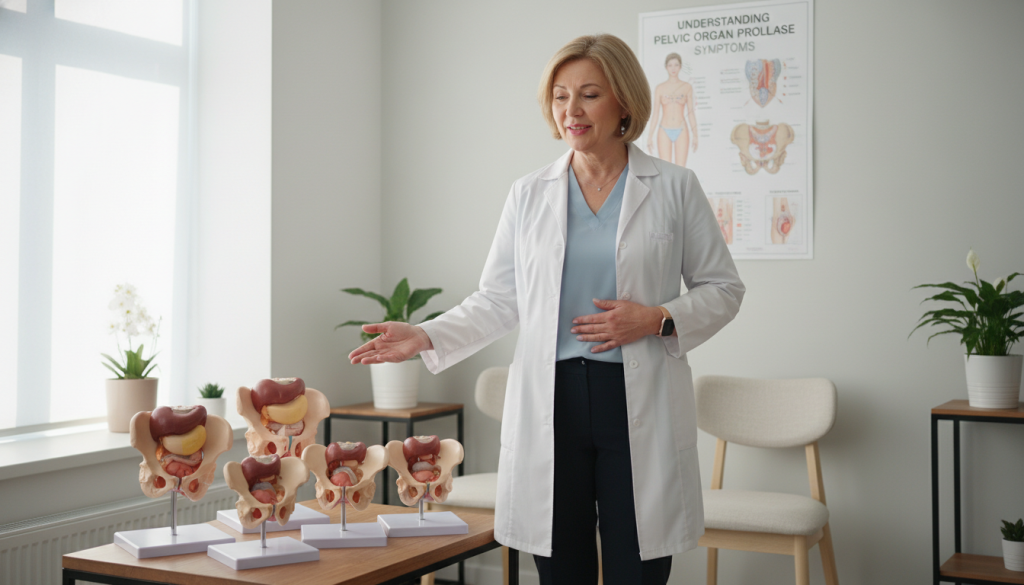
These symptoms of organ prolapse can change throughout the day. You might feel mild pressure in the morning, but it gets worse as the day goes on. Activities like lifting, coughing, or standing for a long time can make it worse.
Keep an eye on how these symptoms affect your daily life. If they’re always bothering you, it’s time to talk to a doctor. Spotting the symptoms of organ prolapse early means you have more treatment options. We’re here to help you understand and manage these changes.
Diagnostic Procedures and Medical Evaluation
Getting a precise diagnosis is key to managing your symptoms well. At our clinic, we start by looking over your medical history and current health issues. This first talk helps us see how pelvic floor disorders affect your daily life and health.
Next, we do a physical check-up to see how your pelvic organs are doing. We do this with respect and sensitivity, making sure you’re comfortable and informed. Our aim is to make a safe space for you to talk about your health.
Our specialists use special grading systems during the check-up. These systems help us measure how severe the prolapse is. Knowing the exact stage of your condition lets us create a tailored treatment plan just for you.
We think clear talk is important for your care. We’ll explain our findings in easy-to-understand language. Our team is committed to giving you compassionate guidance as we work towards your comfort and better quality of life.
Conservative Management and Lifestyle Adjustments
Making lifestyle changes is a strong first step against prolapse. When symptoms are mild, we suggest non-invasive methods to ease pressure on the pelvic area. These changes can greatly improve your life and stop the condition from getting worse.
Supporting your pelvic health starts with weight management. Too much weight puts constant pressure on the pelvic floor muscles. This can weaken them and make it hard to support the bladder, uterus, or bowel. Keeping a healthy weight helps reduce this strain and lets your muscles work better.
It’s also important to watch your daily activities, like heavy lifting. Proper body mechanics are key. When lifting heavy, use your core and legs, not your back or pelvic floor. This simple step helps protect your pelvic area from unnecessary strain.
Adding pelvic floor exercises to your daily routine is another key part of conservative care. These exercises, known as Kegels, strengthen the muscles that support your pelvic organs. Regular practice keeps these muscles toned and helps support your pelvic floor better.
| Strategy | Primary Benefit | Action Item |
|---|---|---|
| Weight Management | Reduces downward pressure | Consult a nutritionist |
| Lifting Techniques | Prevents acute strain | Use legs, not the core |
| Pelvic Floor Exercises | Increases muscle support | Daily consistent practice |
These conservative steps let you play a big role in your recovery. While medical options are available, lifestyle modifications offer a lasting foundation for pelvic health. We urge you to start these habits early to get the most benefits.
Pelvic Floor Physical Therapy
Pelvic floor physical therapy is a special way to regain strength and function. If you’re dealing with prolapse symptoms, a trained professional can help a lot. They can make a big difference in your daily life.
Experts will look at your body to make a plan just for you. They focus on pelvic floor strengthening exercises. This helps you use the right muscles to support your pelvic organs.
This approach improves muscle tone and gives better support over time. It’s all about the right muscles working together.
Working with a therapist is a team effort. They’ll show you how to do each exercise right. Doing these pelvic floor strengthening exercises regularly is important. It helps you see lasting results and feel less pain.
Choosing pelvic floor physical therapy is a big step towards feeling better. Many people feel more in control and confident as they see their body improve. They feel more comfortable and can do more things.
| Benefit Category | Primary Focus | Expected Outcome |
|---|---|---|
| Muscle Activation | Targeted Contractions | Increased Support |
| Symptom Relief | Pressure Reduction | Improved Comfort |
| Functional Gains | Daily Activity | Enhanced Mobility |
Medical Devices for Prolapse Support
Vaginal pessaries are a good choice for managing pelvic organ prolapse without surgery. These devices are put into the vagina to give essential structural support to the pelvic organs. They are great for those who don’t want surgery or can’t have it because of health reasons.
Using a pessary alone can help, but it works best with pelvic floor physical therapy. This combo strengthens the muscles around the pelvic area. It can lead to better results over time. Working with a specialist ensures your treatment covers both symptoms and muscle strength.
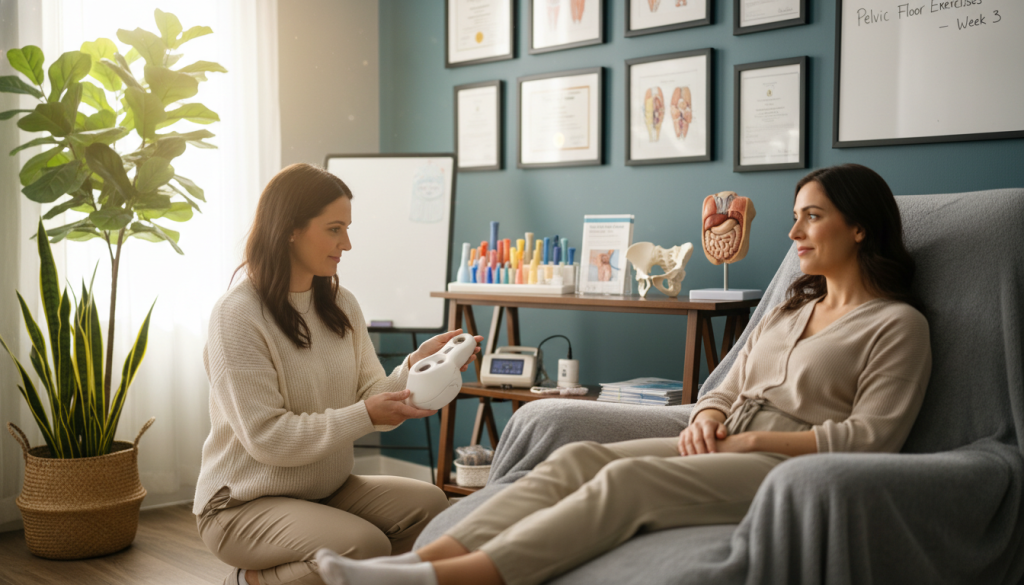
Finding the right pessary starts with a professional fitting. Your doctor will check your body to find the best size and shape. It might take trying a few before you find the perfect fit.
Keeping your device clean and in place is key for your health and comfort. You’ll get detailed instructions on how to care for it. If cleaning and using it feels hard, therapy can help you feel more confident. Regular care keeps your support effective and clean for your daily life.
Surgical Treatment Options for Pelvic Organ Prolapse
When other treatments don’t work, surgery is often the next step. Choosing prolapse surgery is a big decision. Our goal is to fix your pelvic health and help your organs work right again.
Choosing the right treatment options for organ prolapse depends on many things. We look at your symptoms, age, and health goals. This helps us find the best surgery for you.
Surgeries aim to strengthen the pelvic floor. They fix the main problems. This helps you feel better and move easier.
The table below shows common surgeries for Pelvic Organ Prolapse:
| Procedure Type | Primary Goal | Key Benefit |
|---|---|---|
| Native Tissue Repair | Use own body tissue | Avoids synthetic materials |
| Mesh Augmentation | Reinforce weak areas | Increased structural support |
| Obliterative Surgery | Close the vaginal canal | Minimal recovery time |
We focus on patient-centered care in surgery. Our team is ready to help, whether it’s a small or big surgery. Talking to a specialist helps you get the right care for your Pelvic Organ Prolapse.
Preventing Pelvic Organ Prolapse
Protecting your pelvic floor health starts today. While some risks are beyond our control, many daily habits can help. By being consistent, you can empower yourself to keep your body strong.
One key strategy is doing pelvic floor strengthening exercises regularly. These exercises, known as Kegels, strengthen the muscles that hold your organs in place. Doing them right and often is essential for your body’s stability.
Your daily choices also affect your risk of pelvic organ prolapse. Keeping a healthy weight lessens the pressure on your pelvic floor. Also, lifting correctly, using your legs, not your back, helps avoid straining these muscles.
Seeing these habits as investments in your future is wise. Small changes can make a big difference in your lifelong wellbeing. By focusing on your pelvic floor health, you’re taking a big step toward staying active and comfortable.
Being consistent is key to avoiding pelvic organ prolapse. Try to do these pelvic floor strengthening exercises every morning or evening. Remember, sticking to these simple habits is a powerful way to keep your health and energy up.
Navigating Emotional and Psychological Impacts
Recovery is more than just physical healing; it also involves your emotional well-being. A pelvic floor condition can change your life a lot. It can make you feel uncertain or upset.
It’s completely normal to feel worried or anxious. Remember, you’re not alone, and your feelings are important in the healing process.
We really encourage open communication with your healthcare team. Talking about your worries helps us care for you better. We make sure your mental health is as important as your physical recovery.
Creating a support system is a big step towards feeling better. You can talk to a counselor or join a support group. Finding a safe place to share your story can really help your life.
| Emotional Response | Potential Impact | Coping Strategy |
|---|---|---|
| Anxiety | Increased stress levels | Mindfulness and breathing |
| Frustration | Reduced motivation | Setting small, achievable goals |
| Isolation | Decreased social engagement | Joining support communities |
| Uncertainty | Difficulty planning ahead | Regular check-ins with doctors |
When to Consult a Specialist
We believe that timely medical guidance is key to managing your health well. If you notice symptoms of organ prolapse that don’t go away, it’s time to see a doctor. Waiting too long can make things worse.
Seeing a doctor early can stop the problem from getting worse. This way, you might avoid needing prolapse surgery later. We care about your comfort and how well you live every day.
Some people aren’t sure when to see a doctor. If you feel a heaviness, see tissue bulging, or have pain that won’t go away, it’s time to get help. Proactive care helps us make a plan just for you.
| Symptom Category | Action Required | Potential Outcome |
|---|---|---|
| Mild discomfort | Monitor and document | Lifestyle adjustments |
| Persistent pressure | Consult a specialist | Physical therapy |
| Visible protrusion | Immediate evaluation | Avoid complex prolapse surgery |
Your health is very important, and asking for help is brave. We’re here to offer the expert guidance you need. Don’t wait to talk about your pelvic health.
Conclusion
Your journey to better health starts with knowing your body. We think knowledge is the strongest tool for keeping you well.
You can keep your life quality high by knowing your options. Looking into different treatments for organ prolapse lets you work with your doctors. Together, you can find the best solution for you.
Small changes in your life can greatly improve your comfort. Taking steps to prevent pelvic organ prolapse helps keep your pelvic floor strong.
At Acıbadem Healthcare Group, we’re committed to top-notch care. Our experts help you make informed health choices at every stage of your life.
Contact our specialists to talk about your concerns today. We’re here to help you towards a healthier, more confident future.
FAQ
Q: What exactly is pelvic organ prolapse?
A: Pelvic organ prolapse happens when muscles and tissues in the pelvic area weaken. This lets organs like the bladder or uterus bulge into the vagina. At Acıbadem Healthcare Group, we see this as a big deal for your quality of life. We offer expert care and personalized treatment.
Q: How does the anatomy of the pelvic floor function to prevent pelvic floor disorders?
A: The pelvic floor is like a hammock made of muscles and tissues. It keeps your organs in place and helps with bowel and bladder control. If it weakens, you might get pelvic floor disorders. It’s important to know about this and take care of it.
Q: What are the primary symptoms of organ prolapse I should look out for?
A: Look out for a feeling of pressure or fullness in your pelvis. You might also see a bulge or feel pain when you move. These feelings can get worse at the end of the day or after standing for a long time.
Q: What are the common causes and risk factors for developing a prolapse?
A: Things like childbirth, constipation, heavy lifting, and aging can weaken your pelvic floor. While these increase your risk, they don’t mean you’ll definitely get a prolapse. Spotting these risks early helps us keep your pelvic floor healthy.
Q: How do specialists at Acıbadem Healthcare Group diagnose the severity of a prolapse?
A: We do a full medical check-up and a gentle exam. We use special systems to measure how far down the organs have moved. This helps us make a treatment plan just for you, focusing on your comfort and recovery.
Q: Can lifestyle adjustments serve as effective treatment options for organ prolapse?
A: Yes, for many, changing your lifestyle is the first step. Losing weight, avoiding heavy lifting, and treating coughs can help. Adding pelvic floor exercises can manage mild symptoms and stop them from getting worse.
Q: What role does pelvic floor physical therapy play in recovery?
A: Pelvic floor physical therapy helps strengthen your pelvic muscles. A trained therapist guides you through exercises to support your organs better. This can improve function and reduce discomfort from pelvic floor disorders.
Q: Are there non-surgical medical devices available for support?
A: Yes, a pessary is a good option for those who don’t want surgery. It’s a device you can remove and put back in to support your organs. At Acıbadem Healthcare Group, we make sure it fits right and teach you how to use it for your health and comfort.
Q: When is prolapse surgery recommended?
A: Surgery is usually for severe cases when other treatments don’t work. It aims to fix the anatomy and support the pelvic area. We talk about all surgery options with you, considering your health and goals for the best outcome.
Q: How can I proactively prevent pelvic organ prolapse?
A: Preventing it means doing pelvic floor exercises daily and keeping a healthy weight. Also, lift right and take care of your digestive health to avoid straining. These habits help keep your pelvic floor strong.
Q: When should I consult a specialist about my pelvic health?
A: See a specialist if you have ongoing pelvic pain, urinary problems, or feel a bulge. Early help can lead to simpler treatments and avoid surgery. Your health is our top priority, and we’re here to help.