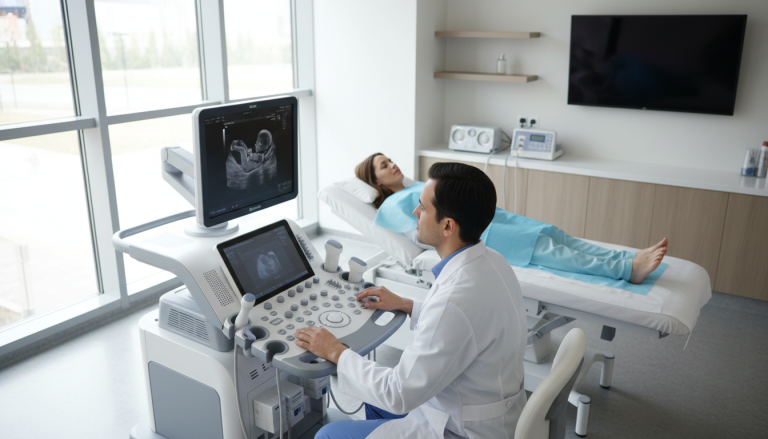


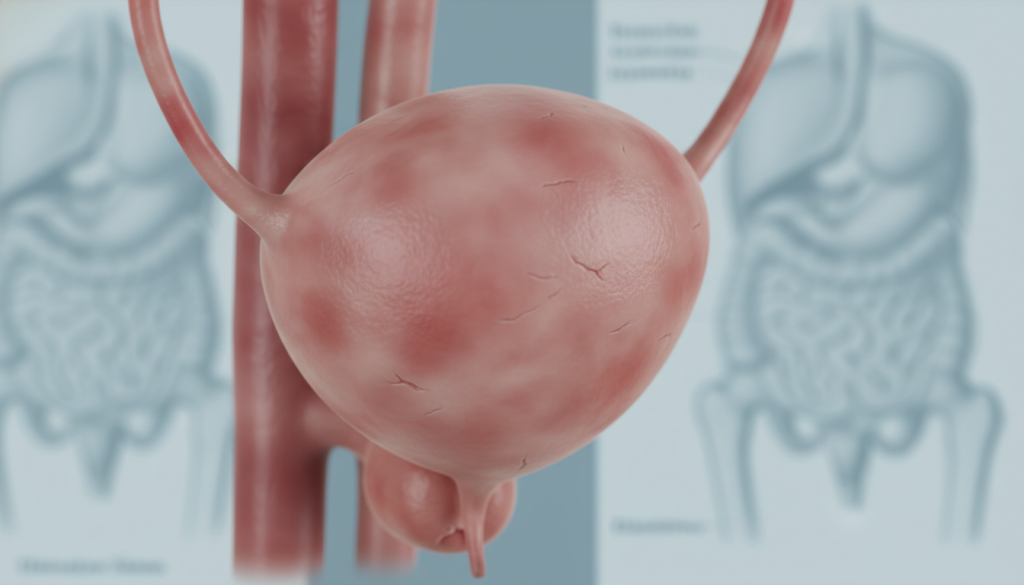
Welcome to our guide on Interstitial Cystitis. This chronic bladder condition causes recurring pelvic pain and pressure. It affects many people’s daily lives.
Dealing with health issues can be tough. We aim to give you clear, reliable info. This will help you manage your symptoms with confidence and clarity.
Learning about this condition can improve your life. We think informed patients make better choices with their doctors about Interstitial Cystitis.
Key Takeaways
- It is a chronic condition affecting the bladder.
- Common symptoms include recurring pelvic pain and pressure.
- Understanding the condition is the first step toward effective management.
- Informed patients make better collaborative healthcare decisions.
- Our focus is on improving your quality of life through education.
Understanding the Basics of Interstitial Cystitis
Learning about bladder pain syndrome is key to feeling better and living better. This condition, also known as Interstitial Cystitis, affects the bladder wall. We believe that knowledge is the most powerful tool in managing your health.
This condition causes ongoing irritation of the bladder lining. When the bladder’s protective layers are damaged, it becomes very sensitive to urine. This sensitivity leads to feelings of pressure and pain during daily activities.
Getting a diagnosis of Interstitial Cystitis can be tough at first. But, it’s important to remember you’re not alone. By understanding bladder pain syndrome, we aim to empower you, not discourage you. Knowing how your body reacts to triggers helps you talk better with your healthcare team.
The table below shows the main differences between a healthy bladder and one with this condition. It helps explain the changes in your body.
| Feature | Healthy Bladder | Interstitial Cystitis |
|---|---|---|
| Bladder Lining | Intact and protective | Irritated or compromised |
| Sensation | Normal fullness | Chronic pressure and pain |
| Urgency | Controlled | Frequent and sudden |
| Management | Not required | Requires targeted care |
We are committed to supporting you as you face these challenges. By understanding the basics, we can lay a strong foundation for your health and symptom management. Every step you take toward understanding your body is a step toward a better life.
Common Symptoms and Clinical Presentation
Many people think they have a urinary tract infection when they really have bladder pain syndrome. They often expect antibiotics but find out there’s no bacteria. This mix-up can lead to a lot of frustration when trying to figure out what’s wrong.
The main IC symptoms include a strong urge to pee, even when the bladder isn’t full. You might need to go to the bathroom many times a day and night. Along with this, you might feel pain in your pelvic area that changes with your activity or what you eat.
The pain from this condition isn’t always the same. For some, it gets worse as the bladder fills up. But it feels better right after you pee. Keeping a log of these patterns can help doctors tell it apart from other urological problems.
The table below shows how bladder pain syndrome is different from a typical bacterial infection. It can help you explain your symptoms better to your doctor.
| Symptom Type | Typical IC Presentation | Standard UTI Presentation |
|---|---|---|
| Bacterial Presence | None detected | Positive culture |
| Urgency | Chronic and persistent | Sudden and acute |
| Pain Relief | After urination | Usually persists |
| Duration | Long-term/Chronic | Short-term/Acute |
By tracking your IC symptoms, you can help in your care plan. Talking clearly about where, how long, and what triggers your pain helps doctors get it right. We’re here to help you understand and deal with these complex symptoms.
The Pathophysiology of Interstitial Cystitis
Looking into Interstitial Cystitis shows how inflammation and nerve sensitivity cause ongoing pain. It’s key to know these changes for those dealing with this condition. By studying the bladder’s inside, we can see why symptoms happen.
The bladder has a protective layer called the glycosaminoglycan (GAG) layer. In a healthy bladder, this layer keeps out harmful substances in urine. But when it’s damaged, the bladder wall can’t protect itself. This lets harmful stuff get in, causing chronic irritation and pain.
When the protective layer is gone, the nerves inside the bladder become too sensitive. This is why people with this condition often feel the need to urinate a lot and feel pressure. It’s a mix of the immune and nervous systems working together, keeping the symptoms of Interstitial Cystitis going.
The table below shows the main changes in the body that lead to this condition:
| Physiological Factor | Mechanism of Action | Clinical Impact |
|---|---|---|
| GAG Layer Erosion | Loss of protective barrier | Increased tissue permeability |
| Mast Cell Activation | Release of inflammatory chemicals | Chronic pain and swelling |
| Nerve Hypersensitivity | Heightened pain signaling | Urgency and bladder discomfort |
| Interstitial Cystitis | Systemic bladder wall changes | Reduced functional capacity |
We aim to make these complex ideas clear for your health. Knowing the biological “why” behind your symptoms is a big part of our approach. We’re here to help you understand and manage these issues with confidence.
Navigating the Process of IC Diagnosis
The journey to an accurate IC diagnosis can be uncertain. There’s no single test for this condition. So, we take a systematic journey of exclusion.
We start by checking for other conditions that might cause similar symptoms. This includes urinary tract infections, bladder stones, or pelvic floor disorders. By ruling out these possibilities, we can better understand your health needs.
The first steps involve looking at your medical history and doing a thorough physical exam. We might also use special tests to check for all possible causes. Getting an IC diagnosis takes time, and we’re here to support you every step of the way.
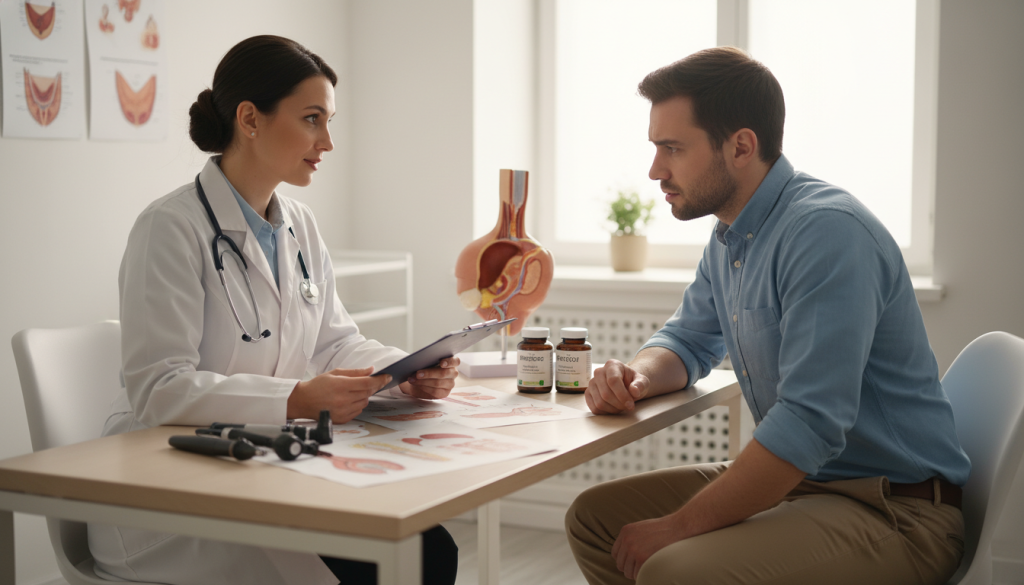
This part can be tough, as you want relief right away. But our team is here to guide you with precision and care. We’ll help you through the whole clinical investigation.
Together, we make sure to check every possible cause. Our goal is to give you the clarity you need for your IC diagnosis. Then, we’ll create a care plan just for you.
Effective Strategies for IC Treatment
We think the best way to treat IC treatment is with a plan made just for you. Every person with IC is different, so there’s no one treatment that works for everyone. We create a plan that tackles your physical symptoms and fits your lifestyle.
Using a mix of treatments often works better than just one. We combine therapies to work on the bladder, muscles, and nerves at the same time. This comprehensive strategy helps manage pain and improves your life quality.
Your path to wellness is a team effort. We work with you to find the IC treatment that fits your health goals and daily life. Whether it’s physical therapy, changing your diet, or adjusting your behavior, we focus on your comfort and success.
Our main goal is to help you take back control of your life. By using different treatments, we aim to lessen your symptoms. Finding the right balance is key, and we’re here to support you every step of the way in your IC treatment journey.
Pharmacological Approaches to IC Medication
Finding the right IC medication can seem tough at first. It’s a journey that needs patience and teamwork with your healthcare team. You are not alone in this journey, and many effective options can help you live better.
Treatment plans aim to soothe the bladder lining and calm nerve signals. This can help lessen your symptoms. Remember, finding the right IC medication might take some time and adjustments.
Your doctor might recommend different drugs based on your needs. Some protect the bladder, while others help with pain. Here’s a table showing common types of medications:
| Medication Class | Primary Function | Common Goal |
|---|---|---|
| Bladder Protectants | Coats the bladder lining | Reduces irritation |
| Antihistamines | Blocks histamine release | Decreases inflammation |
| Neuromodulators | Calms nerve signals | Manages chronic pain |
We watch your progress closely to ensure your safety. Our aim is to make your IC medication work well without side effects. Open communication helps us adjust your treatment if needed.
Keep a log of how you feel with new meds. This helps your doctor make better decisions for you. With the right support, managing your condition can become easier and more predictable.
Managing the IC Diet and Nutritional Triggers
Living with interstitial cystitis means what you eat can affect how you feel. Making changes to your diet is key to managing symptoms. It’s a way to support your bladder health every day.
Keeping a food diary is the best way to find out what foods bother you. Write down what you eat and any symptoms you notice. This will help you figure out which foods, like acidic foods, spicy dishes, or caffeine, make you uncomfortable. Using an IC diet lets you tailor your diet to your body’s needs.
Seeing these changes as a step towards better health is important. Many people find they can enjoy many foods by avoiding foods that irritate their bladder. Eating whole, unprocessed foods is often the best choice for bladder health.
We’ve put together a list of common triggers and better options for your IC diet. This table is a good starting point for your journey.
| Category | Common Triggers | Bladder-Friendly Alternatives |
|---|---|---|
| Beverages | Coffee and Black Tea | Herbal teas or Pear juice |
| Fruits | Citrus and Cranberries | Blueberries and Pears |
| Seasonings | Hot Peppers and Vinegar | Fresh herbs and Sea salt |
| Proteins | Aged Cheeses and Cured Meats | Fresh chicken and White fish |
Remember, your nutritional needs are personal. What works for one person might not work for another. It’s a good idea to work with a healthcare provider or a registered dietitian to make sure your IC diet is balanced and healthy. Making small, steady changes can lead to big improvements in your life.
Coping with an IC Flare Up
When interstitial cystitis symptoms get worse, knowing how to act is key for your comfort. An IC flare up can be tough and painful, making you feel vulnerable. But, having a plan can give you reassurance and help you feel more confident.
Heat therapy is a great way to ease bladder pain. Using a heating pad or warm water bottle on your pelvic area can relax muscles and lessen pain. Also, stress-reducing activities like deep breathing or meditation can help your nervous system handle pain better.
When you’re more sensitive, it’s smart to change your IC diet a bit. Eating bland, non-acidic foods can calm your bladder and reduce irritation. Drink plenty of water but avoid caffeine, alcohol, and spicy foods until your symptoms get better.
It’s very important to talk to your care team during a flare. By telling us what’s happening, we can offer the support you need and adjust your care plan. You’re not alone, and working together is the best way to find relief.
| Strategy | Primary Benefit | Implementation Tip |
|---|---|---|
| Heat Therapy | Muscle relaxation | Use low heat for 20 minutes |
| Dietary Modification | Reduced irritation | Stick to the strict IC diet |
| Stress Management | Nervous system calm | Practice daily mindfulness |
| Medical Consultation | Professional guidance | Contact your clinic early |
The Impact of IC on Mental Health and Quality of Life
Living with persistent bladder pain can be as tough on your mind as it is on your body. Dealing with a chronic condition can weigh heavily on you, affecting more than just your health. It’s completely normal to feel frustrated, anxious, or isolated when pain disrupts your day.
When IC symptoms stick around, your mental state can swing with your physical health. The uncertainty of these issues can make stress levels soar. Prioritizing your psychological health is key to recovery and managing your condition long-term.
Handling an IC flare up is more than just medical treatment. We urge you to be kind to yourself during tough times. Recognizing your emotions builds the emotional resilience needed to face health ups and downs.
For a better quality of life, holistic care is the best approach. Tackling both IC symptoms and mental health creates a balanced healing path. You are not alone in this journey, and seeking help is a sign of strength.
Creating healthy coping strategies can lessen the blow of an IC flare up. Tools like mindfulness, counseling, or connecting with others can help you feel in control. Focusing on your mental health lets you live a more vibrant life, even with challenges.
Finding Community Through an IC Support Group
Living with a chronic condition can feel like you’re alone. But, you’re not. Many people find a lifeline in an IC support group. These groups offer a safe place to connect with others who get what you’re going through.
Talking about your experiences and learning from others can make you feel less alone. Sharing stories with those who understand your daily battles gives you a sense of belonging. This connection is a big help, adding to your medical care.
We really think you should look for an IC support group for your well-being. Being part of a community can help you heal and feel stronger. You’re not alone; you’re part of a group facing challenges with courage and hope.
Surgical and Advanced Interventional Options
Thinking about surgery for chronic bladder issues is a big step. It needs careful thought and expert advice. When IC treatment plans don’t work, we look at more advanced options together. These steps are part of our full care plan.
Choosing invasive procedures means we work together. Urologists, pain specialists, and physical therapists join forces. This team approach helps us consider all aspects of your health. It often leads to the best results, when IC medication can’t manage your symptoms anymore.
Advanced treatments might include bladder instillations, hydrodistention, or neuromodulation. Each has its own benefits and things to think about. We make sure you’re comfortable and fully informed before any surgery.
Remember, these steps aim to improve your life quality. Even if you’ve tried IC medication before, these options offer a new way to tackle pain. We’re here to support you at every step of your IC treatment journey. We help you choose what’s best for you.
Pediatric and Male-Specific Considerations
We know that finding the right IC diagnosis can be different for everyone. This condition is often linked to adult women, but it affects many others too. We’re here to help everyone who needs our support.
In kids, symptoms like needing to pee a lot or feeling a sudden urge can be mistaken for other issues. Early recognition is key to avoid unnecessary worry in children. We make sure kids feel understood and supported during their check-ups.
Men face special challenges because their symptoms can be similar to chronic prostatitis. Getting a precise IC diagnosis needs a detailed look to rule out other problems. We work closely with our male patients to make sure we get it right and tailor treatment to their needs.
No matter who you are, our main goal is to help you understand and manage your condition. We believe in inclusive care for the best results. By focusing on each patient’s unique needs, we aim to improve their quality of life.
| Patient Group | Primary Challenge | Clinical Focus |
|---|---|---|
| Pediatric | Symptom identification | Behavioral and physical comfort |
| Male | Prostatitis overlap | Differential diagnostic testing |
| General | Chronic pain management | Multidisciplinary support |
Conclusion
Managing a chronic condition takes patience and a proactive mindset. You have the power to improve your daily life by understanding your body’s needs.
See your medical team at Acıbadem Healthcare Group as your main allies. Good communication helps your treatment plan keep up with your health changes.
Connecting with others who face similar issues can be very comforting. Joining an IC support group is a great way to share tips and find support from those who get what you’re going through.
Your path to long-term wellness is a team effort. We’re committed to giving you the expert help and resources you need to improve your life. Always reach out to your healthcare team with any questions or concerns.
FAQ
Q: What exactly is Interstitial Cystitis and how does it affect the bladder?
A: Interstitial Cystitis, or bladder pain syndrome, is a long-term condition. It causes recurring pelvic pain and discomfort. At Acıbadem Healthcare Group, we explain that it happens when the bladder’s protective lining gets damaged or irritated.
This leads to feelings of urgency and pain. These symptoms can greatly affect daily life.
Q: How can I distinguish between IC symptoms and a standard urinary tract infection?
A: IC symptoms can seem like a urinary tract infection (UTI). They include a strong urge to urinate and frequent need to go. But, IC doesn’t have a bacterial infection like a UTI does.
We look for these differences to correctly diagnose IC. This helps us rule out other urological issues.
Q: What should I expect during the process of an IC diagnosis?
A: Getting diagnosed with IC means ruling out other possible causes. There’s no single test for IC. We check your medical history, do physical exams, and sometimes use special tests.
This ensures we give you an accurate diagnosis of your bladder health.
Q: What types of IC medication are typically prescribed?
A: IC medications come in different types. We might give you oral drugs to fix the bladder lining. Or antihistamines to reduce swelling.
We also use medications that help with pain. At Acıbadem Healthcare Group, we find the right medication for you. We watch for any side effects.
Q: How does the IC diet contribute to long-term symptom management?
A: The IC diet is key to managing symptoms. Many foods and drinks can trigger bladder irritation. Common culprits include caffeine, alcohol, and acidic fruits.
We encourage keeping a food diary. This helps you find and avoid your personal triggers. Making these changes can reduce bladder irritation.
Q: What steps can I take to manage a sudden IC flare up?
A: Handling an IC flare up involves quick relief methods and lifestyle changes. We suggest using heat therapy and deep-breathing exercises. Avoiding known triggers is also important.
Having a plan for flare-ups can help you feel more confident and less anxious.
Q: Why is it beneficial to join an IC support group?
A: Joining an IC support group offers a sense of community and emotional support. Living with chronic pain can feel isolating. Connecting with others who understand can improve your mental health.
We see peer support as a valuable addition to medical treatment. It builds resilience and fosters learning.
Q: Are there advanced IC treatment options if conservative methods fail?
A: Yes, if lifestyle changes and medication don’t work, we look at more advanced treatments. This might include bladder instillations or neuromodulation. We tailor these options to your specific needs for the best results.
Q: Can Interstitial Cystitis affect men and children as well as women?
A: While IC is more common in adult women, it can affect men and children too. In men, it might be mistaken for chronic prostatitis. In children, symptoms can be seen as behavioral issues. We provide care for all, ensuring accurate assessments and specialized attention.