

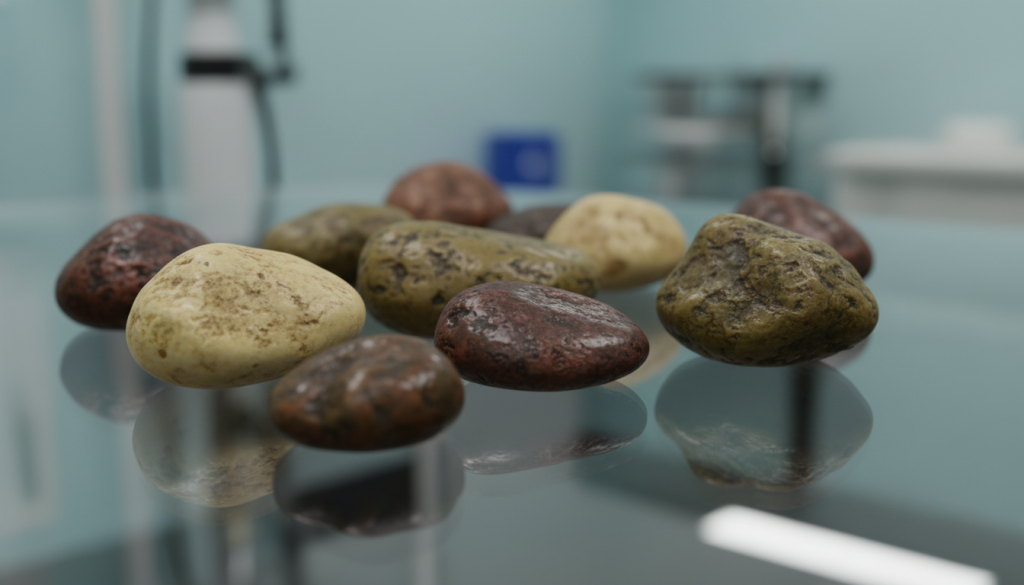
The gallbladder is a small, pear-shaped organ under your liver. It’s key to your digestion. Sometimes, bile in it hardens into small, pebble-like deposits called gallstones. These can vary in size and may block your digestive flow, causing discomfort.
Discovering a digestive issue can be overwhelming. But, knowledge is your greatest tool for staying healthy. Spotting early signs of gallstones is the first step to managing them effectively.
If you keep feeling symptoms, getting medical help is key. Working with your healthcare team, you can create a plan to tackle these gallstones and feel better. We’re here to guide you through these health choices with clarity and confidence.
Key Takeaways
- The gallbladder stores bile to help your body digest fats effectively.
- Hardened deposits can form when the chemical balance of bile changes.
- Many people remain symptom-free, but others may require medical intervention.
- Early professional consultation is the best way to manage possible complications.
- Understanding your body empowers you to make informed healthcare choices.
Understanding the Anatomy of the Gallbladder
The gallbladder is a small but vital organ that plays a key role in our digestive health. It is located directly beneath the liver. This pear-shaped structure acts as a storage reservoir for bile. Bile is a digestive fluid produced by the liver that is essential for breaking down dietary fats.
When we eat, our body signals the gallbladder to contract. This action releases stored bile into the small intestine. There, it mixes with food to aid in digestion. Without this process, our bodies would struggle to absorb nutrients from fatty foods.
Understanding this anatomical relationship is key to recognizing how gallbladder stones can disrupt digestion. When the chemical balance of bile is altered, it can lead to the formation of these solid deposits. These gallbladder stones may then block the ducts, preventing bile flow and causing discomfort.
We provide this knowledge to help you understand how your internal systems work together. By knowing how your organs interact, you can make better health decisions. Recognizing the importance of this small organ is the first step toward maintaining long-term wellness.
What Are Gallstones?
At Acıbadem Healthcare Group, we think knowing about your condition is key to good care. Gallstones are hard, pebble-like things that form in the gallbladder. They can be as small as a grain of sand or as big as a golf ball.
These stones happen when bile substances like cholesterol or bilirubin turn into crystals. These crystals grow into solid masses over time. This can cause pain or blockages. We explain gallbladder stones clearly so you understand your condition better.
Knowing what these stones are is essential for patients. Our clinical team helps you understand your gallstones. By knowing their size and type, we can make your treatment plan better. Understanding gallbladder stones makes the diagnostic process clearer. It helps you make informed health decisions.
The Biological Process of Gallstone Formation
The creation of gallstones starts with tiny chemical imbalances in the gallbladder. Bile, made by the liver, is key for digestion. But, it must be just right to work well. If it’s not, the chance of gallstones goes up.
It often starts with too much cholesterol or bilirubin in the bile. Or maybe not enough bile salts. These help keep cholesterol liquid. But if they’re off, the bile can turn into supersaturated bile. This leads to tiny, hard gallstones.
Some people get gallstones because of their genes or how their body works. The liver keeps making bile, but the gallbladder stores it. If the gallbladder doesn’t empty well, the bile stays. This lets the crystals grow into bigger gallstones.
Knowing how gallstones form shows why keeping the gallbladder healthy is key. It’s about understanding how changes in chemicals can cause blockages. This helps us see why our choices affect our digestion.
| Component | Role in Bile | Impact of Imbalance |
|---|---|---|
| Cholesterol | Digestive aid | Forms solid crystals when levels are too high |
| Bilirubin | Waste product | Contributes to pigment stone formation |
| Bile Salts | Solubilizing agent | Prevents solidification when levels are sufficient |
| Calcium | Mineral content | Can harden deposits into calcified stones |
The making of gallstones is a mix of chemistry and body functions. We see our digestive health as a system that needs balance. Knowing about these processes helps you support your health for the long run.
Primary Types of Gallstones
Looking at the gallbladder, we see that not all stones are the same. We must first identify the specific types of gallstones in your system. This helps us find the best way to manage your health.
Cholesterol stones are the most common. They are yellow or green and made mostly of cholesterol. It is important to note that these stones form when bile can’t dissolve all the cholesterol.
Pigment stones are the second type. They are smaller and darker, often black or brown. These stones are made from bilirubin, a waste product from breaking down red blood cells. Knowing about these types of gallstones helps us understand what causes them.
The table below shows the main differences between these two types. It helps us see how they differ in what they’re made of and how they look.
| Feature | Cholesterol Stones | Pigment Stones |
|---|---|---|
| Primary Composition | Undissolved Cholesterol | Bilirubin |
| Typical Color | Yellow-Green | Dark Brown or Black |
| Commonality | Most Frequent | Less Frequent |
| Size Tendency | Variable | Generally Smaller |
It’s key to tell these types of gallstones apart. While both can be uncomfortable, they start in different ways. We use this knowledge to make sure your treatment is just right for you.
Common Causes and Risk Factors
Looking into the causes of gallstones shows why some people are more at risk. The gallbladder is small but plays a big role in our health and genes.
Many things can lead to gallstones, like genetics, age, and hormones. As we get older, the chance of getting stones goes up, mainly in those with a family history.
Our metabolic health affects how we process bile. Being overweight is a big cause of gallstones, as it can raise bile cholesterol. Losing weight quickly can also cause stones by changing the gallbladder’s chemistry.
Knowing these factors helps us make lifestyle changes. Taking care of our health is key, and we’re here to help you understand your risk. We support you in making informed health choices.
| Risk Category | Primary Factor | Impact on Health |
|---|---|---|
| Biological | Genetics | Predisposition to bile imbalance |
| Metabolic | Weight Status | High cholesterol concentration |
| Lifestyle | Rapid Weight Loss | Sudden changes in bile chemistry |
| Demographic | Age | Increased risk over time |
Recognizing the Symptoms of Gallstones
Gallstones can send clear warning signals to your body. Many people carry stones for years without feeling any pain. But when stones block the bile ducts, symptoms can appear suddenly.
The most common sign is sharp pain in the upper right abdomen. Doctors call this biliary colic. This pain can be scary, as it often comes without warning and lasts for hours.
This pain might spread to your back or right shoulder blade. You might also feel very sick or throw up. Spotting these symptoms of gallstones early is key to staying healthy.
If you notice these signs, see a doctor right away. Getting medical help quickly is important. It helps catch problems early and keeps you safe. Your health is our priority, and knowing these signs is a big step in caring for your digestive health.
Diagnostic Procedures and Medical Imaging
Getting an accurate diagnosis is key to effective care, and it’s even more important when dealing with gallstones. We focus on your well-being by using precise diagnostic methods. These help confirm the presence of stones and find the best treatment for you.
The abdominal ultrasound is our go-to tool. It’s a non-invasive method that gives us clear, real-time images of your gallbladder and bile ducts. This way, we can see the size and location of any stones without using radiation or invasive procedures.
We also suggest blood tests to get a better look at your health. These tests check for signs of complications like infection, jaundice, or pancreatitis.
By using these tools together, we create a tailored treatment plan just for you. Our aim is to give you the most accurate information to support your recovery and long-term health. We’re here to guide you every step of the way with clarity and care.
Potential Complications of Untreated Gallstones
It’s important to know the risks of untreated gallstones for your health. Some people might not show symptoms, but ignoring them can lead to serious medical challenges. These issues need quick medical help.
One big risk is cholecystitis, or inflammation of the gallbladder. This happens when a stone blocks the cystic duct. It causes bile to build up and irritate the organ walls. We strongly advise patients to see a doctor if they have ongoing stomach pain.
Also, gallstones can move into the common bile duct. This can cause a painful blockage. It stops bile from flowing into the small intestine. This can lead to severe pain, jaundice, or infections that need quick treatment.
Long-term irritation from these gallstones can also cause liver or pancreas problems. We aim to prevent these issues with early care and monitoring. By staying informed and working with your healthcare team, you can manage your condition well. This helps safeguard your overall well-being.
Non-Surgical Gallstone Treatment Options
We know not everyone needs surgery for gallstones. That’s why we focus on non-surgical gallstone treatment. These options are great for those who can’t or don’t want surgery.
Oral dissolution therapy is one way to treat gallstones. It uses medicines like ursodeoxycholic acid to break down cholesterol stones. But it doesn’t work for all types of stones, like calcified or pigment-based ones.
Choosing this treatment means a long-term commitment. You need to meet certain criteria. Always talk to our specialists to see if it’s right for you. We want to help you find the best treatment for your health.
Surgical Interventions for Gallbladder Removal
For many, a cholecystectomy is the best way to treat gallstones. This surgery removes the gallbladder to stop symptoms and prevent problems later. We know surgery can seem scary, but it’s common and works well.
Most people have a laparoscopic procedure, which is a small cut surgery. Our surgeons use tiny incisions and cameras to remove the gallbladder carefully. This method cuts down on pain and lets you get back to normal faster.
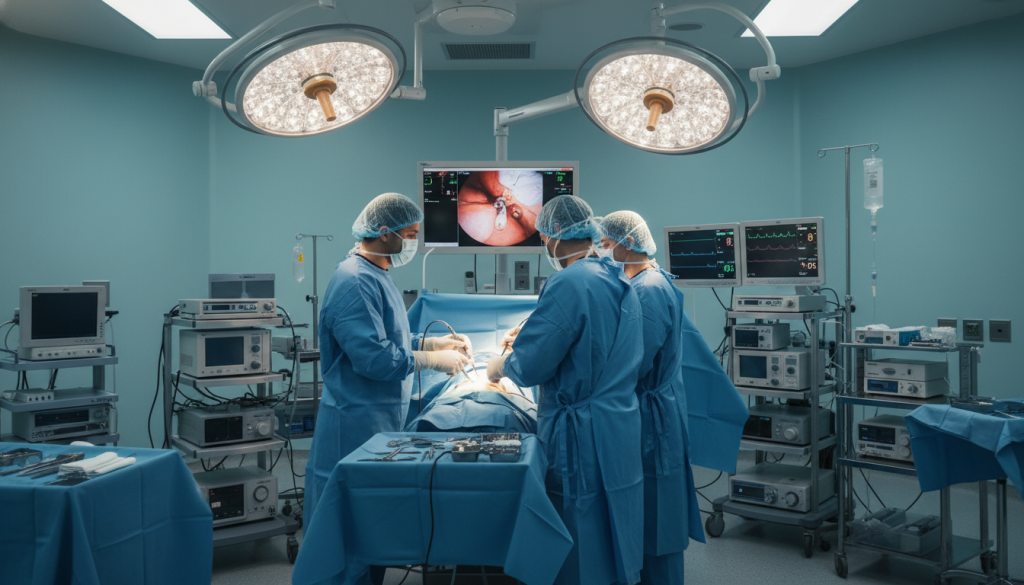
Choosing surgery is a big step towards a better life. Our team at Acıbadem Healthcare Group offers top-notch care every step of the way. We make sure you’re well-informed and supported from start to finish.
If you’re dealing with ongoing pain, talking to a specialist is key. We focus on clear talk and expert advice for the best results. Your health and happiness are our main goals as we help you through this.
Recovery and Post-Surgery Lifestyle Adjustments
After your gallstone surgery, the healing journey starts with simple steps. Most patients get back to their usual life in just a few weeks. Patience is key during this time as your body adjusts to its new state.
Your digestive system needs time to adjust without a gallbladder. Eating smaller meals often helps your body digest fats better. This way, you avoid discomfort and get the nutrients you need while healing.
Our team is here to support you every step of the way. If you have any concerns or symptoms, don’t hesitate to contact us. We’re dedicated to making your recovery as smooth and comfortable as possible after your gallstone surgery.
| Recovery Phase | Expected Timeline | Recommended Focus |
|---|---|---|
| Immediate Post-Op | Days 1-3 | Rest and hydration |
| Early Recovery | Weeks 1-2 | Light activity and small meals |
| Full Return | Weeks 3-6 | Gradual diet expansion |
| Long-term Health | Ongoing | Balanced, low-fat nutrition |
Nutritional Strategies and the Gallstone Diet
A well-planned diet is key for a healthy digestive system. A balanced gallstone diet gives your body the nutrients it needs. We know making these changes can seem hard, but small steps lead to big results.
Eating foods high in fiber and healthy fats helps manage symptoms. Foods like whole grains, fruits, and veggies keep your system running well. Choosing these foods helps you stay healthy and reduces gallbladder strain.
It’s important to avoid processed foods and saturated fats. Fried foods and heavy creams can cause discomfort. Your comfort is our priority, and we’re here to help you make choices that improve your health.
| Food Category | Recommended Choices | Foods to Limit |
|---|---|---|
| Fats | Olive oil, avocado | Butter, lard, fried foods |
| Fiber | Oats, beans, lentils | Refined white flour |
| Proteins | Lean poultry, fish | High-fat red meats |
Focus on fresh, whole foods to help your body heal and thrive. We offer these tips to support your health. Consistency is the secret to feeling great every day.
Natural Remedies and Their Scientific Validity
Have you thought about using gallbladder flushes or herbal supplements to get rid of gallstones? Many people look for gentle, non-invasive health solutions. It’s natural to want to avoid surgery or harsh treatments.
But, it’s important to know that there’s no strong scientific proof these methods work. Some “flushes” involve drinking lots of oil and citrus juice. This can upset your stomach and might even cause a gallbladder attack.
We advise talking to our doctors before trying any alternative treatments. Your safety is our top priority. We want to make sure you’re not harming your health with unproven methods. Sticking to evidence-based medicine is the safest way to care for your health.
The table below shows the difference between what people think natural remedies can do and what really happens in gallbladder care.
| Approach | Common Belief | Clinical Reality |
|---|---|---|
| Gallbladder Flushes | Dissolves stones naturally | No evidence; risk of obstruction |
| Herbal Supplements | Prevents stone formation | Lack of clinical validation |
| Dietary Cleanses | Clears the bile ducts | May cause digestive distress |
| Evidence-Based Care | Requires medical oversight | Proven safety and efficacy |
Your health journey is unique, and we’re here to guide you. If you have questions about your treatment, please contact our team. We’re dedicated to helping you make choices that are best for your health in the long run.
Preventive Measures for Long-Term Gallbladder Health
Small, consistent changes in your daily routine can make a big difference in your health. Taking care of your wellness journey is the best way to lower the risk of gallbladder stones. By adopting sustainable habits, you can safeguard your digestive system from future issues.
Keeping a healthy weight through regular exercise and a balanced diet is key. Avoiding quick weight loss helps keep your bile chemistry stable. This prevents the formation of stones. Consistency is better than extreme, short-term dieting.
Staying well-hydrated is also important for your gallbladder. Drinking enough water keeps bile thin and flowing well. This is vital for preventing gallbladder stones. See these changes as positive steps toward a healthier life, not restrictive burdens.
Your dedication to these habits gives you control over your body. Focusing on gallstone prevention today means better digestive health for years ahead. We’re here to support you as you make these lasting, meaningful changes for your well-being.
When to Seek Emergency Medical Attention
Knowing the signs of a medical emergency is key to your recovery. While many gallbladder problems can be handled with regular care, some symptoms mean you need immediate medical intervention. Your safety and health are our top priorities. We want you to feel confident in making the right choices during emergencies.
If you have severe, persistent abdominal pain that won’t let you sit comfortably, seek emergency care. This pain often means a stone has blocked something or caused inflammation. When pain gets too much, it’s time to go to the emergency room.
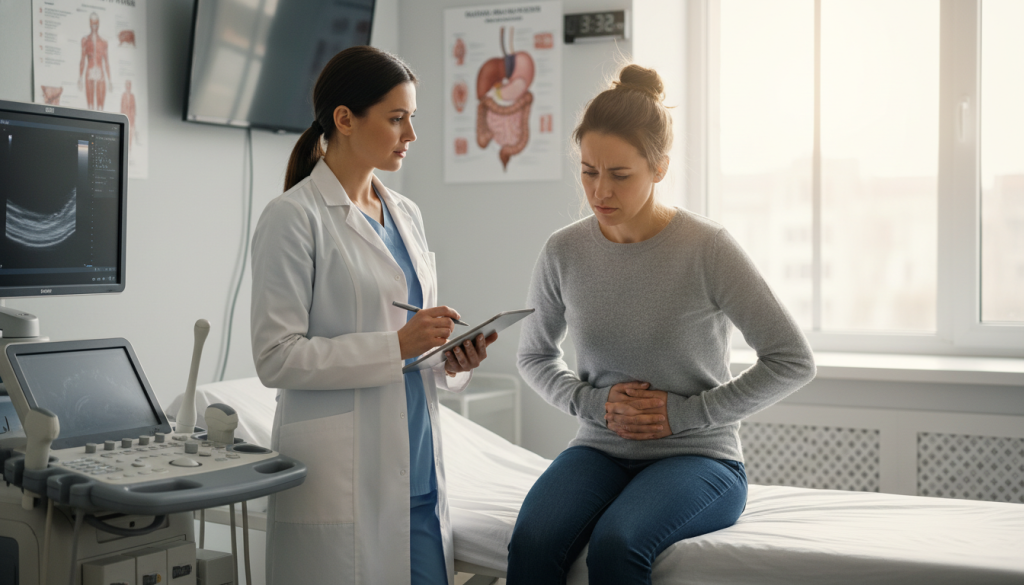
Watch out for signs of infection too. A high fever with chills is a big warning sign. It means your gallbladder or bile ducts might be infected. This needs quick treatment to avoid more problems.
Also, look out for yellowing of the skin or the whites of the eyes, known as jaundice. This usually means a gallstone is blocking the bile duct. If you see this, call a doctor right away to avoid liver or pancreatic issues.
We’re here to help whenever you need it. Knowing these important signs helps you take care of yourself. It ensures you get the timely care you need for a good outcome. Don’t hesitate to ask for help if you’re unsure about your symptoms.
Conclusion
Managing gallstones well needs a good diagnosis, expert advice, and a healthy lifestyle. You now know how to spot symptoms early and choose the right care.
This guide should have given you the clarity and confidence to handle your gallbladder health. Your commitment to wellness is key for long-term comfort and energy.
At Acıbadem Healthcare Group, we’re here to support you with top-notch care and knowledge. We focus on your comfort and recovery at every treatment step.
If you have more questions or need a personal consultation, please contact us. Your journey to better health begins with a conversation. We’re ready to help you.
FAQ
Q: What exactly are gallstones and how do they develop?
A: Gallstones are hard, pebble-like deposits in the gallbladder. They form when there’s a chemical imbalance in the bile. This imbalance can happen if there’s too much cholesterol or bilirubin in the bile, or if the gallbladder doesn’t empty often enough. At Acıbadem Healthcare Group, we know these stones can vary greatly in size, from tiny grains to golf balls.
Q: What are the primary types of gallstones diagnosed by specialists?
A: There are two main types of gallstones: cholesterol stones and pigment stones. Cholesterol stones are yellow-green and the most common. Pigment stones are smaller and darker, made mostly of bilirubin. Knowing the type helps our team find the best way to manage your health.
Q: What are the most common symptoms of gallstones I should watch for?
A: Many people don’t show symptoms, but common signs include sudden, sharp pain in the upper right abdomen. This pain might spread to the right shoulder or back. It often comes with nausea or vomiting. If you notice these signs, get checked by a professional to avoid complications.
Q: What are the leading causes of gallstones and related risk factors?
A: Gallstones often come from a mix of genetics, age, and metabolic health. Risk factors include being overweight, not being active, or losing weight too fast. This can upset the balance of your bile. We help our patients understand these factors and create plans to prevent gallstones.
Q: How is a diagnosis of gallbladder stones confirmed?
A: We use advanced imaging, like abdominal ultrasound, to accurately diagnose gallstones. This method lets us see the stones clearly without surgery. Sometimes, we also do blood tests to check for infection, jaundice, or bile duct blockages.
Q: What does a recommended gallstone diet involve?
A: A good diet for gallstones focuses on digestive health and weight control. We recommend eating lots of fiber from fruits, veggies, and whole grains. Also, include healthy fats like olive oil. Avoid processed foods and saturated fats, as they can cause discomfort and stone formation.
Q: What are the available gallstone treatment options?
A: Treatment varies based on symptom severity. For severe pain, surgery, like a cholecystectomy, is usually the best choice. For some, oral therapy to dissolve cholesterol stones is an option, though it can take months or years.
Q: Is gallstone surgery a major procedure, and what is the recovery like?
A: Most gallstone surgeries are minimally invasive, using small incisions and cameras. At Acıbadem Healthcare Group, most patients can get back to normal in a few weeks. After surgery, your body will keep making bile, but we guide you on temporary diet changes for a smooth recovery.
Q: Are “gallbladder flushes” or natural remedies effective for passing stones?
A: We advise against “gallbladder flushes” or herbal remedies claiming to dissolve stones. There’s no scientific proof they work or are safe. In fact, they can sometimes cause harm by moving stones into dangerous spots. Always choose evidence-based medical care for your safety.
Q: When should I seek emergency medical attention for gallbladder issues?
A: Seek immediate care for severe, ongoing abdominal pain, high fever with chills, or yellow skin and eyes (jaundice). These signs may mean a serious blockage or infection in the bile ducts. Our emergency teams are ready to provide urgent, top-notch care to protect your health.