


The human body has a complex system of glands to keep balance. This endocrine system is like a web, sending chemical messages to control important functions. These include metabolism, growth, and mood. When these messages get out of sync, it can cause Hormonal Disorders that affect your daily life.
We think that knowledge is the first step toward healing. Knowing how your body’s systems work helps you take charge of your health. We want to clear up common symptoms and how to get diagnosed, so you can make smart choices.
At Acıbadem Healthcare Group, we’re here to help you feel your best. We’re dedicated to guiding you through the complex world of Hormonal Disorders with care and confidence.
Key Takeaways
- The endocrine system uses chemical messengers to regulate essential bodily processes.
- Imbalances in these signals can cause a wide range of physical and emotional symptoms.
- Early diagnosis is vital for managing long-term health outcomes effectively.
- Patient education empowers individuals to participate actively in their treatment plans.
- Our team provides world-class medical expertise to guide your unique healthcare journey.
Understanding the Endocrine System and Hormone Function
Let’s dive into the world of the endocrine system, your body’s silent conductor. This network of glands works hard to keep your body balanced. They do this by sending hormones into your bloodstream, controlling your health.
Hormones are like specialized chemical messengers in your body. They travel to specific cells or organs, sending important messages. These messages help manage your metabolism, growth, and reproductive health, keeping everything working together.
When your hormones are in balance, you might feel full of energy and balanced. But, even small changes in hormone levels can affect how you feel. Spotting these changes is key to knowing if Endocrine Disorders are affecting you.
Knowing how your body talks to itself is vital for your health. By understanding this, you can notice when something’s off. Catching early signs of Endocrine Disorders helps you get the right help and find balance again.
Defining Hormonal Disorders and Their Impact
Understanding Hormonal Disorders is key to improving your health. These conditions happen when your body makes too much or too little of a hormone. Hormones control almost every body function, so even small changes can cause big health problems.
Disruptions in your body’s signals can affect more than one part of your body. You might feel tired all the time, have mood swings, or feel unwell. These signs show that your body’s balance is off.
Spotting the early signs of Hormonal Disorders is important to avoid serious health issues. By catching symptoms early, we can help your body get back in balance. Our goal is to give you a care plan that fits you, helping you feel better and regain your energy.
Common Symptoms of Hormone Imbalance
Your body often sends out subtle signals that might mean you have a hormone imbalance. These signs are often vague and can be overlooked. It’s important to listen to how your body feels every day.
Signs like unexplained weight changes, constant tiredness, and mood swings are common. You might also find it hard to sleep well, even when you’re resting. These symptoms are clues for your doctor.
Keeping a log of your symptoms is very helpful. It gives us the information we need to figure out if you have a hormone imbalance. Working together, we can better understand your health.
| Symptom Category | Common Manifestations | Potential Impact |
|---|---|---|
| Metabolic | Weight gain or loss | Energy levels |
| Emotional | Mood swings, anxiety | Daily well-being |
| Physical | Fatigue, sleep issues | Cognitive function |
| Systemic | Hormone imbalance signs | Overall health |
Dealing with these changes can be tough. We aim to offer the necessary guidance to find the cause of your discomfort. Whether it’s a small change or a big hormone imbalance, we’re here to support you.
Diagnostic Approaches for Hormonal Disorders
Finding the right diagnosis is key to managing Hormonal Disorders well. We think clear information is the base of any good treatment plan. By mixing your medical history with today’s tech, we can find the main cause of your symptoms.
Our team starts by looking over your medical history and current symptoms. This collaborative process helps us get to know your health needs before we do any tests. We want you to feel in the loop and supported every step of the way.
We use advanced lab methods to figure out hormone levels. We take blood tests at different times to match your body’s natural cycles. These tests help us spot Hormonal Disorders accurately, without any doubts.
We also use imaging studies to see how endocrine glands work. These tools give us a clear view of gland health. Below is a table showing the tests we use to check your endocrine health.
| Diagnostic Method | Purpose of Test | Clinical Insight |
|---|---|---|
| Serum Hormone Panel | Measures circulating hormone levels | Identifies baseline imbalances |
| Dynamic Stimulation Test | Assesses gland response to triggers | Detects subtle gland dysfunction |
| Ultrasound Imaging | Visualizes gland size and shape | Rules out structural abnormalities |
| Clinical History Review | Evaluates symptom patterns | Guides personalized treatment |
It’s just as important to understand your test results as it is to do the tests. We make sure to explain what your numbers mean for your health. By making the diagnostic process clear for Hormonal Disorders, we help you make informed choices about your health.
Thyroid Disorders and Metabolic Health
The thyroid is like your body’s internal thermostat. It controls your heart rate and weight. This small gland is key to your metabolism. When it’s off, you might face Thyroid Disorders that affect your life.
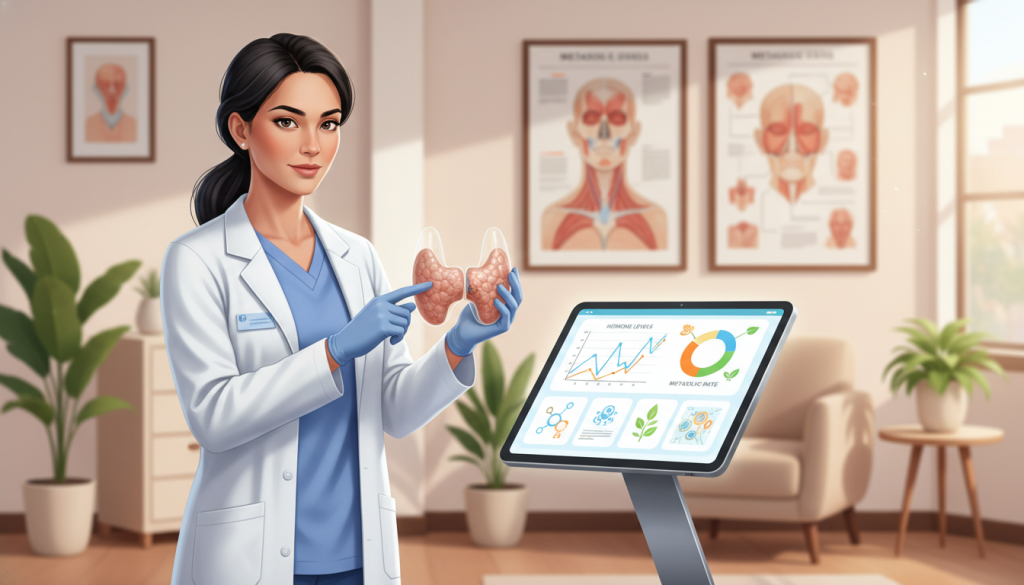
Hypothyroidism means your gland doesn’t make enough hormone. This can make you tired and gain weight. On the other hand, hyperthyroidism means your gland makes too much hormone. This can make your heart race and you lose weight without trying.
Dealing with Thyroid Disorders means knowing how your body uses energy. Our team uses blood tests to check your hormone levels. We track TSH, T3, and T4 to find the right treatment for you.
| Feature | Hypothyroidism | Hyperthyroidism |
|---|---|---|
| Energy Levels | Low and sluggish | High and restless |
| Heart Rate | Often slower | Often faster |
| Weight Trend | Tendency to gain | Tendency to lose |
We know these conditions are highly manageable with the right care. With regular checks and the right meds, most people get back to normal. You don’t have to face Thyroid Disorders alone. We’re here to help your metabolic health for the long term.
Adrenal Disorders and Stress Response
Adrenal disorders can really mess up how your body handles stress. These tiny glands sit on top of your kidneys. They control how you react to stress.
They make cortisol, known as the main stress hormone. When they work right, they help you deal with everyday stress. But, if they don’t, your body’s balance is at risk.
Adrenal Disorders happen when you make too much or too little hormone. Too much cortisol can cause weight gain, high blood pressure, and mood swings. Not enough can lead to constant tiredness, weak muscles, and low blood pressure.
It’s important to notice early signs of these problems. Watch for changes in your energy, sleep, and mood. Catching it early helps you manage it better.
| Condition Type | Primary Hormone Effect | Common Clinical Sign |
|---|---|---|
| Hyper-function | Excess Cortisol | Increased Blood Pressure |
| Hypo-function | Deficient Cortisol | Chronic Fatigue |
| Balanced State | Optimal Regulation | Stable Energy Levels |
Dealing with Adrenal Disorders needs teamwork between you and your doctor. Treatment might include medicine to balance hormones and lifestyle changes. Getting enough sleep, eating well, and finding ways to relax can help you feel better.
Pituitary Disorders and Master Gland Dysfunction
The pituitary gland is known as the master gland. It controls many other glands in your body. This small gland at the brain’s base is key for hormone production. Problems here can lead to Pituitary Disorders and many symptoms.
Even small issues or tumors in this gland can upset your endocrine system’s balance. The pituitary gland controls the thyroid, adrenal glands, and reproductive organs. Its problems can cause complex health issues. We work fast to find these problems early to avoid long-term health issues.
Our specialists use advanced imaging and hormone tests to diagnose. These tools help us find the exact problem. Understanding Pituitary Disorders is key to managing them and getting your hormones back in balance.
The table below shows common pituitary problems and what they mainly affect:
| Condition | Primary Impact | Diagnostic Focus |
|---|---|---|
| Prolactinoma | Reproductive hormones | Serum prolactin levels |
| Cushing’s Disease | Adrenal cortisol output | ACTH stimulation tests |
| Acromegaly | Growth hormone excess | IGF-1 blood markers |
| Diabetes Insipidus | Fluid balance regulation | Urine concentration tests |
We are here to support you at every step. Our team combines medical knowledge with a focus on you. We guide you through Pituitary Disorders with confidence. Your journey to better health starts with the right information and expert help.
Reproductive Hormone Imbalances in Women
We’re here to help you grasp what affects your reproductive health and hormonal balance. Hormones like estrogen and progesterone play a key role in your wellness. Changes in these levels can lead to a Hormone Imbalance, impacting your daily life.
PCOS is a common cause of these imbalances. It leads to too much androgens, disrupting ovulation. Spotting these signs early is key to managing and maintaining your health.
Perimenopause is another time when Hormone Imbalance often happens. As estrogen levels drop, symptoms can be tough to handle. We aim to give you caring, science-backed info to help you through these changes.
We want to give you the tools to make smart choices about your reproductive health. Knowing what causes a Hormone Imbalance lets you work with your doctor on a wellness plan. You deserve support at every life stage, keeping your health first.
Reproductive Hormone Imbalances in Men
Hormone Imbalance is a big health issue for men, not just women. As men get older, their testosterone and other important hormones can change. This can make them feel different. Spotting these changes early is key to getting back to feeling good.
Many men think small changes are just part of getting older. But, signs like losing muscle, feeling tired all the time, and a drop in sex drive are real. Hormones also affect mood, making some men feel grumpy or anxious.
We aim to find and fix the cause of every Hormone Imbalance to boost your energy. We use detailed tests to check your hormone levels. Then, we make a plan just for you to help your body and mind.
We offer a safe space for men to talk about these sensitive topics. Our team is here to help you feel your best. Below, we list some signs that might mean you need to see a doctor.
| Symptom Category | Common Manifestation | Potential Impact |
|---|---|---|
| Physical | Loss of muscle mass | Reduced strength and stamina |
| Sexual | Decreased libido | Impact on intimacy and confidence |
| Emotional | Mood fluctuations | Increased stress and irritability |
| General | Persistent fatigue | Lowered daily productivity |
Pancreatic Hormone Issues and Diabetes
The pancreas is key for keeping your body’s balance right. It makes enzymes for digestion and hormones for blood sugar. When it gets out of whack, it can cause Hormone-Related Diseases that affect your life.
Two main hormones, insulin and glucagon, are at the center. Insulin lowers blood sugar by helping cells use it for energy. Glucagon tells the liver to release glucose when you need it.

When these hormones don’t work right, your energy levels suffer. This is a big problem in Hormone-Related Diseases, like diabetes. Without the right care, it can harm your heart, nerves, and kidneys.
We think a mix of lifestyle changes and medicine is best. Eating right, staying active, and taking your meds can help control sugar levels. Our team is here to help you manage these issues and avoid bigger health problems.
Knowing how pancreatic hormones work is key to staying healthy. The table below shows how they work together to keep your metabolism in check.
| Hormone | Primary Function | Effect on Blood Sugar |
|---|---|---|
| Insulin | Promotes glucose uptake | Decreases levels |
| Glucagon | Stimulates glucose release | Increases levels |
| Somatostatin | Regulates other hormones | Stabilizes secretion |
Handling Hormone-Related Diseases needs teamwork between you and your doctor. We’re here to help you keep your metabolism in balance and improve your health.
Lifestyle Factors Influencing Endocrine Health
Managing Endocrine Disorders well needs both doctor’s care and daily choices. Your daily habits are key to keeping hormones balanced. Making lasting changes helps your body work better and improves your health.
What you eat fuels your endocrine system. Eating whole foods, healthy fats, and fiber keeps blood sugar steady and helps make hormones. Small, consistent shifts in your diet can greatly help your glands work better.
Being active is also vital for health with Endocrine Disorders. Exercise makes your body better at using insulin and keeps stress hormones in check. Walking, swimming, or lifting weights keeps your metabolism healthy.
Good sleep is key for hormone balance. Deep sleep helps your body fix itself and control hormones like growth hormones and melatonin. A regular sleep schedule lets your endocrine system recover from daily stress.
Adding these habits doesn’t have to be hard. Start with one change, like better sleep or more veggies. Taking these actionable steps helps you manage Endocrine Disorders and live a healthier life.
Environmental Disruptors and Hormone Health
We often overlook the hidden environmental factors that contribute to Endocrine Disorders. Modern life exposes us to synthetic chemicals called endocrine-disrupting chemicals, or EDCs. These substances can mimic or block natural hormones, leading to health challenges.
These chemicals are in everyday items, like plastic containers and personal care products. When they enter the body, they can disrupt the endocrine system’s signaling pathways. Understanding these risks is the first step toward protecting your long-term well-being.
You can take proactive steps to minimize your exposure to these disruptors. Simple changes, like choosing glass storage instead of plastic or opting for fragrance-free products, can help. By making informed choices, you reduce the burden on your body’s natural hormone regulation.
We believe that knowledge empowers you to create a safer home and work environment. Being mindful of the materials you interact with daily helps support your overall hormonal health. Below is a guide to common sources of disruptors and how to replace them with safer alternatives.
| Source Category | Common Disruptor | Safer Alternative |
|---|---|---|
| Food Storage | BPA in plastics | Glass or stainless steel |
| Personal Care | Phthalates in fragrances | Fragrance-free or natural oils |
| Cleaning Supplies | Synthetic chemicals | Vinegar or baking soda |
| Cookware | Non-stick coatings | Cast iron or ceramic |
Reducing your contact with these chemicals is a vital strategy in managing Endocrine Disorders. While we cannot avoid every environmental factor, small, consistent adjustments lead to better health outcomes. We encourage you to prioritize these changes to support your body’s natural balance.
Medical Treatments and Hormone Replacement Therapy
When lifestyle changes don’t work, medical help is needed to balance hormones. We know that treating Hormone-Related Diseases needs a careful, science-backed approach. This ensures your health and happiness for the long run.
Hormone Replacement Therapy (HRT) is key for those with big hormone gaps. It adds the missing hormones to ease symptoms and boost life quality. Safety is our top concern in this process.
Every person is different, so we create custom treatment plans. Our experts look at your health history and current symptoms to find the best solution. We want you to be informed and in control of your health journey.
HRT has many benefits, but it also has risks. We do detailed checks to see how you react to the therapy and adjust it as needed. Working closely with our team is key to managing Hormone-Related Diseases well.
| Treatment Type | Primary Goal | Common Application |
|---|---|---|
| Hormone Replacement Therapy | Restore physiological levels | Menopause or Hypogonadism |
| Thyroid Medication | Regulate metabolic rate | Hypothyroidism |
| Insulin Therapy | Manage blood glucose | Diabetes Mellitus |
| Adrenal Support | Balance stress response | Adrenal insufficiency |
Integrative Approaches to Managing Hormone Dysfunction
Integrative medicine combines science with lifestyle strategies to tackle hormone dysfunction. It views the body as a complex system, not just a set of symptoms. This approach aims to enhance your health over time.
We work with you to craft a plan that meets your health needs. Nutritional counseling is key, as what you eat affects your hormones. Stabilizing blood sugar and adding essential nutrients helps your body regulate hormones better.
Managing stress is also critical in our hormone dysfunction treatment. Stress can upset hormone balance. We use mindfulness, exercise, and sleep to reduce stress and aid your body’s healing.
We focus on your overall well-being with a whole-person approach. This method uncovers hidden issues that might be missed in traditional care. Below is a table showing how we combine strategies for your health.
| Strategy Category | Conventional Focus | Integrative Support |
|---|---|---|
| Hormone Dysfunction | Medication and Testing | Lifestyle and Nutrition |
| Stress Response | Clinical Monitoring | Mindfulness and Therapy |
| Metabolic Health | Blood Sugar Control | Dietary Counseling |
| Patient Goals | Symptom Reduction | Long-term Vitality |
Choosing integrative care means you’re involved in your healing. We offer expert guidance and support. Together, we can create a strong foundation for your health and well-being.
Conclusion
Getting to optimal health is a team effort between you and your doctors. At Acıbadem Healthcare Group, we think informed patients make the best choices for their health. This leads to long-term wellness.
Handling Hormone Dysfunction is a team effort that changes as you do. We have the skills and tools to help you deal with these complex changes confidently.
You’re not alone in your quest for a balanced life. Our specialists are here to support you at every step of treatment and recovery. We focus on your well-being by creating care plans that fit your unique needs and health history.
We encourage you to contact our clinical team to talk about your health concerns. Taking this step helps us tackle Hormone Dysfunction effectively and helps you feel better. Your health is our main goal, and we’re excited to help you towards a healthier future.
FAQ
Q: What exactly are Hormonal Disorders and how do they affect the body?
A: Hormonal Disorders happen when the body makes too much or too little of certain chemicals. At Acıbadem Healthcare Group, we know even small changes can affect a lot. This can mess with your energy, mood, heart rate, and how you digest food.
These issues upset the body’s balance needed for good health.
Q: How can I recognize the early signs of a Hormone Imbalance?
A: Spotting a Hormone Imbalance can be tricky because symptoms are often mild and not clear. Signs include sudden weight changes, feeling very tired, mood swings, and trouble sleeping. We tell our patients to keep track of these changes.
This info helps us figure out if it’s a short-term issue or a long-term problem.
Q: What are the most common types of Endocrine Disorders treated at Acıbadem Healthcare Group?
A: We handle many Endocrine Disorders, like thyroid, adrenal, and pancreas problems. Our goal is to find the right treatment for you. We aim to get your body back in balance.
Q: What is the difference between the various Thyroid Disorders?
A: Thyroid Disorders are mainly hypothyroidism (underactive thyroid) and hyperthyroidism (overactive thyroid). Hypothyroidism makes you feel slow and cold. Hyperthyroidism can make your heart race and you lose weight without trying.
Our team keeps a close eye on these conditions to make sure your body works right.
Q: Why are Pituitary Disorders referred to as “master gland” issues?
A: The pituitary gland is called the “master gland” because it tells other glands what to do. Pituitary Disorders can cause many symptoms in the body. Even a small problem here can affect growth, blood pressure, and reproductive health.
We use precise tests to find and treat these issues.
Q: How do Adrenal Disorders impact my daily energy and stress levels?
A: Adrenal Disorders affect how you handle stress and energy. The adrenal glands, on top of the kidneys, make hormones like cortisol. If they don’t work right, you might feel very tired or anxious all the time.
We focus on treatments that help your body balance itself again.
Q: What are some common Hormone-Related Diseases involving the pancreas?
A: The most common disease linked to the pancreas is diabetes. It happens when insulin production or use is off. Managing diabetes requires medicine and lifestyle changes to keep blood sugar stable.
At Acıbadem Healthcare Group, we work with you to avoid serious problems through ongoing monitoring.
Q: Can lifestyle choices really help in managing Hormone Dysfunction?
A: Yes, lifestyle choices are key in managing Hormone Dysfunction. While medicine is often needed, healthy habits like diet, exercise, and sleep help your body regulate itself. We give you tips to make these changes, which can greatly improve your health and life quality.
Q: What should I expect during a diagnostic evaluation for Hormonal Disorders?
A: Our diagnostic process is thorough and clear. It includes blood tests, imaging, and a detailed look at your medical history. We explain each test so you understand the process and its purpose.
Q: Is Hormone Replacement Therapy (HRT) a standard treatment for Hormone Imbalance?
A: For many, HRT is a key treatment for Hormone Imbalance. We customize these therapies to fit your needs, weighing the benefits and risks. Our team at Acıbadem Healthcare Group ensures your treatment is safe and effective, guiding you every step of the way.