

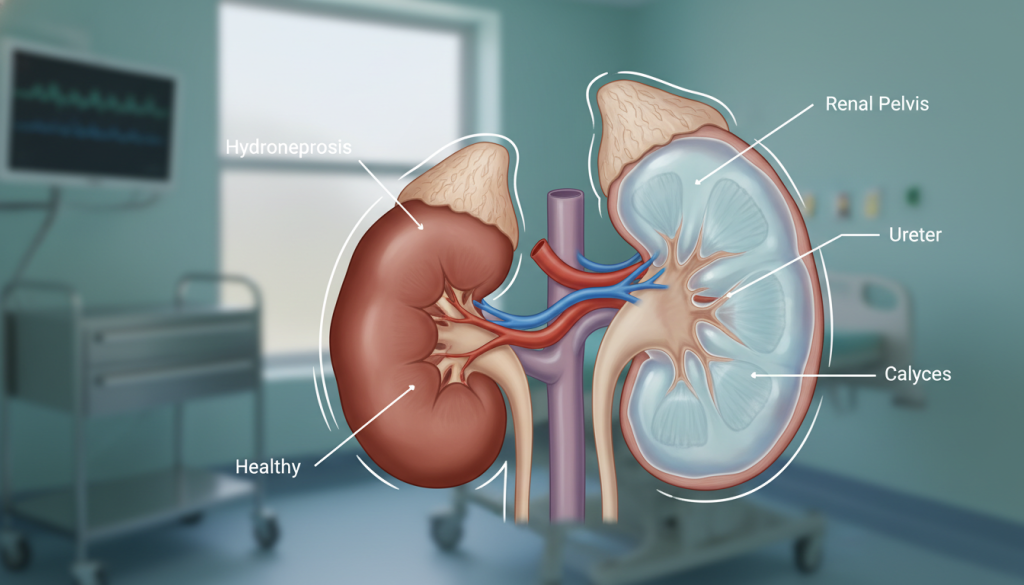
When you get a medical diagnosis, it’s normal to worry about your health. At Acıbadem Healthcare Group, we think knowledge is the first step toward healing. We often help patients with hydronephrosis, a condition where urine builds up in the kidney, making it swell.
This swelling is due to a blockage in the urine flow. The term might sound scary, but knowing how your kidneys work can help you feel more in charge. We’re here to help you understand your treatment options and get your kidney working right again.
Together, we can find the cause of this problem and protect your health. Your health is our priority. We’re dedicated to giving you the information you need to make smart choices about your recovery.
Key Takeaways
- Hydronephrosis is a condition where urine builds up in the kidney.
- The main cause is usually a blockage that stops urine from flowing normally.
- Spotting and treating it early is key to keeping your kidneys healthy.
- Our team works to find the exact blockage for targeted care.
- We focus on educating our patients to support them on their treatment path.
Understanding Hydronephrosis
Hydronephrosis is when urine can’t flow out of the kidney. This leads to urine buildup, causing the kidney to swell and stretch.
Medical images often show renal pelvis dilatation. This means the kidney’s central part, where urine collects, gets wider.
This issue is like a kink in a hose. The blockage stops urine flow. It’s important to get a doctor’s check-up to avoid kidney damage.
Knowing the difference between a healthy kidney and one with hydronephrosis is key. The table below shows the main differences seen in medical checks.
| Feature | Normal Kidney | Hydronephrosis |
|---|---|---|
| Urine Flow | Unobstructed and steady | Blocked or restricted |
| Renal Pelvis | Standard, narrow shape | Visible dilatation |
| Internal Pressure | Low and stable | Increased due to buildup |
| Tissue Status | Healthy and intact | Potential for stretching |
Spotting these changes early helps us tackle the problem. Early intervention is key to avoiding more issues and keeping your kidneys working well.
Anatomy and Physiology of the Urinary Tract
Understanding urinary tract obstruction starts with knowing how urine flows through us. Our urinary system is a top-notch filter and drainage system. It keeps our body’s balance.
This system has four main parts: the kidneys, ureters, bladder, and urethra. Each part is vital for removing waste from our blood and body.
The kidneys filter our blood, making urine that goes down the ureters to the bladder. If this flow stops, urine can go back up to the kidneys. This causes kidney swelling, a serious issue that needs quick medical care.
Knowing how these parts work together helps us see how a small blockage can affect everything. Keeping fluid paths clear is key to our kidneys’ health.
| Structure | Primary Function | Role in Drainage |
|---|---|---|
| Kidneys | Filter blood and produce urine | Initiates the flow |
| Ureters | Transport urine to the bladder | Maintains directional flow |
| Bladder | Stores urine until excretion | Regulates release |
| Urethra | Expels urine from the body | Final exit point |
Primary Causes of Hydronephrosis
Finding out why a kidney is blocked is key to fixing it. When urine can’t flow, it builds up and causes swelling. We look at two main reasons: blockages inside and outside the kidney.
Kidney stones are a big cause. These hard pieces can move into the ureter and block it. This ureteral obstruction stops urine from getting to the bladder. Stones can be small or big, causing little pain or a full block.
Other things can also block the way. For example, tumors, scar tissue, or big organs can press on the ureters. This outside pressure makes it hard for the kidney to work.
We think it’s important to check everything carefully. Knowing if the blockage is inside or outside helps us plan the best treatment. This way, we can help patients get the right care for their ureteral obstruction or other symptoms.
| Category | Common Cause | Impact on Flow |
|---|---|---|
| Internal | Kidney stones | High blockage risk |
| Structural | Scar tissue | Chronic narrowing |
| External | Tumors | Pressure-based restriction |
Symptoms and Clinical Presentation
When the urinary system faces an obstruction, the body often sends clear signals that something is wrong. A hydronephrotic kidney occurs when urine cannot drain properly, leading to pressure buildup and swelling. Recognizing these early warning signs is essential for receiving timely medical care and protecting your long-term health.
One of the most common experiences reported by patients is renal colic. This condition is characterized by sharp, intense, and intermittent pain that typically radiates from the flank area toward the lower abdomen or groin. Because this pain can be quite severe, it often serves as the primary reason individuals seek emergency medical evaluation.
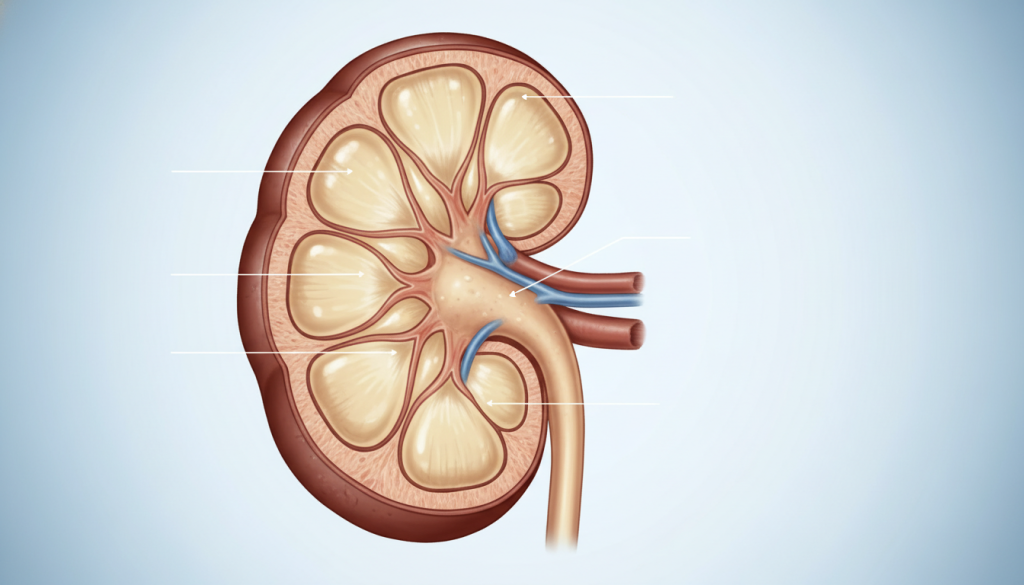
Beyond the classic presentation of renal colic, patients may notice other physical changes. You might experience persistent nausea, vomiting, or a noticeable change in your urinary habits, such as increased frequency or difficulty passing urine. It is important to monitor these symptoms closely, as they provide vital clues to your healthcare team.
We encourage you to keep a detailed log of your symptoms to share during your consultation. Being able to describe the intensity, duration, and location of your discomfort helps your doctor accurately assess the severity of the hydronephrotic kidney. Clear communication is the first step toward an effective treatment plan and a smoother recovery process.
Diagnostic Procedures and Imaging
When we suspect renal pelvis dilatation, we turn to imaging. We choose non-invasive methods to see inside the kidneys. This helps us find obstructions and plan the best treatment.
Ultrasound is our first choice for kidney swelling. It uses sound waves to show the urinary tract in real-time. It’s safe, effective, and easy to find in the U.S.
We also use other imaging to get a better look. These tools help us tell if swelling is temporary or serious. By combining these, we make sure each patient gets a personalized treatment plan.
| Imaging Method | Primary Use | Key Benefit |
|---|---|---|
| Ultrasound | Initial screening for renal pelvis dilatation | No radiation exposure |
| CT Scan | Detailed stone visualization | High anatomical resolution |
| MRI | Soft tissue assessment | Excellent contrast detail |
| Nuclear Scan | Functional kidney analysis | Measures drainage efficiency |
We think it’s important to talk about these tests clearly. Knowing how we check your kidney health helps you help your recovery. Our team is committed to using the most accurate and reliable methods.
Acute Versus Chronic Hydronephrosis
Understanding the difference between acute and chronic hydronephrosis is key. It helps us provide the right care for your health needs. We look at how fast and how long the blockage lasts in your urinary system.
Acute cases are sudden and urgent. They often cause urinary retention, where the bladder or ureters get blocked. This leads to a quick buildup of fluid. Prompt intervention is vital to avoid permanent kidney damage.
Chronic hydronephrosis develops slowly over time. The body might adapt, but the hydronephrotic kidney is at risk. Our aim is to find the cause and manage it to keep the kidney healthy for the long term.
The table below shows the main differences between acute and chronic hydronephrosis. It helps you understand the urgency of your situation.
| Feature | Acute Hydronephrosis | Chronic Hydronephrosis |
|---|---|---|
| Onset Speed | Sudden and rapid | Slow and progressive |
| Primary Symptom | Severe pain or urinary retention | Mild discomfort or asymptomatic |
| Clinical Urgency | Requires immediate relief | Requires long-term monitoring |
| Risk to Kidney | High risk of acute injury | Risk of gradual function loss |
Whether it’s a sudden blockage or a long-term issue, we’re here to protect your hydronephrotic kidney. Early treatment of urinary retention can greatly improve your outcome. It ensures your urinary tract works well.
Complications of Untreated Kidney Swelling
Your kidneys are very strong, but they can’t handle kidney swelling forever. When fluid builds up, it puts pressure on the tiny parts that filter your blood.
If you don’t get help, these tiny units, called nephrons, can get damaged for good. We want you to know that seeing a doctor quickly is key to keeping your kidneys working well.
Ignoring kidney swelling can lead to big health problems. One big risk is getting chronic infections that harm your kidney even more.
Long-term, the constant pressure can make your kidney stop working for good. That’s why it’s so important to take care of your health by watching your kidney health closely and following your treatment plan.
By teaming up with your doctor, you can control kidney swelling and avoid serious issues. Listening to your doctor’s advice is the best way to protect your health for the future.
Pediatric Hydronephrosis Considerations
When we see kidney swelling in kids, our main goal is to keep their kidneys healthy for the long run. In kids, this issue often comes from birth. Getting this news can be deeply concerning for parents.
We watch over the kids closely and give them special care. We use non-invasive tests to check the kidneys’ health as they grow. This way, we can spot problems early and prevent them from affecting the child’s growth.
Handling renal pelvis dilatation means working together with families. We offer clear, caring advice to help parents understand the diagnosis. By staying informed, you help support your child’s health journey.
Most kids with this issue can live healthy, active lives with proper care. We focus on gentle, effective treatments that are safe for growing bodies. Our goal is to give your child the best care for their future.
Pregnancy-Related Urinary Tract Obstruction
During pregnancy, some women might notice their kidneys look a bit swollen on scans. This is called physiological hydronephrosis. It’s a normal physiological adaptation to the body’s changes.
The growing uterus can put a lot of pressure on the ureters. These tubes carry urine from the kidneys to the bladder. This pressure can slow down urine flow, causing the kidney to hold more fluid.
This urinary tract obstruction is usually harmless and goes away after the baby is born. Healthcare providers keep a close eye on it during prenatal care. They know it’s a common issue.
But, it’s key to know when it’s not just normal pregnancy changes. If you have severe pain, fever, or trouble peeing, see your doctor. A mild ureteral obstruction is common, but any lasting symptoms need a check-up.
Knowing what to expect can help you feel more confident. Your healthcare team is there to help. They make sure any urinary tract obstruction is handled safely. Most cases don’t need complicated treatments.
Surgical Interventions and Procedures
Surgery might seem scary, but today’s methods are very effective. They help fix blockages when other treatments don’t work. Our main goal is to make sure your kidney can drain urine properly again.
The type of surgery needed depends on why the ureteral obstruction happened. Doctors often use small incisions to make recovery faster and less painful. These surgeries aim to clear or remove the blockage, so your kidney can drain again.
Doctors might put in a ureteral stent, a temporary tube, to keep the passage open. For more serious problems, they might do a pyeloplasty. This surgery fixes the connection between the kidney and the ureter. These life-improving interventions are common for those with ongoing issues.
How long it takes to get better depends on the surgery. But most people feel a lot better soon after. We make sure you know what to expect with your ureteral obstruction treatment. By fixing an obstructed kidney quickly, we help you live better and keep your kidneys healthy for a long time.
| Procedure Type | Primary Goal | Recovery Time |
|---|---|---|
| Ureteral Stenting | Immediate drainage | Short-term |
| Pyeloplasty | Structural repair | Moderate |
| Stone Removal | Obstruction clearance | Rapid |
Non-Surgical Management and Lifestyle Adjustments
We believe that empowering patients with knowledge is the first step toward effective symptom management. Many cases of hydronephrosis can be managed without surgery. By making changes to your daily routine, you can help your body heal and prevent future obstructions.
Drinking enough water is key to protecting your kidneys. Water helps dilute your urine, which prevents kidney stones from forming. When urine is not diluted, minerals can crystallize and cause blockages.
Managing urinary retention often involves simple changes. Try to go to the bathroom at the same times each day. This helps ensure your bladder empties fully. Also, limit sodium and processed foods to keep your urinary tract healthy.
The table below shows important lifestyle changes for managing symptoms and supporting kidney health. These steps help reduce the risk of kidney stones and urinary retention.
| Lifestyle Habit | Primary Benefit | Recommended Action |
|---|---|---|
| Hydration | Prevents stone formation | Drink 8-10 glasses of water daily |
| Dietary Control | Reduces mineral buildup | Limit sodium and oxalate intake |
| Bladder Training | Improves emptying | Schedule regular bathroom breaks |
| Physical Activity | Supports metabolic health | Engage in light daily exercise |
By adopting these habits, you lay a strong foundation for your health. While these steps are effective, always talk to your healthcare provider. They can help tailor these strategies to fit your needs. Consistent care and regular check-ups are key to keeping your kidneys healthy.
Prognosis and Long-Term Kidney Health
Recovery is not just about immediate treatment. It also means taking care of your kidneys for the long term. The outcome often depends on how long and severe the kidney swelling was. If treated quickly, most people see a big improvement in their kidney function.
We think that consistent follow-up care is key to a good recovery. Watching a hydronephrotic kidney closely helps catch problems early. This way, your kidneys stay healthy over time.
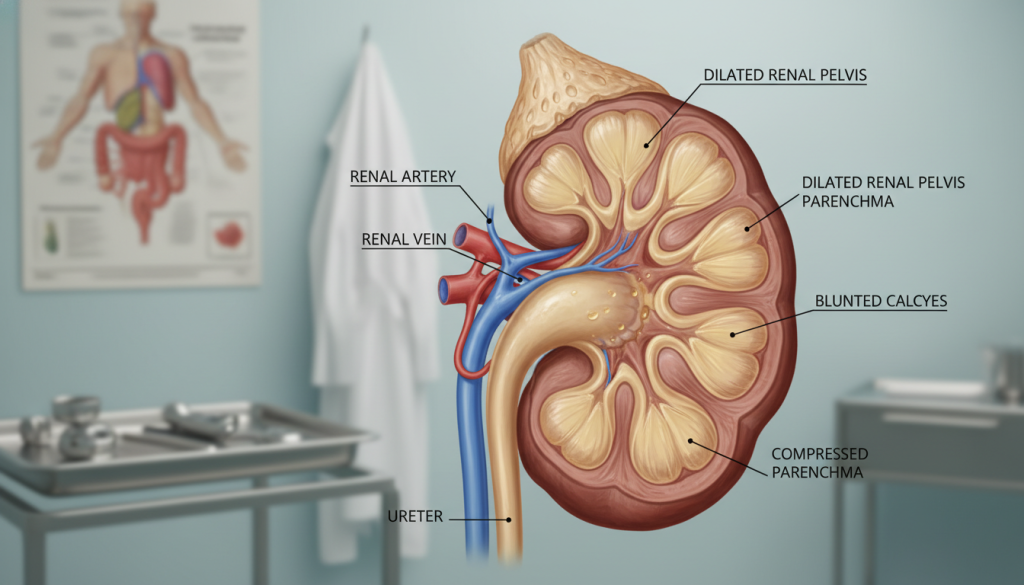
Regular checks help keep any swelling under control. We work with our patients to make care plans that meet their needs. This teamwork is important for keeping you healthy and preventing future problems.
Our aim is to help you take care of your kidneys. A kidney that was once hydronephrotic can work well for many years with the right care. We’re committed to giving you the expert guidance you need for a healthy, active life.
When to Seek Emergency Medical Attention
Many kidney issues develop slowly. But, some need quick medical help. If you think you have an obstructed kidney, look for warning signs. Ignoring these can cause serious harm or even be life-threatening.
Severe kidney stones can be very painful. But, some symptoms mean it’s more serious than just pain. Go to the emergency room if you have a high fever, chills, or keep vomiting along with your urinary issues. These could mean you have an infection that needs antibiotics fast.
Not being able to pass urine is a big warning sign. It means your kidney is blocked and needs help right away. Also, if pain is too much and doesn’t get better with medicine, get help fast.
Knowing when to see a doctor is key for kidney stones. Here’s a table to help you decide if you need to go to the hospital now or later.
| Symptom Category | Emergency Indicators | Recommended Action |
|---|---|---|
| Urinary Output | Complete inability to urinate | Go to Emergency Room |
| Systemic Health | High fever and shaking chills | Seek Urgent Care/ER |
| Pain Levels | Uncontrollable, severe agony | Call 911 or visit ER |
| Associated Signs | Persistent, severe vomiting | Immediate medical evaluation |
Conclusion
Understanding how your body works is key to long-term wellness. Spotting early signs of Hydronephrosis lets you act fast and avoid bigger problems.
We think informed patients make better choices for their health. Whether it’s the sudden pain of renal colic or the steady pressure of urinary retention, our team at Acıbadem Healthcare Group is here to help.
Our experts offer the care and tests needed to keep your kidneys healthy. We urge you to stay ahead by getting regular check-ups and watching for any changes in your urine habits.
Contact our clinical team today for advice that fits your unique situation. Your journey to better kidney health starts with a conversation with our caring medical experts.
FAQ
Q: What exactly is hydronephrosis and how does it affect the body?
A: Hydronephrosis is when a kidney swells because urine can’t flow to the bladder. This causes the kidney’s central area to get bigger. At Acıbadem Healthcare Group, we say it’s mainly a mechanical problem. It happens when something blocks the way urine flows, putting pressure on the kidney.
Q: What are the primary causes of an obstructed kidney?
A: Many things can block a kidney. Kidney stones are the most common cause. They can get stuck in the ureter. Other causes include birth defects, blood clots, or pressure from tumors or organs.
Q: How can I recognize the symptoms of a hydronephrotic kidney?
A: Signs of a hydronephrotic kidney include sharp pain in the flank or back. You might also notice changes in how often you need to pee. Seeing blood in your urine is another sign. If you can’t pee at all, you might feel pain in your belly and need to pee a lot.
Q: Is kidney swelling common during pregnancy?
A: Yes, many pregnant women get kidney swelling. It happens when the growing uterus presses on the ureters. At Acıbadem Healthcare Group, we watch it closely. It usually goes away after the baby is born.
Q: How do specialists diagnose renal pelvis dilatation?
A: We use a renal ultrasound to diagnose kidney swelling. It’s a safe way to see how swollen the kidney is and where the blockage is. For more detailed views, we might use CT scans or MRI.
Q: What is the difference between acute and chronic urinary tract obstruction?
A: Acute blockages happen suddenly, often from kidney stones. They need quick treatment to ease pain and pressure. Chronic blockages develop slowly and may not have obvious symptoms right away. But, they need ongoing care at Acıbadem Healthcare Group to avoid kidney damage.
Q: Can hydronephrosis lead to permanent kidney damage?
A: If not treated, long-term blockage can cause permanent damage. We aim to fix the blockage quickly. This helps protect the kidney and keeps it working properly.
Q: What lifestyle changes can help prevent kidney stones and urinary retention?
A: Drinking lots of water helps prevent kidney stones. Eating less sodium and a balanced diet is also important. For urinary retention, regular bathroom visits and seeing a urologist can help.
Q: When should I seek emergency care for renal colic?
A: Go to the emergency room at Acıbadem Healthcare Group for severe pain, fever, or trouble peeing. These could be signs of a serious blockage or infection that need quick treatment.