

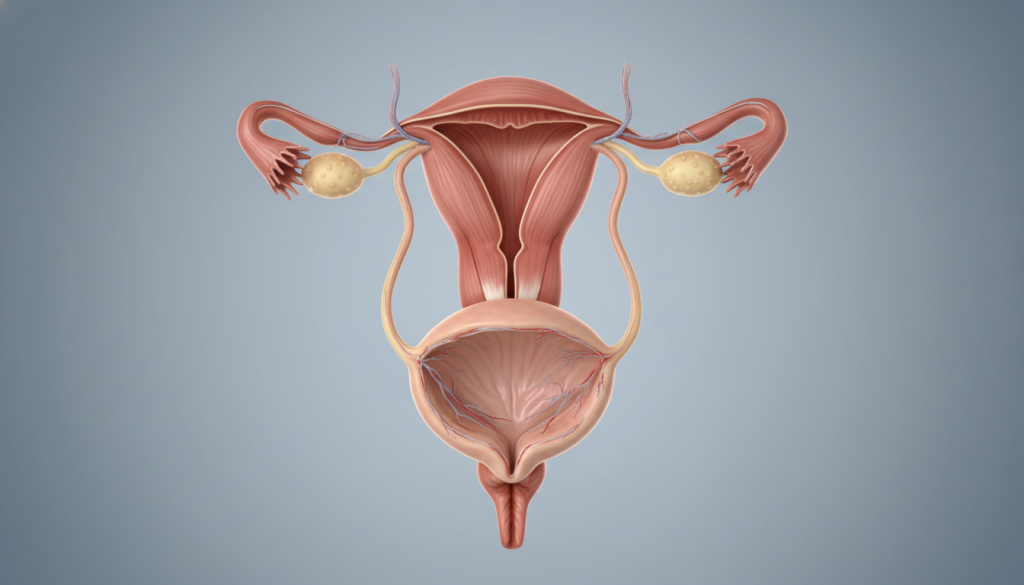
The female bladder is a key part of your urinary system. It plays a big role in your daily health and well-being. Knowing how it works is important for your health journey.
We think that medical education is the base of good care. By learning about your body, you can make smart choices. We aim to give you the info you need for long-term health and comfort.
Key Takeaways
- The organ is essential for maintaining daily urinary health.
- Learning about your anatomy empowers better healthcare decisions.
- Proactive care starts with a solid understanding of bodily functions.
- Medical knowledge helps you navigate your wellness journey with confidence.
- We prioritize clear, accessible information for every patient.
Anatomy and Physiology of the Female Bladder
Let’s explore the amazing structure and function of the urinary system in women. The female bladder is a hollow, muscular organ in the pelvic cavity. It holds urine until your body is ready to release it.
The bladder’s walls have a special layer called the detrusor muscle. This muscle lets the bladder grow as it fills with urine. When it’s time to empty, these muscles work together to help.
To understand the female bladder, we must see how it connects with other parts. The urethra is the exit, and the pelvic floor muscles offer support. These parts must work together for comfort and control.
Knowing how these parts work helps you understand the urinary system in women. This knowledge lets you know when your body is working well. We think that informed patients can make better choices for their health.
Understanding Female Bladder Function
The female bladder works quietly every day to keep your body balanced. It needs a good team effort from your nervous system and pelvic muscles. When they work together, you can move freely and feel comfortable.
Urine storage and release are complex tasks. Your kidneys filter waste, and urine goes to the bladder. This organ holds 300 to 500 milliliters of fluid before you feel the urge to go.
It’s key to listen to your body when it says the bladder is full. These signals help you manage your water intake and bathroom visits. This way, you can keep your bladder healthy.
It’s important to know the difference between normal and abnormal bladder signals. If you often feel the need to go, it might be a sign of a problem. Knowing this can help you take care of your bladder.
Watching your body’s natural rhythms is good for your bladder health. Understanding how your bladder works helps you notice any issues. Empowerment through knowledge keeps your pelvic system strong and reliable.
Common Bladder Issues in Women
Many women face health challenges, including Bladder Issues in Women. These problems often happen when the urinary system gets out of balance.
Some common issues are the sudden need to pee, known as overactive bladder, and stress urinary incontinence. Stress incontinence happens when moving, like coughing or lifting, puts pressure on the bladder. These problems can really disrupt your daily quality of life and comfort.
When these symptoms last, they mess with normal Bladder Function. The bladder needs good communication between the brain and pelvic muscles to work right. If this doesn’t happen, it causes the symptoms many patients talk about.
It’s key to know these conditions can be highly treatable with the right help. We suggest keeping track of your symptoms. A simple log can help us make a care plan just for you.
Together, we can find the best way to manage your Bladder Issues in Women. Starting treatment early can lead to better results. If you notice any changes, please contact our team. Your comfort and wellness are our top priority.
The Impact of Urinary Tract Infections
The urinary system in women is more likely to get infections because of its unique shape. Bacteria from the skin or gut can get into the urethra and cause trouble. This leads to pain and discomfort that needs quick treatment.
Women’s female urinary tract is shorter than men’s, making it easier for bacteria to reach the bladder. This is why women get UTIs more often. Knowing this helps us take better care of our health.
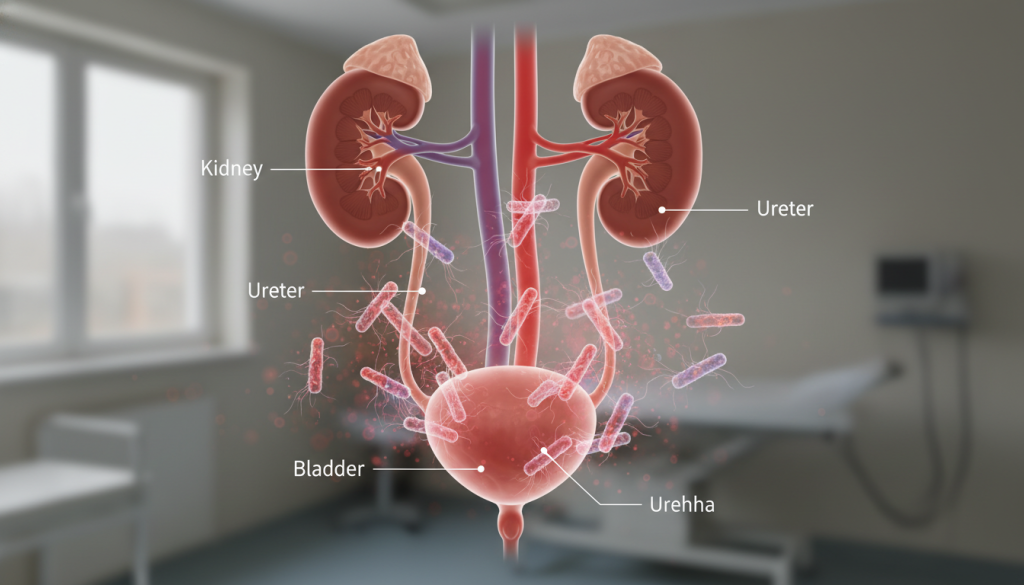
Symptoms of UTIs can pop up quickly and mess up your day. You might feel a strong need to pee, even when your bladder is almost empty. Many people also feel a burning sensation when they pee, which is a clear sign of an infection.
It’s important to watch for these signs and see a doctor if they don’t go away. If not treated, UTIs can spread to the kidneys and cause bigger problems. Getting the right antibiotics early on is key to getting better and staying healthy.
Diagnostic Procedures for the Female Bladder
When you have ongoing bladder issues, we use the latest tests to find the cause. Knowing about your female urinary tract health is key for a good treatment plan. We aim to give you clear answers and support every step of the way.
First, we do a simple urinalysis to look for infections or other issues. If needed, we might use ultrasound to see the bladder and nearby areas without any invasive steps. These methods help us get important info while keeping your comfort first.
In more complex cases, we might do a cystoscopy. This lets us see inside the bladder with a thin, lighted tube. Though it might seem scary, we make sure you’re safe and informed every step of the way.
| Diagnostic Test | Purpose | Patient Experience |
|---|---|---|
| Urinalysis | Detects infection or blood | Quick and non-invasive |
| Ultrasound | Visualizes bladder structure | Painless imaging |
| Cystoscopy | Examines the female urinary tract | Requires local anesthesia |
Every test we do is to get a clear picture of your health needs. By mixing medical knowledge with a compassionate approach, we make sure your recovery path is both accurate and easy to follow. We’re here to answer your questions and help you on the way to better bladder health.
The Connection Between Menopause and Bladder Health
Hormonal changes during menopause affect the bladder’s health and comfort. A significant decrease in estrogen levels happens, impacting the bladder and urethra tissues.
Estrogen is key for keeping these tissues elastic and thick. When estrogen drops, the urethra and bladder lining gets thinner and less strong. This can cause increased urinary frequency or a strong urge to pee.
Women also face a higher risk of urinary tract infections during menopause. The thinner tissues make it easier for bacteria to grow. These symptoms can be tough, but they’re common during this hormonal shift.
It’s possible to manage your health during this time. Focus on evidence-based strategies to keep your bladder comfortable and working well. Drinking plenty of water, doing pelvic floor exercises, and talking to a healthcare provider can help a lot.
Our team is here to help you with clear, expert advice. By understanding your body’s changes, you can take steps to protect your bladder. You don’t have to face these changes alone. There are effective solutions to help you feel your best.
Pelvic Organ Prolapse and Its Effect on the Bladder
Pelvic organ prolapse is a main cause of women’s bladder problems. It happens when the muscles and tissues in the pelvic floor get weak. This weakness lets the bladder move out of its usual spot and into the vaginal canal.
When the bladder moves, it changes how your urinary system works. Many women find it hard to empty their bladder fully. They might also leak urine when they move around. These issues happen because the bladder’s normal position is disrupted.
We divide this condition into stages based on how far the organs have moved. Knowing these stages helps us find the best treatment for you. Our team does detailed checks to see how your body is affected and to fix any women’s bladder problems.
The table below shows how pelvic organ prolapse gets worse over time. It helps you see how these changes happen.
| Stage | Anatomical Description | Bladder Position | Typical Symptoms |
|---|---|---|---|
| Stage 1 | Mild descent | Upper vaginal area | Minimal or none |
| Stage 2 | Moderate descent | Near vaginal opening | Pressure or fullness |
| Stage 3 | Advanced descent | At the vaginal opening | Leakage and discomfort |
Seeing a doctor early can stop things from getting worse and make your life better. If you have ongoing women’s bladder problems, get checked out. A proper diagnosis lets us make a care plan just for you.
Lifestyle Factors Influencing Bladder Health
Keeping your urinary system healthy starts with daily choices. Your habits are key to Bladder Health. They help avoid discomfort and keep your bladder working well.
Try simple Bladder Health Tips to improve your life. Drinking enough water is vital. It stops urine from irritating your bladder. Drink water all day, not in big gulps.

Watch out for things that might bother your bladder. Caffeine, alcohol, and acidic foods can make it sensitive. Cutting down on these can ease your bladder’s work.
Good voiding habits are also important for Bladder Health. Don’t go to the bathroom just in case. Listen to your body and go only when you really need to.
Making small lifestyle changes can help a lot. By following these Bladder Health Tips, you’re taking care of your health. Here’s how daily changes can make you feel better.
| Lifestyle Factor | Recommended Action | Primary Benefit |
|---|---|---|
| Hydration | Drink water steadily | Dilutes urine concentration |
| Dietary Choices | Limit caffeine/alcohol | Reduces bladder irritation |
| Voiding Habits | Empty when necessary | Maintains bladder capacity |
| Physical Activity | Pelvic floor exercises | Strengthens support muscles |
Pelvic Floor Physical Therapy
Pelvic floor physical therapy is key in treating female bladder conditions without surgery. It targets the muscles that hold your pelvic organs, like the bladder and urethra. A trained therapist helps you tackle the real issues, not just the symptoms.
We believe that you deserve to feel confident and in control of your body. These therapy sessions use specific exercises to strengthen your pelvic floor. This makes your bladder support better and cuts down on leaks. You get to be part of your healing journey.
Your therapist will make a personalized care plan just for you. It’s designed to tackle urgency or stress issues safely and effectively. Many people see a big boost in their life quality as they regain physical stability.
| Exercise Type | Primary Benefit | Frequency |
|---|---|---|
| Kegel Contractions | Strengthens pelvic floor | Daily |
| Deep Diaphragmatic Breathing | Relaxes pelvic tension | As needed |
| Bladder Retraining | Improves control | Weekly sessions |
Adding these exercises to your daily life can help manage female bladder conditions with expert help. We’re here to support your journey to wellness and comfort. Starting this journey is a great investment in your health.
Medical and Surgical Interventions
We believe every patient deserves a clear path forward when women’s bladder problems don’t improve with initial treatments. If lifestyle changes or physical therapy aren’t enough, we may suggest more advanced treatments. Our goal is to offer personalized care that meets your health goals and comfort.
For many, prescription medications are a key tool in managing symptoms. These treatments help calm an overactive bladder by relaxing muscles or blocking nerve signals. We watch your progress closely to make sure these medications work well for you without causing harm.
When women’s bladder problems are caused by structural issues, we might talk about surgery. These surgeries aim to support the pelvic organs, improving function and reducing pain. We focus on methods that have quick recovery times and high success rates for our patients.
Choosing the right healthcare option means understanding all your choices. We give you detailed info on the risks and benefits of each option we suggest. Together, we can find the best way to solve your persistent symptoms and improve your daily life.
| Intervention Type | Primary Goal | Typical Approach |
|---|---|---|
| Pharmacotherapy | Symptom Control | Daily Medication |
| Urodynamic Testing | Diagnostic Clarity | Clinical Assessment |
| Surgical Support | Structural Repair | Minimally Invasive |
| Neuromodulation | Nerve Regulation | Implantable Device |
Psychological Impact of Chronic Bladder Conditions
The emotional side of dealing with ongoing symptoms is a big part of your journey. Living with Bladder Issues in Women can make you feel frustrated, anxious, and lonely. These feelings are often not talked about openly.
These female bladder conditions can mess up your daily life and lower your quality of life. Feeling overwhelmed when your body doesn’t work right is common. But, you don’t have to face these challenges by yourself.
We support a holistic approach to care that looks at both your physical and mental health. Recognizing the emotional weight helps us support your healing and self-esteem better.
Talking openly about these health issues is key to managing them well. Please tell your healthcare provider how Bladder Issues in Women affect your confidence and daily life. By sharing, we can make a care plan that focuses on your emotional and physical health.
Preventative Strategies for Long-Term Wellness
Making small, thoughtful changes in your daily life can greatly improve your Bladder Health. Taking care of your bladder early on is key to a healthy urinary system. These steps help your body work better and lower the chance of problems later on.
Being consistent is the most important part of staying healthy. Add Bladder Health Tips to your daily routine for lasting benefits. Keeping a healthy weight and doing pelvic floor exercises are two ways to help.
It’s easy to start these habits. Just spend a few minutes each day on your health. Consistency is the key to keeping your health strong for years. We want to help you make smart choices for your body.
The table below shows important habits for your overall health and bladder function.
| Habit Category | Recommended Action | Primary Benefit |
|---|---|---|
| Weight Management | Balanced diet and exercise | Reduces pelvic pressure |
| Pelvic Floor Care | Daily Kegel exercises | Improves muscle support |
| Hydration Strategy | Consistent water intake | Prevents bladder irritation |
| Bladder Health Tips | Regular monitoring | Early issue detection |
Myths and Misconceptions About the Female Bladder
We often hear myths about the female bladder that can stop us from getting medical help. Many think that urinary leakage is just something you have to live with as you age. This is far from the truth.
But, bladder problems aren’t a normal part of aging. While some changes happen, if symptoms don’t go away, it might mean there’s a problem that doctors can help with. Knowing the facts can help you stay healthy.
Getting the right information is key to feeling better. If you notice changes in your health, it’s best to talk to a doctor. Understanding your female bladder helps you know when to seek help.
The table below shows some common myths and what’s really true:
| Common Myth | Clinical Reality | Recommended Action |
|---|---|---|
| Leakage is normal with age | It is a treatable medical condition | Consult a specialist |
| Surgery is the only fix | Many issues resolve with therapy | Explore pelvic floor exercises |
| Drinking less water helps | Dehydration irritates the bladder | Maintain healthy hydration |
| Female bladder pain is minor | Chronic pain requires evaluation | Schedule a diagnostic exam |
Don’t let old beliefs stop you from enjoying life. We’re here to help you with care based on facts and honest talk.
Conclusion
Starting your journey to better health begins with knowing your body. We’ve looked into the anatomy and common issues with the female bladder. This gives you a clear plan for your health.
Knowing what’s happening in your body is key. Spotting changes early helps you get the right help and keep living well. Making small changes daily can make a big difference in your comfort over time.
Acıbadem Healthcare Group is here to help you stay healthy. Our experts offer personalized advice and care. We see your health as a team effort between you and your doctors.
If you have questions or worries, don’t hesitate to contact us. Your comfort and confidence are important to us. We’re ready to support you on your path to lasting health and energy.
FAQ
Q: What is the primary function of the female bladder within the urinary system?
A: The female bladder is a muscular, hollow organ in the pelvic area. It stores urine from the kidneys. The bladder wall, or detrusor muscle, expands to hold urine and contracts to empty it, ensuring a healthy voiding process.
Q: How much urine can a healthy female bladder typically hold?
A: A healthy adult bladder can hold 300 to 500 milliliters of urine. At Acıbadem Healthcare Group, we teach patients to listen to their body’s signals when the bladder is full. This helps keep the bladder healthy over time.
Q: Why are women more susceptible to urinary tract infections (UTIs)?
A: Women are more likely to get UTIs because their urethra is shorter than men’s. This makes it easier for bacteria to reach the bladder. Symptoms include a strong urge to urinate and a burning feeling. We advise seeking medical help quickly to prevent kidney damage.
Q: What are the most common bladder issues in women?
A: Women often face issues like overactive bladder (OAB) and stress urinary incontinence. These problems can greatly affect daily life. But, they are treatable with lifestyle changes, physical therapy, or medical help from our team.
Q: How does menopause influence bladder health and function?
A: Menopause leads to a drop in estrogen, causing bladder and urethra tissues to thin. This can make urination more frequent, urgent, or prone to infections. We offer strategies to manage these changes and keep you comfortable during this time.
Q: What is pelvic organ prolapse and how does it affect the bladder?
A: Pelvic organ prolapse happens when pelvic muscles weaken, causing organs like the bladder to drop into the vagina. It can make it hard to empty the bladder or lead to involuntary leakage.
Q: What diagnostic procedures are used to evaluate the female bladder?
A: We use urinalysis, ultrasound, and cystoscopy to diagnose bladder issues. Cystoscopy is key as it lets us see inside the bladder. This helps us create a treatment plan that fits your needs.
Q: Is urinary leakage an inevitable part of the aging process?
A: Urinary leakage is not a normal part of aging. It’s a treatable medical condition. We believe educating patients is the first step to regaining confidence and control.
Q: What are some practical bladder health tips I can follow daily?
A: Stay hydrated, avoid bladder irritants like caffeine and alcohol, and practice good voiding habits. Also, keep a healthy weight and do pelvic floor exercises to prevent bladder problems.
Q: How does pelvic floor physical therapy help with bladder conditions?
A: Pelvic floor physical therapy strengthens muscles that support the bladder and urethra. It’s effective in improving bladder control and reducing leakage. Patients can actively help in their recovery through this therapy.
Q: When should I consider medical or surgical interventions for bladder problems?
A: If lifestyle changes and physical therapy don’t work, we may discuss medications or surgery. At Acıbadem Healthcare Group, we aim to provide top-notch surgical support to improve your health and well-being.