

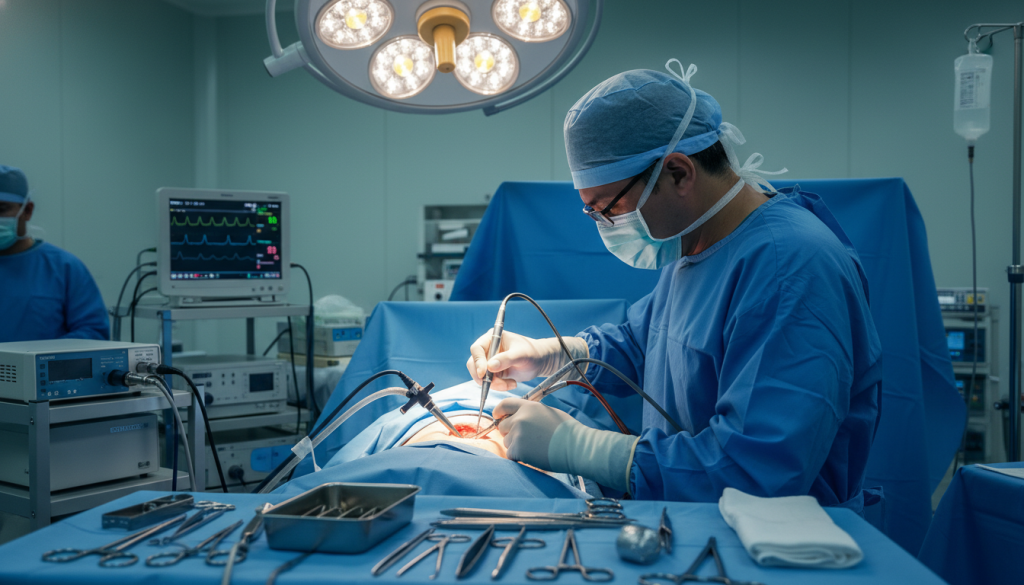
Getting a new diagnosis can be scary, but knowing your options is key to moving forward. Bladder Tumor Resection is a critical procedure. It removes abnormal growths while keeping your bladder working right.
At Acıbadem Healthcare Group, we think knowing more helps patients. This surgery is a main part of treating bladder tumors. It lets our doctors tackle health issues with great care and precision.
We’re here to help you every step of the way. Our team focuses on being clear and supportive. We want you to feel sure and well-informed as we work towards your health and wellness.
Key Takeaways
- This procedure is a primary method for managing and removing abnormal growths.
- The main goal is to eliminate health risks while maintaining organ function.
- Acıbadem Healthcare Group provides expert guidance throughout the entire surgical process.
- Patients receive personalized care plans tailored to their specific medical needs.
- Clear communication helps reduce anxiety and improves the overall patient experience.
Understanding the Basics of Bladder Tumor Resection
Learning about Bladder Tumor Resection is key to managing your urological health. This surgery is used to remove suspicious tissue from the bladder’s lining.
Bladder neoplasm removal is seen as a two-in-one procedure. It helps doctors understand the tumor’s depth and removes harmful cells.
The main aim of this surgery is to stop the disease from spreading. Surgeons use special tools to target these growths. This keeps the bladder wall healthy.
This knowledge lets you take a more active role in your care and recovery.
To understand the surgery better, we’ve made a table. It shows the differences between the diagnostic and therapeutic parts of the surgery.
| Procedure Goal | Clinical Focus | Patient Benefit |
|---|---|---|
| Diagnostic | Tissue sampling | Determines tumor stage |
| Therapeutic | Physical removal | Reduces tumor burden |
| Preventative | Margin clearance | Limits future recurrence |
Bladder Tumor Resection is a key part of modern urology. It helps confirm a diagnosis or remove bladder neoplasm. This procedure is essential for your long-term health.
Diagnostic Pathways Leading to Surgery
We use advanced tools to find the best way to help you recover. The first step is a detailed check of your health needs. This ensures every action we take is purposeful and informed.
The cystoscopy is a key part of this process. A specialist uses a thin, lighted tube to see inside the bladder. This helps us spot problems and check the bladder wall closely.
Our surgical oncology team looks at these findings to decide if surgery is needed. They use images and your medical history to understand the growth. This way, your specific anatomical requirements shape the surgery plan.
The information from these tests helps us plan your bladder cancer surgery. We focus on a plan that fits your health goals. Here’s a list of the main tools we use to prepare for your care.
| Diagnostic Tool | Primary Purpose | Clinical Benefit |
|---|---|---|
| Cystoscopy | Visual inspection | Direct identification of lesions |
| Imaging (CT/MRI) | Staging and mapping | Assessing depth and spread |
| Biopsy | Tissue analysis | Confirming cellular characteristics |
| Urinalysis | Chemical screening | Detecting microscopic markers |
Preparing for Your Surgical Procedure
The days before a urological procedure can be stressful. But, getting ready well can make a big difference. It helps you feel more in control and ready for what’s next. Your peace of mind is our priority as we make sure everything is set.
Our team gives you clear steps to follow before your bladder cancer surgery. We talk about important things like fasting and changing your meds. This helps keep you safe and comfortable.
Getting ready means being both physically and mentally ready for your urological procedure. We want you to ask questions and share worries during your visit. This way, we can make our care fit your needs better.
To keep you on track, we’ve listed key tasks for your bladder cancer surgery. Check the table below to make sure you’re ready for your hospital visit.
| Preparation Category | Action Required | Timeline |
|---|---|---|
| Medication Review | Consult doctor regarding blood thinners | 7 days before |
| Fasting Guidelines | No solid food or liquids | 8 hours before |
| Personal Items | Pack comfortable clothing and ID | Day before |
| Transportation | Arrange a ride home from hospital | 2 days before |
We are here to support you every step of the way. By following these steps, you’re taking a big step towards recovery and health.
The Surgical Process Explained
Knowing what happens in the operating room can make you feel better. We want you to be confident and informed every step of the way.
Instrumentation and Visualization Techniques
To remove a bladder neoplasm, our surgeons use a special tool called a resectoscope. It goes through the urethra, so no big cuts are needed.
Advanced cystoscopy tech gives us a clear view inside the bladder. This is key for finding and removing the growth accurately.
Fiber-optic cameras help us safely explore the bladder. This urological procedure lets us know exactly where to cut, ensuring a precise tumor excision.
Managing Hemostasis During the Procedure
Seeing clearly is essential during surgery. We use special methods to control bleeding, keeping the area clean.
Electrocautery seals blood vessels with a controlled electrical current. This method is very effective in keeping the area clean for a safe and thorough removal.
By controlling bleeding as we go, we make sure the tumor excision is precise. This careful approach shows our dedication to your health and recovery.
After removing the tumor, we do a final cystoscopy. This check confirms the bladder is clear and all areas are treated. It gives you peace of mind knowing we did everything right.
Minimally Invasive Surgery Advantages
Modern medicine has changed how we treat tumor excision. We now use advanced techniques for better results. This means we can treat bladder conditions more precisely than before.
We always aim to improve patient outcomes in surgical oncology. Minimally invasive surgery lets us access the area through smaller cuts or natural openings.
This method causes less damage to healthy tissues. Patients often have faster recovery times and less pain after surgery.
We focus on your comfort with these modern, patient-centered methods. These approaches can mean a shorter hospital stay. So, you can get back to your life sooner.
Our team is committed to using the latest in medical technology. By choosing minimally invasive surgery, we ensure your tumor excision is done with great care and skill.
| Feature | Traditional Surgery | Minimally Invasive |
|---|---|---|
| Incision Size | Large | Small |
| Recovery Time | Extended | Rapid |
| Hospital Stay | Longer | Shorter |
Post-Operative Care and Immediate Recovery
After your surgery, our team focuses on your comfort and safety. The first hours after surgery are very important. We want to make sure you feel supported and informed.
In the recovery room, our nurses watch your vital signs and how you feel. Many patients recover quickly because of minimally invasive surgery. We make sure you know what to expect as the anesthesia fades.
Using a catheter is part of your care to help your bladder heal. This device prevents pressure and discomfort. We also focus on managing your pain, finding the right medication for you.
We believe knowing your care plan helps you recover better. Here are the key milestones we look for during your stay:
| Recovery Phase | Primary Focus | Patient Goal |
|---|---|---|
| Immediate | Vital sign stability | Wake up comfortably |
| Intermediate | Catheter management | Maintain bladder rest |
| Pre-discharge | Mobility assessment | Prepare for home care |
As you get stronger, we help you prepare for going home. We want you to feel confident and prepared for your recovery. By following these steps, we make sure your recovery is smooth and effective.
Whether your surgery was simple or complex, we’re committed to your health. We’re here to answer your questions and provide expert care at every stage of your recovery.
Pathology Reports and Understanding Your Results
After the surgery to remove a bladder neoplasm, the tissue samples go to pathologists for review. This step is key in your medical journey. It helps us know the exact type of cells removed.
The pathology report tells us about the grade and stage of the tumor. The grade shows how aggressive the cells look under a microscope. The stage tells us how deep the tumor is in the bladder wall. Understanding these details is vital for planning your treatment and follow-up care.
We help you understand your report, making sure you know what it means for your health. You shouldn’t feel confused by your report. Our team is here to explain everything about your bladder neoplasm removal results.
| Pathology Term | Clinical Meaning | Impact on Care |
|---|---|---|
| Tumor Grade | Cell appearance and growth rate | Determines risk of recurrence |
| Tumor Stage | Depth of tissue invasion | Guides surgical or systemic therapy |
| Margins | Edges of the removed tissue | Confirms if all tumor was cleared |
By going over these findings together, we help you take charge of your recovery. Your health is our priority. Understanding your pathology report is a big part of your ongoing care.
Potential Risks and Complications
We believe in being open about the risks of tumor excision to build trust with our patients. This procedure is common and effective for treating bladder issues. We want you to know everything and feel in control during your recovery.
After the procedure, you might feel some temporary discomfort or mild irritation. Our team is ready to watch for these signs and help manage your pain. This way, you can heal comfortably.
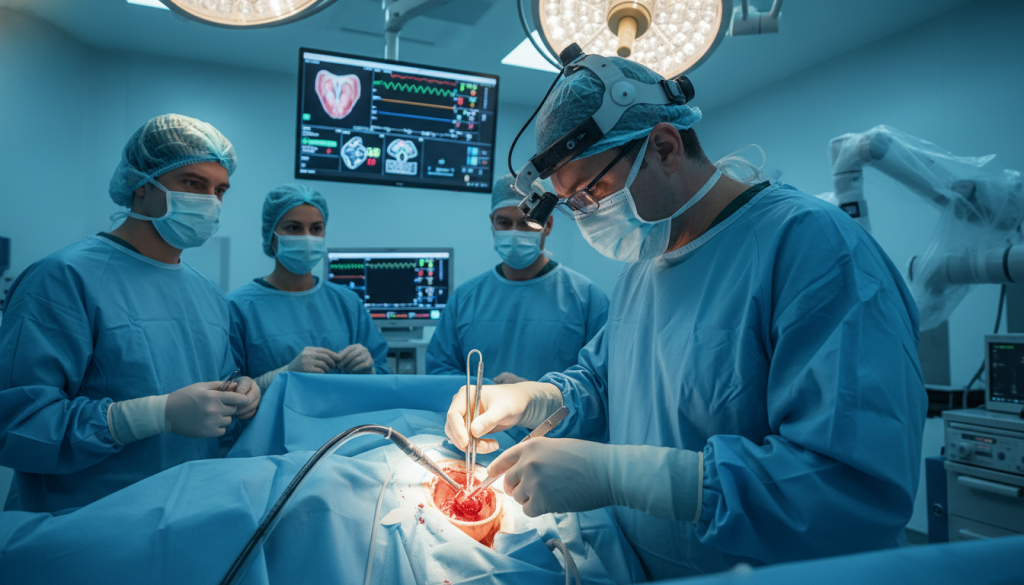
Though serious problems are rare, we watch for infection or minor bleeding closely. We use the latest techniques in tumor excision to lower these risks. Our staff follows strict rules to keep your area clean and safe.
Your peace of mind is our priority. We talk openly about possible issues to build trust. This way, you never have to wonder about anything. We’re ready to handle any problems quickly and with care.
We’re dedicated to safe, top-notch treatment and your long-term health. We see tumor excision as a team effort. We work together to ensure you get the best care and support.
Follow-up Protocols and Surveillance
Regular check-ups are key to keeping your bladder healthy after surgery. After minimally invasive surgery, we create a plan to watch your recovery. This plan helps us see how your bladder is healing and fix any issues right away.
The cystoscopy exam is a big part of this. We use a thin, lighted tube to look inside your bladder. This tool helps us find problems early, so we can act fast.
It’s important to keep talking to your healthcare team. Going to your scheduled appointments helps you stay on top of your health. Here’s a typical timeline for your recovery to know what to expect.
| Timeframe | Procedure | Primary Goal |
|---|---|---|
| 3 Months Post-Op | Initial Cystoscopy | Baseline assessment |
| 6-12 Months | Routine Cystoscopy | Monitor for recurrence |
| Year 2 and Beyond | Annual Surveillance | Long-term bladder health |
Adjuvant Therapies Following Resection
After surgery, more treatments can help keep you healthy long-term. Bladder cancer surgery removes visible tumors well. But, tiny cells might stay hidden. We use adjuvant therapies to find and fight these cells, reducing the chance of cancer coming back.
Intravesical therapy is a common method. We put medicine right into your bladder with a catheter. This way, the treatment works close to the tumor, with fewer side effects than treatments that spread all over your body.
Your bladder tumor treatment plan is made just for you. We look at the tissue from surgery to see how aggressive the cancer is. Then, we adjust your care to fit your needs. This makes your recovery more focused and successful.
We think combining surgery with targeted treatments is key for your health. Our main goal is to help your body heal and keep you healthy. By knowing about these treatments and following them, you’re actively caring for yourself and feeling more at ease.
Lifestyle and Dietary Considerations for Bladder Health
Nutrition and hydration are key for bladder tumor treatment. Making smart choices helps your body heal after treatment. These daily habits are important for your recovery.
Drinking enough water is very important. It makes your urine less irritating to your bladder. Staying hydrated keeps your bladder healthy all day.
Some foods and drinks can irritate your bladder. Try to avoid caffeine, alcohol, and acidic foods. Eating a balanced diet with antioxidants and fiber is good for your health. This helps with bladder tumor treatment.
Quitting smoking is also key for bladder health. Smoking harms your kidneys and bladder. Stopping can lower your risk of bladder problems.
By making these lifestyle changes, you build a strong base for your health. Small, steady changes can greatly improve your life. Here’s a quick guide to help you:
| Category | Recommended Action | Benefit |
|---|---|---|
| Hydration | Drink 6-8 glasses of water daily | Reduces bladder irritation |
| Nutrition | Increase intake of leafy greens | Supports immune function |
| Lifestyle | Avoid tobacco and smoking | Lowers recurrence risk |
| Bladder Care | Limit caffeine and alcohol | Prevents urgency and pain |
Navigating the Emotional Impact of a Cancer Diagnosis
When you get a diagnosis that needs surgical oncology, it can be tough. You might feel stressed, anxious, or unsure. It’s okay to feel these ways when facing a big health challenge.
Our team is here to create a compassionate environment. We want you to feel heard, understood, and supported every step of the way. We know your emotional health is just as important as your medical care. By focusing on your mental well-being, we aim to make your journey more healing.

Dealing with the stress of surgical oncology needs a plan for your mental health. We suggest using resources like support groups, counseling, or mindfulness. You’re not alone, and we’re here to help you find the right help.
Here’s a table with emotional support strategies to improve your life during treatment:
| Support Strategy | Primary Benefit | Recommended Frequency |
|---|---|---|
| Professional Counseling | Reduces anxiety and stress | Weekly or bi-weekly |
| Patient Support Groups | Provides shared experiences | Monthly meetings |
| Mindfulness & Meditation | Improves emotional regulation | Daily practice |
| Surgical Oncology Education | Increases confidence in care | As needed before surgery |
Conclusion
Understanding your health options is key. Bladder Tumor Resection is a major part of modern urology. It combines skill with a focus on your long-term health.
We think informed patients get the best results. Early detection and regular check-ups are important. They help you stay on top of your bladder health.
At Acıbadem Healthcare Group, we’re here for you. Our team offers the support and expertise you need. We’re with you every step of the way.
Contact our specialists to talk about your needs or to set up a meeting. We’re ready to help you move forward with confidence. Your health is our top priority.
FAQ
Q: What is the primary purpose of a Bladder Tumor Resection?
A: A Bladder Tumor Resection removes abnormal growths from the bladder lining. At Acıbadem Healthcare Group, we use this procedure to treat the condition and get tissue samples for diagnosis. This helps us keep as much organ function as possible while managing bladder tumor treatment effectively.
Q: How does a cystoscopy assist in the surgical planning process?
A: A cystoscopy uses a thin, lighted tube inserted into the bladder to see inside. This lets our surgical oncology team check the growth’s size, location, and type. It’s key for planning the bladder cancer surgery to fit the patient’s needs.
Q: Is the removal of a bladder neoplasm considered a minimally invasive surgery?
A: Yes, removing bladder neoplasms, like TURBT, is usually done through the urethra without external cuts. This approach leads to quicker recovery, less pain, and shorter hospital stays for our patients.
Q: What should I expect during the preparation for my urological procedure?
A: Preparation focuses on your safety. It includes fasting rules and changes to your medications. Our team at Acıbadem Healthcare Group gives you a detailed plan to make sure you’re ready for your surgery.
Q: How is bleeding controlled during a tumor excision?
A: Surgeons use special tools to manage bleeding during the tumor excision. They use advanced techniques to target the tumor while keeping the area clear and protecting the healthy bladder wall.
Q: Why is a catheter necessary after a bladder tumor treatment?
A: After the procedure, a catheter helps the bladder drain while it heals. It’s a standard part of care to prevent bladder distension and help monitor your recovery.
Q: What information does a pathology report provide after surgery?
A: After removing the tumor, the tissue is analyzed in a lab. The pathology report tells us the cell type, grade, and stage of the tumor. This info helps us decide if more treatment or specific follow-up is needed.
Q: What are the common risks associated with bladder cancer surgery?
A: While safe, risks include temporary urinary issues, minor bleeding, or infection. We aim to minimize these risks and provide care for any complications during your recovery.
Q: What is intravesical therapy, and when is it used?
A: Intravesical therapy delivers medication directly into the bladder to treat remaining cancer cells. It’s often used after a Bladder Tumor Resection to lower the chance of the tumor coming back.
Q: How often will I need follow-up appointments after my procedure?
A: Regular check-ups are key for bladder health. You’ll have cystoscopy exams to watch for changes. Our specialists will plan your follow-ups based on your results to catch any issues early.
Q: Can lifestyle changes improve my recovery after a urological procedure?
A: Yes, staying hydrated and eating well can help your body heal. At Acıbadem Healthcare Group, we encourage patients to adopt healthy habits to support their recovery and overall health.