

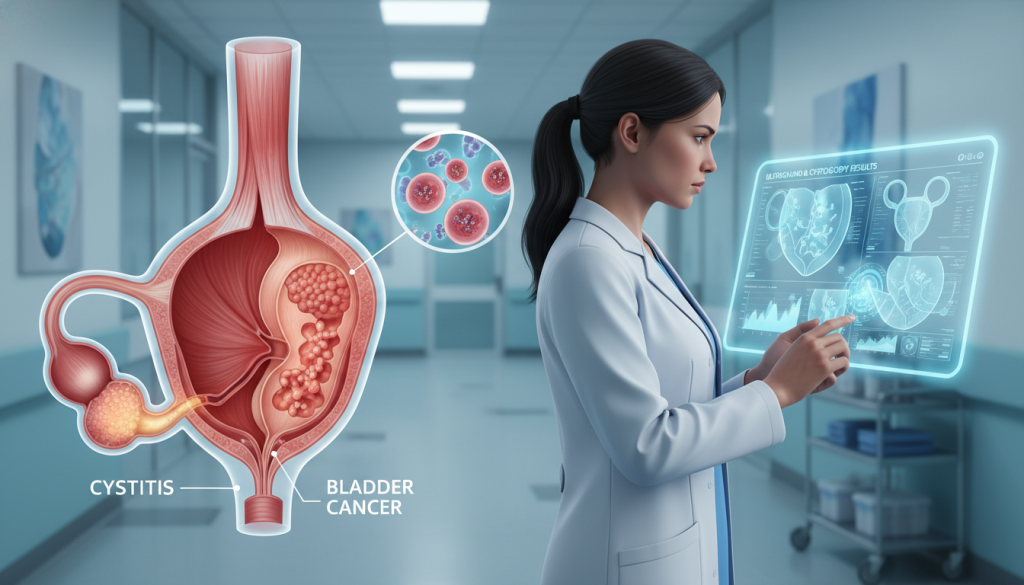
Understanding our urinary system is key to staying healthy. When we talk about Bladder Diseases, we aim to give you a clear, reassuring view. This helps you know when your body is trying to tell you something.
By learning how these organs work, you can manage your health better. This confidence is important for your well-being.
We want everyone to have access to medical information. Our goal is to make you feel confident to ask questions and get the right care. Knowledge is the foundation of better health outcomes.
We’re here to guide you through these topics with clarity and professional support. We believe in making health information easy to understand for everyone.
Key Takeaways
- The urinary system plays a critical role in your daily health and comfort.
- Recognizing early warning signs can lead to more effective medical interventions.
- We prioritize clear, jargon-free explanations to help you understand your body.
- Empowerment comes from having reliable information about your physical well-being.
- Our team is committed to supporting your journey toward informed healthcare decisions.
Understanding the Anatomy and Function of the Human Bladder
To grasp how our urinary system works, we need to explore the bladder’s anatomy. This remarkable organ is a hollow, muscular sac in the pelvic cavity. It holds urine until we’re ready to go.
The bladder’s walls are made of special tissue that stretches as it fills. This stretchiness keeps us comfortable all day. When it’s full, it sends a signal to the brain, making us feel the need to pee.
Emptying the bladder is a coordinated effort between two muscles. The detrusor muscle contracts to push urine out. At the same time, the sphincter muscles relax to open the way for urine to flow.
When these muscles work together, everything goes smoothly. But if they don’t, it can cause health problems. Knowing how they work helps us spot when something’s off.
| Anatomical Part | Primary Function | Muscle Type | Role in Urination |
|---|---|---|---|
| Detrusor Muscle | Storage and Expulsion | Smooth Muscle | Contracts to empty bladder |
| Internal Sphincter | Involuntary Control | Smooth Muscle | Stays closed during storage |
| External Sphincter | Voluntary Control | Skeletal Muscle | Allows conscious release |
| Urothelium | Protective Lining | Epithelial Tissue | Prevents chemical irritation |
Common Symptoms of Bladder Diseases
Understanding bladder issues symptoms helps you take charge of your health. Recognizing these signs early is a critical step in getting the right medical help. When your body signals discomfort, it’s key to listen and act.
Common signs include needing to urinate more often or feeling a strong urge to go. You might also feel uncomfortable pain or a burning feeling when you pee. Seeing blood in your urine, or hematuria, is a clear sign you need to see a doctor.
Severe pelvic pain could mean you have bladder stones or another blockage. These hard masses can irritate your bladder and block urine flow. If you keep feeling pain, see a doctor to find out why.
| Symptom | Potential Concern | Action Required |
|---|---|---|
| Increased Frequency | Infection or Overactivity | Consult Physician |
| Painful Urination | Inflammation or Infection | Medical Testing |
| Pelvic Discomfort | Bladder stones | Imaging/Evaluation |
| Blood in Urine | Serious Underlying Issue | Immediate Care |
We share this info to help you know when to see a doctor. Your well-being is our priority. Early detection can lead to better treatment. If you have these symptoms, don’t wait to call your doctor.
Urinary Tract Infections and Bladder Infection Basics
Many patients come to us with symptoms of a bladder infection. A urinary tract infection happens when bacteria get into the urethra and move up to the bladder. This causes inflammation and can be very painful.
We call this inflammation of the bladder cystitis. It’s a common issue we treat, affecting people of all ages. It’s important to catch the signs early to stay comfortable and healthy.
The main symptom is a burning feeling when you pee. You might also pee a lot, urgently, or notice cloudy, smelly urine. If you see these signs, get medical help right away.
Acting fast is key to stop the infection from reaching the kidneys. This could lead to serious problems. A urinary tract infection is usually treated with antibiotics. By following your doctor’s advice, you can quickly get better from a bladder infection and feel well again.
Managing Overactive Bladder Syndrome
You don’t have to let an overactive bladder control your life. This condition makes you feel a sudden need to go to the bathroom. But, with the right help, you can manage it well.
Understanding your body is the first step. Many people find relief with bladder training exercises. These exercises help your bladder hold more fluid. They teach your muscles to work better over time.
Doctors also play a big role in treatment. They might give you medicine to calm your bladder. This helps you go to the bathroom less often. Finding the right mix of treatments is key to managing an overactive bladder.
Remember, you’re not alone. With the right advice and a plan, you can stay comfortable all day. An overactive bladder doesn’t mean you have to give up on things you enjoy.
The Complexity of Interstitial Cystitis
Interstitial cystitis can really disrupt your life. It’s a chronic condition that causes ongoing bladder pain and pressure. This can be tough to deal with on your own.
Interstitial cystitis is different from a simple bladder infection. While infections usually get better with antibiotics, this condition involves deeper inflammation. This is why many people struggle to find relief for a long time.
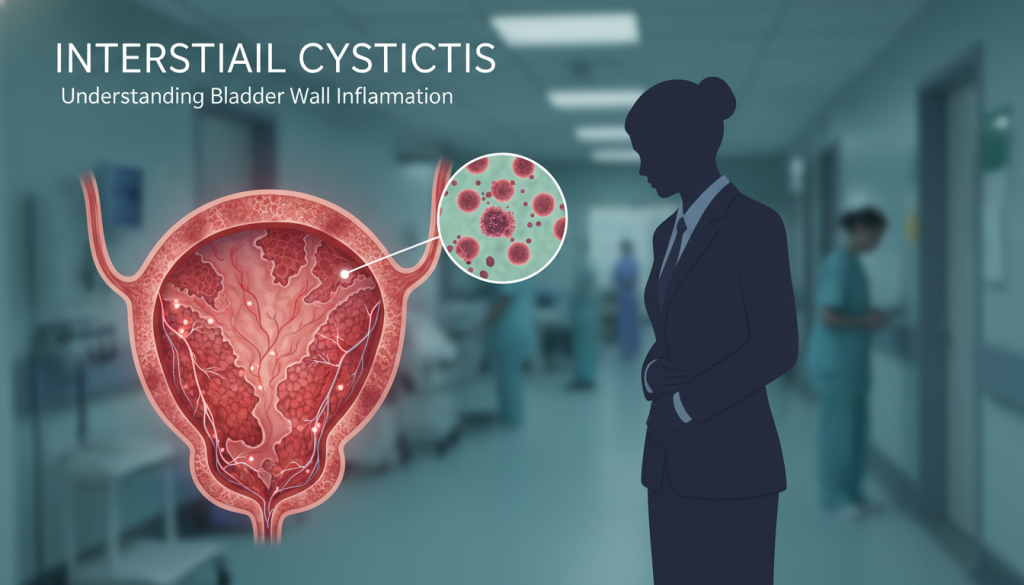
Diagnosing interstitial cystitis is complex. We aim to support you and improve your long-term health. By finding what triggers your pain, we can help manage it better.
Dealing with this condition takes time and a personalized approach. We’re here to help you understand your symptoms and take back control. Your journey toward relief is our priority. We’re dedicated to helping you find the answers you need.
Urinary Incontinence Types and Causes
Dealing with the involuntary leakage of urine can be tough and sensitive. This condition, known as urinary incontinence, affects many people. It’s not a normal sign of aging but a sign of a deeper issue.
The reasons for these leaks vary. Some people have weak pelvic floor muscles. Others face problems from nerve damage or bladder spasms. Finding the exact cause helps solve the problem.
There are different types of urinary incontinence. Stress incontinence happens when you move, like coughing or lifting. Urge incontinence is when you suddenly need to go. Other types include overflow and functional incontinence.
We think it’s key to remove the stigma around this topic. Many feel shy to talk about it. But, talking openly with your doctor is the best way to find help. You should feel comfortable and confident every day.
Finding out what type of urinary incontinence you have is the first step. There are many ways to help, like physical therapy or medical treatment. You don’t have to face this alone.
Bladder Stones and Their Impact
Bladder stones form when minerals in your urine crystallize. They happen when urine is very concentrated or stays in the bladder too long. These stones can grow and cause physical irritation to the bladder wall.
If not treated, bladder stones can lead to a urinary tract infection. This makes symptoms worse and needs quick medical help. It’s important to watch for symptoms to avoid these problems.
Symptoms include sudden pain when trying to urinate or a constant need to go. You might see blood in your urine or feel pain in your lower belly that gets worse when you move. Spotting these signs early is key to managing them well.
Doctors use scans like ultrasound or CT to find bladder stones. After finding them, treatment aims to remove the stones. This helps your bladder work normally again and lowers the risk of more urinary tract infections.
| Symptom Type | Description | Clinical Significance |
|---|---|---|
| Interrupted Flow | Sudden stop during urination | High (Mechanical blockage) |
| Hematuria | Visible blood in urine | Moderate (Tissue irritation) |
| Pelvic Pain | Discomfort in lower abdomen | Moderate (Inflammatory response) |
| Frequent Urgency | Constant need to void | High (Bladder sensitivity) |
Bladder Cancer Risks and Early Detection
Early detection of bladder cancer greatly improves treatment chances. This happens when cells in the bladder grow too fast. We are here to help you understand these risks so you can take charge of your health.
Many things can increase your risk of getting this disease. Smoking is the biggest risk, as it introduces harmful chemicals into your body. Also, working with certain chemicals in industries like dye, rubber, and textiles can raise your risk.
It’s important to watch for warning signs in your body. The main sign of bladder cancer is blood in your urine without pain. This symptom can also mean other things, but it’s always worth checking.
We urge you to look after your health by getting checked if you notice any changes. Early screening is the most effective way to catch problems before they get worse. Knowing about bladder cancer helps you make smart choices for your health.
Diagnostic Procedures for Bladder Diseases
We believe that understanding your diagnostic options helps remove the fear often linked to medical testing. Accurate diagnosis is the cornerstone of effective treatment for any bladder-related concern, whether it is a simple bladder infection or a more complex condition. By knowing what to expect, you can feel more confident and prepared when discussing your health with your medical team.
The process usually begins with a simple urinalysis. This test checks a sample of your urine for signs of bacteria, blood, or other markers that indicate an underlying issue. It is a quick and non-invasive way to identify a common bladder infection before moving on to more detailed examinations.
When further investigation is required, doctors may suggest imaging studies. Ultrasounds and CT scans provide clear pictures of your urinary tract, allowing specialists to see stones, tumors, or structural abnormalities. These imaging tools are painless and help your physician visualize the bladder without any surgical intervention.
For a closer look at the bladder lining, a cystoscopy may be performed. During this procedure, a thin, flexible tube with a camera is gently inserted into the bladder. While the name might sound intimidating, your healthcare provider will ensure you are comfortable throughout the entire process.
| Procedure | Purpose | Patient Experience |
|---|---|---|
| Urinalysis | Detect infection | Simple urine sample |
| Ultrasound | Visualize structure | Non-invasive imaging |
| Cystoscopy | Examine bladder wall | Minor, managed discomfort |
We are here to support you through every step of your diagnostic journey. Empowerment through knowledge is our goal, ensuring you feel informed and ready to make the best decisions for your long-term health.
Medical and Surgical Treatment Options
We believe in working together to find the right treatment plan. Our goal is to make sure you feel in control and well-informed. We want to find the best path for your health needs.
Treatment plans for bladder issues vary based on your diagnosis. We often start with simple changes or physical therapy. Your comfort and long-term well-being are our main concerns.
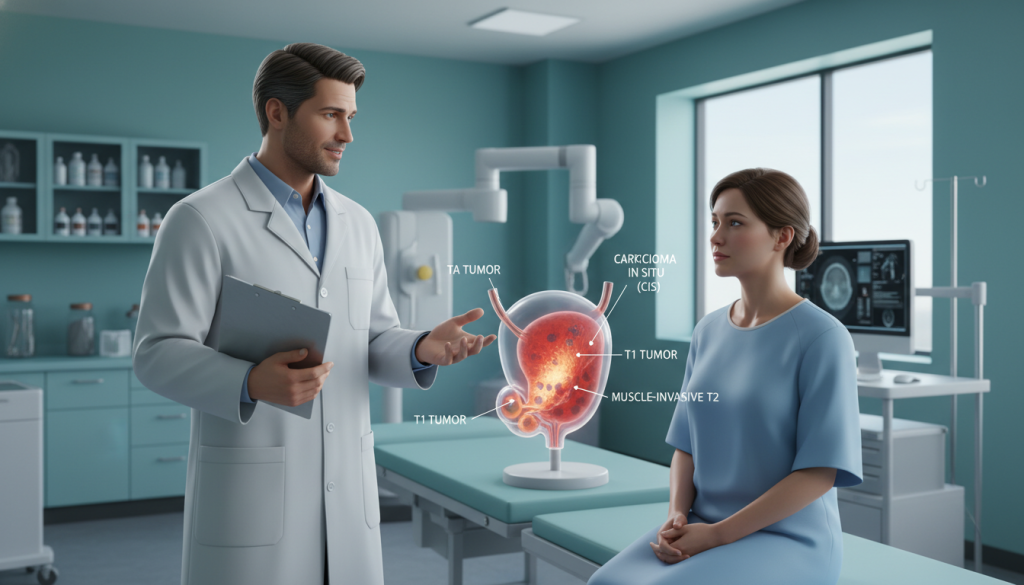
For infections, we use specific antibiotics to fight bacteria. For bladder cancer, we use special treatments like immunotherapy or surgery. These aim to get the best results for you.
We always explain the good and bad of each treatment. Dealing with bladder cancer means finding a balance between treatment and keeping your quality of life good. We work with you to make sure treatments match your health goals.
| Treatment Type | Primary Goal | Common Application |
|---|---|---|
| Conservative | Symptom Management | Overactive Bladder |
| Pharmacological | Infection Control | Urinary Tract Infections |
| Surgical | Disease Removal | Bladder Cancer |
Our promise is to give you world-class care that fits your wishes. We keep talking openly to make sure your treatment plan grows with you.
Lifestyle Strategies for Maintaining Bladder Health
We think that making small changes in your daily life is key to good bladder health. By doing so, you can greatly improve how you use the bathroom and feel more comfortable. These habits are essential for preventing issues like an overactive bladder, which can often be managed through mindful self-care.
Drinking enough water is a great way to help your body. It might seem odd, but drinking water helps make your urine less concentrated. This reduces irritation of the bladder lining. Aim for steady hydration all day, not drinking a lot at once.
Be careful of things that can irritate your bladder. Caffeine, alcohol, and foods that are very acidic can make you feel like you need to go more often. By limiting these specific triggers, you can often find significant relief and better control over your daily habits.
Keeping a healthy weight is also very important for your pelvic health. Being overweight can put too much pressure on your bladder and muscles. This can make symptoms of an overactive bladder worse. We encourage you to make these small, manageable changes to promote better wellness and lasting comfort for years to come.
The Connection Between Age and Bladder Function
As we age, our urinary system changes naturally. These shifts affect the bladder and pelvic muscles. Understanding these transitions helps us stay comfortable and confident.
Many older adults face urinary incontinence. This happens when the bladder muscle, the detrusor, loses elasticity. This makes the bladder hold less urine, leading to more bathroom visits.
The nerves that tell us to go to the bathroom also weaken. This can cause a sudden need to urinate. This is a common sign of urinary incontinence in seniors. But, with the right care and advice, we can manage these changes.
It’s important to stay active and healthy for your bladder. Simple steps like pelvic floor exercises and watching your fluid intake can help a lot. Staying informed lets you take charge of your health at any age.
| Physiological Change | Impact on Function | Management Strategy |
|---|---|---|
| Reduced bladder elasticity | Lower storage capacity | Scheduled voiding |
| Weakened pelvic muscles | Urinary incontinence | Pelvic floor training |
| Nerve sensitivity shifts | Increased urgency | Bladder retraining |
The Psychological Impact of Chronic Bladder Conditions
Bladder disease affects more than just your body. It also impacts your mind. Medical treatments aim to ease physical symptoms, but the mental strain of dealing with constant discomfort is just as important. Conditions like interstitial cystitis can create a cycle of stress that feels overwhelming.
Many people feel anxious, frustrated, and isolated because of their bladder issues. It’s common to feel down when symptoms get worse without warning. We want you to know that these feelings are a valid part of your health journey and should not be ignored.
Managing a condition like interstitial cystitis means caring for both your body and mind. Seeking help from mental health professionals or patient groups can offer much-needed relief. You don’t have to face these challenges alone.
We urge you to focus on your emotional health by connecting with others who understand. Finding a supportive community can change your outlook and help you feel more in control. Remember, taking care of your well-being is a sign of strength, not weakness.
Preventative Measures and Long-Term Care
Keeping your bladder healthy is a journey we take together. We focus on prevention to keep you free from cystitis issues. By being proactive, you can greatly reduce your risk of future problems.
Pay attention to any changes in your body. Catching symptoms early can lead to quicker recovery. Regular visits to your doctor help keep an eye on your bladder health.
Good hygiene is a strong defense against infections. Drinking plenty of water and living a balanced life are key to your health. If cystitis keeps coming back, we’re here to help. We offer expert advice and support for your health journey.
By taking care of your health now, you’ll have a better tomorrow. We’re dedicated to helping you make smart choices for your body. Your well-being is our priority as we work to keep your bladder healthy for years.
Conclusion
Managing your health means being proactive about how your body works. Bladder diseases often show small signs that need your attention and care.
We think knowledge is your best tool for staying healthy long-term. By spotting early signs, you can get help from experts like those at Acıbadem Healthcare Group.
You’re not alone in facing these health issues. There are many treatments to help you feel better and stay active, even with bladder diseases.
Putting your health first leads to better results and a better life. We suggest you get regular check-ups and talk about any worries with your doctor or a urologist.
Your path to better health begins with making informed choices today. Keep learning about your body and fight for the top-notch care you deserve.
FAQ
Q: What are the primary symptoms of bladder diseases?
A: Look out for signs like needing to pee more often or feeling a sudden urge. Pain while peeing is also a red flag. Blood in your urine, or hematuria, is a serious sign that needs a doctor’s check-up.
Q: How does the anatomy of the human bladder affect its function?
A: The bladder is a muscular organ in the pelvic area. It stores urine. The detrusor muscle contracts to release urine, while the sphincter muscles keep it in. Knowing this balance helps spot problems.
Q: What is the difference between a urinary tract infection and a bladder infection?
A: UTIs are infections in the urinary system. A bladder infection, or cystitis, is a type of UTI. We treat these infections quickly to stop them from reaching the kidneys.
Q: How can I manage the symptoms of an overactive bladder?
A: An overactive bladder means sudden muscle contractions. We help with exercises, meds, and lifestyle changes. Our goal is to help you control your bladder and reduce urgency.
Q: Why is interstitial cystitis more difficult to treat than standard cystitis?
A: Interstitial cystitis is a chronic condition with inflammation and pain. It’s not caused by an infection. Diagnosing it is hard. We focus on managing its symptoms over time.
Q: What are the different types of urinary incontinence?
A: There are two main types: stress incontinence and urge incontinence. Stress incontinence happens during physical activity. Urge incontinence is sudden. We tailor treatments to each patient’s needs.
Q: What are the risks associated with bladder stones?
A: Bladder stones irritate the bladder wall and can cause infections. We use imaging to find and remove them to prevent damage.
Q: What are the risk factors for developing bladder cancer?
A: Smoking and exposure to chemicals increase bladder cancer risk. We watch for painless blood in urine as a warning sign. Early detection is key to treatment success.
Q: What diagnostic procedures are used to identify bladder diseases?
A: We use urinalysis, cystoscopy, and imaging like ultrasounds or CT scans. These help us see inside the bladder and find the cause of symptoms.
Q: How does aging impact overall bladder health?
A: Aging can weaken bladder muscles, leading to incontinence. We help you adapt with care and lifestyle changes to maintain quality of life.
Q: Can lifestyle changes help prevent a bladder infection?
A: Yes. Stay hydrated, maintain a healthy weight, and avoid bladder irritants like caffeine. Proper hygiene is also key to preventing infections.