

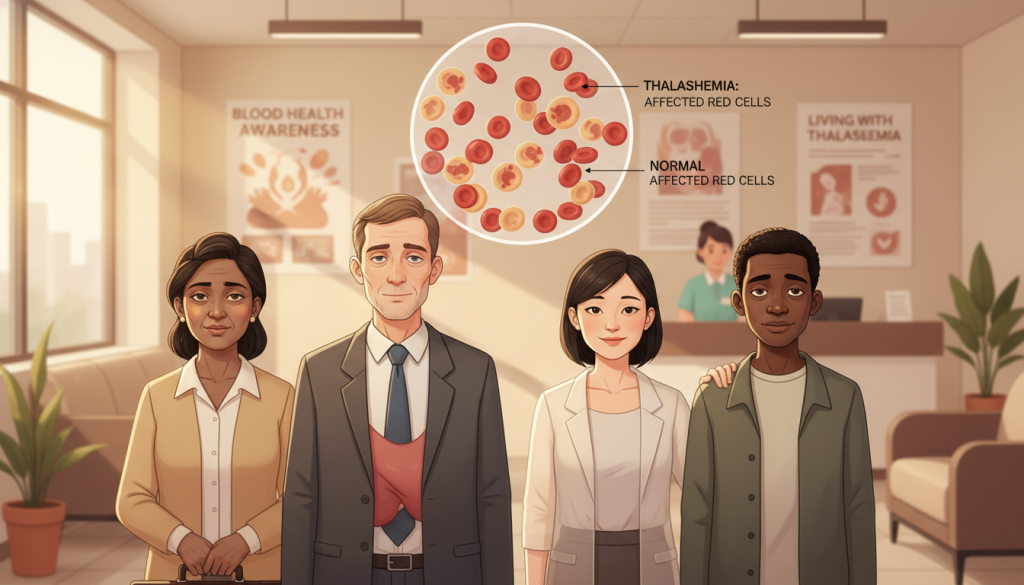
Getting a medical diagnosis can be scary, but knowing what it is is the first step. Thalassemia is a serious inherited blood disorder. It makes it hard for your body to make healthy hemoglobin. This protein is key for carrying oxygen around your body.
Low hemoglobin means your body can’t get enough oxygen to important parts. We are here to provide clarity and support for those dealing with this. Learning about it helps you make better health choices.
Even though it’s a serious condition, today’s medicine helps a lot. Knowing how it works is a big help for anyone with it.
Key Takeaways
- Thalassemia is an inherited condition affecting hemoglobin production.
- Healthy hemoglobin is vital for efficient oxygen transport in the body.
- The disorder impacts how red blood cells function within the circulatory system.
- Early diagnosis and expert guidance are essential for effective management.
- Patients can lead fulfilling lives with the right medical support and care.
Understanding the Biological Basis of Thalassemia
To understand thalassemia, we need to look at the basics of our red blood cells. At the heart of this condition is a problem with making hemoglobin. This protein is key for carrying oxygen in our bodies.
When we talk about thalassemia causes, we’re really discussing a genetic issue. It’s about how our genes tell our cells to make proteins.
Hemoglobin is made of alpha and beta globin proteins. In healthy people, these proteins are made in the right amounts. But in thalassemia, making these proteins is off. This stops the body from making enough functional hemoglobin.
Without enough hemoglobin, red blood cells get weak or don’t form right. These cells die faster than they should. This leads to anemia, a big problem for the body.
Anemia means the body can’t get enough oxygen. This makes the body work harder to keep everything running. This is why people with thalassemia often feel tired and have trouble breathing.
The main issue is how our bodies make proteins. Even small mistakes in our genes can cause big problems. We want to help people understand this so they can take control of their health.
The Genetics of Thalassemia
Thalassemia is a complex condition passed down through generations. It is hereditary, caused by mutations in genes that make hemoglobin. Hemoglobin is the protein in red blood cells that carries oxygen.
Looking at thalassemia genetics, we find that these mutations come from parents. Each person gets two copies of the hemoglobin genes, one from each parent. If these genes are altered, the body might not make enough healthy hemoglobin.
It’s key to know the difference between being a carrier and having the disease. A carrier, or someone with the “thalassemia trait,” has one mutated gene and one healthy one. They usually don’t show symptoms but can pass the gene to their kids.
On the other hand, those with two mutated genes may have the active disease. Knowing how genes are passed down helps families understand their health better. We think that knowledge is the first step toward effective management and making informed choices.
| Genetic Status | Inheritance Pattern | Clinical Impact |
|---|---|---|
| Healthy | Two normal genes | Normal hemoglobin production |
| Carrier (Trait) | One mutated, one normal | Usually asymptomatic |
| Active Disease | Two mutated genes | Requires medical monitoring |
By studying thalassemia genetics, doctors can predict the chance of the condition in future generations. We aim to provide the clarity and support needed to grasp these biological basics.
Major Types of Thalassemia
Understanding the main types of thalassemia helps explain why symptoms differ. We divide it into two main types of thalassemia, based on the affected part of the hemoglobin molecule. Knowing this is key to understanding your health journey.
Alpha and beta thalassemia are the two main forms. They refer to the missing or low production of alpha or beta protein chains. Genetic variations decide which chain is affected, affecting the anemia’s severity.
Doctors use these types of thalassemia to predict the condition’s progression. Some people might just feel tired, while others need more medical help. Knowing the exact genetic mutation helps tailor care plans.
| Feature | Alpha Thalassemia | Beta Thalassemia |
|---|---|---|
| Affected Chain | Alpha globin protein | Beta globin protein |
| Genetic Origin | Deletion of genes | Mutation of genes |
| Clinical Range | Silent carrier to severe | Minor to major severity |
| Primary Impact | Reduced oxygen transport | Ineffective red cell production |
Talking to your doctor about these types can help you understand your diagnosis better. Knowing the specific types of thalassemia helps manage your health better. Knowledge is key to good communication between patients and doctors.
Clinical Presentation and Thalassemia Symptoms
Knowing the signs of this condition is key for patients and families. Spotting thalassemia symptoms early is important for good health. Being alert can help get the right care quickly.
Feeling very tired or weak is a common sign. This happens because the body doesn’t get enough oxygen. Look out for pale skin or a yellowish color, too. These are signs to talk to your doctor.
In serious cases, the body tries to make up for the lack of healthy blood by making more bone marrow. This can cause bone deformities, like changes in the face or skull. Kids might also grow slower or not as well as they should. These are important signs to see a doctor right away.
Keep an eye on these changes and talk to your doctor often. Spotting thalassemia symptoms early helps manage the condition better. Here’s a table to show how symptoms can vary.
| Symptom Category | Mild Presentation | Severe Presentation |
|---|---|---|
| Energy Levels | Occasional fatigue | Chronic exhaustion |
| Physical Appearance | Mild skin pallor | Jaundice and bone changes |
| Developmental Impact | Minimal growth delay | Significant growth retardation |
| Clinical Urgency | Routine monitoring | Immediate medical intervention |
Diagnostic Procedures and Laboratory Testing
Understanding the steps to a thalassemia diagnosis is key. We want to clear up any confusion about medical tests. Knowing what to expect can make you feel more in control.
The first test is usually a Complete Blood Count (CBC). It checks your red blood cells’ size, shape, and hemoglobin levels. Small, pale red blood cells often hint that more tests are needed.
Next, doctors might do hemoglobin electrophoresis. This test separates your blood’s hemoglobin types. It helps find out if you have thalassemia.
| Diagnostic Test | Primary Purpose | Clinical Insight |
|---|---|---|
| Complete Blood Count | Analyze cell size | Detects microcytic anemia |
| Hemoglobin Electrophoresis | Identify hemoglobin types | Confirms specific variants |
| Genetic Testing | Analyze DNA mutations | Provides definitive diagnosis |
If tests are unclear, genetic testing gives clear answers. It looks at your DNA to find the exact cause. This helps create a personalized care plan for you.
An accurate thalassemia diagnosis is key to managing the condition well. With a clear diagnosis, we can offer the best support and treatment. Your journey to health begins with these important tests.
The Pathophysiology of Anemia in Thalassemia
To understand anemia in thalassemia, we must look at how red blood cells are made and destroyed. This condition makes it hard for the body to make hemoglobin. Without enough healthy hemoglobin, the body can’t deliver oxygen well.
The main cause of anemia is ineffective erythropoiesis. Normally, the bone marrow makes lots of healthy red blood cells. But in thalassemia, it makes too many bad cells that don’t mature.
These bad cells are seen as faulty by the body. So, the spleen and other organs get rid of them early. This is called hemolysis. It makes the number of red blood cells even lower, making anemia worse.
Poor production and quick destruction make a cycle hard to fix. We recognize that this is why patients need constant medical help. Without it, the bone marrow might grow too much, trying to make up for the loss.
The table below shows how anemia in thalassemia happens:
| Mechanism | Primary Effect | Clinical Consequence |
|---|---|---|
| Ineffective Erythropoiesis | Bone marrow produces immature cells | Reduced red cell count |
| Peripheral Hemolysis | Premature destruction of fragile cells | Chronic low hemoglobin levels |
| Compensatory Expansion | Bone marrow overactivity | Skeletal changes and fatigue |
Knowing about these biological challenges helps manage the condition better. By fixing both the production and destruction of cells, we help the body get enough adequate oxygenation. This knowledge helps patients and families make better care choices.
Complications Associated with Chronic Thalassemia
Modern medicine has made a big difference, but chronic thalassemia brings long-term health challenges. The body faces strain over years. Proactive monitoring is key to keeping your life quality high.
Iron overload is a big worry for those with this condition. The body can’t get rid of extra iron from blood transfusions. This extra iron can harm the heart, liver, and glands if not treated right.
It’s important for patients to keep up with screenings and care visits. Early detection helps your doctors adjust your treatment. Collaborative health management makes you a key player in your health.
The table below shows common concerns and how to watch for them:
| Complication Area | Primary Risk | Monitoring Method |
|---|---|---|
| Cardiac Health | Iron deposition in heart muscle | Cardiac MRI and Echocardiogram |
| Liver Function | Hepatic iron overload | Liver biopsy or specialized MRI |
| Endocrine System | Hormonal imbalances | Regular blood glucose and hormone tests |
| Bone Density | Increased risk of fractures | DEXA scan for bone mineral density |
Knowing about these risks empowers you, not scares you. We’re here to help you understand and manage these issues. Regular check-ups are essential for a healthy life.
Standard Approaches to Thalassemia Treatment
Effective thalassemia treatment combines regular blood transfusions and iron management. These steps help the body carry oxygen and reduce anemia risks.
Blood transfusions keep hemoglobin levels healthy. They give the body red blood cells, preventing fatigue and organ damage. Consistency is key for daily energy.
Transfusions add iron, which the body can’t remove. This iron builds up in organs like the heart and liver. So, iron chelation therapy is vital for treatment.
Chelation therapy removes excess iron. It helps the body get rid of it through urine or stool. This is key to avoiding organ damage. We monitor iron levels and adjust treatments as needed.
| Treatment Type | Primary Goal | Frequency |
|---|---|---|
| Blood Transfusion | Restore hemoglobin levels | Every 2–4 weeks |
| Iron Chelation | Remove excess iron | Daily or as prescribed |
| Monitoring | Track organ health | Regular intervals |
Combining these treatments balances thalassemia management. Following a thalassemia treatment plan improves life quality. Our team is committed to your long-term health and well-being.
Emerging Therapies and Medical Innovations
We are in a new era of medicine, with new treatments bringing hope to patients. Hematology is changing fast, thanks to a better understanding of blood disorders’ genetic causes. These changes are a big step forward in treating complex conditions.
Gene therapy is a key area of research. It involves adding healthy genes to a patient’s cells to fix the underlying problem. This approach aims to provide lasting relief and improve life quality for those affected.
Scientists are also looking into precision gene editing with CRISPR. This tech makes it possible to edit DNA with high accuracy. Though it’s in clinical trials, it could change how we treat diseases.
New medicines are being developed too. These drugs help the body make healthy red blood cells better. They aim to reduce the need for blood transfusions, making treatment easier for patients.
Keeping up with these advances is important for our community. We’re committed to following these breakthroughs as they become part of everyday care. Every discovery brings us one step closer to better managing these conditions.
The path to these medical milestones is a team effort. Researchers, doctors, and patients all play a part. By joining clinical trials and staying updated, patients help science move forward. We’re excited for a future where these new treatments are part of standard care.
Surgical Interventions and Supportive Care
Dealing with thalassemia needs a full plan that includes surgery and support. While main treatments focus on blood health, some patients might need special surgeries. We aim to make sure everyone gets a multidisciplinary care framework that fits their needs.
For many, a splenectomy is a key surgery. This is when the spleen is removed because it’s too big. It helps cut down on blood transfusions and eases pain from a big spleen.

Supportive care is key for long-term health. It includes checking iron levels, bone density, and managing endocrine issues. These steps help main treatments work better and stop problems before they start.
We think teaching patients is very important. Knowing why they need certain treatments helps them take charge of their health. With a team of experts, we make a plan that tackles both immediate and long-term health goals.
| Intervention Type | Primary Purpose | Expected Benefit |
|---|---|---|
| Splenectomy | Remove enlarged spleen | Reduced transfusion needs |
| Iron Chelation | Manage iron overload | Organ protection |
| Bone Density Care | Prevent skeletal weakness | Improved mobility |
| Endocrine Support | Monitor hormone levels | Balanced metabolic health |
Nutritional Support and Lifestyle Management
Empowering yourself through informed lifestyle choices is key to effective care. While medical treatments are important, your daily habits greatly affect your health. By integrating consistent thalassemia management into your routine, you can keep your energy up and support your body’s needs.
Monitoring iron levels is a big focus for many. The body can build up too much iron from blood transfusions or absorption. It’s wise to work with a registered dietitian to plan your diet. They can help you avoid high-iron foods while making sure you get all the vitamins and minerals you need.
Living a nutrient-rich lifestyle is essential for your overall health. Eating lots of fresh veggies, whole grains, and lean proteins gives your body what it needs without too much iron. Drinking plenty of water and getting enough sleep are also important for thalassemia management.
Being active is another way to take care of your health. While intense workouts might not be for everyone, gentle activities like walking, swimming, or yoga can help. Always check with your doctor before starting any new exercise to make sure it’s right for you.
In the end, thalassemia management is about finding a balance that fits your life. By staying informed and making small, positive changes daily, you can feel more in control. Remember, you’re not alone, and your efforts make a big difference in your life.
Psychosocial Impact and Mental Health
Managing thalassemia is more than just medical treatment. It also involves the emotional landscape of living with a chronic condition. Patients face complex feelings about their health, needing a caring and all-encompassing approach to care.
Regular medical visits and lifelong therapy can make you feel isolated or anxious. It’s crucial to focus on mental health as part of your treatment. Professional counseling offers a safe place to share your feelings and learn to cope.
Creating a strong support network is key to staying strong. Meeting others who understand your journey can make you feel less alone. We suggest joining community groups for invaluable emotional support and practical tips for everyday life.
Our approach to care believes in treating the whole person. This means addressing both physical and emotional health. By adding mental health resources to standard care, we help people live fulfilling lives. You’re not alone, and support is always here to help you succeed.
| Support Strategy | Primary Benefit | Implementation Method |
|---|---|---|
| Professional Counseling | Emotional Regulation | Individual therapy sessions |
| Peer Support Groups | Reduced Isolation | Community or online forums |
| Mindfulness Practices | Stress Reduction | Daily meditation or breathing |
| Family Education | Improved Communication | Guided family support meetings |
Thalassemia Prevention and Genetic Counseling
We think knowledge is key for families dealing with inherited conditions. Understanding thalassemia prevention starts with knowing your genes. Finding out if you carry the trait early helps you make smart choices for your future.
Genetic counseling offers a safe space to talk about these topics with experts. We help you understand lab results and how genes affect your health. This way, you feel in control, not overwhelmed by medical information.
Good thalassemia prevention comes from thorough screening programs. These tests find people carrying the trait, even if they look fine. Knowing your status is key to keeping future generations healthy and getting the best care.
Our team gives caring advice on family planning. We know these choices are personal and complex. We aim to offer the support you need to move forward confidently.
By using genetic info in your healthcare, you’re taking a proactive step in thalassemia prevention. We’re here to support you, with both clinical knowledge and warmth. Your health journey is our top priority, and we’re here for you every step.
Global Health Perspectives and Public Policy
Improving health outcomes for thalassemia patients needs strong public health systems and global partnerships. Medical progress brings hope, but getting these treatments is hard in many places. A worldwide effort is key to make sure every patient gets the care they need, no matter where they are.
Public policy is the base for lasting healthcare systems. By focusing on funding for screening and care centers, governments can lessen the disorder’s long-term effects. Effective policy changes help families by removing financial hurdles and making it easier to get medical help.
Working together internationally is also critical for setting common treatment standards. When doctors and researchers share data and methods, they help create a unified standard of care for all. This shared effort keeps doctors up-to-date with the latest treatments and ensures care is consistent and reliable.
Advocacy is key in changing these health outcomes. By spreading the word and working with policymakers, we can push for the changes needed to support thalassemia patients. Together, we can create a future where top-notch care is available to everyone, not just a few.
Living Well with Thalassemia
We think it’s possible to live well with thalassemia with the right care and attitude. The condition needs ongoing medical care, but it shouldn’t stop you from reaching your goals. Many people live full, active lives by managing their health every day.
Following your treatment plan is key to staying well. Keeping up with your treatments and going to all your doctor’s appointments helps keep you stable. This way, you can stay on top of your health instead of just reacting to it.

Having a strong support system is also very important. Having caring family, friends, and doctors around you helps a lot. If you need to talk to others who get what you’re going through, don’t be afraid to look for support groups or counseling.
Your daily choices affect how you feel. Eating well, drinking plenty of water, and being active can make you feel better. Being in charge of your health lets you make choices that help your body and mind every day.
See your health plan as a way to be free, not limited. When you focus on your health, you have the energy to do what you love and be with the people you care about. You have the strength to do well, and with the right support, your future is bright.
Conclusion
Managing Thalassemia is a team effort between patients and medical teams. We offer the expertise you need to handle this condition confidently.
Learning about Thalassemia’s biology and treatment options changes how you live. Knowledge is your best tool for making smart health choices.
Acıbadem Healthcare Group is dedicated to your health at every step. Our specialists provide top-notch medical advice tailored just for you.
We urge you to be proactive with regular check-ups and talking to your healthcare team. Your dedication to learning and monitoring helps pave the way for a healthy future.
Contact our clinical teams to talk about your health goals. We’re here to support you with care and the latest medical resources.
FAQ
Q: What exactly is Thalassemia and what are the primary thalassemia causes?
A: Thalassemia is a blood disorder where the body can’t make enough hemoglobin. Hemoglobin is a protein in red blood cells that carries oxygen. It’s caused by genetic mutations that affect the production of globin chains.
This leads to the destruction of red blood cells and anemia. At Acıbadem Healthcare Group, we focus on identifying these genetic issues. This helps us provide personalized care for each patient.
Q: What are the different types of thalassemia that patients should be aware of?
A: There are two main types of thalassemia: alpha and beta. They are named after the specific protein chains missing or defective in the hemoglobin molecule. The condition is classified as “major,” “intermedia,” or “minor” (trait) based on the severity of the mutation and symptoms.
Knowing your specific type is key to finding the best treatment.
Q: How do thalassemia genetics influence whether a person has the disease or is just a carrier?
A: Thalassemia genetics follow an autosomal recessive pattern. This means a person with a mutated gene from one parent is a carrier (thalassemia minor) and usually has no symptoms. But, inheriting mutated genes from both parents leads to the active disease, needing ongoing medical care.
Q: What are the most common thalassemia symptoms that require medical attention?
A: Symptoms vary by severity but include chronic fatigue, weakness, and jaundice. In severe cases, children may have slowed growth or bone deformities. If you or your child shows signs of unexplained exhaustion or developmental delays, seek medical help.
Q: How is a definitive thalassemia diagnosis performed by healthcare providers?
A: Diagnosis starts with a complete blood count (CBC) to check hemoglobin levels and red blood cell size. Hemoglobin electrophoresis is then used to analyze the blood’s hemoglobin types. Genetic testing may also be done to identify specific mutations.
This allows our specialists at Acıbadem Healthcare Group to create a tailored management plan.
Q: What does a standard thalassemia treatment plan usually involve?
A: Treatment focuses on managing anemia and preventing complications. For moderate to severe cases, regular blood transfusions are used to keep hemoglobin levels healthy. Iron chelation therapy is also key to remove excess iron and protect vital organs.
Q: What are the best practices for long-term thalassemia management?
A: Effective management involves regular check-ups, sticking to transfusion schedules, and iron monitoring. Nutritional support, like a diet rich in folic acid but low in iron, is also important. Lifestyle adjustments, such as staying hydrated and avoiding infections, help ensure a good quality of life.
Q: Is thalassemia prevention possible for families with a history of the disorder?
A: Prevention focuses on genetic counseling and screening. Carrier screening is recommended for couples planning a family. This helps determine the risk of passing the condition to their children. Advanced reproductive technologies and prenatal testing help families make informed decisions.
Q: Are there any new medical innovations or emerging therapies for this condition?
A: We’re seeing significant progress in medicine. Gene therapy aims to correct genetic defects in stem cells, potentially curing the disease with one treatment. New medications also improve red blood cell production, reducing the need for frequent blood transfusions.