

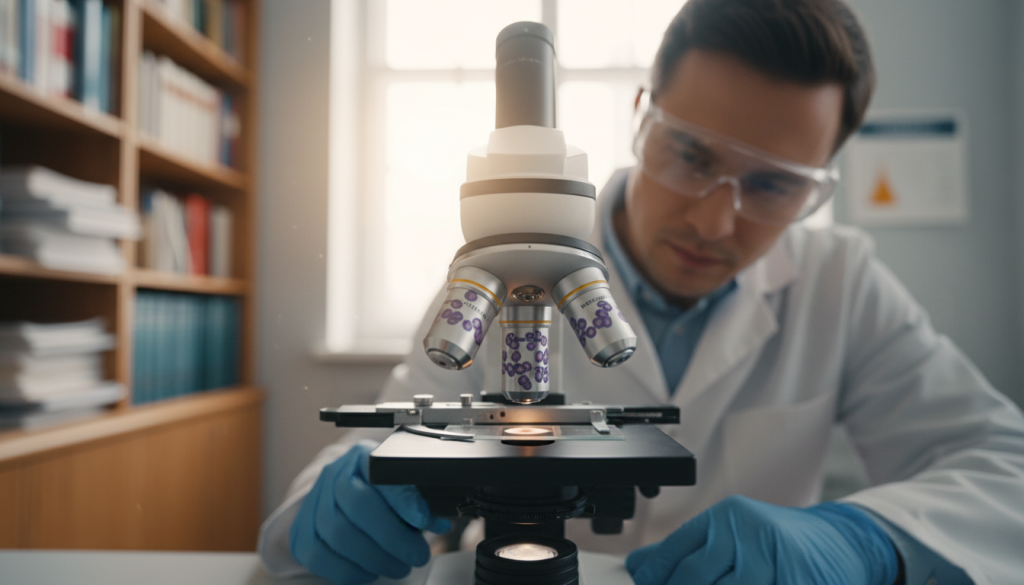
Getting a diagnosis can be scary. Myelogenous Leukemia is a complex blood cancer. It starts in the bone marrow, where blood cells are made.
When these cells grow wrong, they take over. Learning about it helps you feel more in control of your health.
We aim to give you clear, trustworthy info. Knowing more helps you work better with your doctors. This leads to better health outcomes.
Key Takeaways
- This condition starts in the bone marrow.
- It disrupts the normal production of healthy blood cells.
- Understanding the basics helps you communicate with your doctor.
- Early education empowers patients during their treatment journey.
- We are here to support your path toward informed health decisions.
Understanding the Biology of Myelogenous Leukemia
Myelogenous Leukemia happens when myeloid stem cells don’t mature right. These cells are in our bone marrow, where they turn into blood components like red blood cells and white blood cells.
Normally, these cells grow and develop in a controlled way. But in leukemia, they don’t mature. They stay in an immature state called blasts.
These immature cells don’t work like normal blood cells. They grow too fast and take over the bone marrow. This means healthy cells can’t grow and function properly.
This problem is what causes Myelogenous Leukemia. The bone marrow gets full of these non-working cells. It can’t make enough healthy cells to carry oxygen or help with clotting.
Knowing how this works helps us understand why patients feel tired, get sick easily, and bruise easily. By looking at the cellular origins, we can see how complex it is to manage this disease.
Distinguishing Between Acute and Chronic Myelogenous Leukemia
It’s key to tell apart Acute Myelogenous Leukemia from Chronic Myelogenous Leukemia. Both are types of myelogenous leukemia, but they act differently in the body. Knowing these differences helps you and your doctors make the best choices.
The main difference is in how fast the disease grows and how cells mature. Acute leukemia makes the bone marrow produce lots of immature cells quickly. This pushes out healthy cells and needs immediate and intensive treatment.
Chronic Myelogenous Leukemia grows slower. The body makes some mature, working blood cells, but abnormal cells take over. This slower growth means treatments focus on managing the disease over time, not just treating it right away.
| Feature | Acute Myelogenous Leukemia | Chronic Myelogenous Leukemia |
|---|---|---|
| Progression Speed | Rapid and aggressive | Slow and gradual |
| Cell Maturity | Mostly immature blasts | Mix of mature and immature |
| Primary Goal | Induce remission quickly | Control cell growth |
We think knowing the facts is the first step to feeling in control. By understanding your myelogenous leukemia cells, doctors can create a treatment plan just for you. Whether it’s acute or chronic, knowing the details is a powerful tool in your health journey.
Common Symptoms and Early Warning Signs
It’s key to know how your body signals trouble, like with AML or CML. These diseases happen when the bone marrow can’t make enough blood cells. This is needed for your body to function right.
When blood cell making slows down, you’ll see subtle but important changes. Spotting these signs early is vital. It helps you get medical help fast.
Many people feel very tired, even after resting. This tiredness comes from not having enough red blood cells. Red blood cells carry oxygen to your body.
You might also notice other changes that don’t make sense. Getting sick a lot, bruising easily, or bleeding a lot are signs. These leukemia symptoms mean you should talk to your doctor.
| Symptom Category | Common Manifestation | Underlying Cause |
|---|---|---|
| Energy Levels | Persistent Fatigue | Low red blood cell count |
| Immune Response | Frequent Infections | Lack of healthy white cells |
| Clotting Ability | Unexplained Bruising | Low platelet count |
Remember, these signs can mean different things, not just AML or CML. But knowing about your health helps you speak up for yourself. If you see these signs, see a doctor. They can help you understand and support you.
Primary Causes and Risk Factors
Researchers are always studying what causes leukemia. They’ve found that certain things can start harmful changes in our cells. Knowing these leukemia causes helps us understand how cancer starts in the bone marrow.
At the heart of leukemia, genetic mutations play a big role. These are DNA changes in blood cells that make them grow too much. Some mutations are passed down from parents, but most happen by chance during a person’s life.
Things around us can also affect our risk of getting leukemia. Too much ionizing radiation, like from some medical treatments or accidents, is a risk. Also, being around certain chemicals, like benzene, for a long time can increase the risk.
Having a risk factor doesn’t mean you’ll definitely get leukemia. Many people with these risks don’t get the disease. Think of these factors as parts of a big puzzle instead of the whole story of your health.
Doctors can keep a closer eye on people at high risk by knowing these triggers. Learning about leukemia causes helps you talk better with your doctor. We’re here to help you understand your health as you move forward.
Diagnostic Procedures for Myelogenous Leukemia
We use both traditional blood tests and the latest genetic analysis to diagnose leukemia. First, we do a complete blood count (CBC) to check red, white cells, and platelets. This step is key to spotting any odd patterns that need more looking into.
If the CBC shows something off, we do a bone marrow test. We take a small sample from the hip bone to look at the cells under a microscope. This is a critical step to confirm leukemia and learn about its type.

We also use advanced lab methods to study the cells more closely. Cytogenetic analysis helps us find specific genetic changes in the leukemia cells. These genetic signs are key in modern cancer treatment, showing us what kind of disease we’re dealing with.
Molecular testing goes even deeper, finding specific gene changes. This helps us create a treatment plan that’s just right for each patient. This approach makes sure we attack the disease in the best way possible, without wasting time or effort.
| Diagnostic Tool | Primary Purpose | Clinical Benefit |
|---|---|---|
| Complete Blood Count | Assess cell levels | Initial screening |
| Bone Marrow Biopsy | Examine marrow cells | Definitive confirmation |
| Cytogenetic Analysis | Identify chromosomes | Risk stratification |
| Molecular Testing | Detect gene mutations | Targeted therapy selection |
Staging and Risk Stratification
Staging and risk stratification are key steps in planning your treatment. They help your medical team find the right balance between treating the disease and keeping your overall quality of life good. After you’re diagnosed, we start this important process to make a care plan just for you.
We look at several important factors to figure out how serious your disease is. These include your age, your white blood cell count, and certain genetic markers in your leukemia cells. Understanding these variables helps us guess how well you might do with different treatments.
This careful method helps us decide who needs stronger treatments and who might do well with gentler ones. Precision medicine uses this information to treat you as a person, not just your disease. We aim to give you the best care with the fewest side effects.
The table below shows how we group different factors to guide our decisions:
| Risk Category | Genetic Markers | White Blood Cell Count | Treatment Outlook |
|---|---|---|---|
| Favorable | Standard mutations | Low to Normal | High response rate |
| Intermediate | Variable markers | Moderate | Standard therapy |
| Adverse | Complex abnormalities | High | Requires intensive care |
Using these categories helps us talk to you about what to expect. Collaborative decision-making is our goal, so you feel in the loop and supported. We’re always ready to adjust your treatment plan as new info comes in.
Treatment Modalities for Acute Myelogenous Leukemia
Acute Myelogenous Leukemia grows fast, so quick action is key. We work fast to help the patient and start fighting the bad cells. This quick start is important for better chances of recovery.
The first step in Leukemia treatment is induction therapy. We use strong chemotherapy to kill as many bad cells as we can. Our goal is to get the bone marrow making healthy blood cells again.
Dealing with AML is not just about medicine. We also focus on keeping patients safe from side effects. Patient safety is our top concern at every step.
Our teams keep a close eye on how patients are doing. We adjust treatments as needed. This mix of tough AML treatments and caring support is our goal. Knowing about these treatments helps on the road to healing from Acute Myelogenous Leukemia.
Good Leukemia treatment needs a team effort. We promise to be open and clear with our patients. This way, everyone feels in control of their AML journey.
Targeted Therapies for Chronic Myelogenous Leukemia
We’ve seen a big change in how we treat Chronic Myelogenous Leukemia. In the past, it was a serious disease. But now, thanks to new treatments, we can fight it more effectively.
At the heart of this change are tyrosine kinase inhibitors (TKIs). These medicines block the proteins that let cancer cells grow too much. They target only the bad cells, protecting the good ones.
Now, CML is seen as a chronic condition, not a death sentence. People can live well while managing their disease. Taking these medicines as directed is key to staying healthy.
In the last 20 years, treating Leukemia has gotten much better. Patients are now living full lives thanks to these advances. By focusing on the disease’s molecular causes, we can tailor treatments better.
Dealing with CML needs teamwork between the patient and doctors. We check blood counts and do tests to make sure the treatment works. We’re here to support our patients every step of the way.
Stem Cell and Bone Marrow Transplantation
Understanding bone marrow transplantation is key for those looking into leukemia treatment options. This method, also known as a hematopoietic stem cell transplant, can cure some patients. It replaces bad bone marrow with healthy stem cells to make blood cells again.
The first step is conditioning. Patients get strong chemotherapy or radiation to kill cancer cells and weaken the immune system. This is crucial to make room for the new stem cells.
After conditioning, the transplant happens through an IV, like a blood transfusion. The healthy stem cells go to the bone marrow to start rebuilding the immune system. This leukemia treatment needs a good match between the patient and the donor.
| Phase | Primary Goal | Patient Focus |
|---|---|---|
| Conditioning | Clear diseased marrow | Managing side effects |
| Transplant | Infuse healthy cells | Monitoring for reactions |
| Recovery | Ensure successful engraftment | Preventing infection |
The recovery phase is all about watching and waiting. Patients stay in a safe place to avoid infections. We check their blood daily to see if the new cells are working.
This journey is tough, but it’s worth it for long-term health. We support each patient through every step. Recovery is slow, but it’s a big step towards getting better.
Managing Side Effects and Supportive Care
Our team treats the whole person, focusing on compassion and expertise in managing side effects. We know that treating cancer is more than just medicine. We aim to keep you comfortable and maintain your quality of life during treatment.
Supportive care is key in helping patients deal with treatment’s physical and emotional challenges. We work with you to tackle issues like nausea, fatigue, and infection risk. Our goal is to reduce discomfort so you can heal better.

Dealing with side effects requires a proactive approach. Our clinical team keeps a close eye on your health to prevent serious problems. We create personalized support plans that fit your needs during treatment.
We also understand the emotional impact of a leukemia diagnosis. Our team offers mental health support to ensure you feel supported. You are never alone in this journey, as we provide care that covers all aspects of your health.
| Supportive Care Area | Primary Goal | Patient Benefit |
|---|---|---|
| Nausea Management | Preventing digestive distress | Improved nutritional intake |
| Fatigue Mitigation | Energy conservation strategies | Increased daily functionality |
| Infection Prevention | Immune system monitoring | Reduced hospitalizations |
The Importance of Clinical Trials
For many patients, joining a clinical trial is a chance to try new cancer treatments. These studies offer access to cutting-edge therapies not yet common in regular care. By taking part, you get to try innovative treatments that might offer new hope.
Being part of a trial does more than help you. You also help advance medical science. Your contribution helps researchers find better ways to treat leukemia for all. Every person in a trial adds to the knowledge that shapes the future of cancer treatment.
We urge you to talk openly with your doctor about these chances. Your doctor knows best if a trial fits your health and treatment goals. Asking questions about risks and benefits is key to being an informed patient.
Remember, clinical trials follow strict safety rules to protect you. While deciding to join is personal, knowing the facts makes it easier. We’re here to help you understand and choose the best path for your care.
Psychological Impact and Emotional Wellbeing
Getting a leukemia diagnosis is a tough journey. It’s not just about the medical treatment. Your mental health is just as important.
Looking for professional help is a proactive step. Many find comfort in counseling. It’s a safe place to talk about your feelings.
Support groups are also helpful. They connect you with others who get what you’re going through. Sharing stories can make you feel less alone.
Mindfulness practices can also help. Activities like deep breathing and meditation can reduce stress. They help you feel more in control.
Don’t forget about your emotional wellbeing. Building a strong support network is key. Your mental health matters a lot. Taking care of it is part of healing.
Long-Term Survivorship and Follow-Up Care
Reaching the end of active treatment is a big step towards health. This phase can feel both relieving and uncertain. You’re moving from intense therapy to long-term health maintenance. Our team is here to support you every step of the way.
Regular check-ups are key to your ongoing care. These visits help us see how you’re doing and check your blood counts. We also talk about any physical or emotional changes. Consistent surveillance is vital to catch any health issues early.
We watch for late effects of treatment during these visits. Modern treatments are effective but can sometimes affect organs or energy levels. By being proactive, we can manage these issues and help you live well.
Your survivorship plan is tailored to your needs. We encourage you to talk openly with your healthcare team about any new symptoms or goals. Together, we’ll create a plan that focuses on your long-term wellbeing.
| Care Component | Purpose | Frequency |
|---|---|---|
| Blood Work | Monitor cell counts and organ function | Quarterly to Annually |
| Physical Exams | Assess overall health and recovery | Every 6 Months |
| Symptom Review | Identify possible late effects | Every Visit |
| Wellness Counseling | Support emotional and lifestyle health | As Needed |
Advancements in Myelogenous Leukemia Research
Recent years have seen a lot of new hope for those with Myelogenous Leukemia. We’re seeing big changes in how we fight blood cancers. These discoveries are making a real difference for families in the U.S.
Immunotherapies are a big deal now. They teach the body to fight cancer cells on its own. This approach is more effective and kinder than old treatments.
Gene-editing technologies are also a huge step forward. They let us study genetic changes in detail. This means we can create treatments that fit each person’s needs better.
Knowing about these new discoveries helps patients feel more in control. Being informed helps patients work better with their doctors. We believe that an empowered patient is better equipped to navigate their health journey with confidence and clarity.
Our main goal is to make these new technologies part of everyday care. More research means better treatments for Myelogenous Leukemia. We’re here to keep you updated on these exciting changes.
Conclusion
Getting a diagnosis of myelogenous leukemia is tough. But, at Acıbadem Healthcare Group, we’re here to help. We offer top-notch care and education for you.
We use the latest medical knowledge with kindness. This helps you understand your treatment options better. It gives you the power to take charge of your health.
You don’t have to face this alone. Our team is here to support you every step of the way. Reach out to our specialists to talk about your needs and choices.
Your health is what matters most to us. Together, we can tackle this condition with hope and clarity. Contact our clinics to start your care plan today.
FAQ
Q: What exactly is Myelogenous Leukemia and how does it start?
A: Myelogenous Leukemia is a type of blood cancer. It starts in the bone marrow, the soft part inside bones. At Acıbadem Healthcare Group, we say it happens when abnormal myeloid cells are made.
These cells should turn into different types of blood cells. But they grow too much and stop healthy cells from being made.
Q: How does the biology of this disease affect my body’s blood production?
A: The disease makes myeloid stem cells not grow right. This leads to too many abnormal white blood cells.
These cells take over the bone marrow. This means there’s not enough healthy red blood cells, white blood cells, or platelets.
This is why patients might feel tired, get infections easily, or bleed a lot.
Q: What is the difference between Acute Myelogenous Leukemia (AML) and Chronic Myelogenous Leukemia (CML)?
A: AML grows fast and needs quick treatment. CML grows slower and can be managed for years.
AML has more immature cells, while CML has more mature but abnormal cells. This means they need different treatments.
Q: What are the most common Leukemia symptoms I should be aware of?
A: Early signs include feeling very tired, bruising easily, getting infections often, and shortness of breath.
Some people might also have night sweats or bone pain. Seeing a doctor early is key.
Q: What are the known Leukemia causes and risk factors?
A: Causes and risk factors include genetic changes, radiation, and chemicals like benzene. We look at these during your visit.
Q: How is a definitive Leukemia diagnosis reached?
A: We start with blood counts and a bone marrow biopsy. Then, we do Cytogenetic Analysis and Molecular Testing.
These tests help find specific genetic changes. This is important for making a treatment plan just for you.
Q: What does “risk stratification” mean in the context of my care?
A: Risk stratification helps us understand how severe your disease is. We look at your age, blood cell count, and genetic markers.
This helps us choose the right treatment. It balances treating the disease with keeping you healthy and happy.
Q: What are the primary Leukemia treatment options for the acute form (AML)?
A: AML needs quick treatment. We use intensive chemotherapy to clear out cancer cells.
Our team also gives strong support during treatment. This helps keep you safe and comfortable.
Q: How have targeted therapies changed the management of CML?
A: Targeted therapies, like tyrosine kinase inhibitors (TKIs), have changed CML treatment. These drugs block cancer cell growth.
This has made CML a chronic condition. It has greatly improved survival rates for CML patients.
Q: When is a stem cell or bone marrow transplantation considered?
A: We consider a transplant for high-risk or recurring leukemia. It replaces bad bone marrow with healthy stem cells.
At Acıbadem Healthcare Group, we guide you through the transplant process. We help you recover and start a new life.
Q: How do you help patients manage the side effects of treatment?
A: We focus on supportive care for side effects like nausea, fatigue, and infections. Our team works hard to keep you comfortable.
We treat the whole person, not just the disease. This approach helps you feel better during treatment.
Q: Why should I consider participating in clinical trials?
A: Clinical trials offer new treatments and therapies. They help advance medical science and may benefit you.
At Acıbadem Healthcare Group, we encourage you to talk to your doctor about trials. They might be right for you.
Q: What support is available for the psychological impact of a leukemia diagnosis?
A: We know cancer affects your mind too. We offer counseling, support groups, and mindfulness practices.
Taking care of your mental health is part of your treatment. It helps you and your family cope with the journey.
Q: What does long-term survivorship and follow-up care involve?
A: Long-term care means regular check-ups and monitoring. We watch for signs of cancer coming back.
Our goal is to help you stay healthy after treatment. We keep you informed and protected for life.
Q: What recent advancements are being made in Myelogenous Leukemia research?
A: New treatments like immunotherapies and gene-editing are coming. These aim to target cancer cells better and reduce side effects.
By staying updated, we can offer you the best hope for the future.