

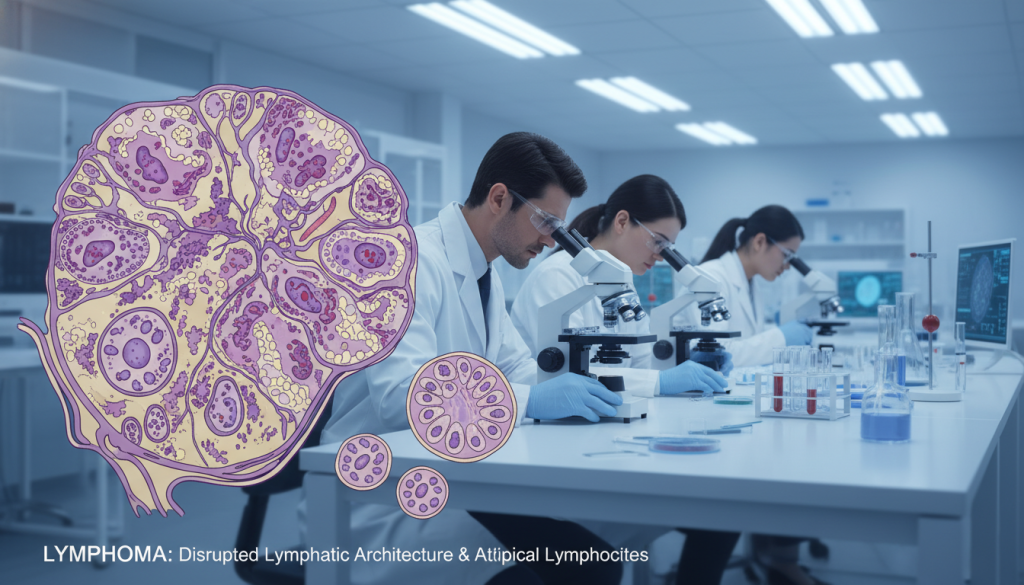
Getting a lymphoma diagnosis can be scary, but you’re not alone. This is a group of blood cancers that affect your immune system.
We think that knowledge is the first step toward healing. We want to give you clear, expert advice to help you feel more confident in your health journey.
Knowing how this disease works helps you make better health choices. We’re here to support you and your family with reliable information and caring guidance at every step.
If you’re looking for answers for yourself or a loved one, we’re here to help. We want to make complex medical ideas easier to understand. Together, we can clear up the mystery of lymphoma and help you find your way to wellness.
Key Takeaways
- Lymphoma is a type of blood cancer that affects the body’s immune system.
- Understanding the nature of the condition is essential for patient empowerment.
- Expert-led education helps families navigate complex medical landscapes.
- Clear communication is vital for making informed healthcare decisions.
- Our mission is to provide supportive, accessible guidance throughout your health journey.
Understanding the Basics of Lymphoma
Many people are surprised to learn that lymphoma starts in the cells that protect us. These cells, called lymphocytes, are key to our immune system. They help our body fight off infections and diseases.
The lymphatic system is a network all over our body. These cells move through our blood, tissues, and organs. When they grow too much, they become cancer. Understanding this is the first step to taking control of your health.
This condition can weaken our immune system. Recognizing early signs helps you get medical help quickly. We think early awareness is key for managing the condition well.
Doctors group lymphoma types based on cell appearance and behavior. The table below shows how these types differ.
| Feature | Hodgkin Lymphoma | Non-Hodgkin Lymphoma |
|---|---|---|
| Cell Type | Reed-Sternberg cells | B-cells or T-cells |
| Spread Pattern | Predictable, orderly | Often non-contiguous |
| Commonality | Less frequent | More frequent |
| Primary Focus | Lymph node clusters | Systemic involvement |
Knowing these differences helps you talk better with your healthcare team. Knowledge is a powerful tool in managing your health. We’re here to give you the info you need to make informed decisions about your care.
Distinguishing Between Hodgkin’s Lymphoma and Non-Hodgkin’s Lymphoma
When we explore lymphoma types, two main types stand out. They have different behaviors and need different treatments. Both affect the lymphatic system but are distinct diseases.
Hodgkin’s lymphoma is marked by a special cell called the Reed-Sternberg cell. This cell is a clear sign of the disease under a microscope. Because of this, its treatment is often more straightforward.
Non-Hodgkin’s lymphoma is a broader group with many different cancers. These cancers don’t have Reed-Sternberg cells and can start in different white blood cells. This makes them grow and react to treatment in many ways.
Knowing the difference is key because it helps us choose the right treatment. By identifying the exact type, we can make treatments more effective for our patients.
| Feature | Hodgkin’s Lymphoma | Non-Hodgkin’s Lymphoma |
|---|---|---|
| Cellular Marker | Reed-Sternberg cells present | Reed-Sternberg cells absent |
| Prevalence | Less common | More common |
| Spread Pattern | Often orderly, contiguous | Often non-contiguous, widespread |
| Treatment Focus | Highly standardized protocols | Diverse, subtype-specific plans |
We think knowing the difference helps people take a bigger role in their health care. Whether it’s Hodgkin’s lymphoma or non-Hodgkin’s lymphoma, getting the right diagnosis is the first step to good care.
Common Lymphoma Symptoms to Monitor
Spotting lymphoma symptoms early is key to staying healthy. It can be scary to notice changes in your body. But knowing what to look for is the first step to getting the right care.
The most common sign is painless swelling in lymph nodes. You might see these lumps in your neck, under your arms, or in your groin. While swelling can happen from infections, if it doesn’t go away, see a doctor.
Systemic changes are also important to watch. Many people feel persistent fatigue that doesn’t get better with rest. This tiredness can make everyday tasks much harder.
Unexplained weight loss is another sign. Losing weight without changing your diet or exercise is a red flag. These lymphoma symptoms are your body’s way of saying something’s off.
We urge you to pay attention to any lasting changes. Catching lymphoma early can greatly improve your chances of a good outcome. By keeping an eye on these important health markers, you’re taking charge of your health.
Primary Lymphoma Causes and Biological Mechanisms
Exploring the primary lymphoma causes sheds light on how this disease spreads in the body. It starts with the immune system, focusing on white blood cells called lymphocytes. These cells are key in fighting off infections but can change genetically.
These genetic changes can make these cells live longer than they should. Normally, old or damaged lymphocytes die off. But in lymphoma, they don’t, leading to an abnormal buildup.
As these abnormal cells multiply, they quickly fill lymph nodes and other tissues. This rapid growth is a major lymphoma cause found by scientists. Eventually, these cells can block the body’s normal functions, causing symptoms.
Grasping these biological steps helps us see how lymphoma grows at a cell level. Though we can’t pinpoint every cause, the table below shows the main stages of this process.
| Biological Stage | Cellular Activity | Clinical Impact |
|---|---|---|
| Genetic Mutation | DNA damage in lymphocytes | Loss of growth control |
| Cellular Survival | Failure of apoptosis | Accumulation of abnormal cells |
| Proliferation | Rapid, uncontrolled division | Lymph node enlargement |
| Systemic Spread | Migration to other organs | Advanced disease progression |
By examining these complex biological pathways, doctors can find new ways to help. We aim to make this complex info easy to understand for those on a health journey.
Identifying Significant Lymphoma Risk Factors
Understanding what can lead to lymphoma is key to staying healthy. These lymphoma risk factors don’t mean you’ll definitely get the disease. But they help doctors know who might need more checks.
Seeing this info as a way to take control of your health is important. It lets you talk better with your doctor about your health history.

Many things can make you more likely to get lymphoma. Getting older is one big factor. Your immune system also plays a big role in fighting off bad cells.
Things outside of you, like toxins or viruses, can also be risks. These can mix with your genes in complex ways. Remember, these lymphoma risk factors are just parts of a bigger picture.
We want to help you understand these complex issues better. If you’re worried about your health, talk to a specialist. Being proactive about your health is the best way to get the care you need.
The Diagnostic Process for Lymphoma
We believe that knowledge is the best tool for navigating the medical journey toward a definitive lymphoma diagnosis. When your medical team investigates a possible health concern, they follow a precise path. This ensures the highest level of accuracy. They usually need a tissue sample to examine cells under a microscope.
Excisional Lymph Node Biopsy
An excisional lymph node biopsy is often considered the gold standard in clinical practice. During this procedure, a surgeon removes the entire lymph node. This gives the pathologist a complete view of the tissue architecture. This approach is essential for a definitive diagnosis and to determine the specific subtype of the condition.
Fine Needle Aspiration Limitations
While fine needle aspiration is a less invasive method, it has significant limitations. This technique uses a thin needle to withdraw a small amount of fluid or cells. It may not provide enough material for a complex lymphoma diagnosis.
Because the sample size is limited, it can be difficult for specialists to distinguish between different types of cells. This can lead to inconclusive results.
| Procedure Type | Tissue Sample Size | Diagnostic Accuracy |
|---|---|---|
| Excisional Biopsy | Entire Lymph Node | High (Definitive) |
| Fine Needle Aspiration | Small Cell Cluster | Variable (Limited) |
We understand that waiting for test results can be an emotionally challenging time for you and your family. By choosing the most reliable diagnostic method, your medical team ensures your treatment plan is tailored to your specific needs. Relying on accurate data is the first step toward effective care and long-term health management.
Advanced Imaging and Staging Procedures
After getting a lymphoma diagnosis, your team uses special scans to see how far the disease has spread. These scans help us make a detailed map of where the disease is in your body. This way, we can understand the challenges you face better.
PET and CT scans are the main tools we use. They show us where the disease is active and where it’s not. This detail is key for planning the best treatment for you.
After the scans, we start the staging process. Staging tells us how far the lymphoma has spread. We use the Ann Arbor system to do this. It helps us decide if you need a strong treatment or a gentler one.
Knowing your stage is important. It helps us set goals and choose treatments that fit you. We’re here to help you understand what this means for your health.
| Stage | Description | Lymph Node Involvement | Clinical Focus |
|---|---|---|---|
| Stage I | Localized disease | Single lymph node region | Targeted therapy |
| Stage II | Regional spread | Two or more regions on one side of diaphragm | Combined modality |
| Stage III | Widespread nodes | Both sides of the diaphragm | Systemic treatment |
| Stage IV | Extranodal involvement | Diffuse organ involvement | Intensive care |
We use these scans to make sure our decisions are based on solid data. Your comfort and understanding are our main goals as we go through these steps together.
Comprehensive Overview of Lymphoma Treatment Options
We believe that knowledge is key, which is why we focus on lymphoma treatment. Every patient’s journey is different. Doctors tailor treatments to fit your specific needs, diagnosis, and health.
Chemotherapy is a mainstay for many. It uses drugs to kill cancer cells all over the body. Your oncology team will help you manage side effects and keep your quality of life high.
Radiation therapy targets cancer in specific areas. It uses beams to shrink tumors while protecting healthy tissue. This treatment is often used with others for the best results.
Targeted drug therapies are a big step forward. These drugs attack specific proteins or genetic markers on cancer cells. This precision helps protect normal cells, making treatment better for patients.
| Treatment Type | Primary Mechanism | Common Goal |
|---|---|---|
| Chemotherapy | Systemic drug delivery | Eliminate cancer cells |
| Radiation | High-energy beams | Local tumor control |
| Targeted Therapy | Molecular targeting | Precision cell destruction |
Choosing lymphoma treatment is a team effort. You and your doctors will decide together. We encourage you to ask questions and share your concerns. Being informed is a powerful step toward your recovery and well-being.
Immunotherapy and Emerging Treatment Modalities
Modern medicine is entering a new era with the rise of innovative therapies for blood cancers. These advancements represent a significant shift in the standard lymphoma treatment landscape. By focusing on the body’s natural defenses, we can now address disease in ways that were previously unimaginable.
Immunotherapy works by training your immune system to recognize and destroy malignant cells more effectively. Unlike traditional methods that may affect healthy tissue, these targeted approaches offer greater precision in patient care. This evolution provides a vital alternative for those who have not responded well to standard chemotherapy.
We are also seeing the integration of monoclonal antibodies and CAR T-cell therapy into routine practice. These modalities are designed to seek out specific markers on cancer cells, making your lymphoma treatment more personalized. Such breakthroughs are critical for improving long-term survival and quality of life.
The progress being made in clinical settings offers renewed hope for many families. By combining these emerging tools with existing protocols, we can create more robust management plans. Our goal remains to provide effective, sustainable care that supports your overall well-being throughout the recovery journey.
As research continues to expand, the possibilities for managing complex conditions grow daily. We remain committed to incorporating these cutting-edge options into our lymphoma treatment strategies. This dedication ensures that you receive the most advanced and compassionate care available today.
Managing Side Effects and Supportive Care
Supportive care is crucial for your quality of life during treatment. We know dealing with therapy side effects is a big part of your healing. By tackling these issues early, we keep you comfortable and strong while watching lymphoma risk factors.

Our team works on symptoms like nausea, fatigue, and immune suppression. We create personalized plans to lessen these effects. This way, your body gets the support it needs. Open communication with your care team is key for adjusting your care plan.
Let us know right away if you have new or worsening symptoms. We’re here to help you through every step. We balance your treatment goals with your comfort. Knowing your lymphoma risk factors helps us tailor our care to you.
Prognosis and Survival Rates
The lymphoma prognosis is a guide, not a final stop. Patients often look for numbers to understand their treatment. But, these stats are just a starting point, not a prediction for you.
Recent medical research has led to better survival rates. Early detection and new treatments have helped many. Your health history and the type of lymphoma matter more than statistics.
Many things affect your experience, like age and health. Talk to your oncology team about your lymphoma prognosis. They can give you a more accurate view based on your health.
The table below shows survival trends for different cases. Remember, these numbers are for big groups, not for you personally.
| Category | Primary Focus | Impact on Outlook |
|---|---|---|
| Early Stage | Localized Treatment | High Success Rates |
| Advanced Stage | Systemic Therapy | Improving Outcomes |
| Individual Health | Patient Resilience | Key Prognostic Factor |
| Medical Innovation | New Therapies | Positive Long-term Trends |
The aim of modern care is to improve your life and outcomes. We’re here to support you with the latest info and care. Your medical team can help you understand how these trends apply to you.
Living with Lymphoma
Adjusting to a new normal is a big part of your health journey. Living with lymphoma means finding a balanced approach. This balance includes medical care and your daily life. Building a routine can help you feel more in control.
It’s important to focus on your mental health as much as your physical health. Watch for any new or changing lymphoma symptoms. Keeping a health journal can help you track your feelings and talk to your care team.
Talking openly with your support network is key for long-term strength. This includes family, friends, and support groups. Sharing your experiences can make you feel less alone. Remember, asking for help is important for your emotional health and recovery.
Our goal is to help you keep your sense of purpose while dealing with your condition. Stay informed about lymphoma symptoms and take care of yourself. You’re not alone, and we’re here to support your journey toward sustained health and wellness.
Pediatric Lymphoma Considerations
When a child is diagnosed with lymphoma, the path forward involves unique considerations for their long-term growth and development. We recognize that this is an incredibly challenging time for families, and our goal is to provide clarity and support. Pediatric cases often behave differently than those found in adults, requiring a specialized approach to care.
Both Hodgkin’s lymphoma and non-Hodgkin’s lymphoma require the expertise of pediatric oncologists who understand the delicate balance of treating a developing body. These specialists focus on maximizing cure rates while minimizing the impact of therapy on a child’s future health. It is vital to choose a center that prioritizes a multidisciplinary team approach.
Treatment plans for younger patients are carefully designed to account for physical and emotional maturation. We emphasize that compassionate care is just as important as the clinical protocols used to fight the disease. By integrating supportive services, we help children maintain their quality of life throughout the recovery process.
Parents and caregivers play a central role in the treatment journey for both Hodgkin’s lymphoma and non-Hodgkin’s lymphoma. Staying informed and working closely with the medical team ensures that the child receives the most effective, age-appropriate care available. We are committed to standing by your side, guiding you through these complex medical decisions with confidence.
Clinical Trials and Future Research Directions
Clinical trials are key to medical progress and innovation in cancer care. They help bring cutting-edge therapies from labs to patients. By joining research, patients get access to new treatments not available to everyone.
Every participant is vital in the scientific process. Your help gives researchers the data they need for better treatments. Together, we aim to improve the long-term lymphoma prognosis for others in the future.
Choosing to join a clinical trial is a big decision. It’s important to talk openly with your oncology team about the benefits and risks. Your doctor can help see if a study fits your health and treatment goals.
Today, research focuses on targeted therapies and personalized medicine. These efforts aim to boost survival rates and improve your quality of life. Keeping up with these advancements helps you take charge of your healing. It also contributes to a better lymphoma prognosis for everyone.
Conclusion
Getting a lymphoma diagnosis is a big deal that takes courage and the right info. Today, medicine has better ways to find and treat lymphoma than before.
This guide aims to help you feel more confident on your health journey. Making informed choices is key to your health plan. Knowing about lymphoma helps you work better with your doctors.
At Acıbadem Healthcare Group, we’re all about top-notch care and support. Our team focuses on your health at every step of treatment. If you have questions or need help with your care plan, reach out to us.
Your path to health is a team effort. Stay active and talk openly with your doctors. Together, we can aim for the best health outcomes for you.
FAQ
Q: What exactly is lymphoma and how does it affect the body?
A: Lymphoma is a blood cancer that affects white blood cells called lymphocytes. These cells are key to our immune system. Because they travel through the lymphatic system, lymphoma can show up in different parts of the body. This disrupts our body’s ability to fight off infections and keep the immune system balanced.
Q: What are the primary lymphoma symptoms I should monitor?
A: Being aware of symptoms early is important. Look out for swelling in the lymph nodes in your neck, armpits, or groin. Also, watch for persistent fatigue, unexplained weight loss, and night sweats.
Q: What is the difference between Hodgkin’s lymphoma and non-Hodgkin’s lymphoma?
A: Hodgkin’s lymphoma has specific large abnormal cells called Reed-Sternberg cells. Non-Hodgkin’s lymphoma is a larger group of cancers. Knowing the difference is key because it affects how we treat the disease.
Q: What are the known lymphoma causes and biological triggers?
A: Lymphoma is caused by genetic mutations that make lymphocytes grow out of control. The exact cause for each patient is not always clear. These abnormal cells build up in lymph nodes and organs, disrupting normal body functions.
Q: Who is most at risk, and what are the main lymphoma risk factors?
A: Some people are more at risk for lymphoma. This includes older age, a weakened immune system, and exposure to certain viruses or toxins. Knowing these risk factors helps us identify who might need more medical checks and screenings.
Q: How is a definitive lymphoma diagnosis reached?
A: To diagnose lymphoma, we need a tissue sample for analysis. We usually take an excisional lymph node biopsy to get enough tissue. Fine needle aspiration is less invasive but might not give enough tissue for a clear diagnosis.
Q: What does the process of lymphoma staging involve?
A: After diagnosis, we use scans like PET and CT to see how far the disease has spread. This is called staging. By knowing where the lymphoma is, we can tailor your treatment plan.
Q: What are the standard lymphoma treatment options available today?
A: Today, lymphoma treatment is highly personalized. It often includes chemotherapy, radiation, and targeted drugs. At Acıbadem Healthcare Group, we choose the best options based on your disease type, stage, and health.
Q: Is immunotherapy an option for treating lymphoma?
A: Yes, immunotherapy is a game-changer in treating lymphoma. It boosts your immune system to fight cancer cells. This is great for patients who haven’t responded to traditional treatments, giving them new hope for long-term control.
Q: How can I manage the side effects of lymphoma treatment?
A: Managing side effects is a big part of our care. We use special medications and lifestyle changes to help with nausea, fatigue, and immune suppression. We encourage you to talk openly with us so we can adjust your care plan and keep your quality of life high.
Q: What is the general lymphoma prognosis and survival rate?
A: Lymphoma prognosis has gotten better thanks to new treatments and early detection. While survival rates give a general idea, every patient’s journey is unique. Your outcome depends on your lymphoma type and how early you start treatment.
Q: Does lymphoma affect children differently than adults?
A: Pediatric lymphoma needs a special approach because it affects growing bodies differently. We use specific treatments for kids that focus on their long-term health and development. This ensures they get the best care for their age.
Q: Are there opportunities to participate in clinical trials for lymphoma?
A: Clinical trials are key for medical progress, giving access to new therapies. If you’re interested in the latest research, we can discuss the benefits and risks of joining a trial. This might be right for you if it fits your medical needs.