

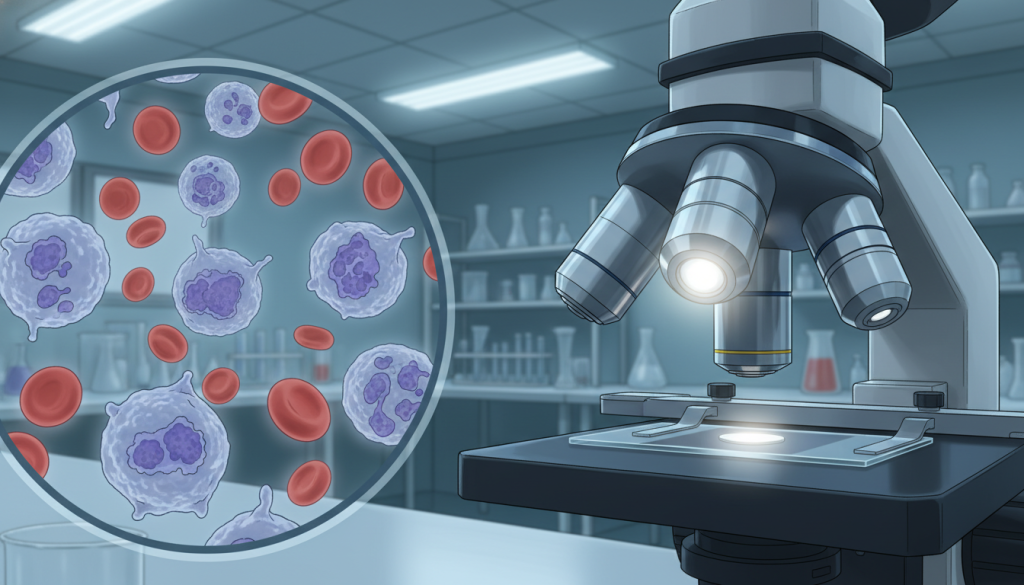
Getting a diagnosis of Lymphocytic Leukemia can be scary, but you’re not alone. This disease changes how your body makes blood cells. It also affects your immune system’s work. At Acıbadem Healthcare Group, we think knowing more is the first step to better care.
We want to give you clear, trustworthy info to help you feel more in control. We make hard medical ideas simple and useful. Knowing how this disease works helps you and your family make smart choices about your health.
Key Takeaways
- This condition involves the abnormal production of white blood cells.
- It directly impacts the body’s natural immune response.
- Early detection and expert guidance are vital for managing health.
- We prioritize patient-centered care to support your unique needs.
- Understanding your diagnosis empowers you to take control of your recovery.
Understanding the Biology of Lymphocytes and Blood Cancer
The lymphocytes are at the core of our body’s defense. They are a type of white blood cell. These cells start in the bone marrow and move through our blood and lymph system. Their main task is to fight off harmful invaders like bacteria and viruses.
When they work right, they protect us well. But, malignant changes can happen in these cells. This leads to blood cancer. Such changes upset the balance in our bodies.
It’s key to know the difference between healthy cell growth and cancer. When lymphocytes grow too much, they take over. This makes it hard for our immune system to work right.
| Cell Characteristic | Healthy Lymphocytes | Malignant Lymphocytes |
|---|---|---|
| Growth Rate | Controlled and regulated | Uncontrolled and rapid |
| Primary Function | Fighting infections | Disrupting normal blood production |
| Life Span | Natural cycle of death | Extended survival |
| Impact on Body | Maintains immunity | Compromises health |
Understanding blood cancer better helps us see its complexity. We think knowing this stuff is a big help for those facing a diagnosis. Learning these facts is the first step to making smart choices about your health.
Defining Lymphocytic Leukemia
Lymphocytic Leukemia is a big problem with how our bodies make immune cells. It starts in the bone marrow, where blood is made. When it makes bad cells instead of good ones, our immune system gets out of balance.
White blood cells are our body’s protectors. They fight off germs and invaders. In a healthy person, the bone marrow makes these cells carefully to keep our immune system strong.
But with Lymphocytic Leukemia, things go wrong. The bone marrow makes too many bad lymphocytes that don’t work right. These bad cells take over, leaving our body without its natural defense.
It’s important to know the difference between good and bad cell growth. Healthy lymphocytes grow up and do their jobs. But cancer cells just keep growing and growing. This messes up the making of other important blood cells, like red blood cells and platelets.
We want to make these hard ideas easier to understand. Knowing that Lymphocytic Leukemia is a problem with how our body works can help. We aim to give you the information you need to feel more in control of your health and have peace of mind.
Acute Lymphoblastic Leukemia (ALL) in Children and Adults
Acute Lymphoblastic Leukemia (ALL) is the most common childhood cancer. It happens when the bone marrow makes too many immature white blood cells. This makes it hard for healthy blood cells to be made, so quick medical help is needed.
ALL also affects adults, but in different ways. Kids usually get better with standard treatments, but adults might need more specific or targeted therapy.
It’s important to understand these differences for better care. Tailoring treatments to each patient’s leukemia can help everyone, no matter their age. Here’s a table showing how treatment varies by age.
| Feature | Pediatric ALL | Adult ALL |
|---|---|---|
| Primary Focus | Standardized Chemotherapy | Intensive/Targeted Therapy |
| Treatment Duration | Usually 2 to 3 years | Varies by risk profile |
| Prognosis | Generally high cure rates | Requires complex management |
| Clinical Goal | Long-term remission | Disease control and quality of life |
Every person’s journey with leukemia is unique. Whether it’s a child or an adult, our aim is the same: to offer compassionate, evidence-based care that meets their needs. We keep working to improve how we fight this aggressive cancer.
Chronic Lymphocytic Leukemia (CLL) Explained
Chronic Lymphocytic Leukemia grows slowly over years. It’s marked by the slow buildup of mature lymphocytes that don’t work right. This slow growth lets many patients live well for a long time after finding out they have it.
In a healthy body, white blood cells fight infections and keep the immune system strong. But with CLL, the bone marrow makes too many lymphocytes. These cells take over, weakening the body’s defenses. This is why doctors keep a close eye on it.
We manage CLL with a focus on keeping it stable for a long time. Modern medicine has ways to control it without hurting the patient. We only step in when needed, making treatment as effective as possible.
The table below shows how CLL is different from other blood diseases:
| Feature | Chronic Progression | Clinical Impact |
|---|---|---|
| Cell Maturity | Mature lymphocytes | Reduced immune function |
| Growth Rate | Slow and steady | Requires long-term monitoring |
| Treatment Goal | Symptom management | Maintaining quality of life |
Learning about Chronic Lymphocytic Leukemia is a team effort between the patient and doctor. We think knowing about it helps people make better health choices. With the right care, many with CLL live full and happy lives, even with Lymphocytic Leukemia.
Common Symptoms and Early Warning Signs
We think knowing the common symptoms of blood cancer helps you take charge of your health. Spotting these signs early is a vital step for your long-term health and better treatment results.
Many people feel tired all the time, even after resting. This tiredness often comes from not having enough healthy red blood cells. These cells carry oxygen around your body. If you’re tired for a long time, listen to what your body is trying to tell you.
Also, if you’re losing weight without trying or getting sick a lot, see a doctor. When your bone marrow is filled with abnormal cells, it can’t make enough white blood cells. We encourage you to talk to your doctor if you notice these health changes. Early action is important for managing blood cancer well.
| Symptom | Potential Cause | Clinical Significance |
|---|---|---|
| Persistent Fatigue | Anemia | Reduced oxygen transport |
| Frequent Infections | Low white blood cell count | Compromised immune response |
| Unexplained Weight Loss | Metabolic changes | Systemic disease impact |
| Easy Bruising | Low platelet count | Impaired blood clotting |
Diagnostic Procedures and Laboratory Testing
Getting a diagnosis for blood cancer starts with key lab tests. This time can be tough, but these steps are vital. They help your team find the right way forward.
The first test is usually a Complete Blood Count (CBC). It checks your blood’s red and white cells, and platelets. If these levels are off, it might mean you need more tests.
For a closer look, a bone marrow biopsy might be needed. This takes a small marrow sample to see how blood cells are made. It might sound scary, but it’s a key test for blood cancer.
We think knowing about these tests helps you feel more in charge of your health. Knowing why you’re getting a test lets you be more involved in your care. This builds a strong collaborative relationship with your doctors.
These tools aim to clear up any confusion. By working with your team, you make sure every choice is based on solid facts. We’re here to support you through these steps in managing blood cancer and recovery.
Advanced Genetic and Molecular Profiling
Understanding leukemia’s unique molecular signature is key in modern cancer care. We use advanced genetic and molecular profiling to deeply analyze cancer cells. This transformative approach helps us tailor care to each patient, moving away from one-size-fits-all treatments.
By finding specific genetic mutations and chromosomal changes, we understand how leukemia works. These insights guide our medical teams. They help us choose treatments that work best for each patient, focusing on treatment efficacy and patient health.
Precision medicine uses these detailed profiles to pick the best treatments. We don’t use a one-size-fits-all approach anymore. Instead, we tailor plans to each patient, reducing side effects and improving recovery chances. We believe that every patient deserves a plan as unique as their own genetic code.
The table below shows how we’ve moved from old diagnostic methods to modern molecular strategies:
| Feature | Traditional Diagnosis | Molecular Profiling |
|---|---|---|
| Primary Focus | Cell morphology and appearance | Genetic mutations and biomarkers |
| Treatment Selection | Standardized protocols | Targeted, personalized therapy |
| Predictive Power | Limited outcome forecasting | High accuracy for therapy response |
| Patient Benefit | General symptom management | Reduced toxicity and improved survival |
With these advanced tools, we’re getting better at fighting leukemia. Our goal is to use the latest science to offer compassionate and precise care to everyone we help.
Standard Treatment Modalities for Leukemia
For those with leukemia, standard treatments are key. Doctors have used a mix of therapies for years. These aim to kill cancer cells while keeping the patient healthy. Knowing these treatments is vital for those facing cancer treatment.
Chemotherapy is a mainstay, using drugs to kill fast-growing cells. Radiation therapy uses beams to target cancer in specific spots. These treatments work best together to help the body heal.
We focus on top-notch care in a safe place. Our team watches every step to help the body heal. Targeted therapy is newer, focusing on cancer’s growth signals to protect healthy cells.
| Treatment Type | Primary Mechanism | Clinical Goal |
|---|---|---|
| Chemotherapy | Systemic medication | Eliminate malignant cells |
| Radiation | High-energy beams | Target localized tumors |
| Targeted Therapy | Molecular inhibition | Block cancer growth signals |
Choosing the right cancer treatment is a team effort. We aim for clear, open communication. This way, you’re involved in your care plan. We use these treatments and support to help patients with leukemia get better.
The goal is to fix the blood-making systems. We work hard to improve leukemia care. Your health is our top priority in every cancer treatment decision.
Targeted Therapy and Immunotherapy Innovations
We are in a new era in fighting cancer, thanks to precision medicine. These new treatments offer more precise ways to attack malignant cells than old methods. They focus on the disease’s unique biology, helping to protect healthy tissue.
Targeted therapy finds and blocks proteins that let cancer cells grow. In CLL, these drugs stop the signals that tell leukemia cells to keep growing. This can be life-changing because it attacks the cancer at its source.
Immunotherapy works by making your immune system fight off cancer cells. It helps your body spot cancer more easily, turning it into a strong ally. For many, this is a big step forward in managing their disease long-term.
| Treatment Type | Primary Mechanism | Main Benefit |
|---|---|---|
| Targeted Therapy | Blocks specific proteins | High precision |
| Immunotherapy | Boosts immune response | Long-term surveillance |
| Combination | Dual-action attack | Enhanced efficacy |
These new treatments are changing how we treat CLL. They bring new hope and improved outcomes, tailoring care to each patient. We’re dedicated to using these innovations to improve life for those with cancer.
The Role of Stem Cell and Bone Marrow Transplantation
Stem cell transplantation gives patients a new chance for their blood systems. It’s a key part of advanced Cancer Treatment when other methods fail. It replaces sick marrow with healthy stem cells, helping the body make new blood cells.
Finding a good donor is the first big step. We search through national registries to find a match. The search process requires precision and patience, as finding the right genetic profile is key for success.

After finding a donor, the patient gets ready for the transplant. Our team closely watches this preparation phase. We focus on specialized supportive care to help the body handle the transplant.
The recovery is a critical time that needs careful watching. Our team’s expertise helps ensure the best results. We remain committed to supporting every patient through recovery.
Choosing the right place for this complex Cancer Treatment is very important. Our team offers both clinical knowledge and care. We believe expert guidance is essential for recovery.
Managing Side Effects and Supportive Care
Managing side effects is key in our cancer care. We know recovery is more than just treatment. It’s about your daily well-being. We aim to keep your routine and comfort while you heal.
We help you tackle common issues like nausea, fatigue, and weakened immune system. By using proactive strategies, we aim to lessen these symptoms’ impact on your life. Our supportive care team is here to keep you informed and empowered through treatment.
Open communication is at the heart of our care model. We want you to share any changes in your feelings right away. This helps us manage issues quickly. Whether it’s physical pain or emotional struggles with a cancer diagnosis, our team is ready to help.
The table below shows common side effects from cancer treatments and how we help manage them.
| Side Effect | Common Cause | Supportive Strategy |
|---|---|---|
| Nausea | Chemotherapy | Anti-emetic medications |
| Fatigue | Treatment stress | Energy conservation |
| Immune Suppression | Cellular impact | Infection prevention |
| Pain | Inflammation | Targeted analgesics |
We aim to enhance your experience with these supportive services. We believe compassionate care is as vital as medical technology in fighting cancer. Your health and comfort are our top priorities as we journey together.
Psychological Impact and Mental Health Support
The path through cancer treatment is filled with emotional challenges. A diagnosis can lead to uncertainty, anxiety, and stress. These feelings can be as tough as the disease itself.
We see mental health as key to your recovery. We aim to create a holistic environment. Here, your emotional health is as important as your physical health.
Good cancer treatment needs a wide range of care. We provide many resources for you and your family. This includes counseling services and support groups.
Talking to others who face similar challenges can offer comfort. We want to make sure you get the support you need. Compassion guides us as we help you stay strong and at peace.
Clinical Trials and Emerging Research
Clinical trials are at the frontier of modern medicine for those with leukemia. These studies are key for finding new, better treatments. They help improve how well people do in the long run.
Being in a clinical trial gives patients exclusive access to new therapies. These are not yet common in regular clinics. It lets people try the newest medical advances under close watch by experts.
Keeping up with medical research means we offer our patients the latest health options. We work with global networks to bring latest innovations to our community. This focus helps us tackle leukemia’s unique challenges with care and precision.
If you’re thinking about a clinical trial, talk to your oncology team. They can explain the benefits and what’s needed for studies that fit your situation. Your journey is our priority, and we’re here to help you make the best treatment choices.
Lifestyle Adjustments During and After Treatment
Getting well is more than just doctor visits. It’s about the choices you make every day. Making healthy lifestyle changes can really help during and after cancer treatment. See these changes as empowering steps to get your energy back.
Good nutrition is key to your recovery. Eat foods like whole grains, lean proteins, and lots of veggies. They give your body the energy it needs to heal. Drinking plenty of water is also vital. It helps your body work right while you’re fighting cancer.
Starting to move again should be done slowly and with advice from experts. Even simple things like walking or yoga can boost your energy and mood. Always check with your doctor before starting any new exercise to make sure it’s safe for you.
Handling stress is also very important for your health. Try deep breathing, meditation, or writing in a journal to deal with your feelings. Adding these habits helps your mind and body heal in a supportive environment.
| Lifestyle Pillar | Primary Goal | Actionable Tip |
|---|---|---|
| Nutrition | Energy Restoration | Eat small, frequent meals |
| Physical Activity | Strength Building | Start with daily short walks |
| Stress Management | Emotional Balance | Practice daily mindfulness |
| Hydration | Systemic Support | Keep water nearby all day |
These small, steady changes help you take charge of your health. Every good choice you make helps your well-being after cancer. We’re here to support you as you build a healthy lifestyle for the future.
Navigating Healthcare Systems and Insurance in the United States
Dealing with insurance while facing Chronic Lymphocytic Leukemia is tough. It feels like a second job. We aim to give you the tools and confidence to handle these tasks. This way, you can focus on getting better.
Advocacy is your most powerful tool when dealing with insurance and hospital bills. Keep a detailed record of your talks, including names and call numbers. Being organized helps you control your treatment path.

Knowing your health plan is key to managing Chronic Lymphocytic Leukemia costs. Regularly check your summary of benefits. This shows your deductible, copayments, and out-of-pocket maximums. These figures affect your costs throughout the year.
| Insurance Term | Definition | Why It Matters |
|---|---|---|
| Deductible | Amount paid before insurance kicks in. | Impacts early-year costs. |
| Copayment | Fixed fee for specific services. | Predictable routine costs. |
| Out-of-Pocket Max | The most you pay in a year. | Protects against high costs. |
Don’t be afraid to ask your healthcare provider for help with insurance. Many clinics have financial counselors for patients with Chronic Lymphocytic Leukemia. You are not alone in this, and asking for help is a sign of strength.
Remember, you can appeal insurance denials if a treatment is needed. Keep your medical records handy and talk openly with your team. By being proactive, you keep your focus on your health and well-being.
Conclusion
Understanding Lymphocytic Leukemia is key to managing your health journey. We offer this detailed guide to help you feel ready for every step of your care.
Having medical knowledge is a strong tool against health challenges. You can work with your team to make choices about your treatment. We’re here to support you with top-notch care and kindness as you recover.
Acıbadem Healthcare Group is with you through the tough times. You’re not facing this alone. Our team focuses on your health and aims to clear up any confusion.
Contact our specialists to talk about your needs or learn about our hematology approach. Your health is our main concern. Reach out to our patient services team to start your care plan today.
FAQ
Q: What exactly is Lymphocytic Leukemia and how does it affect the body?
A: Lymphocytic Leukemia is a blood cancer that starts in the bone marrow. It targets lymphocytes, a key white blood cell. When these cells turn cancerous, they grow too much, taking over healthy cells. This makes it hard for the body to fight off infections.
At Acıbadem Healthcare Group, we believe knowing this is key. It helps us support our patients through their treatment.
Q: What is the primary difference between Acute Lymphoblastic Leukemia (ALL) and Chronic Lymphocytic Leukemia (CLL)?
A: The main difference is how fast the disease grows and the type of cells involved. Acute Lymphoblastic Leukemia (ALL) grows quickly and is common in children. It needs quick treatment.
Chronic Lymphocytic Leukemia (CLL) grows slowly. It’s about mature but not working right lymphocytes. ALL needs fast, strong treatment, while CLL is managed over time.
Q: What are the early warning signs of blood cancer that I should look for?
A: Early leukemia symptoms can be mistaken for other illnesses. Look out for persistent fatigue, unexplained weight loss, night sweats, and frequent infections. You might also see easy bruising or swollen lymph nodes.
Seeking medical help early is key. It helps improve treatment outcomes and starts a care plan tailored to you.
Q: How do healthcare providers diagnose the specific type of leukemia?
A: Accurate diagnosis at Acıbadem Healthcare Group starts with a complete blood count (CBC). Then, a bone marrow biopsy examines the cells directly. We also use genetic and molecular profiling to find unique cancer mutations.
This allows us to use precision medicine for each patient.
Q: What modern cancer treatment options are currently available?
A: Treatment has changed a lot. It’s not just chemotherapy and radiation anymore. We also use targeted therapy and immunotherapy.
These new treatments block cancer growth or boost the immune system to fight the disease better.
Q: When is a stem cell or bone marrow transplant recommended?
A: A transplant is considered when other treatments fail. It replaces diseased marrow with healthy donor cells. Our team helps find a donor and manages the recovery to get the best results.
Q: How can patients manage the side effects of intensive leukemia therapy?
A: Managing side effects is a big part of our care. We help with nausea, fatigue, and immune system risks. We also offer mental health support and help with lifestyle changes.
This helps patients keep their quality of life during treatment.
Q: Are there opportunities to access new treatments through clinical trials?
A: Yes, clinical trials are key for new treatments. They offer cutting-edge therapies not yet available to everyone. We stay updated on research to give our patients all possible recovery options.