

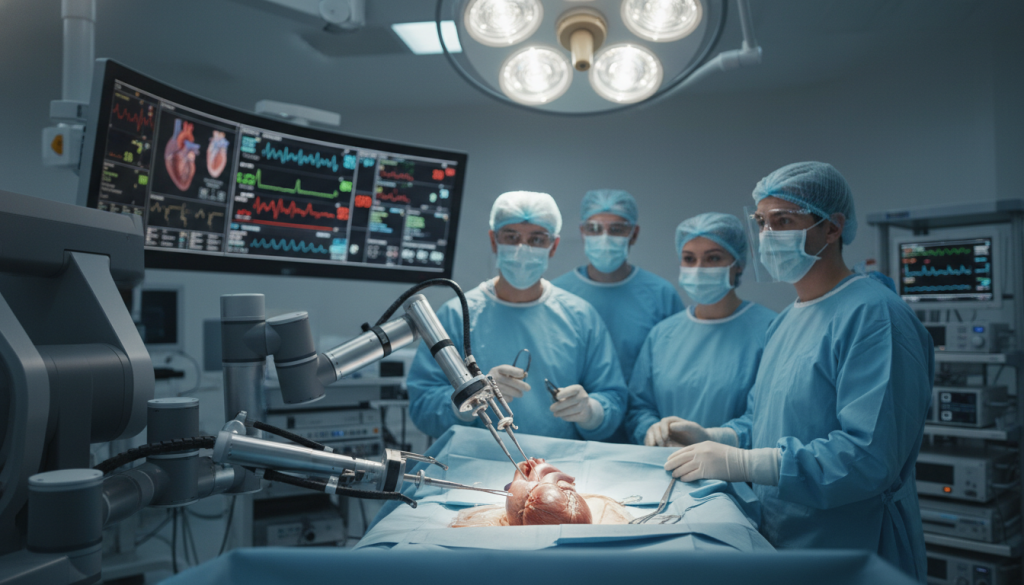
We are entering a new era of heart care where precision meets patient comfort. Robotic Cardiac Surgery is a big step forward. It lets our medical teams do complex repairs with unmatched accuracy.
By using advanced technology, we can fix delicate heart conditions through tiny incisions. This is different from the big openings used before.
This minimally invasive surgery approach puts your safety and recovery first. We follow strict clinical standards to ensure top-quality care. Our aim is to help you understand how modern medicine supports your health.
We think informed patients make better choices for their health. By choosing these new methods, we aim to lessen discomfort. This helps you get back to your daily life with confidence.
Key Takeaways
- Advanced technology enables high-precision heart repairs.
- Tiny incisions replace traditional, large-scale chest openings.
- Patient safety remains our highest clinical priority.
- Modern techniques significantly improve recovery times.
- We empower patients through clear, expert medical education.
The Evolution of Robotic Cardiac Surgery
Over the last few decades, how surgeons work on the heart has changed a lot. For years, the only way to fix serious heart problems was through big cuts. These cuts were needed to reach the heart.
Even though these old methods saved many lives, they hurt the chest and tissues a lot. Now, cardiovascular surgery is moving towards smaller cuts. This way, we can fix hearts without hurting our patients as much.
This change to precision medicine is a big step in medical tech. With Robotic Cardiac Surgery, we use clear images and special tools. This lets us do detailed repairs with great accuracy. It means patients can get back to their lives faster.
We keep working to use the latest tech to help our patients. By looking back, we show how far cardiovascular surgery has come. We think using robots and human skill is the future of Robotic Cardiac Surgery.
Understanding the da Vinci Surgical System
The da Vinci Surgical System is at the center of modern heart surgery. It brings a new level of precision to the operating room. This advanced surgical technology lets our surgeons do things they couldn’t before.
It combines human skill with robotic precision. This means every move is made with care and purpose.
The system has three main parts. The surgeon console is where the doctor controls everything. The patient-side cart holds the robotic arms that work on the patient. The high-definition 3D vision system gives a clear view of the heart.
When a surgeon moves their hands, the system turns those movements into tiny actions inside the body. The robotic arms can move in ways humans can’t. This lets the surgeon do delicate work in small spaces.
This teamwork between the surgeon and the da Vinci Surgical System makes surgeries safer and more accurate.
Knowing about these parts helps our patients understand what’s happening during surgery. We think being open about our tools builds trust and confidence in our care.
The table below shows the main parts of the system and what they do during surgery.
| Component | Primary Function | Benefit to Patient |
|---|---|---|
| Surgeon Console | Provides ergonomic control and 3D visualization | Reduced surgeon fatigue and higher accuracy |
| Patient-Side Cart | Houses robotic arms and surgical instruments | Enables smaller incisions and faster healing |
| 3D Vision System | Delivers high-definition, magnified imagery | Improved identification of delicate tissues |
| EndoWrist Instruments | Mimics human wrist motion with 360-degree rotation | Superior access to complex cardiac structures |
Benefits of Robotic-Assisted Surgery for Patients
Many patients wonder about the benefits of robotic-assisted surgery. When you face a heart procedure, knowing your options is key. This modern method lets us do complex tasks with great precision, focusing on your long-term health.
Minimally invasive surgery is great because it causes less physical harm. We use small cuts instead of a big chest opening. This means less pain and a quicker return to your normal life.
There are also better clinical results. We see less blood loss and a lower chance of infection. These benefits lead to shorter hospital stays, so you can go home sooner.
The table below shows the main differences between old and new methods. It helps you see how it might affect your recovery.
| Feature | Traditional Surgery | Robotic-Assisted Surgery |
|---|---|---|
| Incision Size | Large (Sternotomy) | Small (Keyhole) |
| Blood Loss | Higher | Significantly Lower |
| Recovery Time | Extended | Rapid |
| Infection Risk | Moderate | Minimal |
We focus on patient-centered outcomes because they show the quality of your healing. By choosing minimally invasive surgery, you choose a way that respects your body’s natural strength. Our aim is to make sure you feel supported and informed every step of the way.
Common Cardiovascular Surgery Procedures Performed Robotically
Robotic Cardiac Surgery is a precise way to treat heart problems. Our surgeons use the da Vinci Surgical System for this. They make small cuts instead of big ones, which hurts less and heals faster.
They often fix mitral valve repair with this method. It helps blood flow right again. The robotic arms let them work on the valve without harming it too much. This is better than old ways that might need to replace the whole valve.
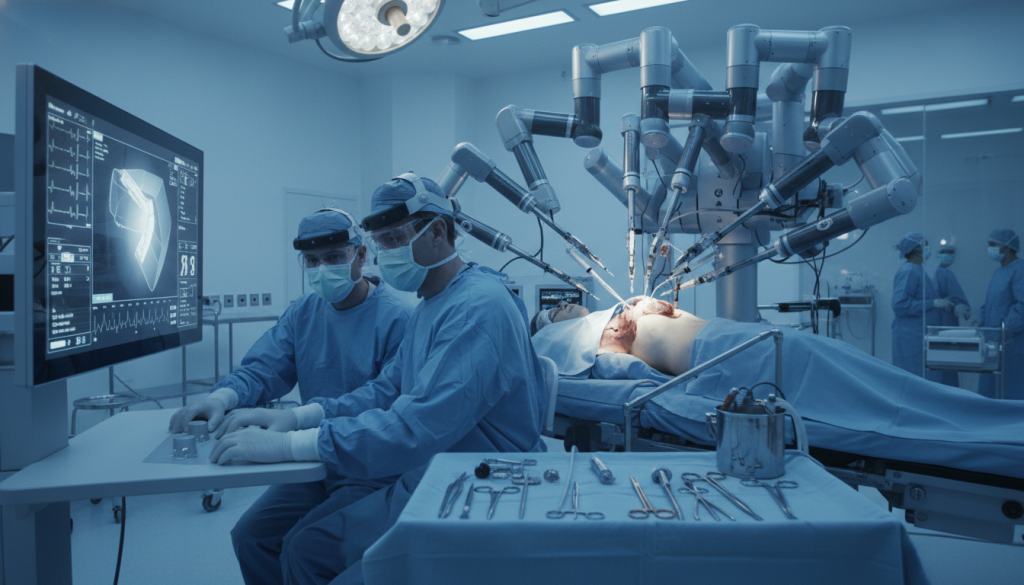
Coronary artery bypass grafting is another common surgery. It helps blood reach the heart better. The robotic system helps them sew tiny blood vessels with great care. This is key for the surgery to work well in the long run.
Choosing the right surgery depends on the patient’s health and body. We look at each case carefully to pick the best option. Below is a table showing some surgeries and why they’re good.
| Procedure | Primary Benefit | Clinical Focus |
|---|---|---|
| Mitral Valve Repair | Valve Preservation | Structural Integrity |
| Coronary Bypass | Enhanced Precision | Vascular Flow |
| Atrial Septal Defect | Minimal Scarring | Septal Closure |
| Tumor Resection | Targeted Removal | Tissue Safety |
This table shows how Robotic Cardiac Surgery can help with many heart issues. We make sure each patient gets the right treatment. With the da Vinci Surgical System, we keep improving cardiovascular surgery for everyone’s safety.
The Role of the Surgical Team in Robotic Heart Surgery
Every robotic-assisted surgery success story is thanks to a team of dedicated medical pros. The tech offers amazing precision, but our program’s real power is our collaborative spirit. Each team member’s unique skills ensure every action is precise and safe.
For robotic heart surgery, teamwork is key. The surgeon controls the console, while the bedside assistant handles the robotic arms. At the same time, the anesthesiologist and nurses watch the patient’s health and equipment closely.
We know that training is key to our success. Every team member gets deep training to master robotic-assisted surgery protocols. This ongoing learning keeps us leading in medical innovation, ready for any challenge.
The robot is just a tool for our skilled team. Our human team’s sharp focus and clinical wisdom are the cornerstone of patient safety. We put our patients first, aiming for the highest care standards.
| Team Member | Primary Responsibility | Key Focus Area |
|---|---|---|
| Lead Surgeon | Console Operation | Precision and Technique |
| Bedside Assistant | Instrument Management | Safety and Coordination |
| Anesthesiologist | Patient Stability | Vital Sign Monitoring |
| Surgical Nurse | Equipment Support | Sterility and Workflow |
Patient Candidacy and Preoperative Evaluation
Starting your recovery journey with a detailed check-up is key. Robotic surgery is precise, but not everyone fits this method for cardiovascular surgery. We aim to pick the safest surgery for you based on your health.
To see if you’re right for minimally invasive cardiac procedures, we run special tests. These include detailed echocardiograms and CT scans. They help our surgeons plan with great care.
Many things decide if robotic surgery is for you. We look at your medical history and any past cardiovascular surgery. We also check your body’s layout to make sure the robots can work safely.
We’re open about our process. We explain why we choose a certain surgery, making sure you’re informed and confident. This way, we get the best results for our patients.
The Intraoperative Experience
Understanding what happens during heart surgery can ease your anxiety. Knowing the steps in the operating room makes you feel more confident. We aim to show you how we ensure your safety and comfort.
After you’re under anesthesia, our team prepares you. We position you for the best access to your chest. The da Vinci Surgical System is set up around the surgical site. This is a detailed process to get everything ready for the surgeon.
Your surgeon works from a console nearby, controlling everything. The da Vinci Surgical System gives a clear 3D view of your heart. This is key to our commitment to your health.
We use precision surgery for complex repairs through small incisions. The system’s instruments move like a human hand but better. This remarkable technology lets our surgeons work on delicate tissues with precision.
When the surgery is done, we remove the instruments and close the incisions. We watch you closely as you wake up. Our team is dedicated to your well-being, ensuring your precision surgery is handled with care and expertise.
Postoperative Care and Recovery Timelines
After your surgery, we focus on your healing and comfort. We believe in clear communication for a smooth recovery after robotic heart surgery. Our team watches over you closely, from the moment you leave the operating room.
In the intensive care unit, our specialists keep an eye on your vital signs. They manage your comfort with great care. This short stay helps us get your condition stable before moving you to a standard recovery floor.
Managing pain is a big priority in the first few days. We use multimodal pain management to keep you comfortable. This way, you can stay alert and move around, helping you recover faster.
Before you go home, we give you a detailed guide. It covers wound care, activity limits, and signs of progress. We want you to feel confident and empowered as you heal at home.
| Recovery Phase | Typical Focus | Expected Goal |
|---|---|---|
| Immediate (Days 1-2) | Monitoring and Pain Control | Stable vitals and early movement |
| Transition (Days 3-7) | Physical Therapy | Increased independence |
| Home Care (Weeks 2-6) | Gradual Activity | Return to normal life |
Starting to be active again should be slow. We suggest light walking to boost circulation and lung function. Your follow-up appointments are important for tracking your progress and answering any questions.
We’re with you every step of the way. If you have questions about activity or medication, we’re here to help. Your health and long-term wellness are our main goals.
Comparing Robotic Approaches to Traditional Sternotomy
Heart surgery has changed a lot, moving from big cuts to small robotic tools. For years, the sternotomy was the main way to open the chest. It’s a big cut through the breastbone, giving surgeons a clear view but making recovery hard.
Minimally invasive surgery uses tiny incisions between the ribs. This way, we avoid cutting the breastbone. It’s a big step towards making patients more comfortable and safe.
Robotic surgery means patients recover faster. The chest wall stays whole, so there’s less pain and fewer risks. Plus, the scars are much smaller than with traditional surgery.
Even though traditional surgery is sometimes needed, we prefer minimally invasive surgery when we can. We aim to treat you well while keeping your life as normal as possible. Here’s a table showing the main differences between these two methods.
| Feature | Traditional Sternotomy | Robotic-Assisted Surgery |
|---|---|---|
| Incision Size | Large (6-10 inches) | Small (1-2 inches) |
| Bone Involvement | Breastbone is divided | No bone division |
| Recovery Time | Extended (6-8 weeks) | Faster (2-4 weeks) |
| Scarring | Significant | Minimal |
Choosing the right surgery is a team effort. We consider your body and health history. By using new tech, we’re making heart care better for everyone.
Safety Protocols and Risk Management
Every robotic-assisted surgery we do follows strict rules to lower risks. Keeping patients safe is our top goal. We create a safe, controlled space for everyone we care for.
Our surgical teams use the latest tech for top precision. They watch the patient’s vital signs and the robot’s work all through the surgery. This constant watch lets our experts spot and fix any issues right away.
We’re ready for anything. Our detailed backup plans let us switch to traditional surgery if needed. This flexibility means we always choose the safest option for the patient.
Our strict standards mean our patients get the best care in robotic-assisted surgery. Our dedication to safety gives our patients peace of mind. They know they’re in good hands with us.
Technological Advancements and Future Innovations
We are in a new era where advanced surgical technology is changing the operating room. Our team is working hard to use these new tools. This ensures our patients get the best care possible. We are always looking for ways to improve heart health.
The next step in robotic surgery will have better imaging software. This will give surgeons unprecedented clarity. It’s key for precise heart repairs. With clearer images, we can work on complex heart structures more safely.
Another big change is the use of haptic feedback systems. This advanced surgical technology lets surgeons feel the tissues they’re working on. It’s a big step towards more precise surgery.
These updates will let us treat more heart conditions with less invasive surgery. Our tools are getting better, and we can help more people. We’re excited to use these new technologies to improve care for all our patients.
| Feature | Current Capability | Future Innovation |
|---|---|---|
| Imaging | High-Definition 3D | Augmented Reality Overlay |
| Feedback | Visual Monitoring | Advanced Haptic Sensing |
| Precision | High Accuracy | AI-Assisted Guidance |
| Scope | Standard Valve Repair | Complex Multi-Vessel Bypass |
The Impact of Precision Surgery on Quality of Life
Getting back to your favorite activities is what makes a heart procedure a success. We look beyond just the numbers to see how robotic heart surgery brings back your independence and energy. Our aim is to make your recovery as smooth and quick as possible.
The benefits of minimally invasive techniques are huge. With smaller cuts, you feel less pain and need less medicine. This means you can get back to your daily life, like work and seeing friends, faster. It helps you stay positive while you heal.
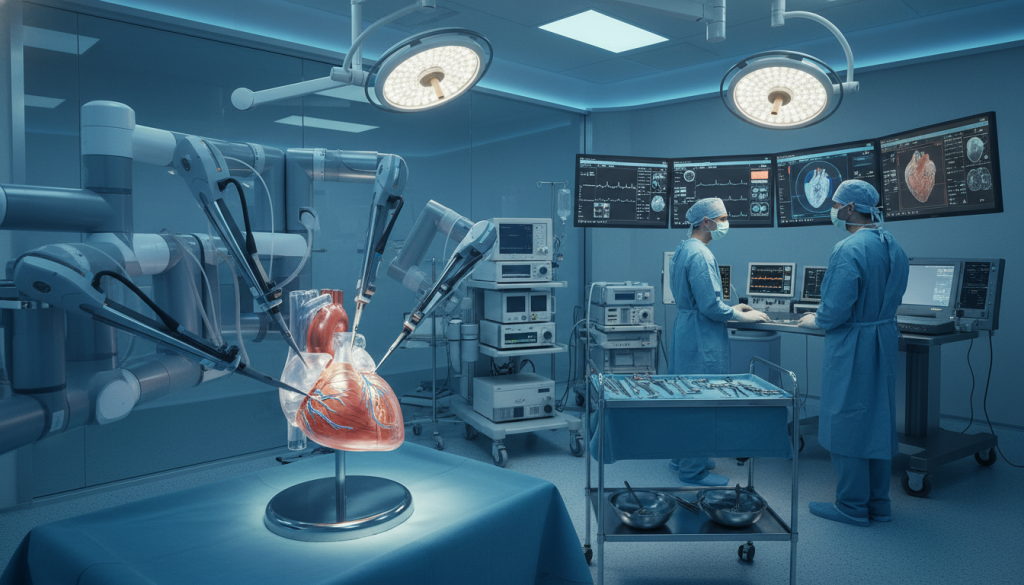
Choosing precision surgery means picking a method that fits your lifestyle. It reduces damage to your chest, cutting down on long recovery times. This way, you can keep your sense of self and confidence while you heal.
The mental benefits of a quick recovery are just as big as the physical ones. Being able to do your hobbies and spend time with family sooner boosts your mood. We’re dedicated to giving you the best care to support your health and happiness for the long term.
| Recovery Metric | Traditional Surgery | Precision Robotic Approach |
|---|---|---|
| Hospital Stay | 5-7 Days | 2-3 Days |
| Return to Work | 8-12 Weeks | 2-4 Weeks |
| Physical Activity | Limited for Months | Gradual Resumption in Weeks |
| Incision Size | Large (6-8 inches) | Small (1-2 inches) |
Conclusion
Modern medicine keeps getting better to help patients get the best results. Robotic Cardiac Surgery is a big change in treating heart problems.
Using advanced technology, we can now do surgeries that are both precise and less invasive. This means patients can recover faster and feel better sooner.
If you’re looking for a new way to tackle heart health, contact our experts at Acıbadem Healthcare Group. A chat with us can show if these new methods are right for you.
We’re all about your long-term health. Safety and top-notch care are our top priorities. Taking the first step towards a healthier heart is all about making smart choices and getting the right advice.
FAQ
Q: What exactly is Robotic Cardiac Surgery and how does it differ from traditional methods?
A: Robotic Cardiac Surgery is a new way to fix heart problems. It’s less invasive than old methods. We use the da Vinci Surgical System for tiny repairs through small cuts.
At Acıbadem Healthcare Group, this tech makes surgery safer and less painful. It reduces damage to the chest.
Q: How does the surgeon control the da Vinci Surgical System during a procedure?
A: The surgeon sits at a special console and sees the heart in 3D. They use hand controls to move the robotic arms. This lets them do precise work inside the chest.
The system’s wristed instruments offer more movement and precision. This is better than what humans can do.
Q: What are the primary benefits of choosing robotic heart surgery over open-chest surgery?
A: Robotic surgery means less blood loss and lower infection risk. Hospital stays are shorter too. There’s less pain and better looks after surgery.
Patients get back to work and daily life faster. This improves their quality of life right away.
Q: Which cardiovascular surgery procedures can be performed using robotic technology?
A: We use robots for many heart surgeries. This includes fixing mitral valves and doing CABG. We also fix atrial septal defects and remove some tumors.
We pick the best method based on the patient’s needs and health. This ensures the best results.
Q: Who is considered an ideal candidate for robotic-assisted surgery?
A: Not everyone is right for robotic surgery. We check with tests like echocardiograms and CT scans. We look at the heart and blood vessels.
Things like past surgeries or certain heart shapes can affect the choice. We decide based on what’s best for the patient.
Q: Is the robot actually performing the surgery independently?
A: No, the robot is not doing surgery alone. It’s controlled by our skilled surgeons. The whole team works together to ensure safety and care.
This teamwork makes robotic heart surgery very precise and careful.
Q: What does the recovery timeline look like after a robotic procedure?
A: Recovery from robotic surgery is quick. Patients usually go home in a few days. They can get back to normal in weeks, not months.
We guide them on when to start moving again. This helps them heal faster.
Q: What safety protocols are in place if a complication occurs during the surgery?
A: Safety is our top concern at Acıbadem Healthcare Group. We watch the patient and the robot closely. We have plans for emergencies.
If needed, we switch to open-chest surgery. This keeps the patient safe and ensures the best care.