

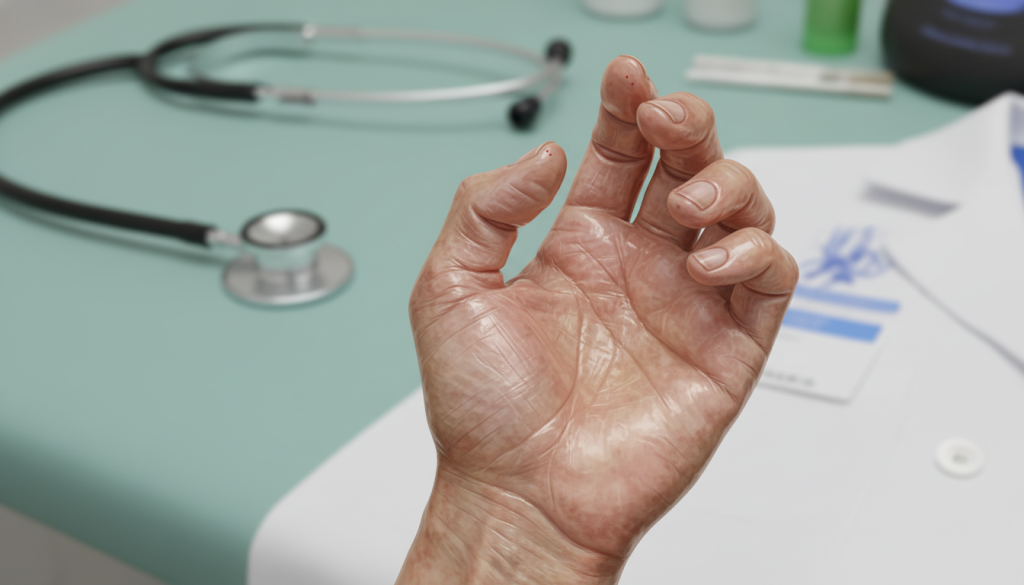
Getting a diagnosis of a connective tissue disorder can be scary. We’re here to guide you through it. Scleroderma is a complex condition that affects the body’s immune system and structural proteins.
Too much collagen can make skin and organs hard and tight. This connective tissue disorder brings its own set of challenges. But knowing what’s happening is the first step to managing it.
We want to give you the knowledge to feel in control. By learning about Scleroderma together, we build trust and understanding. We believe informed patients make better health choices.
Key Takeaways
- It is a chronic condition affecting the immune system and structural proteins.
- The disease often involves the overproduction of collagen in the body.
- Early education is vital for managing symptoms and improving quality of life.
- Our approach focuses on providing clear, accessible medical information for families.
- Understanding the condition helps patients make informed healthcare decisions.
Understanding Scleroderma
Scleroderma starts when the body’s defense system attacks itself. It’s an autoimmune disease, where the immune system sees healthy cells as threats. It is natural to feel overwhelmed when first learning about this diagnosis, but knowing more is the first step to managing it.
The main issue in scleroderma is with the body’s connective tissues. Normally, our immune system keeps us safe. But in an autoimmune disease, it causes inflammation. This leads to too much collagen, making tissues hard and stiff.
This hardening, or fibrosis, is what scleroderma is all about. While the physical changes are big, we think giving patients clear info is key. By understanding these changes, you can work better with your healthcare team to keep your life quality up.
| Feature | Healthy Tissue | Scleroderma-Affected Tissue |
|---|---|---|
| Collagen Levels | Balanced and regulated | Excessive production |
| Tissue Texture | Supple and flexible | Hardened and thickened |
| Immune Response | Protective and stable | Autoimmune disease activity |
The Pathophysiology of Systemic Sclerosis
At the heart of systemic sclerosis lies a series of complex processes that lead to fibrosis. This condition is a complex autoimmune disease. The body’s immune system attacks its own healthy tissues. This internal conflict triggers a cascade of biological events.
The process starts with damage to the small blood vessels, known as the microvasculature. When these vessels are injured, the body tries to repair them. But this response often becomes overactive. This vascular dysfunction is a hallmark of the condition and sets the stage for further complications.
As the immune system remains in a state of constant activation, it releases chemical signals. These signals stimulate specialized cells called fibroblasts. These cells produce collagen, the protein that provides structure to our skin and organs.
In patients with this autoimmune disease, fibroblasts produce too much collagen. This leads to the thickening and hardening of tissues. This excessive buildup of collagen is what we define as fibrosis.
When this occurs in the skin, it can lead to tightness and reduced mobility. When it affects internal organs, it may interfere with their normal function. That’s why systemic sclerosis requires careful, long-term medical management.
By understanding these physiological changes, we can better appreciate why specific treatments are necessary. Our goal is to interrupt this cycle of inflammation and fibrosis to protect your health. Early intervention remains the most effective way to manage the progression of systemic sclerosis and maintain your quality of life.
Distinguishing Between Limited and Diffuse Scleroderma
We divide systemic sclerosis into two types based on skin thickening patterns. This is key in our diagnosis. It helps us guess how the disease will evolve.
Limited scleroderma mainly affects certain areas. Symptoms often show up on hands, face, and feet. Though it moves slowly, we keep a close eye on it to protect internal organs.
Diffuse scleroderma spreads across the body. It hits the trunk and upper arms hard and can move fast. So, we take a more active role in treating it.
Knowing the difference helps us create better care plans. We can support our patients better by understanding their specific case early on.
| Feature | Limited Scleroderma | Diffuse Scleroderma |
|---|---|---|
| Skin Involvement | Hands, face, and feet | Widespread (trunk, limbs) |
| Progression Speed | Generally slower | Often more rapid |
| Clinical Focus | Targeted monitoring | Aggressive management |
Recognizing Early Scleroderma Symptoms
Your body often sends quiet signals long before skin changes become obvious. Recognizing these early scleroderma symptoms is a vital step in taking control of your health journey. By identifying subtle shifts in your physical well-being, you can seek the professional guidance necessary to improve your long-term outcomes.
One of the most common early indicators is unexplained swelling of the fingers, often referred to as “puffy fingers.” You might notice that your rings feel tighter or that your hands appear swollen, specially in the morning. This symptom frequently occurs alongside persistent joint pain or stiffness, which can be easily mistaken for other inflammatory conditions.
It is important to understand that these signs can manifest differently depending on the progression of the disease. While limited scleroderma often presents with more localized skin involvement, diffuse scleroderma may show a more rapid onset of symptoms across larger areas of the body. Paying close attention to how your skin feels—whether it seems thicker, tighter, or unusually shiny—can provide your healthcare team with essential diagnostic clues.
We encourage you to monitor any changes in your skin texture or persistent discomfort in your extremities. If you notice these scleroderma symptoms, please do not hesitate to consult with a specialist. Early intervention allows for the implementation of timely therapeutic strategies, which are crucial for maintaining your quality of life and managing the condition effectively.
The Role of Raynaud’s Phenomenon in Diagnosis
Identifying Raynaud’s phenomenon is key in diagnosing systemic sclerosis. This condition causes blood vessels to narrow in cold or stress. It’s often one of the first scleroderma symptoms we see.
When a patient has this reaction, their small arteries in fingers or toes get narrower. This makes the skin turn white, then blue, and red as blood flow comes back. Seeing these color changes helps us protect the extremities from harm.
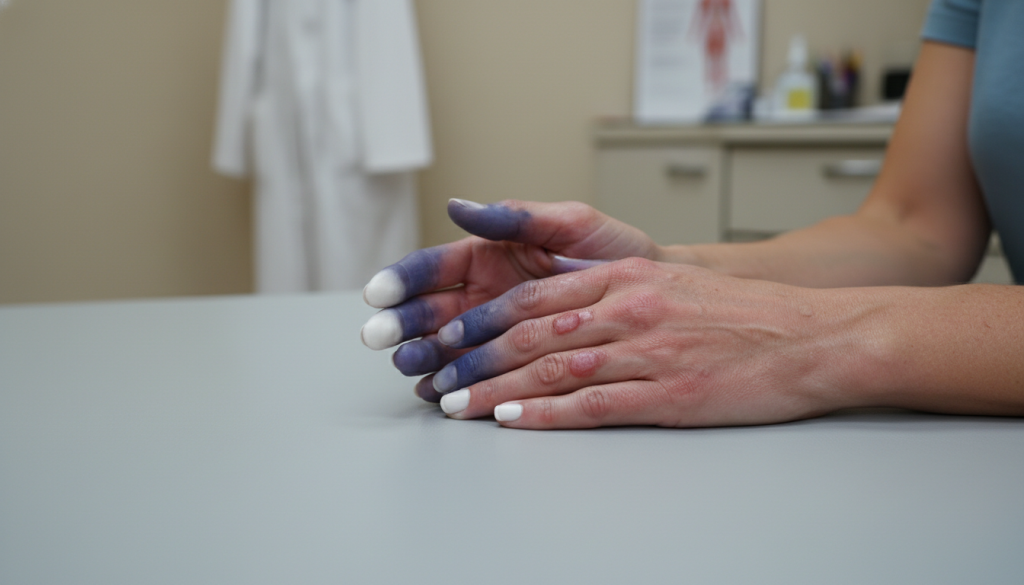
We see these color changes as a big clue for diagnosis. By tracking Raynaud’s phenomenon, we can see how likely the disease will get worse. This helps us start protecting the patient early on.
Spotting these scleroderma symptoms early is key for managing the disease long-term. We keep a close eye on these vascular responses with our patients. This way, we can give the best care and keep your extremities healthy and comfortable.
Diagnostic Procedures and Clinical Evaluation
Our clinical team follows a structured path to evaluate markers of this complex disorder. We focus on a thorough clinical evaluation to get a full picture of your health. By documenting your scleroderma symptoms, we tailor our diagnostic approach to your needs.
Checking for Raynaud’s phenomenon is a key part of our physical exam. This condition, where blood vessels in the fingers or toes narrow in cold or stress, is often an early sign. We closely observe these vascular changes to understand their relation to your overall health.
We also use advanced laboratory diagnostics to confirm a diagnosis. Blood tests help detect specific autoantibodies linked to the condition. These markers are key to differentiating between various connective tissue disorders.
To give a complete assessment, we use imaging studies to check internal organ function. This multi-faceted approach helps us address your concerns with precision and care. Below is a table showing the main tools we use during your evaluation:
| Diagnostic Tool | Purpose | Clinical Focus |
|---|---|---|
| Physical Exam | Assess skin and vascular health | Raynaud’s phenomenon |
| Blood Panels | Identify autoantibodies | Systemic markers |
| Imaging | Evaluate organ integrity | Internal health |
We believe in clear communication throughout this process. By combining physical findings with lab results, we ensure an accurate diagnosis. Our aim is to support you with expert guidance as we go through these steps together.
Current Approaches to Scleroderma Treatment
Getting a scleroderma diagnosis means you need a special care plan. Every person with scleroderma is different. So, we make tailored care plans that fit your needs and health history. Our main goal is to slow the disease and keep you comfortable and healthy.
How we treat scleroderma depends on the type. For limited scleroderma, we focus on vascular and skin issues. But, for diffuse scleroderma, we need to protect organs and stop skin thickening fast.
We use many medicines to help. Immunosuppressive medications calm an overactive immune system. This reduces inflammation and stops tissue damage. We also use vasodilators to help blood flow, which is key for those with circulation problems.
The table below shows the main treatments we use:
| Treatment Category | Primary Goal | Clinical Focus |
|---|---|---|
| Immunosuppressants | Reduce inflammation | Systemic disease control |
| Vasodilators | Improve circulation | Vascular symptom relief |
| Supportive Care | Enhance quality of life | Symptom management |
We aim to give you top-notch care that works well with your health. We work with you to track your progress and change your scleroderma treatment as needed. By combining our medical knowledge with a focus on you, we want to support you on your health journey.
Managing Skin Thickening and Fibrosis
When skin becomes tight and fibrotic, we have ways to help. Skin thickening happens when too much collagen is made. We focus on keeping your skin elastic and working well, so you can feel good every day.
A good scleroderma treatment plan includes different steps. We use special creams and moisturizers to make your skin feel better. These simple steps can really help with the discomfort.
Physical therapy is also very important. It helps keep your joints flexible and prevents tight skin. This way, you can keep moving freely and stay independent.
Medicines can also help slow down skin thickening. These treatments work from inside to protect your skin. Our aim is to help you feel better and live a good life.
We think being proactive is key to getting better. Working with your healthcare team, we find the best treatments for you. Consistent care is essential for keeping your skin healthy and comfortable.
Addressing Internal Organ Involvement
Skin thickening is a key sign of systemic sclerosis. But, this disease can also affect important organs inside the body. These include the lungs, heart, and the digestive system.
Spotting problems early is key to managing these risks. We focus on regular screenings to check how well organs are working. This lets our doctors start treatments early to prevent serious harm.
When we find issues with organs, we work together to fix them. Doctors from different fields team up. This way, we make sure all parts of your health get the right care.
This team effort helps keep you healthy and improves your life quality. Even when systemic sclerosis causes problems beyond skin thickening, we’re here to help. We aim to support your health fully.
We want you to talk openly with your doctors about any new symptoms. Early action is vital for managing the disease. It helps keep you healthy and independent for longer.
Lifestyle Modifications for Better Quality of Life
We believe that empowering yourself with practical habits is key to living well with this condition. While medical treatments are important, small, consistent changes in your daily routine can profoundly impact your comfort and well-being.
Managing Raynaud’s phenomenon is a common challenge. It causes blood vessels in your fingers and toes to narrow in cold or stress. It’s vital to protect your extremities to avoid discomfort and tissue damage. Wear insulated gloves, thick socks, and layered clothing to keep your body temperature stable.

Skin care is also critical in your daily routine. Tight and dry skin can be a problem. Using gentle, fragrance-free moisturizers after bathing helps keep your skin hydrated. Avoid harsh soaps and protect your skin from injury or extreme dryness to keep it supple and resilient.
Following an anti-inflammatory diet can also support your body’s health. Eat whole foods like leafy greens, fatty fish, and colorful berries to reduce inflammation. Stay hydrated and limit processed sugars for better energy and long-term health.
| Focus Area | Practical Strategy | Expected Benefit |
|---|---|---|
| Temperature Control | Layering clothing | Reduced Raynaud’s triggers |
| Skin Integrity | Daily moisturizing | Improved skin elasticity |
| Nutrition | Anti-inflammatory foods | Lowered systemic stress |
These lifestyle modifications are about regaining a sense of control over your health. By integrating these habits into your life, you create a supportive environment that helps you thrive despite chronic conditions. We are here to support you in making these positive, sustainable changes every step of the way.
Psychological Impact and Coping Strategies
Dealing with a systemic condition is more than just physical symptoms. It also affects your mental health. We focus on both your physical and mental well-being.
After a diagnosis, you might feel anxious, frustrated, or sad. These feelings are normal. Acknowledging these feelings is the first step to emotional strength.
We suggest trying different ways to cope with stress. Mindfulness practices like meditation or deep breathing can help. They lower stress hormones and improve your mood.
Being part of support groups is also helpful. It lets you connect with others who get what you’re going through. Our team aims to create a supportive space for you to feel heard and empowered.
| Coping Strategy | Primary Benefit | Implementation Method |
|---|---|---|
| Mindfulness | Stress Reduction | Daily meditation sessions |
| Support Groups | Emotional Connection | Peer-led discussion forums |
| Professional Therapy | Cognitive Reframing | Licensed clinical counseling |
| Physical Activity | Mood Enhancement | Low-impact movement routines |
Emerging Research and Future Therapies
Scientific breakthroughs are changing how we manage systemic sclerosis. We’re moving from just treating symptoms to finding treatments that fix the problem at its source. Researchers are looking at the molecular pathways that lead to too much collagen production. They hope to stop fibrosis before it causes lasting harm.
The field of scleroderma treatment is growing fast. We’re watching clinical trials closely. They’re testing new biologics and small-molecule inhibitors. These aim to balance the immune system, which often gets too active in scleroderma patients.
Our team is committed to turning these scientific findings into real benefits for patients. We think it’s key to give patients access to the latest research. By joining or keeping up with these trials, we make sure our patients get the best care possible.
Future scleroderma treatment will likely be more personalized. It will be based on each person’s genes and health situation. This approach could lead to better health for those with systemic sclerosis. We’re excited to be leading this medical progress, bringing hope and quality care to our community.
Navigating Pregnancy with a Connective Tissue Disorder
Pregnancy is a big deal for those with a connective tissue disorder. It needs careful planning, but many women do it well with the right help. Your health and the safety of your baby are our top concerns at every step.
Starting early is key. We suggest a pre-conception meeting with your rheumatologist and a high-risk obstetrician. This team will check your meds and adjust them to keep you and your baby safe.
While you’re pregnant, watching your health closely is important. You might need more doctor visits to check on blood pressure and kidney health. It’s also key to talk to your team about any changes in symptoms right away.
After the baby is born, taking care of yourself is just as important. We help you make a plan for recovery that fits with caring for your new baby. Remember, taking time for yourself is essential for enjoying this new chapter.
| Pregnancy Phase | Primary Focus | Key Action |
|---|---|---|
| Pre-conception | Medication Review | Consult with specialists |
| First Trimester | Baseline Assessment | Frequent symptom tracking |
| Second/Third Trimester | Organ Function | Monitor blood pressure |
| Postpartum | Recovery & Stability | Follow-up appointments |
The Importance of Multidisciplinary Care
Managing a autoimmune disease that affects many systems is complex. We focus on a team approach to care. We believe that your health journey is most successful when experts work together in harmony.
A connective tissue disorder presents unique challenges. A single doctor can’t handle it alone. We combine the skills of various specialists to create a treatment plan just for you. This way, every part of your health gets the attention it needs.
Our team includes rheumatologists, dermatologists, and pulmonologists. We work closely with you to ensure that your voice is heard throughout the decision-making process. This integrated care strategy helps us catch problems early and adjust treatments as needed.
The table below shows how different specialists help manage a connective tissue disorder and other autoimmune disease symptoms:
| Specialist | Primary Focus | Key Responsibility |
|---|---|---|
| Rheumatologist | Systemic Inflammation | Managing immune-modulating medications |
| Pulmonologist | Respiratory Health | Monitoring lung function and fibrosis |
| Dermatologist | Skin Integrity | Treating ulcers and skin thickening |
| Cardiologist | Heart Function | Assessing vascular and heart health |
We keep communication open between departments for a smooth experience. Coordinated care is at the heart of our mission to enhance your life. We’re committed to supporting you with the latest, most effective treatments.
Conclusion
Managing Scleroderma needs a strong partnership between patients and doctors. This condition brings its own set of challenges. But, modern medicine has effective ways to help you stay comfortable and function well every day.
Acıbadem Healthcare Group is here to support you at every step. We focus on your long-term health by using the latest research and caring for you personally.
You don’t have to face Scleroderma alone. Our team works with you to make plans that meet your unique needs and goals. We think that when patients are informed, they get the best care.
Contact our clinical experts to talk about your symptoms or to find out about our treatment options. We encourage you to take charge of your health today. Together, we can work towards a better life and a brighter future.
FAQ
Q: What exactly is scleroderma and how does it affect the body?
A: Scleroderma is a chronic disease that affects the body’s connective tissues. It’s like an autoimmune disease where the body attacks healthy tissues. This leads to too much collagen production, causing skin thickening and changes in blood vessels and organs.
Q: What is the difference between limited and diffuse scleroderma?
A: We divide scleroderma into two types based on skin involvement. Limited scleroderma affects the hands, face, and feet. Diffuse scleroderma spreads to the trunk and upper arms or thighs, affecting organs more quickly. At Acıbadem Healthcare Group, we tailor treatments based on these differences.
Q: What are the most common early scleroderma symptoms?
A: Early signs include swollen fingers, joint pain, and digestive issues. Raynaud’s phenomenon, where fingers or toes change color in cold or stress, is a common first sign. Spotting these early helps improve long-term health.
Q: How is Raynaud’s phenomenon related to systemic sclerosis?
A: Raynaud’s is often the first sign of systemic sclerosis. It causes blood vessels in the extremities to narrow, turning skin white, blue, and then red. For our patients, it’s a key clue for further testing of the vascular and immune systems.
Q: What does a modern scleroderma treatment plan look like?
A: Treatment is personalized to manage symptoms and slow disease progression. We use immunosuppressive drugs and vasodilators to treat Raynaud’s. Our goal is to improve health while considering the patient’s quality of life.
Q: Can systemic sclerosis affect internal organs?
A: Yes, it can affect the lungs, heart, and digestive tract. Regular screenings like pulmonary function tests and echocardiograms are vital. Early detection helps our team protect vital organs.
Q: How can I manage skin thickening and maintain mobility?
A: To manage skin thickening, use topical treatments and keep skin hydrated. Specialized physical therapy helps maintain flexibility and prevent contractures. This keeps you mobile and independent.
Q: Are there lifestyle modifications that can help manage the condition?
A: Yes, several lifestyle changes can help. Stay warm to prevent Raynaud’s, quit smoking, and eat small, frequent meals. These changes, with our guidance, can greatly improve your comfort.
Q: Is it possible to have a safe pregnancy with this autoimmune disease?
A: Pregnancy with scleroderma is possible but requires careful planning. At Acıbadem Healthcare Group, we monitor organ function and medication safety. This ensures the best health for mother and baby.
Q: Why is a multidisciplinary care approach necessary?
A: Scleroderma affects many systems, from skin and joints to lungs and heart. A team of specialists provides a complete treatment plan. This ensures all aspects of the disease are addressed.