

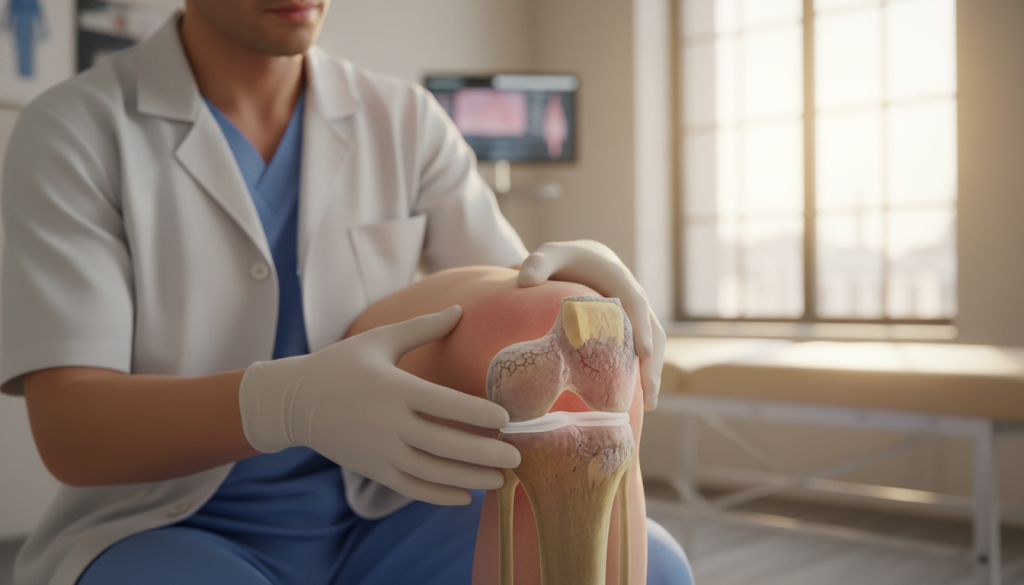
Understanding joint health can be tough. Osteoarthritis is a common condition that affects millions worldwide. It often causes pain and makes it hard to move.
This condition breaks down cartilage, the tissue that protects your bones. Without it, moving around becomes harder and life quality drops.
Knowing how osteoarthritis works helps you manage your health better. We think knowing is the first step to feeling good. Learning about Osteoarthritis lets you take charge of your health journey.
Key Takeaways
- It is a widespread degenerative disease affecting joint cartilage.
- Cartilage breakdown leads to pain and limited movement.
- Early awareness helps in managing long-term joint health.
- Quality of life improves with proactive care and education.
- We empower you to take control of your musculoskeletal wellbeing.
Understanding the Basics of Osteoarthritis
Many people feel joint pain, but don’t know what’s happening inside. Osteoarthritis is the most common arthritis. It damages our joints over time. It happens when the tissue at the end of our bones wears away.
In a healthy joint, cartilage is like a smooth, rubbery cushion. It lets bones move without pain. But, as osteoarthritis gets worse, the cartilage gets thinner and less resilient. This makes moving harder and more painful.
There’s more to it than just cartilage loss. The joint’s inner fluid, which helps it move smoothly, also changes. When this fluid gets thinner, it can’t absorb shock as well. This leads to bone-on-bone friction, causing a lot of pain.
Knowing how your joints work is key to your health. It helps you talk better with your doctor. We think informed patients can handle their symptoms better and live better lives.
| Joint Feature | Healthy Joint | Osteoarthritic Joint |
|---|---|---|
| Cartilage Condition | Smooth and thick | Worn and frayed |
| Synovial Fluid | Viscous and lubricating | Thin and watery |
| Bone Interaction | Gliding motion | Increased friction |
Primary Causes and Risk Factors
Why do some people get joint problems while others stay active longer? The answer lies in a mix of biological, mechanical, and environmental factors. Knowing these can help us keep our joints healthy for years to come.
Age is a big factor in getting arthritis. As we get older, our cartilage repair slows down. This thinning of the protective tissue causes bones to rub together, leading to pain.
Genetics also matter a lot. Some people are born with joint traits that make them more likely to get problems. Plus, past injuries can change how a joint works, making it more vulnerable to damage.
Keeping a healthy weight is key for joint health. Being overweight puts too much stress on joints like the knees and hips. This stress speeds up cartilage breakdown, making obesity a big risk factor for arthritis.
The table below shows the main factors that affect joint health:
| Risk Factor | Impact Level | Primary Effect |
|---|---|---|
| Advanced Age | High | Natural cartilage thinning |
| Genetic Factors | Moderate | Inherited joint structure |
| Obesity | High | Increased mechanical load |
| Prior Injury | Moderate | Altered joint alignment |
Recognizing Common Osteoarthritis Symptoms
Spotting osteoarthritis symptoms early can greatly improve your life. Many think aches come with age, but some signs mean your joints need help. Spotting these signs early is key to avoid more damage and keep moving freely.
Joint pain that gets worse with activity is a common sign. Your joints might feel tender or sore when pressed. This pain often gets worse as the day goes on or after being active.
Stiffness, mainly after sitting or waking up, is another sign. Many feel their joints are stiff or locked in the morning or after sitting. This stiffness usually gets better with movement, but it’s a key warning sign your joints need attention.
You might also hear clicking, popping, or grinding sounds in your joints. This happens when cartilage wears down and bones rub together. If you hear these sounds and have joint pain, see a doctor to talk about keeping your joints healthy.
The Diagnostic Process for Joint Health
Understanding how doctors check your joints can help you take care of your health. If you’re feeling pain, a comprehensive physical examination is key. It helps doctors see how well your joints move and if they’re stable.
Your doctor will look at your medical history first. This helps spot signs of osteoarthritis or other joint problems. By telling your doctor about your symptoms and how active you are, you help them understand your situation better.
Doctors use special tools to see inside your joints. X-rays are often the first choice. They show if your joint spaces are getting smaller because of cartilage loss. Sometimes, an MRI is needed to see soft tissues and early bone changes more clearly.
These tools help doctors find bone spurs, which suggest osteoarthritis. Knowing about these tests can make you feel more ready for your doctor visits. Don’t hesitate to ask about your results. It’s important to understand your health fully.
| Diagnostic Tool | Primary Purpose | Clinical Benefit |
|---|---|---|
| Physical Exam | Assess joint function | Identifies pain triggers |
| X-ray Imaging | View bone structure | Detects cartilage loss |
| MRI Scan | Visualize soft tissue | Reveals early damage |
| Medical History | Review health patterns | Supports accurate diagnosis |
Focusing on Knee Osteoarthritis
The knee is key for our daily movement. It often shows wear first because it bears most of our weight. When we get knee osteoarthritis, the cartilage that protects our bones starts to thin and break down.
Cartilage acts like a smooth, rubbery shock absorber. It lets your bones move smoothly. But when it wears away, the bone underneath can rub against each other, causing pain and swelling. This is what happens in knee osteoarthritis, changing how we live.
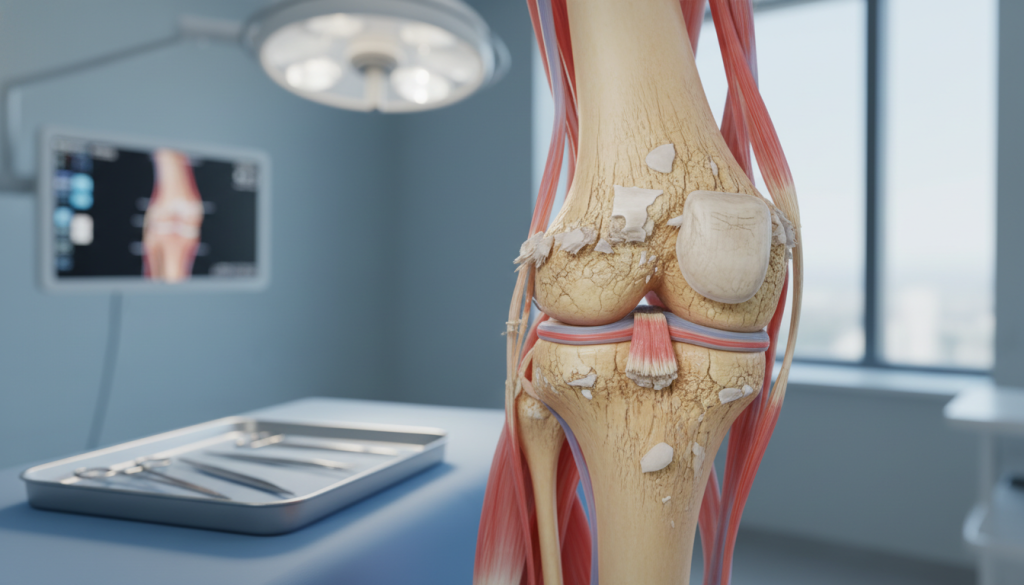
Without enough cartilage, the joint loses its stability. You might see swelling or feel like your knee is unstable. Even simple tasks like walking or climbing stairs can become painful and hard.
Let’s look at how knee osteoarthritis affects your daily life. Here’s a comparison between a healthy joint and one with knee osteoarthritis:
| Feature | Healthy Knee | Affected Knee |
|---|---|---|
| Cartilage Surface | Smooth and thick | Rough and thinned |
| Joint Space | Wide and cushioned | Narrowed or collapsed |
| Movement | Fluid and painless | Stiff and restricted |
The knee is complex, needing a balance of ligaments, tendons, and muscles to work right. Without the deep socket protection of the hip, it’s very vulnerable to stress. Spotting these signs early is key to keeping your joints healthy and mobile.
Non-Surgical Treatment for Osteoarthritis
We start with simple, non-surgical ways to treat osteoarthritis. Our goal is to help you feel better and stay active without surgery. We focus on non-invasive methods to lessen pain and improve joint function.
Many people find relief with over-the-counter drugs. Acetaminophen is good for mild pain. NSAIDs like ibuprofen or naproxen help with swelling. Always talk to your doctor before taking these.
Topical treatments are another great option. Creams or gels with diclofenac can be applied to the joint. They offer targeted relief and fewer side effects than pills.
Assistive devices are key for daily activities. Braces help knees, and custom orthotics in shoes ease pressure. These tools are crucial for keeping you mobile and protecting your joints.
| Method | Primary Benefit | Best Use Case |
|---|---|---|
| Oral NSAIDs | Reduces inflammation | General joint pain |
| Topical Creams | Targeted relief | Localized discomfort |
| Assistive Braces | Joint stability | Physical activity |
A good osteoarthritis treatment plan lets you take charge of your health. Mixing meds, topical treatments, and devices helps you stay comfortable long-term. We’re here to help you find the best approach for you.
Physical Therapy and Osteoarthritis Exercises
We think that moving in a targeted way is key to keeping joints mobile and strong. When joints wear out, the muscles around them get weaker. This can make things even worse. Doing specific osteoarthritis exercises every day helps support your joints and boosts how well they work.
Low-impact activities are great because they’re good for your heart without hurting your joints too much. Swimming and cycling are perfect for staying active without too much stress. These gentle movements keep your joints moving smoothly and help them stay flexible, which is important for your health.
Working with a professional can really help you get better. Physical therapists create osteoarthritis exercises just for you. They make sure you’re doing the right moves safely and getting the most benefit for your joints.
Sticking to a routine is important for managing joint problems. Doing osteoarthritis exercises regularly can help you have fewer painful episodes. By sticking to these routines, you can keep living an active life and greatly improve your quality of life.
Lifestyle Modifications for Managing Osteoarthritis
We think small, everyday changes are key to keeping your joints healthy for a long time. By making these changes, you can slow down joint damage. This is all about making smart choices every day.
Keeping a healthy weight is a big win. Extra weight puts more stress on your joints, like your knees and hips. Losing weight can greatly reduce the pressure on your cartilage, helping your joints stay strong.
Your work environment is also important for your comfort. Using an adjustable chair or keeping your computer at eye level can help. These small changes can make a big difference in managing osteoarthritis at work.
Staying active with gentle exercises is also key. We see these changes as steps toward a more comfortable life. Here’s a table with some easy changes you can make today.
| Lifestyle Area | Recommended Action | Primary Benefit |
|---|---|---|
| Weight Control | Balanced caloric intake | Reduced joint stress |
| Workplace Setup | Ergonomic chair usage | Improved posture |
| Daily Activity | Low-impact movement | Joint lubrication |
| Habit Tracking | Consistent routine | Managing osteoarthritis |
Dietary Approaches and Nutritional Support
Nutrition is a key tool for managing osteoarthritis. While food can’t cure it, certain foods can help lower inflammation and support joint health. A balanced diet is vital for a good quality of life.
Adding omega-3 fatty acids to your diet is a smart move. These healthy fats, found in fatty fish like salmon, reduce joint swelling. For plant-based options, walnuts, flaxseeds, and chia seeds are great choices.
Antioxidants protect your joints from damage. Eat lots of colorful fruits and veggies, like berries and kale. They’re full of vitamins C and E, which help keep cartilage healthy.
Consistency is key when managing osteoarthritis. Making small changes to your diet can make a big difference. Empowering yourself with better nutrition helps you feel better and move more easily.
| Nutrient Category | Primary Benefit | Best Food Sources |
|---|---|---|
| Omega-3 Fatty Acids | Reduces inflammation | Salmon, Walnuts, Flaxseeds |
| Vitamin C | Supports collagen production | Oranges, Bell Peppers, Strawberries |
| Antioxidants | Protects joint tissues | Blueberries, Spinach, Green Tea |
Focus on whole, unprocessed foods for the most benefits. Avoiding refined sugars and processed snacks helps keep inflammation down. Choosing these foods gives your body what it needs to stay strong.
Alternative and Complementary Therapies
Many people with osteoarthritis find that adding complementary practices helps them feel more in control. While traditional medicine is key, many look for more ways to feel better. These methods are meant to support your overall health, not replace your main treatment.
Acupuncture and massage are popular choices. Acupuncture uses thin needles to change how pain signals are sent. Massage therapy relaxes muscles and boosts blood flow, easing joint pain.

Talk to your doctor before trying new therapies. It’s important to make sure they’re safe for you. This way, your healthcare team can help you avoid any problems with your osteoarthritis meds.
The table below shows how different therapies can help your health:
| Therapy Type | Primary Benefit | Best For |
|---|---|---|
| Acupuncture | Pain Modulation | Chronic joint discomfort |
| Massage Therapy | Muscle Relaxation | Reducing stiffness and stress |
| Mindfulness | Stress Management | Coping with osteoarthritis pain |
| Tai Chi | Balance and Mobility | Improving joint range of motion |
The aim is to make a plan that meets your physical and emotional needs. By mixing proven treatments with complementary care, you can manage osteoarthritis better. This helps you live a better life.
Surgical Interventions for Advanced Cases
Thinking about surgery for osteoarthritis can be scary. If other treatments don’t help, surgery might be needed. We want to help you understand your options clearly.
Arthroscopy is a common surgery for small joint problems. A tiny camera lets the surgeon see inside the joint. They can then clean out damaged tissue or smooth out rough spots. This can significantly reduce pain and help you move better.
For severe osteoarthritis, a total joint replacement might be suggested. This surgery removes the damaged parts and replaces them with artificial ones. New implants are made to move like your natural joints, helping you do things you love again.
Knowing when to see an orthopedic specialist is a personal choice. You might want to talk to one if you’re in pain a lot or can’t move as well as you used to. Early professional advice helps you make the best choice for your health.
Surgery is a way to get your life back. It aims to fix the problem of osteoarthritis and make you feel better. We’re here to support you every step of the way, making sure you’re well-informed and confident.
Navigating the Emotional Impact of Chronic Pain
Managing joint pain can really affect your mind. You might feel frustrated, anxious, or even lonely. Acknowledging these feelings is the first step toward healing.
We care about your emotional health as much as your physical health. Getting help from a mental health professional can give you valuable coping strategies. You don’t have to face this alone.
Joining patient communities can make you feel less alone. Hearing from others with joint pain can offer comfort and useful advice. We believe that a supportive community is essential to your long-term success and emotional resilience.
Preventative Measures for Long-Term Joint Health
We believe that long-term joint health is achievable through simple, daily lifestyle choices. Even if you currently feel no discomfort, building healthy habits now serves as a vital defense against the future development of osteoarthritis. By taking small, consistent steps, you can protect your cartilage and maintain your independence for years to come.
Staying physically active is perhaps the most effective way to support your joints. Regular, low-impact exercise helps strengthen the muscles surrounding your joints, which provides necessary stability and reduces the load on your bones. Activities like swimming, cycling, or brisk walking keep your joints lubricated and flexible without causing excessive wear.
Beyond movement, it is essential to be mindful of your daily mechanics. Avoiding repetitive strain is key, as constant, identical motions can harm your joints. We recommend taking frequent breaks to stretch and shifting your position regularly to prevent localized stress on specific joints.
Lastly, prioritizing proper posture significantly impacts your long-term skeletal alignment. Whether you are sitting at a desk or standing for long periods, keeping your spine neutral helps distribute weight evenly across your hips and knees. This simple adjustment prevents the uneven pressure that often contributes to the onset of osteoarthritis.
| Preventative Habit | Primary Benefit | Frequency |
|---|---|---|
| Low-impact exercise | Strengthens supporting muscles | 3-5 times weekly |
| Ergonomic adjustments | Reduces joint compression | Daily during work |
| Weight management | Decreases load on joints | Consistent monitoring |
| Regular stretching | Improves range of motion | Daily sessions |
Finding Reliable Osteoarthritis Relief
Getting trustworthy info is key to lasting comfort. When looking for treatment for osteoarthritis, stick to proven sources. Prioritizing your health means finding info from places like medical schools and rheumatology groups.
If joint pain is messing with your daily life or sleep, see a doctor. If simple remedies don’t help, it’s time for a specialist. Early action can stop more damage and keep you moving.
Managing your condition well often means a team effort. Working with different experts helps cover all aspects of your health. This team approach creates a personalized care plan that fits your life and needs.
| Specialist | Primary Role | Contribution to Care |
|---|---|---|
| Rheumatologist | Diagnosis and Medication | Manages systemic inflammation and symptoms. |
| Physical Therapist | Movement and Strength | Designs exercises to improve joint function. |
| Orthopedic Surgeon | Surgical Consultation | Evaluates needs for advanced joint intervention. |
| Nutritionist | Dietary Guidance | Supports weight management and anti-inflammatory diet. |
We’re here to help you find your way through these options. Building a strong bond with your healthcare team gives you the tools to manage joint pain well. Remember, staying in touch with your team is the way to find the best path for your health.
Conclusion
Managing your health needs a steady and informed effort. Catching Osteoarthritis early is key to slowing it down. By noticing small changes in how you move, you can make changes before it gets worse.
Combining doctor advice with your own effort is the best way forward. At Acıbadem Healthcare Group, we help you find the right path. You should live a life full of activity, not pain.
Your journey to better joint health is a team effort. Keep up with your physical therapy and diet. These small steps lead to lasting comfort and mobility.
Get in touch with our experts to talk about your needs. We’re here to support you at every step. Together, we can tackle Osteoarthritis and keep your life full and active.
FAQ
Q: What exactly is osteoarthritis, and how does it affect the body?
A: Osteoarthritis is a disease that wears down the cartilage in your joints. At Acıbadem Healthcare Group, we explain that this leads to bone rubbing against bone. This can make moving around harder and affect your quality of life.
Q: What are the primary osteoarthritis causes and risk factors?
A: Osteoarthritis can come from getting older, your genes, or injuries. Being overweight also puts extra stress on your joints, speeding up damage.
Q: How can I recognize the most common osteoarthritis symptoms?
A: Look out for constant pain, stiffness, and sounds like clicking or grinding in your joints. Spotting these symptoms early helps us prevent more damage and keep you moving freely.
Q: Why is knee osteoarthritis so common compared to other joints?
A: The knee takes a lot of your body’s weight, making it prone to wear. Knee osteoarthritis can cause instability, swelling, and trouble with everyday tasks. We explain why the knee is so vulnerable to damage.
Q: What does the diagnostic process for joint health involve?
A: We start with a physical exam and look at your medical history. We use X-rays or MRIs to see how much damage there is. This helps us make a plan to help you.
Q: What are the options for non-surgical treatment for osteoarthritis?
A: We offer many ways to ease joint pain without surgery. This includes pain relievers, creams, and devices to support your joints. These help keep you comfortable and moving.
Q: Which osteoarthritis exercises are best for maintaining joint mobility?
A: Swimming, cycling, and walking are great for your joints. They’re low-impact and keep your heart rate up. Physical therapy also strengthens the muscles around your joints, improving your movement.
Q: How can lifestyle modifications assist in managing osteoarthritis?
A: Making small changes can make a big difference. Keeping a healthy weight and making your workspace ergonomic are key. These steps help protect your joints and improve your health over time.
Q: Can specific dietary choices provide osteoarthritis relief?
A: Yes, eating foods that fight inflammation is important. Omega-3s, antioxidants, and vitamins can help. This approach complements medical treatments and can offer relief for many people.
Q: Are there alternative therapies that help with chronic arthritis pain?
A: Yes, therapies like acupuncture or massage can help manage pain. They work alongside traditional treatments to improve comfort and reduce stress. We encourage discussing these options to find what works best for you.
Q: When should I consider surgical interventions like joint replacement?
A: If pain and function don’t improve with other treatments, surgery might be needed. At Acıbadem Healthcare Group, we offer various surgeries to help. We aim to make these options clear so you feel ready to talk to a specialist.
Q: How do we navigate the emotional impact of living with chronic joint pain?
A: Dealing with chronic pain can be tough, leading to frustration or feeling isolated. We focus on mental health support. Connecting with others and seeking professional help can help manage the emotional side of long-term pain.
Q: What preventative measures can protect joint health throughout life?
A: To keep your joints healthy, stay active, maintain good posture, and avoid repetitive strain. Starting early with these habits can help you stay mobile and independent for longer.
Q: How do I find reliable medical guidance for my condition?
A: We help our patients find trustworthy medical information. Working with a team of doctors and physical therapists is key to a personalized care plan. At Acıbadem Healthcare Group, we’re committed to supporting you every step of the way.