

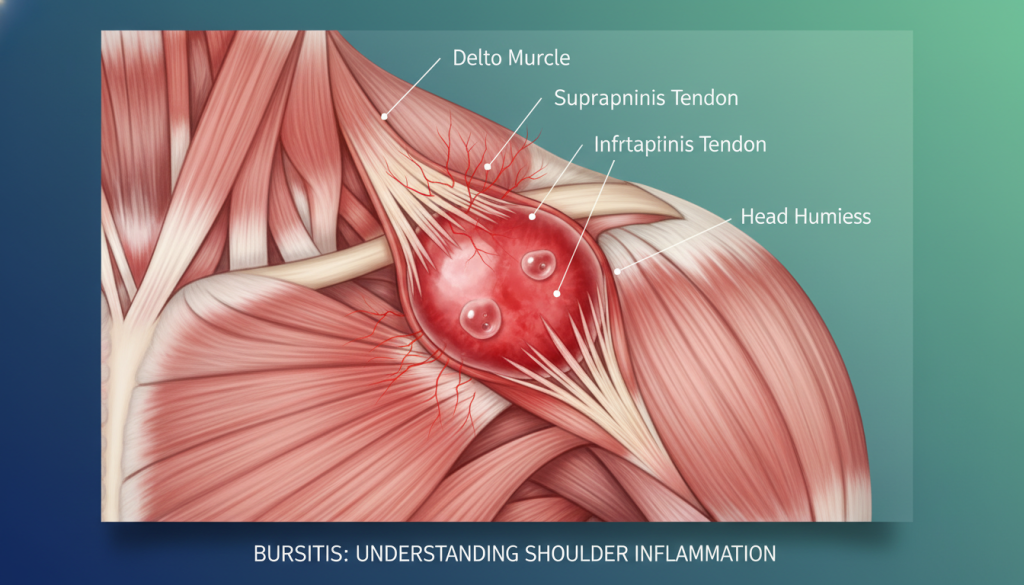
Ever felt a sharp, persistent ache in your shoulder, elbow, or hip? It might be bursitis. This common condition affects the small, fluid-filled sacs called bursae. They act as cushions between your bones, tendons, and muscles.
Dealing with bursitis can be painful. But understanding it is the first step to recovery and keeping your joints healthy. We think knowledge is the most powerful tool in your healing journey.
We aim to give you the basic info you need to handle this diagnosis with confidence. At Acıbadem Healthcare Group, we’re here to support your journey to better mobility and comfort.
Key Takeaways
- Bursitis involves inflammation of the fluid-filled sacs that cushion your joints.
- Common symptoms include localized pain, swelling, and stiffness during movement.
- Early identification and proper care are essential for a quick recovery.
- Rest and activity modification often play a major role in the healing process.
- Professional guidance helps ensure you maintain long-term joint health and function.
Understanding the Anatomy of Bursitis
The bursa is a small, fluid-filled sac that helps your joints move smoothly. It acts as a friction-reducing cushion between bones, tendons, and muscles. This allows your joints to move easily during everyday tasks.
If the bursa gets irritated or inflamed, it’s called bursitis. This can cause a lot of pain and discomfort. It often affects areas like your shoulders, elbows, and hips, where the bursa is under a lot of pressure.
When the bursa can’t move smoothly, the tissues around it start to rub against each other. This creates pain and swelling, making it hard to move. Understanding these structures shows why rest and care are key to fixing the problem.
| Feature | Healthy Bursa | Inflamed Bursa (Bursitis) |
|---|---|---|
| Fluid Level | Normal lubrication | Excessive fluid buildup |
| Movement | Smooth and painless | Restricted and painful |
| Tissue State | Thin and flexible | Thickened and irritated |
| Primary Goal | Friction reduction | Healing and inflammation control |
Knowing how bursitis affects your body helps you make better choices for recovery. We suggest gentle movement and proper support to protect these delicate areas. Taking care of your joints now helps them stay healthy and mobile for the future.
Common Bursitis Symptoms to Watch For
Spotting bursitis symptoms early can stop small issues from becoming big problems. When bursae, the fluid-filled sacs, get inflamed, your body sends out clear signals. Paying close attention to these signs helps us act fast and keep your joints healthy.
Pain, tenderness, and swelling are common signs. You might feel pain that gets worse with movement or when pressure is applied. This pain often feels like a dull ache that gets sharper with certain activities.
The symptoms can differ based on where the bursitis is. For example, shoulder bursitis might cause sharp pain when you rotate your shoulder. Knee bursitis can make kneeling or climbing stairs very painful.
| Joint Location | Primary Symptom | Common Trigger |
|---|---|---|
| Shoulder | Sharp pain | Reaching overhead |
| Knee | Localized swelling | Kneeling or walking |
| Elbow | Tenderness | Leaning on surfaces |
| Hip | Deep aching | Lying on that side |
Knowing these patterns is essential for keeping your life quality high. By catching these signs early, we can lessen their impact on your daily life. If your joints feel different, it’s smart to watch them closely.
Primary Bursitis Causes and Risk Factors
Knowing the main bursitis causes is key to keeping your joints healthy. This condition often comes from doing the same thing over and over or from too much pressure on the bursa. This can irritate it for a long time.
When a bursa, the small sac that cushions your joints, gets too much friction, it swells up. This persistent irritation is what makes many people uncomfortable in their daily lives.
Many things can lead to bursitis causes. Your job or your favorite hobbies can play a big role. Jobs that make you lift or kneel a lot, or sports that put a lot of strain on certain joints, raise your risk.
Also, having certain health issues can make you more likely to get bursitis. For example, people with arthritis or gout might find their joints more prone to getting inflamed.
| Risk Category | Common Trigger | Impact Level |
|---|---|---|
| Occupational | Repetitive lifting | High |
| Athletic | Overuse injuries | Moderate |
| Medical | Chronic arthritis | High |
By knowing these specific causes, we can help you change your habits to protect your joints. Understanding these bursitis causes is a big part of our team effort to keep your muscles and bones healthy. Taking proactive steps now helps keep your joints healthy and moving well for a long time.
Diagnostic Procedures for Joint Inflammation
We have a detailed plan to figure out if your joint pain is from bursitis. When you come to our clinic, we aim to find the source of your pain. This helps us tell if it’s bursitis or another joint problem.
Our doctors start with a thorough physical check-up. They do special tests to see how the area reacts. These tests help find out if the bursa, a small sac in your joint, is causing the pain.
Sometimes, just a physical exam isn’t enough. We might suggest ultrasound or MRI scans to see how bad the inflammation is. These tests show us the soft tissues clearly, helping us understand your condition better.
This detailed check-up is key for your healing. It lets us create a custom treatment plan for you. We think knowing your health details helps you take better care of yourself.
| Diagnostic Method | Primary Purpose | Clinical Benefit |
|---|---|---|
| Physical Exam | Assess range of motion | Identifies localized tenderness |
| Ultrasound | Real-time imaging | Detects fluid buildup quickly |
| MRI Scan | Detailed soft tissue view | Rules out structural damage |
Effective Bursitis Treatment Options
When you face persistent joint pain, finding the right path to recovery is essential. Our primary goal regarding bursitis treatment is to reduce inflammation and alleviate pain. We use a conservative, evidence-based approach.
We often start by recommending a combination of rest, ice application, and anti-inflammatory medications. These initial steps are designed to calm the affected area and promote natural healing. By limiting strenuous activity, you allow your body the necessary time to recover effectively.

For more persistent cases, we may discuss advanced medical interventions to provide targeted relief. This might include corticosteroid injections, which can significantly decrease swelling in the bursa sac. We work closely with you to determine the most appropriate bursitis treatment plan for your specific needs.
Your comfort and long-term recovery remain our top priorities throughout this process. We believe in a collaborative relationship where your feedback guides our clinical decisions. Together, we will navigate the best path forward to restore your joint health and overall quality of life.
The Role of Physical Therapy in Recovery
Adding bursitis physical therapy to your treatment plan can really speed up your recovery. We see this care as a key part of getting better. It helps strengthen and stretch the muscles around the joint.
Our therapists teach you specialized movements to lessen friction and better your joint’s function. We slowly make these sessions harder to help you move better. This teamwork lets you play a big part in fixing your joint and staying stable.
The table below shows how a bursitis physical therapy program works to get you back to normal:
| Phase | Primary Goal | Focus Area |
|---|---|---|
| Initial | Pain Management | Gentle range of motion |
| Intermediate | Strength Building | Resistance exercises |
| Advanced | Functional Return | Activity-specific training |
| Maintenance | Prevention | Long-term joint health |
Being consistent is key to doing well in these sessions. Working with our team, you learn to handle your condition on your own. Your dedication to these exercises keeps your joints strong and flexible for a long time.
Targeted Bursitis Exercises for Mobility
We think that regular, gentle activity is key to getting better. Adding bursitis exercises to your daily life helps keep joints moving and stops inflammation from coming back. These exercises stretch and strengthen muscles around the bursa without hurting it too much.
While bursitis physical therapy sets a good base, your own practice at home is what really helps. Doing these exercises often keeps your joint flexible and lowers the chance of it getting stiff. We see these exercises as a must-do part of taking care of yourself every day.
Being consistent and doing the exercises right is important for safety and getting better. Always move slowly and stop right away if you feel sharp pain. It’s better to do fewer reps but do them right than to rush and hurt your joint more.
The table below shows the main differences between exercises that help keep joints healthy while you’re recovering.
| Exercise Type | Primary Goal | Intensity Level | Frequency |
|---|---|---|---|
| Gentle Stretching | Improve flexibility | Low | Daily |
| Isometric Strengthening | Stabilize the joint | Low to Moderate | 3-4 times weekly |
| Range of Motion | Maintain mobility | Low | Daily |
By adding these bursitis exercises to your routine, you fill the gap between doctor visits. Remember, your body needs time to heal, so pay attention to it. If you’re unsure about your exercises, talk to your doctor to make sure your bursitis physical therapy plan fits your needs.
Natural Remedies for Bursitis Relief
We think that mixing professional care with bursitis natural remedies can really help. Medical treatments are important, but adding gentle habits to your day can speed up healing. These steps let you help manage your well-being yourself.
Contrast therapy is a great way to ease bursitis pain. It uses heat and cold to improve blood flow and lessen swelling. Being consistent with this helps your joints feel better all day.
Also, check your surroundings for things that might bother your joints. Making ergonomic changes in your space is key. It helps avoid putting too much stress on your joints. Good posture and movement help prevent more pain.
These bursitis natural remedies are great with your doctor’s advice. Together, they make a strong plan for bursitis relief. We’re here to guide you, making sure you’re supported every step of the way.
Bursitis Management in Daily Life
Adding simple habits to your daily routine is key for managing bursitis. Being mindful of your movements can lessen joint stress. Small posture changes can bring lasting relief and comfort.
At work or home, watch your body’s alignment. Avoid long stays in one spot to prevent stiffness and irritation. Take short breaks to stretch and adjust your posture.
Knowing when to take a break is important. If you feel sharp pain or a constant ache, stop right away. This stops inflammation from getting worse. Bursitis management means listening to your body and not ignoring pain.
Here are some daily habit changes to consider:
| Activity | Adjustment | Benefit |
|---|---|---|
| Desk Work | Use ergonomic support | Reduces joint strain |
| Lifting Objects | Bend at the knees | Protects sensitive areas |
| Rest Periods | Scheduled micro-breaks | Prevents inflammation |
We aim to help you adopt these lasting techniques in your life. Making these conscious choices helps you stay mobile and enjoy activities more. Remember, being consistent is vital for joint health.
Bursitis Prevention Strategies
We think that taking care of your joints before problems start is key. By spotting bursitis causes early, you can make changes that help a lot. Our aim is to help you avoid putting too much stress on your joints.
Keeping your muscles balanced is a big part of bursitis prevention. We suggest adding gentle stretches and strength exercises to your routine. These help your joints work right and absorb daily impacts better.
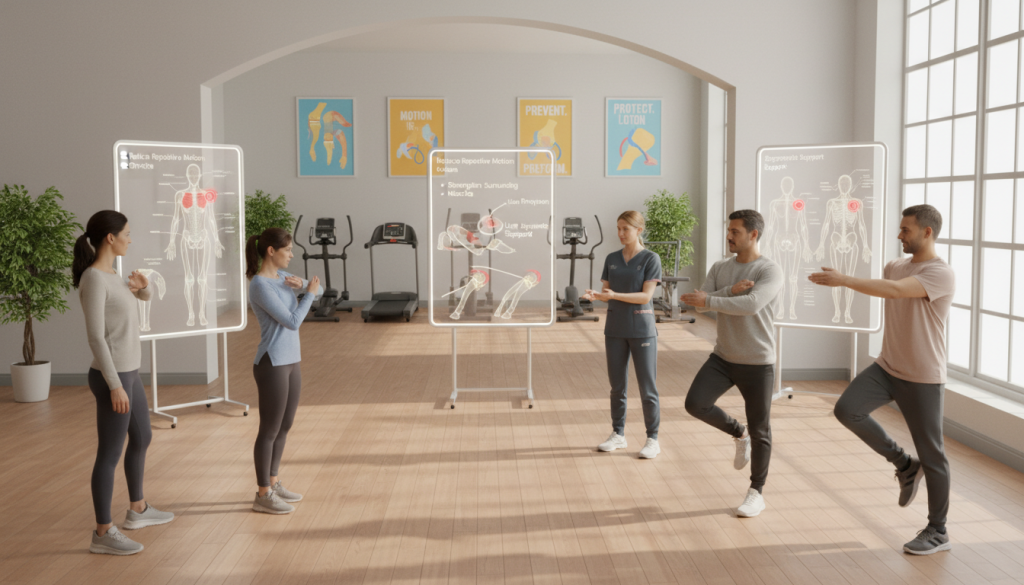
If your job or hobbies put a lot of pressure on your joints, use protective gear. Things like ergonomic cushions or knee pads can help spread out the weight. These small steps can shield your bursa from too much rubbing and pressure.
Being consistent is key to keeping your joints healthy for the long run. By making these small changes, you can greatly reduce your risk of getting bursitis again. Check out the table below to see how you can protect your joints during everyday activities.
| Activity Type | Potential Risk | Prevention Strategy |
|---|---|---|
| Prolonged Kneeling | Prepatellar Bursitis | Use padded knee protectors |
| Repetitive Lifting | Shoulder Bursitis | Improve lifting mechanics |
| Extended Typing | Elbow/Wrist Bursitis | Adjust ergonomic desk height |
| High-Impact Sports | Joint Overuse | Incorporate regular stretching |
Specific Types of Bursitis
Bursitis is common but shows up differently in each joint. Bursitis happens where tendons, skin, and muscles meet bones. Because each joint is unique, symptoms and recovery times vary a lot.
Subacromial bursitis is a common type that affects the shoulder. It’s the bursa between the shoulder blade and rotator cuff tendons. People with this often feel sharp pain when reaching up or lifting things, making everyday tasks hard.
Trochanteric bursitis is another common type, affecting the hip. It causes tenderness on the outer hip, mainly when lying on that side or walking a lot. We focus on finding these differences to make your treatment as exact as possible.
Knowing the exact type of bursitis you have helps us tailor your treatment. Whether it’s in the shoulder, hip, or elsewhere, we aim for targeted relief. By focusing on your joint’s specific needs, we help you move better and feel more comfortable.
We think educating patients is key to recovery. Knowing the signs of different bursitis types helps you get the right care. Our team is here to support your journey to better joint health with expert, personalized advice.
When to Seek Professional Medical Care
Knowing when to move from home care to clinical support is key for your joint health. Many bursitis cases get better with rest and simple changes. But, it’s important to know when to get bursitis treatment from a professional.
If you see signs of infection, like a fever, redness, or warmth, get help fast. Prompt medical attention is critical to avoid serious problems.
Also, see a doctor if your pain doesn’t go away with home care. If it makes daily tasks hard or stops you from working, you need more help. We’re here to guide you and help with these tough cases.
| Symptom Category | Home Care Approach | Professional Evaluation Needed |
|---|---|---|
| Pain Levels | Mild, manageable with rest | Severe, persistent, or worsening |
| Infection Signs | None present | Fever, redness, or extreme heat |
| Functional Impact | Minor limitations | Inability to perform daily tasks |
| Treatment Progress | Improvement within days | No change after two weeks |
Lifestyle Changes for Long-Term Joint Health
We think lasting joint health comes from making small, healthy changes every day. By taking care of your whole body, you can live better and avoid future pain.
Maintaining a healthy weight is key to protecting your joints. Too much weight can hurt your hips, knees, and ankles. Losing weight can help reduce the stress on these areas.
Doing bursitis exercises regularly keeps your joints flexible and strong. Swimming, cycling, or walking are great because they’re easy on your joints. They help keep your joints moving smoothly.
By focusing on bursitis prevention every day, you can keep your joints healthy for a long time. We help you make a plan that fits your life and goals. Small steps today mean a healthier, more active life tomorrow.
Navigating the Challenges of Chronic Bursitis
Dealing with chronic bursitis is a journey we’re here to support you on. It can be frustrating to have ongoing joint inflammation. But with a solid bursitis management plan, you can keep living well. Understanding your body is key to finding lasting relief.
It’s vital to watch your bursitis symptoms closely when dealing with long-term issues. Keeping a log of when pain happens can show you what triggers it. This way, we can adjust your activities to ease joint stress.
Our approach focuses on finding long-term solutions for inflammation. We aim for your joints to stay healthy. Our team guides you through the ups and downs of chronic joint health.
We’re dedicated to helping you find a balance that keeps you active and comfortable. Bursitis management needs physical changes and emotional support. You deserve to feel empowered as you manage your health and enjoy your favorite activities.
Conclusion
Managing joint inflammation starts with your daily habits and physical health. You can improve your life by knowing your body’s needs. This knowledge is key.
We think that caring for yourself consistently leads to better results. Getting help from Acıbadem Healthcare Group means you get a plan made just for you. Our experts guide you through your recovery with care.
Using both medical treatments and natural remedies can help you heal. These gentle methods support your main treatment and help you feel better at home. Adding these habits to your routine keeps you moving and strong.
Looking after your health now stops problems later and keeps you active. We’re here to help you find ways to ease bursitis. Contact our medical team for support or questions about your joint health.
FAQ
Q: What is bursitis and how does it affect the joints?
A: Bursitis is an inflammation of small, fluid-filled sacs called bursae. These sacs cushion the spaces between bones, tendons, and muscles. When they get inflamed, they can’t move smoothly, causing pain and stiffness. At Acıbadem Healthcare Group, we diagnose the specific bursa to help your joints move better.
Q: What are the most common bursitis symptoms I should watch for?
A: Look out for pain, tenderness, and swelling around the joint. The pain might get worse with movement or when pressure is applied. For example, shoulder pain can happen when rotating your shoulder, while hip pain can make lying on your side hard.
Q: What are the primary bursitis causes and risk factors?
A: Bursitis causes often come from repetitive motions or prolonged pressure. Jobs, sports, and health issues like arthritis or gout can raise your risk. Knowing these triggers helps us find ways to reduce stress on your body.
Q: What does an effective bursitis treatment plan look like?
A: A good bursitis treatment starts with rest, ice, and anti-inflammatory meds. If the inflammation doesn’t go away, we might suggest corticosteroid injections. These injections target the bursitis relief and help your body heal faster.
Q: How does bursitis physical therapy contribute to long-term recovery?
A: Bursitis physical therapy is key to our recovery plan. Our experts teach you exercises to strengthen muscles and improve flexibility. This helps reduce friction on the inflamed bursa, helping you move better and safer.
Q: Are there specific bursitis exercises I can perform at home?
A: Yes, doing low-impact bursitis exercises at home is important. We give you exercises that help keep your joints moving without straining the sensitive area. Remember, doing these exercises regularly and correctly is important to avoid future problems.
Q: Can bursitis natural remedies be used alongside medical care?
A: Absolutely. We often suggest bursitis natural remedies like alternating heat and cold to improve blood flow and reduce swelling. Also, making your home or workspace ergonomic can help reduce stress on your joints.
Q: What are the best strategies for bursitis prevention and management?
A: To prevent bursitis, use protective gear, keep a healthy weight, and stretch regularly. For managing bursitis long-term, be mindful of your physical activities. Learn to rest when your body needs it to avoid chronic inflammation.
Q: When is it necessary to seek professional medical care for joint inflammation?
A: See a doctor at Acıbadem Healthcare Group if you have signs of infection like fever or extreme warmth and redness. Also, if your pain is severe or stops you from doing daily tasks, get a professional check-up for the right diagnosis and treatment.