
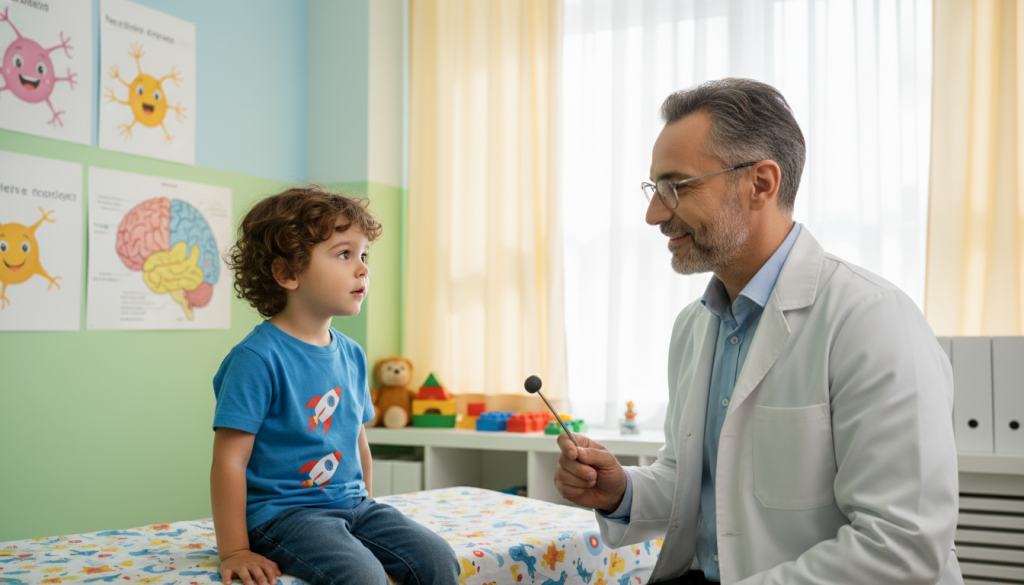
Welcome to our specialized center for Child Neurology. We focus on the diagnosis and management of complex nervous system conditions affecting infants, children, and adolescents.
Our team blends clinical expertise with a deeply compassionate, patient-centered approach. We believe that every family deserves world-class care tailored to their unique needs.
We aim to empower you by demystifying medical information. By providing clear, expert guidance, we help you make informed healthcare decisions throughout your treatment journey. Your peace of mind is our priority as we work together toward the best possible outcomes for your loved ones.
Key Takeaways
- Specialized care for nervous system disorders in young patients.
- A compassionate, patient-centered approach to medical treatment.
- Commitment to demystifying complex health information for families.
- Expert guidance to support informed decision-making.
- Focus on long-term wellness and improved quality of life.
Understanding the Scope of Child Neurology
Understanding the nervous system in children is different from adult medicine. Pediatric Neurology looks at how a growing brain, spinal cord, and nerves work together. Kids are not just small adults; their bodies grow and change fast.
This field deals with many conditions affecting the brain, nerves, and muscles in young patients. Because kids’ nervous systems are developing, we use special ways to diagnose and treat them. We focus on early help to support their long-term health.
Our team gives detailed checks to make sure each child gets a care plan that fits them. We focus on the unique needs of each patient. Pediatric Neurology is about helping every child reach their full ability.
| Feature | Pediatric Neurology | Adult Neurology |
|---|---|---|
| Primary Focus | Developmental milestones | Degenerative processes |
| Patient Age | Infants to young adults | Adults and seniors |
| Treatment Goal | Growth and maturation | Maintenance and recovery |
| Care Approach | Family-centered support | Individual-centered care |
The Foundations of Child Brain Development
The early years of life are key for brain growth and development. From infancy to adolescence, the brain changes fast and complexly. This process shapes how we interact with the world.
In these early years, the brain makes millions of new connections every second. These connections are highly sensitive to what’s around us, what we eat, and how we interact. Knowing these stages helps us spot when a child might need extra help.
Early help is very important for brain health later on. By tackling issues early, we give the brain a chance to grow strong. Understanding brain development helps families work with doctors to help their children reach their best.
| Developmental Phase | Primary Neurological Focus | Key Functional Outcome |
|---|---|---|
| Infancy | Synaptic Proliferation | Sensory and Motor Skills |
| Early Childhood | Myelination and Pruning | Language and Socialization |
| Adolescence | Prefrontal Cortex Refinement | Executive Function and Logic |
This table shows how the brain’s focus changes as a child grows. Each stage builds on the last, creating a strong base for learning and emotional health. We’re here to guide you through these important milestones with care and knowledge.
Common Pediatric Neurological Disorders
When you find out your child has a neurological issue, it can be scary. Many families turn to us for help with pediatric neurological disorders. These issues can affect their daily life and school work. We aim to offer support and answers during tough times.
Dealing with neurological conditions in children means looking at the whole child. We use therapies backed by science. These focus on safety and improving quality of life for the long term. We work with families to make care plans that meet each child’s unique needs.
Childhood epilepsy is a common issue we see. It’s when a child has many seizures because of brain electrical problems. Even though it’s a tough diagnosis, today’s treatments help many kids live full lives.
The table below shows some common concerns we face. Knowing these differences helps us start early and manage pediatric neurological disorders well.
| Condition | Primary Characteristic | Management Focus |
|---|---|---|
| Childhood Epilepsy | Recurrent seizures | Medication and safety |
| Developmental Delays | Slowed skill acquisition | Therapy and support |
| Movement Disorders | Involuntary muscle activity | Physical and occupational therapy |
We’re committed to explaining neurological conditions in children in a way everyone can understand. Our team believes knowing is power. We’re here to help you through every step of your child’s health journey.
The Diagnostic Process in Pediatric Neurology
We use advanced technology and deep clinical expertise in Pediatric Neurology. Our main goal is to find the cause of your child’s symptoms. We make sure they feel safe and supported every step of the way.
The first step is a detailed clinical history and physical exam. A skilled child neurologist will watch your child’s movements and responses. This helps us get important information.
We also use advanced imaging like MRI scans or EEG tests. These tools help us see brain structure and activity without causing unnecessary distress to the patient.
We believe in a collaborative approach to care. Our team makes sure parents understand every test and what the results mean for their child’s health.
Open communication is key in Pediatric Neurology. Your child neurologist is a dedicated partner. They explain complex findings in a way that helps your child’s well-being.
Genetic Influences on Neurological Health
Looking into a child’s genetic makeup opens up new ways to help them. Genetics often play a key role in neurological issues, from big metabolic problems to small brain structure changes. Understanding these roots is a key step in supporting your child well.
Before, finding the cause of a neurological problem was hard and unsure. Now, modern genetic testing makes it easier. It lets us find the exact cause quickly and accurately. This helps us go from general guesses to knowing the exact cause.
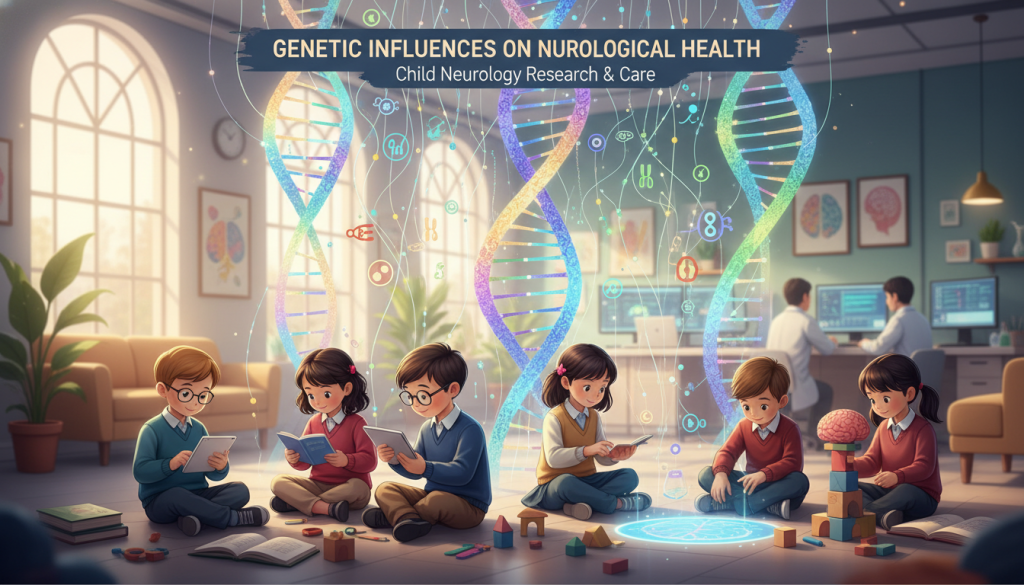
After finding these genetic markers, we can create personalized treatment plans for your child. This targeted approach often leads to better results and symptom management. By focusing on your child’s genetic profile, we make sure every treatment is as precise and helpful as it can be.
Getting a genetic diagnosis can be emotional for parents. Our team offers genetic counseling to help families understand these conditions. We’re here to explain what it means for your child’s health and help you make informed choices with confidence.
Pediatric Neuropsychology and Behavioral Health
By studying the brain and behavior, we help kids overcome learning or emotional challenges. Pediatric Neuropsychology is key in understanding how a child’s brain affects their actions and feelings. It’s vital for giving them the care they need.
Many kids face issues that aren’t just physical. These problems can show up in school, social situations, or managing emotions. Our goal is to look beyond the surface to find the brain-related reasons behind these issues.
We use detailed cognitive tests to understand each child’s unique abilities. These tests help us see where they need extra help. With Pediatric Neuropsychology, we make a plan for each child’s success.
After finding out what each child needs, we create special educational and therapy plans. These plans help kids reach their full abilities. We work closely with families to make sure these plans work in real life.
We also focus on behavioral health along with physical symptoms. By using Pediatric Neuropsychology, we help kids grow both cognitively and emotionally. We’re dedicated to helping every child reach their full health and happiness.
Managing Neuromuscular Disorders in Children
Getting a diagnosis of muscle weakness or fatigue can be tough for families. These conditions affect the nerves that control muscles, leading to developmental delays. We focus on early diagnosis and tailored care plans for Pediatric Neurological Disorders.
We use a multidisciplinary team approach. This team includes physical, occupational therapy, and medical care. We aim to keep your child mobile and functioning well.
Managing these conditions is a team effort. We work with families to help children be independent. Our goal is to help them overcome daily challenges and reach their full abilities.
| Service Type | Primary Goal | Expected Outcome |
|---|---|---|
| Physical Therapy | Improve muscle strength | Enhanced mobility |
| Occupational Therapy | Refine motor skills | Daily task independence |
| Medical Intervention | Manage symptoms | Reduced fatigue |
Managing Pediatric Neurological Disorders is a long-term journey. We adjust treatment plans as your child grows. Our team offers the reassurance and guidance your family needs.
We focus on both physical and emotional health. We aim to support every patient. We believe every child can thrive, and we’re honored to support them on this journey.
The Impact of Traumatic Brain Injuries
Our team focuses on protecting a child’s developing brain after a traumatic injury. A traumatic brain injury (TBI) in kids needs quick and special care to avoid lasting problems. We know how worried families get in these situations, and we aim to offer clear help and advice as they heal.
Spotting the signs of a head injury is key to good care. A mild concussion might show as brief confusion, dizziness, or a headache. But serious injuries need fast medical help. We check each patient to see how bad the injury is and if there’s any damage.
After finding out what’s wrong, our main treatment is structured rest. This lets the brain heal without the stress of everyday life. We advise against rushing back to school or sports too soon. Instead, we use gradual return-to-activity protocols made just for each child.
We keep a close eye on how well the brain and body are healing. We check progress often to make sure kids get the right support at every step. Your child’s long-term health is our top concern, and we work with families to help them get back to normal slowly but surely.
Sleep Disorders and Their Neurological Links
Sleep is key when managing Neurological Conditions in Children. We often focus on daytime therapies, but sleep is just as important. A restful night is essential for learning, growing, and managing emotions.
Children with parasomnias or obstructive sleep apnea face sleep cycle disruptions. These issues do more than cause tiredness; they worsen brain and nervous system symptoms. When sleep is broken, the brain can’t process information well, leading to poor daytime performance.
We focus on finding sleep problems early to help our patients. By improving sleep habits and addressing physical barriers, we see big improvements in Neurological Conditions in Children. Our aim is to make sure every child gets the rest they need to succeed.
| Sleep Disorder Type | Neurological Impact | Management Strategy |
|---|---|---|
| Obstructive Sleep Apnea | Increased daytime irritability | Airway assessment |
| Parasomnias | Disrupted sleep architecture | Behavioral interventions |
| Circadian Rhythm Issues | Cognitive processing delays | Structured sleep scheduling |
Headaches and Migraines in Pediatric Patients
Pediatric migraines can really disrupt a child’s life. They often miss school and have trouble socializing. Parents worry a lot when their kids have frequent headaches. We aim to give a clear diagnosis to help families manage these tough times.
It’s important to tell the difference between primary headaches like migraines and secondary headaches. Secondary headaches can be signs of other health issues, like infections or Childhood Epilepsy. Our team does thorough checks to find out the cause and plan the best treatment.
We focus on lifestyle changes and stress management to treat headaches. We help families find out what triggers the headaches, like bad sleep or food. If needed, we use specific medicines to lessen the pain and improve the child’s life.
Even though some symptoms might seem like Childhood Epilepsy, we are careful and focus on the patient. Teaching parents is key to helping a child’s long-term health. Below is a table that shows the main differences between common headaches in kids.
| Headache Type | Common Symptoms | Typical Duration | Primary Trigger |
|---|---|---|---|
| Tension Headache | Mild, band-like pressure | 30 minutes to hours | Stress or fatigue |
| Migraine | Throbbing, nausea, light sensitivity | 4 to 72 hours | Genetics or environment |
| Secondary Headache | Sudden, severe, or persistent | Varies by cause | Underlying medical issue |
Neuro-Oncology: Addressing Brain Tumors
Dealing with brain tumors in kids is a careful mix of aggressive medical treatment and keeping their growth on track. Neuro-oncology focuses on treating brain and spinal cord tumors in young ones. We offer compassionate care that supports the whole child, not just their illness.
Our team combines oncology experts with Pediatric Neuropsychology specialists. This way, we make sure treatments don’t harm a child’s mind or feelings. Together, we aim to make the experience as smooth as possible for families facing tough times.
We focus on long-term cognitive health by adding Pediatric Neuropsychology to the treatment plan. This helps us see how treatments impact learning, memory, and behavior as the child grows. Our aim is to give comprehensive support that covers both physical healing and the child’s special brain needs.
The Role of Diet and Nutrition in Brain Health
We think what a child eats really matters for their brain growth and thinking skills. Good food is key for Child Brain Development. It gives the brain what it needs to make important connections.
Diet can even be a main treatment in some cases. For example, the ketogenic diet is a special diet that helps some kids with hard-to-treat epilepsy. It changes how the body works and can cut down on seizures.
It can be hard for parents to figure out what their kids should eat. We want to help families make smart choices for Child Brain Development and growth. Every meal is a chance to help your child’s future, and we’re here to guide you with science.
| Nutrient Category | Primary Benefit | Common Sources |
|---|---|---|
| Omega-3 Fatty Acids | Supports cognitive function | Salmon, walnuts, flaxseeds |
| Iron | Aids oxygen transport | Lean meats, beans, spinach |
| B Vitamins | Promotes nerve health | Whole grains, eggs, dairy |
Advancements in Pediatric Neurological Research
The world of Child Neurology is changing fast. New discoveries are making a big difference for our patients. These breakthroughs give families hope and better health for the future.
Gene therapy is a huge step forward in medicine. It lets us fix the cause of inherited diseases, not just treat symptoms. This means kids can reach milestones that were once thought impossible.
Our ability to diagnose has also improved a lot. Thanks to advanced neuroimaging, we can spot problems early and accurately. This is key to good Child Neurology care today.
Medicine has gotten better too. Now, we use precision medicine to make treatments fit each child’s needs. This approach reduces side effects and boosts treatment success.
We’re always looking to learn more. We use the latest research in our care every day. This way, we help every patient with the best science has to offer. Our goal is to keep improving Child Neurology for all families.
Supporting Families Through the Care Journey
We know that dealing with pediatric neurological care can be overwhelming for families. Getting a diagnosis is a big life event. We’re here to support you every step of the way.
As your Child Neurologist, we aim to make you feel never alone. We focus on clear, open talks. This helps you understand your child’s condition and treatment options.
Every Pediatric Neurologist on our team combines medical knowledge with empathy. We give you the tools and info you need to make choices with confidence.
We want to build a collaborative relationship with you. Together, we’ll create a care plan that meets your child’s needs and supports your family’s well-being. As a trusted Child Neurologist, we’re committed to your long-term success and peace of mind.
Ethical Considerations in Pediatric Neurology
We believe that the heart of pediatric care is finding a balance between science and ethics. Every decision we make has a big impact on a child’s future. That’s why ethics is key in our practice. A pediatric neurologist must be precise and empathetic in their work.
Respecting a child’s growing ability to make their own decisions is important. As kids get older, they can take part in their healthcare choices. We make sure parents have all the info they need to make good decisions, working together as a team.
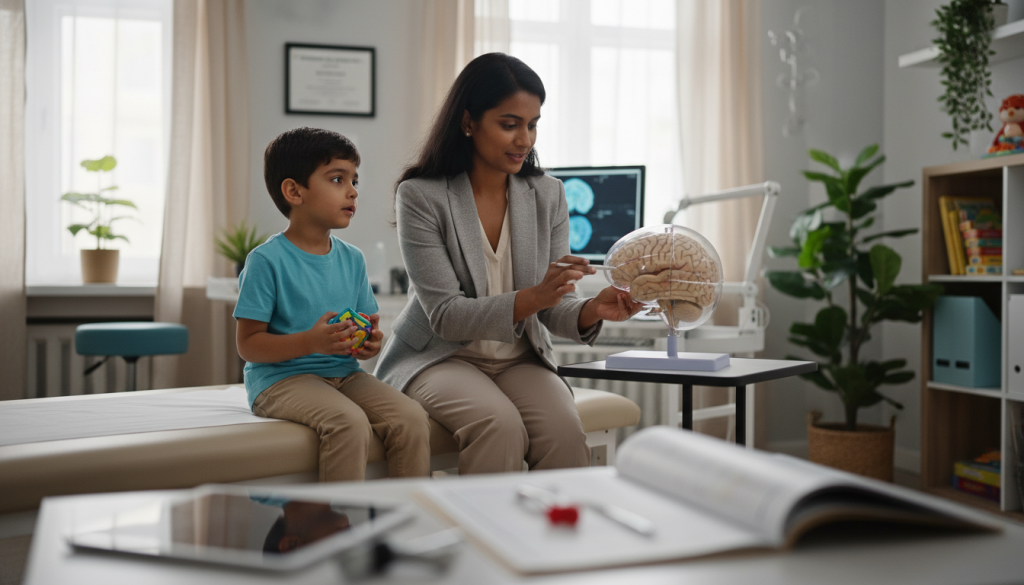
Our team is dedicated to integrity and compassion in every interaction. Families often face tough choices about treatments and big decisions. By being open and supportive, every pediatric neurologist at our facility helps families feel strong and heard.
| Ethical Pillar | Clinical Application | Goal for Families |
|---|---|---|
| Informed Consent | Clear explanation of risks and benefits | Empowered decision-making |
| Patient Autonomy | Age-appropriate inclusion in care | Respect for the child’s voice |
| Beneficence | Prioritizing the child’s best interest | Optimal health outcomes |
| Professional Integrity | Unbiased expert guidance | Trust in the medical team |
Conclusion
Dealing with pediatric neurology is a team effort between families and doctors. We think informed parents are the best advocates for their kids. At Acıbadem Healthcare Group, we’re here to help you understand and manage your child’s health.
Every child is different, and they need care that fits their unique needs. We use our knowledge and care to help your child get better. Your child’s health journey is our main goal.
If you have questions about your child’s health, please reach out to our specialists. A consultation helps us understand your child’s needs and make a plan for their future. Together, we can guide your family with the expertise you need.
FAQ
Q: What exactly is the field of Child Neurology?
A: Child Neurology is a branch of medicine that deals with nervous system disorders in kids. At Acıbadem Healthcare Group, we use our knowledge to help families understand complex medical info. We support them every step of the way.
Q: How does Pediatric Neurology differ from adult neurology?
A: Pediatric Neurology focuses on the unique needs of growing children. It’s different from adult care because it considers how a child’s brain develops. We tailor each care plan to meet a child’s specific needs.
Q: Why is it important to monitor child brain development milestones?
A: The brain changes a lot from infancy to adolescence. Knowing the milestones helps us spot when a child might need extra help. Early support can greatly improve their brain health and function later on.
Q: What are the most common neurological conditions in children?
A: We often treat conditions like childhood epilepsy and developmental delays. We also help with motor disorders and issues that affect school and social life.
Q: What should I expect during the diagnostic process with a child neurologist?
A: The process starts with a detailed history and physical exam. We use advanced imaging like MRI or EEG to see the brain. We aim to keep parents informed and make sure the child is comfortable.
Q: How do genetics influence a child’s neurological health?
A: Genetics play a big role in many conditions. Modern genetic testing helps us find causes that were hard to diagnose before. This leads to more accurate treatments and support for families.
Q: What is the role of pediatric neuropsychology in my child’s care?
A: Pediatric neuropsychology looks at how the brain affects behavior. It helps us find ways to support a child’s physical and emotional health through targeted interventions.
Q: How are neuromuscular disorders managed in children?
A: We manage neuromuscular disorders with a team approach. This includes physical and occupational therapy, along with medical care. We work with families to help a child stay independent and manage their condition.
Q: What are the signs that a traumatic brain injury requires specialized attention?
A: Any sign of a concussion or severe head injury needs immediate check-up. We use special protocols to monitor recovery and ensure a child’s brain heals properly.
Q: Can sleep disorders be linked to other neurological issues?
A: Yes, sleep is key for brain health. Issues like sleep apnea can worsen neurological symptoms. By addressing sleep problems, we improve overall health and daily functioning.
Q: How do you treat chronic headaches and migraines in pediatric patients?
A: We treat headaches by focusing on lifestyle changes and stress management. We also use medication to reduce pain episodes. Our goal is to help children manage their headaches better.
Q: What is the focus of pediatric neuro-oncology?
A: Pediatric neuro-oncology deals with brain and spinal cord tumors in kids. At Acıbadem Healthcare Group, we provide care that balances treatment with a child’s development. We work closely with oncology specialists for a smooth experience.
Q: Can diet and nutrition really impact a child’s brain health?
A: Yes, nutrition is vital for brain function. In some cases, special diets like the ketogenic diet help manage epilepsy. Proper nutrition is essential for brain health.
Q: What are the latest advancements in pediatric neurological research?
A: Research is advancing with gene therapy, neuroimaging, and new treatments. We stay updated to offer the latest options for treating complex conditions.
Q: How does Acıbadem Healthcare Group support families throughout the treatment process?
A: We prioritize open communication and provide resources to help families understand their child’s condition. We aim to support families from the start to long-term care.
Q: What ethical considerations are involved in pediatric neurological care?
A: Ethical care respects a child’s growing autonomy while informing parents. We focus on the child’s future well-being in every treatment plan, ensuring integrity and compassion.
Q: How can I schedule a consultation for my child?
A: If you’re concerned about your child’s health, contact us at Acıbadem Healthcare Group. Our child neurologist specialists are ready to help your family navigate any neurological challenges.