

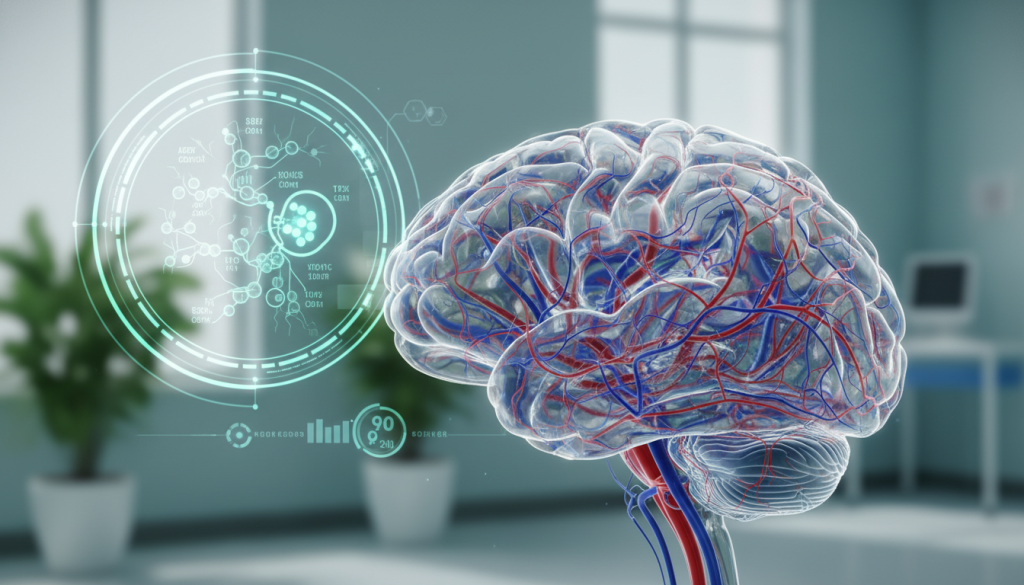
Understanding Cerebrovascular Disease is key to your long-term health. It’s a group of disorders that harm the blood vessels leading to the brain. This can make it hard for the brain to work well.
We think knowledge is the best tool for getting better and staying healthy. By knowing how these vascular problems affect your brain, you can make smart choices. These choices help protect your cerebrovascular health for the future.
At Acıbadem Healthcare Group, we aim to give top-notch medical education. We want to give you a reassuring foundation if you’re dealing with this diagnosis. To improve your cerebrovascular health, start with clear, expert advice. This advice will help you manage this complex disease with confidence and clarity.
Key Takeaways
- Cerebrovascular conditions involve blood vessels that supply the brain.
- Early awareness helps in maintaining long-term brain function.
- Informed lifestyle choices significantly improve health outcomes.
- Our team provides expert support to guide your recovery journey.
- Education is the foundation of effective patient care.
Understanding the Scope of Cerebrovascular Disease
A cerebrovascular disorder is more than one condition. It’s a wide range of health challenges. These issues affect how blood flows to and in the brain. By seeing the bigger picture, we can help patients recover and prevent future problems.
These conditions are not isolated events. They are often ongoing physiological processes that develop over time. This understanding helps us see that brain health is not just about sudden events.
The spectrum of a cerebrovascular disorder includes everything from small, silent changes to life-threatening emergencies. Some people may have minor blockages for years without noticing. Others might face urgent situations that need quick action to protect their brain.
We categorize these disorders to make the complex terms clearer. This understanding helps us talk better with our patients. It lets them take charge of their long-term health management.
Identifying the specific type of cerebrovascular disorder is key to effective care. We aim to guide you through these definitions with clarity and compassion. Our goal is to make sure you feel informed and supported throughout your health journey.
Anatomy and Physiology of Cerebral Circulation
To keep the brain healthy, we need to understand its complex system. The brain is a high-demand organ that needs a constant flow of oxygen and nutrients. This process, called cerebral circulation, makes sure our brain tissues get what they need every second.
The brain blood vessels are incredibly complex and organized. Major arteries like the internal carotids and vertebral arteries carry fresh, oxygenated blood to the brain. Inside, they branch out into a detailed web that covers every part of the brain.
Our bodies have a special ability to keep blood flow steady, even when blood pressure changes. This is called autoregulation. It helps protect the brain from damage caused by sudden changes in pressure.
Knowing how these pathways work is essential. When brain blood vessels get blocked or burst, blood flow stops. This shows why keeping our vascular health in check is so important for our long-term well-being.
Primary Types of Cerebrovascular Disease
We break down Cerebrovascular Disease into main types to help you understand. Each type has its own traits that affect how we treat you. Knowing these differences is key to managing your health well.
It’s vital for your doctors to know which cerebrovascular disorder you have. These diseases usually fall into two groups: blood vessel narrowing and structural weaknesses. This knowledge helps us create a treatment plan just for you.
When blood vessels narrow, it can cut off blood flow to the brain. This means brain tissue might not get enough oxygen. On the other hand, structural weaknesses can cause a vessel to burst, leading to bleeding in the brain. Both need quick medical care to avoid serious harm.
The table below shows the main differences between these Cerebrovascular Disease types. This info helps you understand your cerebrovascular disorder better. It makes you feel more in control of your health journey.
| Condition Type | Primary Mechanism | Clinical Impact |
|---|---|---|
| Ischemic Stroke | Blockage of blood flow | Tissue oxygen deprivation |
| Hemorrhagic Stroke | Vessel wall rupture | Bleeding into brain tissue |
| Transient Ischemic Attack | Temporary blockage | Brief, reversible symptoms |
| Aneurysm | Structural wall weakness | Risk of sudden rupture |
Risk Factors and Predisposing Conditions
We believe that knowledge is the most powerful tool for managing your health. Understanding the factors that affect your health helps protect your brain. Identifying these risks is the first step in our journey to better health.
Risk factors fall into two categories: those we can change and those we can’t. Non-modifiable risks like age, genetics, and family history set the baseline for your health. Knowing these helps us tailor your care plan to be more vigilant and proactive.
Modifiable risks are areas where your choices and medical management make a big difference. Chronic conditions like hypertension and diabetes can silently damage your brain’s blood vessels. This damage can lead to cognitive decline and vascular dementia, where brain function is impaired due to reduced blood flow.
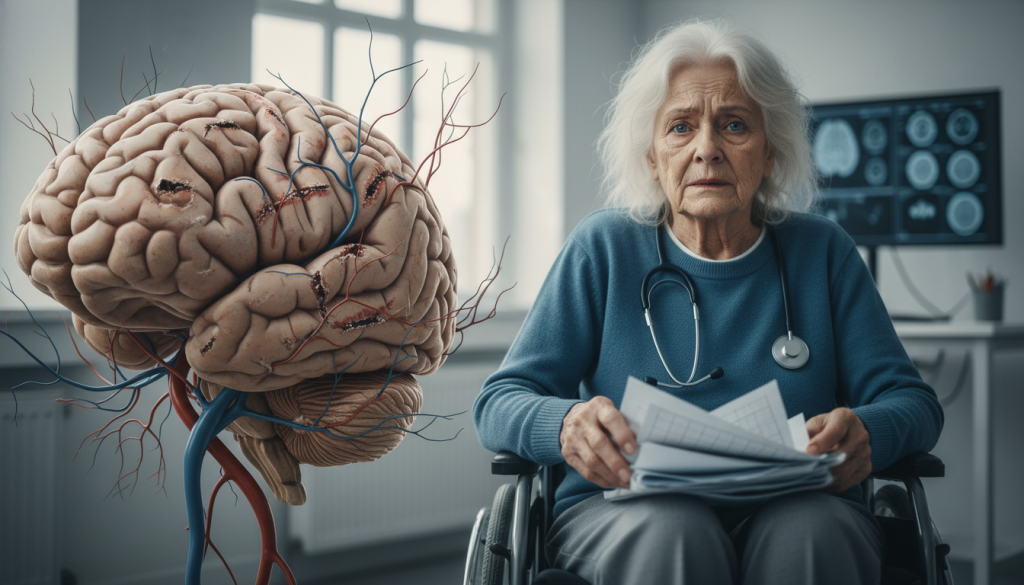
Managing these conditions is key to keeping your circulation healthy. We see your health profile as a dynamic document that we update and refine at every visit. Keeping blood pressure and blood sugar in target ranges lowers your risk of complications.
| Risk Category | Examples | Management Strategy |
|---|---|---|
| Lifestyle | Smoking, Sedentary habits | Smoking cessation, Regular exercise |
| Metabolic | Hypertension, Diabetes | Medication adherence, Diet control |
| Biological | Age, Genetics | Regular screening, Early detection |
Taking control of your health requires consistent effort and clear communication. Whether it’s managing high blood pressure or monitoring vascular dementia, we support your goals. Empowerment through education is our primary mission as we guide you on your healthcare journey.
Clinical Manifestations and Symptom Recognition
Knowing the early signs of cerebrovascular issues can save lives. When symptoms show up suddenly, time is critical for brain health. Being quick to act often leads to better medical results.
A transient ischemic attack, or “warning stroke,” is key to watch for. It happens when blood flow to the brain is briefly cut off. Though symptoms may go away, it’s a sign of a possible bigger problem.
Use the FAST guideline to spot emergencies. FAST stands for Facial drooping, Arm weakness, Speech difficulties, and Time to call emergency services. If you see these signs, act fast.
Other signs include sudden confusion, trouble seeing, or a severe headache. Even if these seem minor, they need quick medical check-ups. A transient ischemic attack is a serious emergency that needs fast action to avoid lasting harm.
| Symptom Category | Common Manifestation | Clinical Significance |
|---|---|---|
| Motor Function | Sudden arm or leg weakness | Potential localized ischemia |
| Communication | Slurred or garbled speech | Neurological deficit indicator |
| Sensory/Vision | Blurred or loss of vision | Transient ischemic attack sign |
| Cognitive | Sudden confusion or dizziness | Urgent brain health alert |
Diagnostic Approaches and Imaging Modalities
We use advanced tools to study your brain blood vessels. These tools help us find blockages or weak spots. This lets us make a care plan just for you.
Checking how well your cerebral circulation works is key. We start with non-invasive tests that show detailed images. These scans show how blood moves through your brain and if any areas are at risk.
Medical tests can seem scary, but we make sure you know what’s happening. Our team will explain every step, from simple scans to more complex tests. We think knowing what’s going on helps you feel more in control of your health.
| Imaging Modality | Primary Purpose | Focus Area |
|---|---|---|
| CT Angiography | Rapid visualization of brain blood vessels | Acute vascular assessment |
| MRI/MRA | Detailed soft tissue and vessel mapping | Cerebral circulation health |
| Carotid Ultrasound | Evaluating blood flow in neck arteries | Vascular blockage detection |
Each tool has its own role in checking your vascular health. By using all these technologies together, we get a full picture of your body. This data-driven approach helps us give you the most accurate diagnosis for your health.
Acute Management of Ischemic Events
When a stroke happens, every second is key to save brain tissue. The first hours after a stroke are the most important for the patient’s outcome. Our main goal is to keep the patient stable and get blood flowing again quickly to avoid lasting damage.
An ischemic stroke is caused by a blockage in a blood vessel. Time is very important here. Doctors use clot-dissolving medicines, like tissue plasminogen activator (tPA), to dissolve the blockage. This life-saving intervention works best if given very quickly after symptoms start.
A hemorrhagic stroke needs a different approach. It’s caused by bleeding in the brain. We focus on stopping the bleeding and lowering pressure in the skull. We aim to keep the brain safe during this critical time.
The table below shows the main differences in treating these two types of strokes:
| Feature | Ischemic Stroke | Hemorrhagic Stroke |
|---|---|---|
| Primary Cause | Blood clot blockage | Ruptured blood vessel |
| Main Goal | Restore blood flow | Stop the bleeding |
| Common Treatment | Clot-busting medication | Blood pressure management |
| Urgency Level | Extremely high | Extremely high |
We think it’s important for emergency teams and the patient’s family to talk clearly during these moments. By working together, we make sure each patient gets the best care for their needs. Our goal is to offer expert, compassionate support during the whole treatment phase.
Surgical and Interventional Treatment Options
For many patients, surgery is a key step in managing severe brain issues. When usual treatments don’t work, our experts use advanced methods to fix blood flow or stabilize damaged vessels. These steps aim to bring long-term stability and better results for those facing tough vascular problems.
In ischemic stroke cases, where a blood clot blocks an artery, we often do a mechanical thrombectomy. This procedure lets our team remove the clot using special catheters. This quick action is key for saving brain tissue and avoiding lasting harm.
For hemorrhagic stroke, where there’s bleeding in the brain, stopping the bleed and easing pressure is the main goal. Surgeons might use microsurgical clipping to seal off an aneurysm or endovascular coiling to block blood flow to the weak spot. These precise methods greatly lower the chance of more bleeding and help with healing.
| Procedure Type | Primary Goal | Recovery Focus |
|---|---|---|
| Mechanical Thrombectomy | Remove clot | Restoring blood flow |
| Aneurysm Clipping | Seal vessel | Preventing rupture |
| Endovascular Coiling | Block aneurysm | Vessel stabilization |
We think informed patients are more active in their recovery. Knowing the benefits and what to consider helps you and your family make good choices with our medical team. Your peace of mind is our top concern as we aim for the best health and stability path together.
Long-Term Pharmacological Interventions
We believe that consistent pharmacological support is key to preventing future complications. Medications act as a shield for your brain and heart. By sticking to a treatment plan, you lower the risk of damage to blood vessels.
Our main goal is to stop vascular dementia from getting worse. This condition happens when blood flow to the brain is cut off. We use therapies to keep your brain working well and your life quality high.
Medicines help by keeping blood pressure stable and stopping clots. Antihypertensives keep blood pressure healthy, easing strain on arteries. Antiplatelet agents or anticoagulants make sure blood flows well, avoiding blockages that could cause a stroke.
It’s vital to take your medication every day. Missing doses can cause blood pressure or clotting issues. These problems may raise the risk of vascular dementia. We see your medication as a cornerstone of your ongoing recovery and care plan.
| Medication Class | Primary Function | Benefit to Patient |
|---|---|---|
| Antihypertensives | Lowers blood pressure | Reduces strain on vessels |
| Antiplatelets | Prevents clot formation | Lowers stroke risk |
| Statins | Manages cholesterol | Stabilizes arterial plaque |
| Anticoagulants | Thins the blood | Prevents deep vein clots |
Rehabilitation and Recovery Strategies
The brain is amazing at adapting, which is key in our recovery programs. We see recovery as a collaborative process involving patients, families, and medical teams. Together, we aim to help people reach their highest level of independence after a transient ischemic attack.
Structured rehabilitation programs are vital for the best results. They are customized for each patient, focusing on strength, coordination, and clear thinking. Early intervention often leads to the biggest improvements in life quality.
Physical therapy is key in rebuilding motor skills and balance. Our therapists help patients with exercises to boost mobility and prevent falls. Occupational therapy helps with daily skills like dressing, cooking, and going back to work.
Speech therapy is also critical for those with communication or swallowing issues. Even after a transient ischemic attack, some may notice changes in speech or thinking. Our specialists give the tools to overcome these challenges and regain confidence in talking and interacting.
We know recovery is not straightforward but a journey of resilience and persistence. Our multidisciplinary approach ensures all aspects of health are covered. We’re committed to providing a supportive path to help you regain your daily activities and well-being.
Lifestyle Modifications for Stroke Prevention
Effective stroke prevention starts with simple, daily habits. Small, consistent changes can greatly improve your vascular health. By making manageable adjustments, you can lower your risk factors and enhance your life quality.
Eating a heart-healthy diet is key. Focus on whole grains, lean proteins, and colorful fruits and veggies. Cutting down on sodium and sugars helps keep your blood pressure healthy, which is essential for your arteries.
Regular exercise is also vital for cerebrovascular health. You don’t need to run marathons to benefit; a brisk walk daily can help. Find activities you love, as being consistent is more important than how hard you do it.
Managing stress and getting enough sleep are also important. Stress can harm your heart, while good sleep helps your brain heal. These habits together build a strong defense against health issues.
Our team is here to help you adopt these healthy changes. We know building new habits takes time and patience. Every step toward stroke prevention is a step toward a longer, healthier life.
Emerging Research and Future Directions
We are in a new era for treating complex vascular conditions. Continuous medical innovation is leading to new ways to protect the brain and help after vascular events. These breakthroughs give renewed hope to patients and their families for a brighter neurology future.
Research now focuses on artificial intelligence and advanced robotics. These tools help with more precise surgeries and quicker diagnosis. They allow us to tailor treatments to each person’s needs, moving away from a one-size-fits-all approach.
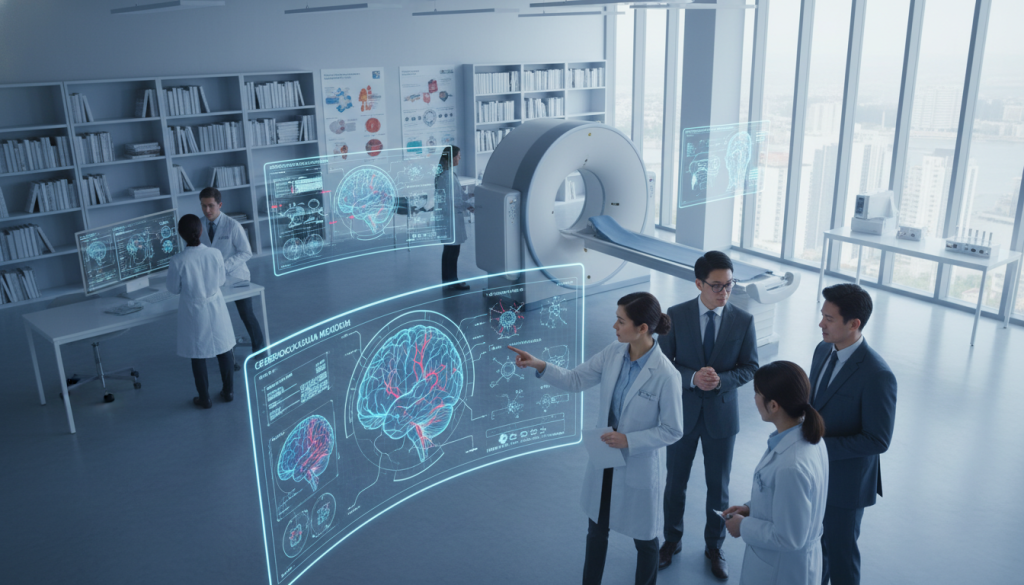
Neuro-regeneration and stem cell therapies are also exciting areas. Scientists are working on repairing damaged brain tissue, once thought impossible. These advances are a big step forward in managing long-term recovery and improving patients’ quality of life.
We are committed to leading in these advancements. By joining global clinical trials and research, we make sure our patients get the latest cutting-edge therapies. Our aim is to turn complex lab findings into practical, life-saving treatments for our patients.
| Technology | Primary Benefit | Clinical Impact |
|---|---|---|
| Artificial Intelligence | Rapid Image Analysis | Faster Treatment Decisions |
| Robotic Surgery | Enhanced Precision | Reduced Recovery Time |
| Stem Cell Therapy | Tissue Repair | Improved Long-term Function |
| Tele-Neurology | Remote Monitoring | Increased Care Accessibility |
The world of brain health is changing fast, and we’re proud to guide our patients through it. We believe informed care is key to recovery. As we explore these new areas, we’re committed to providing top-notch, compassionate, and evidence-based medicine.
Conclusion
Managing your long-term wellness starts with taking care of your heart and brain. It’s important to focus on daily habits that protect your brain and blood vessels. This is the first step in addressing Cerebrovascular Disease.
Education is your strongest ally in this journey. By making stroke prevention a priority, you lay a solid foundation for a healthy future. Even small changes in your routine can lead to big improvements in your life.
Acıbadem Healthcare Group is here to support you. Our team offers expert guidance and caring support. We help you make informed decisions about your health.
Knowing your body is the first step to better health. We invite you to talk to our specialists about your health needs. Start your journey to better health today by making informed choices.
FAQ
Q: What is the clinical definition of cerebrovascular disease?
A: Cerebrovascular disease affects the brain’s blood vessels and how they deliver oxygen. It can cause permanent brain damage if not treated early. At Acıbadem Healthcare Group, we aim to catch these issues early to protect your brain and body.
Q: How can I distinguish between an ischemic stroke and a hemorrhagic stroke?
A: An ischemic stroke happens when a blockage cuts off brain cells’ nutrients. A hemorrhagic stroke occurs when a blood vessel bursts, causing bleeding in or around the brain. Both need quick action to fix the brain’s blood flow.
Q: What is a transient ischemic attack, and why is it considered a warning?
A: A transient ischemic attack (TIA) is a short blockage of brain blood flow. It shows symptoms like a stroke but goes away without lasting damage. We see it as a big warning sign for a bigger problem. Spotting a TIA is key to preventing a worse stroke.
Q: Can a chronic cerebrovascular disorder lead to vascular dementia?
A: Yes. Vascular dementia is caused by small strokes or reduced blood flow to the brain. It damages the brain’s white matter, affecting memory and thinking. Managing your risk factors can help prevent dementia.
Q: What diagnostic tools are used to examine the brain blood vessels?
A: We use advanced imaging like Magnetic Resonance Angiography (MRA) and Computed Tomography (CT) scans. These tools help us see the brain’s blood vessels clearly. They help us find blockages or weaknesses that could harm blood flow.
Q: What are the primary risk factors for developing cerebrovascular issues?
A: High blood pressure, diabetes, high cholesterol, and smoking are major risks. These conditions can damage brain blood vessels. We help manage these with medicine and lifestyle changes to prevent strokes.
Q: How does Acıbadem Healthcare Group support recovery after a cerebrovascular event?
A: We take a holistic approach to recovery. After the initial treatment, we start intensive therapy. This includes physical, occupational, and speech therapy to help the brain heal and regain function.