

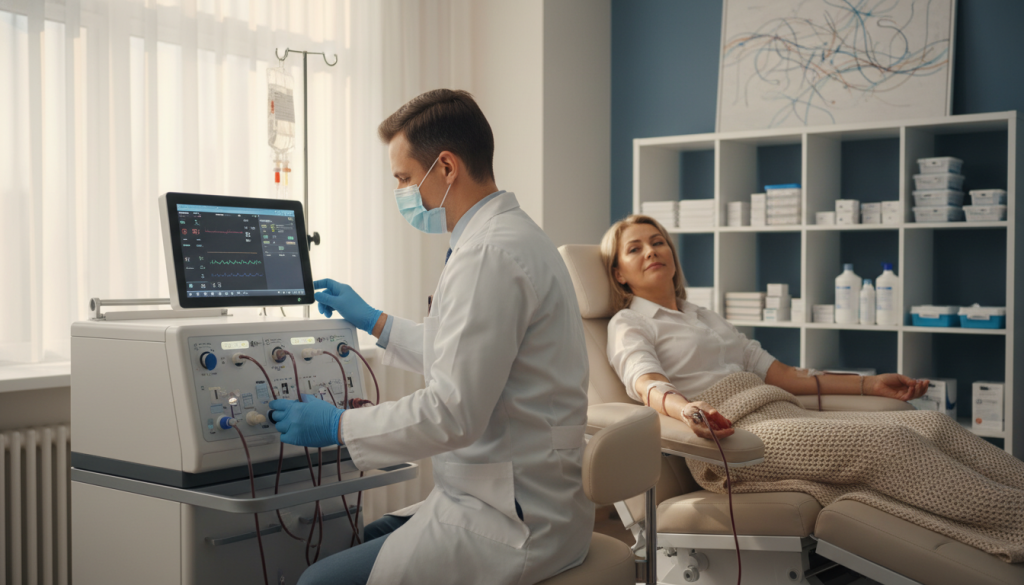
Modern medicine has advanced tools to help patients with complex health issues. Therapeutic Apheresis is a special process. It filters the blood to remove harmful parts that cause illness.
Medical teams separate blood into parts to target and remove harmful substances. This vital procedure helps balance the body. It lets the body recover better.
We think knowing about your medical care is key to healing. When you understand these treatments, you feel more in control of your health.
Our team is here to guide you clearly and with compassion. We see Therapeutic Apheresis as a step together towards better health and life quality.
Key Takeaways
- It is a medical process that filters blood to remove harmful elements.
- The procedure helps restore balance to your body’s internal systems.
- It serves as a critical tool for managing complex health challenges.
- Patient education is a core component of our care philosophy.
- We prioritize clear communication to support your treatment journey.
Understanding the Fundamentals of Therapeutic Apheresis
Therapeutic apheresis is a key treatment for people with serious immune system problems. It works like a filter for your blood. It takes out harmful substances that make you sick.
The first step is taking your blood through a clean tube. Then, it goes into a special machine. This machine sorts your blood into different parts. We make sure you’re comfortable and safe every step of the way.
The machine finds and removes the bad stuff. Then, it puts the clean blood back in you. This targeted purification treats the illness without surgery.
Knowing how therapeutic apheresis works helps you feel more in control. We want you to understand your treatment. This way, you can help yourself get better. We’re here to support and inform you every step of the way.
| Process Stage | Action Taken | Patient Benefit |
|---|---|---|
| Withdrawal | Blood is collected | Initiates the cleaning cycle |
| Separation | Components are isolated | Targets specific pathogens |
| Return | Purified blood is restored | Promotes systemic recovery |
The Physiological Mechanisms of Blood Purification
Therapeutic apheresis is a complex process aimed at balancing your body’s internal environment. It acts as a temporary filter for your blood. This way, we can remove harmful substances that upset your body’s balance.
Your body needs a balance of plasma, cells, and proteins to work right. Sometimes, too many antibodies or inflammatory proteins can upset this balance. We use advanced technology to carefully extract these harmful elements and return the good stuff to your blood.
This targeted method helps your body recover from the effects of toxins. We see this blood purification procedure as a way to reset your body’s balance. It’s a precise method that focuses on your long-term health and stability.
| Component Removed | Primary Function | Clinical Benefit |
|---|---|---|
| Pathogenic Antibodies | Immune response | Reduces autoimmune damage |
| Excessive Proteins | Blood viscosity | Improves circulation flow |
| Inflammatory Cytokines | Cell signaling | Decreases systemic inflammation |
| Lipid Particles | Metabolic transport | Supports cardiovascular health |
Understanding these mechanisms makes our treatments clearer. We believe knowing how we support your body makes you more confident in your healthcare journey. Our aim is to provide clarity as we work to boost your energy through these advanced medical techniques.
Clinical Indications for Therapeutic Apheresis
When usual medicines don’t work, doctors might use a blood purification procedure. This method removes harmful stuff from your blood. It helps when symptoms don’t get better with regular drugs.
This treatment is for people with tough autoimmune diseases or metabolic issues. It’s good for Guillain-Barré syndrome, myasthenia gravis, and some vasculitis types. Your health and comfort are our top priorities when deciding if this is right for you.
Doctors check if you’re a good fit for this blood purification procedure. They look at your medical history, lab results, and how bad your symptoms are. This makes sure the treatment is safe and works for you.
Working with your healthcare team is key. We want you to know why we suggest things. Knowing the reasons helps you feel more ready for your care plan.
Choosing a blood purification procedure is a big step in managing health issues. We’re here to help and support you. Together, we aim for the best for your health in the long run.
The Role of Plasma Exchange Therapy in Modern Medicine
In modern medicine, plasma exchange therapy stands out for its precision. It’s also known as plasmapheresis. This method is key for patients with severe health issues. It removes harmful substances from the blood, helping to reduce inflammation.
This therapy works by separating the plasma from the blood’s cells. The plasma, which contains harmful substances, is then replaced with a safe fluid. This meticulous process helps the body’s immune system recover without interference.
It’s different from general apheresis, which collects blood components for donation. Plasma exchange therapy is used to treat specific diseases. It filters the patient’s blood in real-time to remove harmful substances.
This technology has changed how we treat autoimmune and neurological diseases. It helps prevent organ damage and improves patient outcomes. This targeted approach is a key part of intensive care and specialized hematology units in the U.S.
| Procedure Type | Primary Goal | Targeted Substance |
|---|---|---|
| Plasma Exchange Therapy | Remove pathogenic plasma | Antibodies and toxins |
| Red Cell Exchange | Replace damaged cells | Sickled red blood cells |
| Leukapheresis | Reduce cell count | Excess white blood cells |
Research keeps showing the value of this therapy. It’s a reliable and effective solution for many patients. Our goal is to use these advanced tools to give the best care possible.
Managing Immune System Disorders Treatment Protocols
Therapeutic apheresis is key in treating immune system disorders by removing harmful blood components. It helps when the body attacks healthy tissue. Learning about this process empowers you in your recovery.
Myasthenia gravis and Guillain-Barré syndrome are caused by autoantibodies that harm nerves and muscles. Apheresis quickly reduces these harmful proteins in the blood. This strategic intervention stabilizes the immune system and stops symptoms from getting worse.
We aim to provide quick relief and prevent long-term issues in immune system disorders treatment. By removing inflammatory markers, we give the body time to heal. Patients often see a big improvement in strength and comfort after these sessions.
| Condition | Primary Target | Clinical Benefit |
|---|---|---|
| Myasthenia Gravis | Acetylcholine Receptor Antibodies | Improved Muscle Strength |
| Guillain-Barré Syndrome | Circulating Autoantibodies | Reduced Nerve Damage |
| Chronic Inflammatory Demyelinating Polyneuropathy | Inflammatory Proteins | Stabilized Immune Response |
We team up with experts to make sure each treatment plan fits the person’s needs. This teamwork makes sure your immune system disorders treatment is safe and works well. Your health and well-being are our top concern at every step.
Equipment and Technology Used in Apheresis Treatments
At the heart of successful apheresis treatments lies a sophisticated array of medical machinery designed for absolute precision. We use advanced technology to ensure every procedure meets the highest standards. By explaining these tools, we aim to give you confidence and clarity about your care.
The core of this process involves two primary methods for separating blood components: centrifugal and membrane-based systems. Centrifugal devices use rapid rotation to separate blood based on the density of its individual parts. In contrast, membrane-based systems use specialized filters to isolate specific components through size exclusion.
Safety is our highest priority when selecting equipment for these procedures. Every machine is equipped with integrated sensors that monitor flow rates and pressure in real-time. This constant oversight allows our clinical team to maintain a stable environment throughout the entire session.
We exclusively use sterile, single-use disposables for all apheresis treatments to prevent contamination and ensure patient safety. These kits include high-quality tubing and collection bags designed to handle blood components with care. By prioritizing these high-grade materials, we minimize risks and optimize the efficiency of the separation process.
| Feature | Centrifugal Separation | Membrane Separation |
|---|---|---|
| Primary Mechanism | Density-based rotation | Size-based filtration |
| Common Use | Cell collection | Plasma exchange |
| Precision Level | High | Very High |
Understanding the technology behind apheresis treatments helps bridge the gap between complex medical science and your personal health journey. We are committed to using the most reliable tools available to support your recovery. Our team is always here to answer any questions you may have about the equipment used in your care.
Patient Preparation and Pre-Procedure Assessment
We believe that thorough preparation is key for a safe blood purification procedure. We review your medical history and current health to tailor your treatment. This process helps us address any concerns early, making you feel confident and supported.
Our clinical team will do a detailed physical examination during your initial assessment. They check your vital signs and physical condition to make sure you’re ready. This step is vital for your safety and the success of the therapy.
Evaluating your vascular access is a critical part of this phase. We check if your veins are good for the blood purification procedure. Our specialists examine your access site to ensure it’s healthy and can handle the blood flow. This helps avoid complications and makes the process smoother.
We also do routine blood tests to get detailed information about your body. These tests help us understand your electrolyte levels, clotting factors, and more. With this data, we can tailor your care to be more effective and personalized.
| Assessment Step | Purpose | Patient Role |
|---|---|---|
| Medical History Review | Identify underlying conditions | Provide accurate health records |
| Vascular Access Check | Ensure safe blood flow | Report any site discomfort |
| Laboratory Blood Tests | Monitor internal markers | Follow fasting instructions |
We know medical environments can be overwhelming. Our goal is to reduce your anxiety by explaining everything clearly before you arrive. Your input is just as important as our clinical assessment. We encourage you to ask questions anytime. Together, we’ll make sure you’re ready and comfortable for your treatment.
Step-by-Step Execution of the Apheresis Procedure
We make sure you’re comfortable and safe during your blood purification session. Knowing how apheresis treatments work helps you feel more in control. It makes you feel like you’re part of your own care team.
The first step is putting in intravenous lines in both arms. Our expert nursing team makes sure they’re in the right place. Your comfort is our top priority during this part.
When the machine starts, your blood goes through a clean, single-use circuit. We keep an eye on your vital signs like blood pressure and heart rate. This lets us adjust things to keep you calm and safe.
The machine then takes out the parts of your blood we need to focus on. The rest of your blood and cells go back into your body. You might feel a bit cool or hear the machine’s quiet sound. This is all normal.
When it’s all done, we take out the IV lines and cover them with a sterile dressing. We make sure you’re okay before you leave. Breaking down apheresis treatments into steps makes your experience smoother and more manageable.
Common Complications and Safety Considerations
Therapeutic apheresis is safe and effective. We focus on your safety by managing side effects. If you have immune system disorders treatment, you might wonder about side effects. We tell you everything to make you feel safe and supported.
Electrolyte imbalances can happen when blood is outside the body. Our team watches your levels closely. We adjust fluids and rates to keep you stable and healthy.
Allergic reactions to fluids or anticoagulants are also watched. Our staff knows the first signs, like itching or flushing. We act fast to stop the procedure or give you medicine to feel better.
We think informed patients help their care team. Knowing your immune system disorders treatment goals makes you a key part of your care. Always tell your nurse if you feel anything unusual.
| Potential Complication | Common Symptoms | Proactive Management |
|---|---|---|
| Electrolyte Imbalance | Muscle tingling or cramps | Calcium supplementation |
| Allergic Reaction | Itching or skin rash | Antihistamines and monitoring |
| Hypotension | Dizziness or lightheadedness | Fluid volume adjustment |
| Citrate Toxicity | Numbness around the mouth | Adjusting infusion speed |
Post-Procedure Monitoring and Recovery
Even after the treatment is done, your journey to wellness is just starting. We care about your health and comfort long after you leave the clinic. Rest is essential right after your session to help your body adjust.
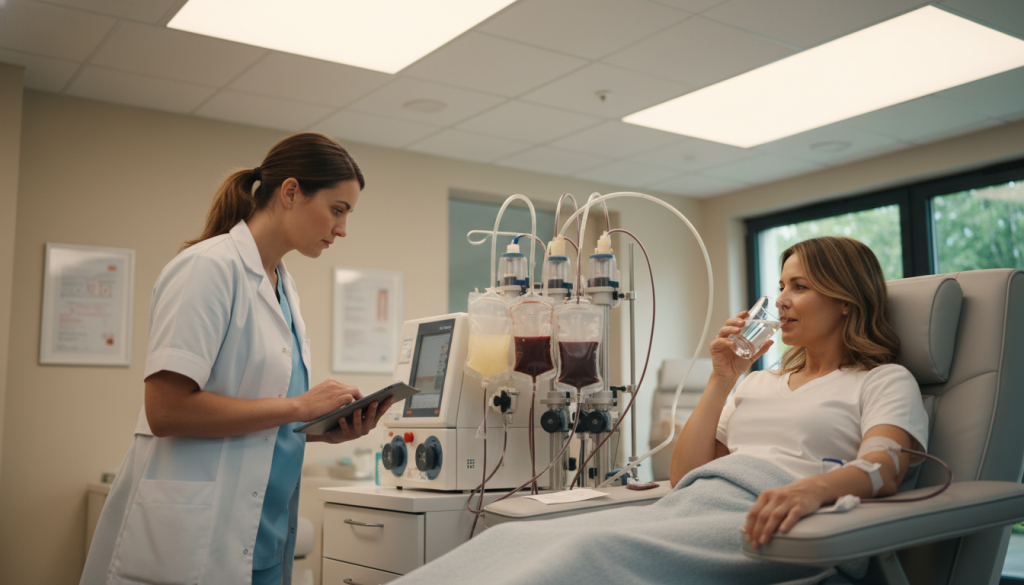
We will check your blood to see how your body is doing after the blood purification procedure. These tests help us make sure you’re getting the best results. Don’t miss any of your scheduled blood work appointments. They’re key to tracking your progress and adjusting your treatment if needed.
After you leave, pay attention to how you feel. Most people feel better quickly, but watch for signs like tiredness, dizziness, or pain at the access site. If you notice any lasting symptoms, contact your healthcare provider right away for advice.
We’ve put together a table to help you know what to expect during your recovery:
| Observation Area | Typical Experience | Action Required |
|---|---|---|
| Energy Levels | Mild fatigue is common | Rest and hydrate |
| Access Site | Minor tenderness | Keep clean and dry |
| Follow-up | Routine blood work | Attend all lab visits |
Our team is here to support and empower you every step of the way. If you have any questions about your blood purification procedure, don’t hesitate to reach out. Your health is our top priority, and we’re here to help you succeed.
Comparing Therapeutic Apheresis to Other Blood Purification Procedures
Understanding blood purification methods is key. Each procedure is tailored for different medical needs. It’s important to know your options well.
Hemodialysis is well-known for supporting kidney function. It removes waste and excess fluid. On the other hand, plasma exchange therapy targets harmful substances in your blood’s plasma.
The main difference is the procedure’s goal. Hemodialysis replaces organ function, while apheresis focuses on the immune system or removing pathogens. This makes plasma exchange therapy a precise tool for complex conditions.
| Procedure | Primary Goal | Target Component |
|---|---|---|
| Hemodialysis | Waste removal | Small molecules/Fluid |
| Plasma Exchange | Immune modulation | Plasma/Antibodies |
| Hemoperfusion | Toxin removal | Specific poisons |
Choosing the right method depends on your condition. We focus on precision medicine to match your body’s needs. Knowing these differences helps you feel more confident about your recovery path.
The Impact of Therapeutic Apheresis on Quality of Life
Living with a chronic condition can feel like a never-ending fight. But therapeutic apheresis offers a way to take back your life. It’s not just about test results; it’s about feeling alive and connected.
Our main goal is to help you overcome your diagnosis. This treatment removes harmful stuff from your blood. It helps you feel more energetic and comfortable.
Long-term, therapeutic apheresis can improve your daily life and independence. When your body isn’t fighting toxins, it can heal better. This lets you enjoy hobbies, work, and family time again.
Regular treatments lead to better health over time. We prevent sudden health issues that ruin your day. This gives you hope and clarity in your medical journey.
Our goal is to help you have a healthier future with our medical advice. We see therapeutic apheresis as a key to a better life. We’re here to support you every step of the way.
Pediatric Considerations in Apheresis Care
Pediatric patients need apheresis treatments made just for them. We know kids aren’t just small adults. Their bodies need a special touch to stay safe and work well. We adjust our care to fit their smaller blood volumes and unique needs.
Providing world-class care means we focus on making our youngest patients comfortable. We use special equipment that’s gentle on their bodies. This helps keep them stable and safe during treatment.
We also create a caring environment for kids and their families. We know hospitals can be scary. So, we talk clearly and show kindness. We involve parents in the care plan to make it a team effort.
We aim to be the best for every age, including kids. We keep learning and improving our care for them. Below, you’ll see how we treat kids differently than adults.
| Consideration | Pediatric Approach | Adult Approach |
|---|---|---|
| Blood Volume Management | Strict volume monitoring | Standard volume protocols |
| Equipment Settings | Low-flow, specialized tubing | Standard flow rates |
| Emotional Support | Family-centered, play-based | Direct patient communication |
| Vascular Access | Pediatric-sized catheters | Standard gauge access |
Our main goal is to give safe and effective care that meets each child’s needs. We use the latest tech and a caring approach. This makes our apheresis treatments a key part of helping kids get better.
Future Innovations and Research in Apheresis Technology
We are in a new era of medical science, where blood purification procedure is getting more precise. Research is moving towards selective filtration. It targets specific disease-causing parts while keeping healthy blood elements safe.
These new steps aim to make treatments faster, safer, and more effective for many health issues. Scientists are working to improve how blood interacts with filters. This reduces the stress on patients during treatment.
Our team is committed to leading in medical science. We believe these advanced technologies help us offer the highest standard of care. We’re excited for the future, knowing it will support your health with the latest technology.
The table below shows how we’re moving from old methods to new, advanced treatments:
| Feature | Traditional Apheresis | Next-Gen Technology |
|---|---|---|
| Selectivity | Broad spectrum removal | Targeted molecular capture |
| Procedure Time | Standard duration | Optimized, faster cycles |
| Safety Profile | High clinical safety | Enhanced biocompatibility |
| Blood Purification Procedure | General filtration | Precision-based purification |
Regulatory Standards and Quality Control in the United States
We follow strict quality control for every blood purification procedure in our facilities. These rules make sure our place meets top safety levels set by the government. This way, we ensure our patients get safe and reliable care.
The U.S. healthcare system has strict checks from groups like the Food and Drug Administration (FDA) and the AABB. They make sure all blood purification procedure equipment is checked often. We think this openness is key to trust and smart health choices.
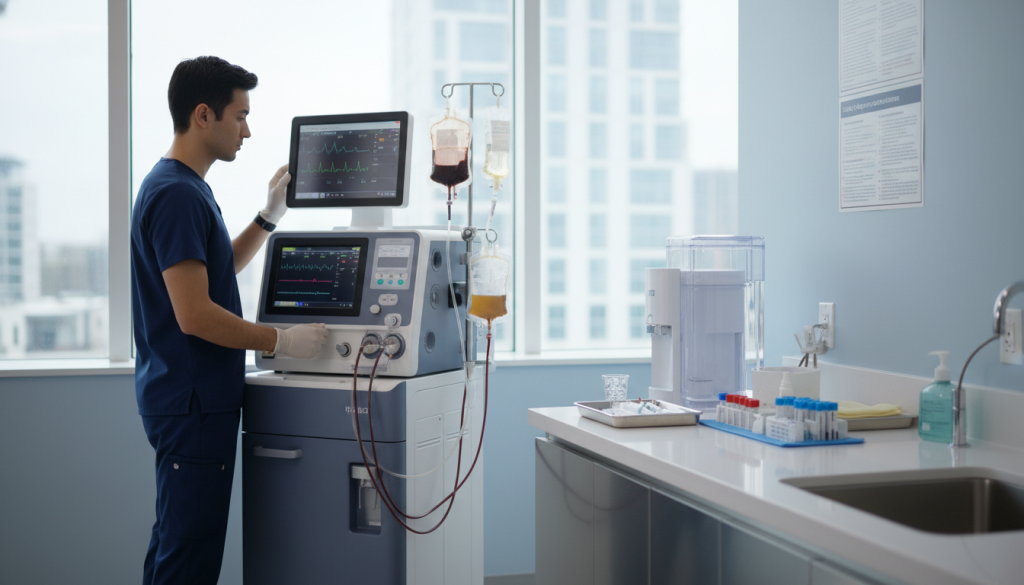
Our team gets ongoing training to keep up with safety rules. Every tech and nurse must show they can handle complex machines well. Patient safety is at the heart of what we do.
| Standard Category | Regulatory Focus | Patient Benefit |
|---|---|---|
| Equipment Safety | FDA Validation | Reliable Performance |
| Staff Training | Annual Certification | Expert Clinical Care |
| Process Control | AABB Guidelines | Reduced Risk Factors |
We focus a lot on meticulous documentation for each treatment step. This dedication to quality control means every blood purification is done with great care. By sticking to these national standards, we offer a safe place for patients needing advanced medical help.
Conclusion
Modern medicine uses advanced methods to fix imbalances in the body. Therapeutic Apheresis is key in this effort. It removes harmful stuff from blood to help patients get better.
We are committed to top-notch care through ongoing learning and skill. At Acıbadem Healthcare Group, we focus on you. We want to make sure you feel supported on your way to getting better.
It’s important to understand your treatment plan. Learning about Therapeutic Apheresis and how it helps you is a big step. It can make a big difference in your health.
Our experts are here to answer your questions and guide you. Contact our clinical team to talk about your options. We’re honored to be your health partners, working towards your long-term wellbeing.
FAQ
Q: What is Therapeutic Apheresis and how does it work?
A: Therapeutic Apheresis is a medical treatment that filters the blood. It removes harmful parts. At Acıbadem Healthcare Group, we use it to help your body get back in balance.
We take your blood, process it, and then return it to you. This helps your body heal.
Q: What are the primary goals of a blood purification procedure?
A: The main goal is to remove harmful substances from your blood. This includes toxins and waste. It helps your body heal and stay healthy.
Q: Which medical conditions are typically treated with these therapies?
A: We treat many conditions with these therapies. This includes autoimmune diseases and metabolic disorders. Our team decides if you need this treatment based on your health.
Q: How does plasma exchange therapy differ from other apheresis methods?
A: Plasma exchange therapy, or plasmapheresis, removes the liquid part of your blood. It’s great for removing toxins. It’s different from treatments that remove cells.
Q: How do you use this technology for immune system disorders treatment?
A: For immune system disorders, we use apheresis to remove harmful antibodies. This helps control your immune system. It relieves symptoms quickly.
Q: What kind of technology and equipment is involved in the treatment?
A: We use advanced machines for the treatment. These machines are very precise. At Acıbadem Healthcare Group, we focus on your safety and the quality of our equipment.
Q: How should I prepare for my blood purification session?
A: We’ll review your medical history and do some tests. We want to make sure you’re ready. We aim to make you feel comfortable and informed before the treatment.
Q: What happens during the step-by-step execution of the procedure?
A: The procedure starts with intravenous lines. Then, you’re connected to the machine. We watch your vital signs and comfort during the treatment.
We make sure the process is smooth and comfortable for you.
Q: Are there common complications or safety risks I should know about?
A: Apheresis is usually safe, but some people might have side effects. We watch for these and act fast to keep you safe.
Q: What does the recovery and post-procedure monitoring involve?
A: After the treatment, rest is important. We also check your blood to see how you’re doing. We give you advice on how to care for yourself after.
Q: How does Therapeutic Apheresis compare to hemodialysis?
A: Both treatments clean the blood, but they have different goals. Hemodialysis is for kidney failure. Therapeutic Apheresis targets specific proteins or cells. We choose the best treatment for you.
Q: Can these treatments improve my long-term quality of life?
A: Yes, many people feel better and more energetic after treatment. These treatments can help manage chronic conditions. This improves your daily life and overall well-being.
Q: Are there special considerations for pediatric apheresis care?
A: Yes, we have special care for kids. We use special equipment and a gentle approach. At Acıbadem Healthcare Group, we create a supportive environment for children and their families.
Q: What does the future hold for innovations in apheresis technology?
A: Research is looking into new ways to filter blood and make treatments faster and safer. We stay updated with the latest technology to help your treatment.
Q: How are regulatory standards maintained for these procedures?
A: In the United States, these treatments follow strict rules. These rules ensure your safety and the quality of care. We meet these high standards to provide reliable care.