

Every year, about 150 million people worldwide deal with Urinary Infections. This issue affects people from all backgrounds, making daily life hard.
When health problems show up, it can be tough to know what to do. We want to give you clear, evidence-based guidance. This helps you know when you need to see a doctor.
We make hard medical ideas easy to get. Our goal is to help you make smart choices about your health. We’re here to support you on your path to feeling better with clear info on Urinary Tract Infections.
Key Takeaways
- These conditions affect roughly 150 million people annually worldwide.
- Recognizing early symptoms is vital for effective and timely treatment.
- We simplify complex medical concepts to help you understand your body better.
- Our expert guidance empowers you to make confident healthcare decisions.
- Prioritizing your health starts with reliable and accessible medical knowledge.
Understanding the Anatomy of Urinary Infections
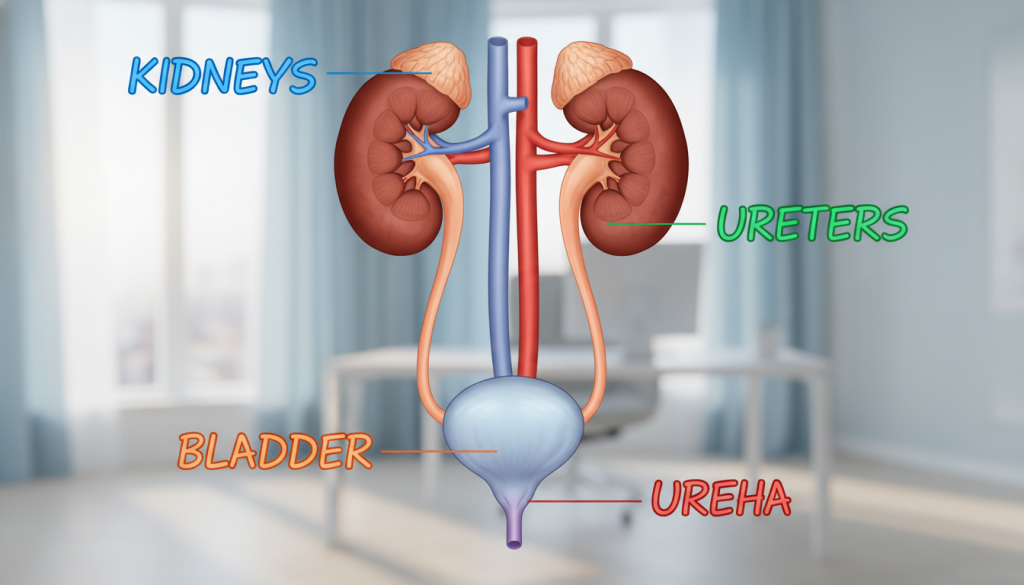
To understand urinary infections, we need to know about the human urinary system. It includes the kidneys, ureters, bladder, and urethra. Each part is essential for filtering waste and removing it from the body.
The kidneys filter waste first. The ureters carry urine to the bladder. The bladder stores urine until it’s time to go. Knowing this helps us see how bacteria can enter and cause problems.
Why some people get bladder infections more often than others is linked to anatomy. In women, the urethra is shorter than in men. This makes it easier for bacteria to get into the bladder.
When bacteria reach the bladder, they can grow and cause inflammation. This is why women are more likely to get urinary infections. Understanding this helps us see why good hygiene and health habits are key to preventing bladder infections.
Common Types of Urinary Tract Infections
Urinary Tract Infections affect different parts of the urinary system. They are categorized by their location. This helps us find the best way to treat them.
We split these infections into two main types: lower and upper tract. Knowing where the infection is is crucial for your health.
Bladder infections, or cystitis, are the most common UTI. Bacteria cause inflammation in the bladder. This leads to pain when you urinate.
Kidney infections, or pyelonephritis, are more serious. Bacteria move up to the kidneys. This needs quick medical help to avoid damage.
| Infection Type | Primary Location | Severity Level |
|---|---|---|
| Cystitis | Bladder | Moderate |
| Pyelonephritis | Kidneys | High |
| Urethritis | Urethra | Mild |
Knowing the difference helps you understand your symptoms. Whether it’s a bladder infection or a kidney infection, getting the right care is key.
Primary UTI Causes and Risk Factors
UTIs often start from simple biological interactions. Bacteria from the gut can travel to the urethra and enter the urinary system. Once there, they multiply, causing pain and discomfort.
Escherichia coli, or E. coli, is behind most UTIs. It’s a common gut bacterium but becomes a problem when it moves to the wrong places. Knowing how it moves helps prevent UTIs.
Several factors can make you more likely to get a UTI. Women, with their shorter urethras, are more at risk. Lifestyle choices and hygiene habits also play a big role.
We’ve listed common risk factors to help you spot them in your life. By knowing these, you can take steps to keep yourself healthy.
| Risk Factor Category | Specific Trigger | Impact Level |
|---|---|---|
| Anatomical | Shorter Urethral Length | High |
| Hygiene Habits | Improper Wiping Techniques | Moderate |
| Lifestyle | Dehydration | Moderate |
| Medical | History of Prior UTI | High |
Drinking enough water and keeping clean are key to lowering your UTI risk. If you keep feeling pain, see a doctor to find and treat the cause. We’re here to help you on your path to better urinary health.
Recognizing Typical UTI Symptoms
Knowing the common signs of a UTI is key to getting better. When you recognize these signs, you can get help sooner.
Most people notice a few key UTI symptoms quickly. A big one is feeling like you need to pee all the time, even when you’ve just gone. You might also feel a sharp, burning feeling when you pee, which means your bladder is inflamed.
Looking at your urine can also tell you a lot. If it’s cloudy, milky, or has blood in it, it could mean you have a UTI. Also, if your urine smells really bad, it’s a sign you need to see a doctor.
It’s important to note these changes so you can tell your doctor about them. Telling your doctor exactly what you’re experiencing helps them figure out what’s wrong and how to fix it fast.
| Symptom Category | Clinical Description | Patient Experience |
|---|---|---|
| Urination Urgency | Frequent bladder contractions | Constant need to go |
| Dysuria | Burning during voiding | Sharp pain or sting |
| Urine Quality | Cloudy or foul-smelling | Visible change in appearance |
| Systemic Signs | Mild pelvic discomfort | Pressure in lower abdomen |
Diagnostic Procedures for Urinary Infections
Learning about how we diagnose urinary infections can make your visit less stressful. At our facility, we focus on accurate testing to meet your health needs. We aim to guide you toward recovery with precise medical checks.
The urinalysis is a common test we use. It looks for white blood cells, red blood cells, or bacteria in your urine. These signs help us confirm if you have an infection.
For recurring or complex infections, we might do a urine culture. This test is key to finding the bacteria causing your symptoms. Knowing the exact bacteria helps us choose the right antibiotic for you.
Our diagnostic tools are key to our approach. They help us create a targeted treatment plan just for you. We believe informed patients can help in their own healing.
Standard Medical UTI Treatment Protocols
Dealing with a urinary tract infection needs a clear medical plan. Your doctor will first check for bacteria before starting treatment. Antibiotics are key to fight off the bacteria causing your pain.
It’s very important to take all your medicine as told. Stopping early can let bacteria come back. Not finishing your antibiotics also makes future infections harder to treat.
The type of medicine and how long you take it depends on the infection. Simple bladder infections usually get treated with short antibiotics. But, kidney infections might need longer treatment or even IV antibiotics.
| Infection Type | Primary Treatment | Typical Duration | Clinical Focus |
|---|---|---|---|
| Uncomplicated Bladder Infections | Oral Antibiotics | 3 to 5 Days | Symptom Relief |
| Recurrent Infections | Extended Antibiotics | 7 to 14 Days | Prevention |
| Severe Kidney Infections | IV or Oral Antibiotics | 10 to 21 Days | Systemic Clearance |
We urge you to follow your doctor’s advice closely. If symptoms or side effects don’t go away, contact your doctor right away. Your health and comfort are our top priority during your recovery.
Natural Approaches and Urinary Infections Home Remedies
Many people look for ways to feel better at home when they have Urinary Infections. It’s important to remember that these methods are meant to help, not replace, the treatment your doctor gives you.
Drinking more water is a great way to help your body fight off the infection. Water helps flush out bacteria from your urinary tract. This can make your symptoms less severe while you’re getting treated.
Cranberry products are also a common choice for Urinary Infections Home Remedies. Studies show that cranberries might stop bacteria from sticking to your bladder. This can be a good addition to your care plan.
When trying Urinary Infections Home Remedies, always think about your safety and health. If your symptoms get worse or don’t go away, call your doctor right away. Always talk to a doctor before trying home remedies to make sure they’re safe and effective.
Special Considerations for Vulnerable Populations
Understanding how different life stages affect infection risks is key. We know that pregnant individuals, the elderly, and those with chronic health conditions face UTI Symptoms differently. This is because their immune systems or body states are unique.
Early detection is vital for these groups to prevent complications. We focus on closer monitoring to keep them safe and healthy.

In elderly patients, signs of infection might be hidden or show up as confusion and fatigue. Spotting these UTI Symptoms needs careful watching and a tailored approach to testing.
Pregnant individuals need special care to protect both them and their baby. We suggest more frequent screenings, even for mild symptoms. This ensures infections are caught and treated safely and effectively.
We’re dedicated to inclusive and compassionate care for everyone. By adjusting our care plans, we make sure each patient gets the best support they need.
Preventing Recurrent Urinary Tract Infections
Dealing with repeated health issues can be tough. But, there are ways to take back control. If you have two or more Urinary Tract Infections in six months, we call it recurrent. Our main goal is to help you break this cycle for your long-term health.
Good UTI Prevention starts with knowing your body and daily habits. Making small, consistent changes can greatly reduce future infection risks. We help you create a plan that fits your life and medical history.
Staying hydrated is key to keeping your urinary system healthy. Drinking lots of water helps remove bacteria before they cause infections. Also, keeping good hygiene is important for a clean urinary tract.
We’ve outlined some key habits to help you stay well. These habits can make a big difference in your daily life.
| Habit Category | Recommended Action | Expected Benefit |
|---|---|---|
| Hydration | Increase daily water intake | Flushes bacteria effectively |
| Hygiene | Practice gentle cleansing | Reduces bacterial spread |
| Routine | Follow personalized plans | Ensures long-term stability |
We see UTI Prevention as a team effort. By watching your symptoms and sticking to a plan, you can avoid future Urinary Tract Infections. Your health is our priority, and we’re here to support you.
The Link Between Sexual Activity and UTIs
It’s important to know how sex can lead to urinary tract infections. Sex is natural, but it can push bacteria towards the urethra. This is a common way for a UTI to start in many people.
When you’re intimate, bacteria in the genital area can move closer to the urethra. The female urethra is short, so bacteria can easily get into the bladder. Inside, they can grow and cause an infection.
We suggest simple habits to keep you healthy. One key thing is to pee right after sex. This helps wash out bacteria before they cause an infection.
Talking to your doctor is also key. If you keep getting UTIs, tell your doctor. They can give you advice that fits your needs. We’re here to help you stay healthy together.
| Risk Factor | Impact Level | Prevention Strategy |
|---|---|---|
| Bacterial Transfer | High | Urinate after intimacy |
| Dehydration | Moderate | Increase water intake |
| Hygiene Practices | Moderate | Gentle cleansing |
| Irritants | Low | Avoid harsh soaps |
Knowing about these factors helps you take care of yourself. Remember, a UTI is something you can manage. Small changes in your daily life can greatly improve your comfort.
Myths and Misconceptions About Urinary Infections
We often hear wrong ideas about UTI causes that can cause worry or bad home treatments. With so much wrong advice online, it’s hard to know what’s true. This can make us feel lost.
One big myth is that urinary infections come from being dirty. But, even clean people can get them. This is because of things inside our bodies or changes in bacteria.
Another myth is that cold surfaces can cause infections. But, UTI causes are really about bacteria getting into our urinary tract. Not from being cold. We want you to know the truth, not old myths.
By clearing up these myths, we help you make smart choices based on science. Knowing the real facts about urinary infections lets you focus on real ways to prevent them. This way, you don’t worry about things that aren’t true.
| Common Myth | Scientific Reality | Impact on Health |
|---|---|---|
| Poor hygiene is the only cause | Bacteria migration is the primary driver | Reduces unnecessary shame |
| Cold weather causes infections | Temperature does not introduce bacteria | Clarifies environmental risks |
| UTIs are always contagious | They are not sexually transmitted diseases | Improves partner communication |
| Cranberry juice cures infections | It may help prevent, not treat | Encourages seeking medical care |
We suggest you trust doctors when you’re worried about UTI causes or feel uncomfortable. If you’re worried, talking to a healthcare expert is the best way to keep yourself safe.
When to Seek Emergency Medical Attention
Most urinary issues can be handled with basic care. But knowing when to seek emergency help is key for your safety. It’s important to recognize when a simple infection needs immediate medical attention. Ignoring symptoms can lead to serious problems, like Kidney Infections.
High fever, uncontrollable chills, or severe back or side pain are red flags. These signs mean the infection might have spread to the upper urinary tract. Prompt treatment is essential to protect your kidneys and prevent damage.
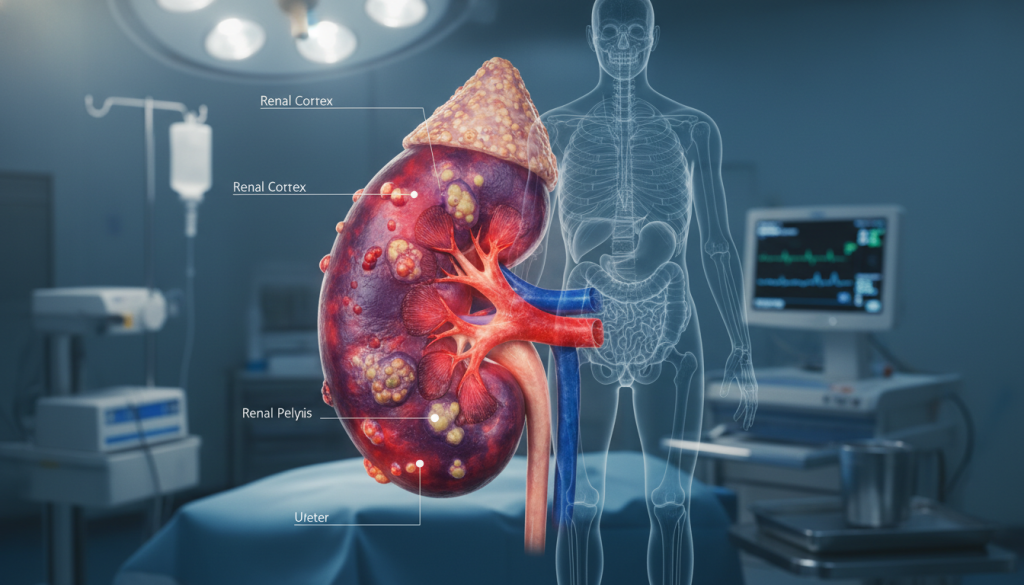
Other emergency signs include persistent vomiting, trouble keeping fluids down, or confusion. Feeling faint or a big drop in urine output also means it’s time to go to the emergency room. These signs suggest the infection might be spreading into the bloodstream, a medical emergency.
| Symptom Category | Standard UTI | Emergency Warning |
|---|---|---|
| Body Temperature | Normal or mild elevation | High fever over 102°F |
| Pain Location | Lower pelvic area | Severe flank or back pain |
| Systemic Health | Localized discomfort | Vomiting and confusion |
| Primary Risk | Bladder irritation | Kidney Infections |
We urge you to listen to your body. If your symptoms seem worse or more painful than usual, get checked out. Early intervention is the best way to manage risks and recover fully.
Conclusion
Understanding how your body works and reacts to infections is key to good health. We think knowing more helps you make better choices for your future health.
By focusing on UTI Prevention, you can live a healthier life and avoid future discomfort. Simple daily habits are the first step to a strong immune system and healthy urinary tract.
Looking into Urinary Infections Home Remedies can help you recover faster, along with your doctor’s advice. Acıbadem Healthcare Group is committed to helping you with expert care and guidance.
If you’re worried about your symptoms, please contact our specialists. Your health is our top priority. We’re here to help you with caring and proven medical solutions.
FAQ
Q: What are the most common types of Urinary Tract Infections?
A: Urinary Tract Infections (UTIs) are divided into types based on where they occur. Bladder Infections, or cystitis, affect the lower urinary tract and are common. Kidney Infections, or pyelonephritis, are more serious and affect the upper tract. They often need more treatment to avoid lasting damage.
Q: Why are women more susceptible to developing Urinary Infections?
A: Women are more likely to get UTIs because of their anatomy. Their urethra is shorter, making it easier for bacteria to reach the bladder. Also, the urethra is close to the rectum, making it easier for bacteria to enter. This is why we stress the importance of hygiene for UTI prevention in women.
Q: What are the primary UTI Causes that I should be aware of?
A: Most UTIs are caused by bacteria, with E. coli being the main culprit. Other causes include certain sexual activities, the use of diaphragms or spermicides, and health conditions like diabetes or kidney stones.
Q: How can I recognize common UTI Symptoms early on?
A: Spotting UTI symptoms early is key to quick recovery. Look for a strong urge to urinate, a burning feeling while urinating, and cloudy, red, or bright pink urine. Also, watch for urine that smells strongly and pelvic pain in the center.
Q: What is the gold standard for UTI Treatment?
A: At Acıbadem Healthcare Group, antibiotics are the top choice for UTI treatment. We use a urinalysis or urine culture to find the bacteria. Then, we give a targeted antibiotic treatment. It’s important to finish the whole treatment to clear the infection and prevent antibiotic resistance.
Q: Are there any effective Urinary Infections Home Remedies that actually work?
A: Home remedies can help, but they can’t replace antibiotics for bacterial infections. Drinking lots of water can help flush out bacteria. Some studies suggest cranberry products might help prevent bacteria from sticking to the bladder wall. But, they should be used as a preventive measure, not a cure.
Q: What defines recurrent Urinary Tract Infections and how can they be managed?
A: Recurrent UTIs are two or more infections in six months, or three in a year. Managing them requires a proactive approach, including lifestyle changes and sometimes long-term antibiotics. We work with our patients to create personalized prevention plans to stop the cycle of infection.
Q: Is there a direct link between sexual activity and the development of UTIs?
A: Yes, sexual activity can introduce bacteria into the urethra, increasing the risk of UTIs. To reduce this risk, urinating right after sex can help flush out bacteria. Talking openly with your healthcare provider about these factors helps us provide the best care.
Q: When do UTI Symptoms indicate a medical emergency?
A: Seek emergency care if you have symptoms of a kidney infection. Look for high fever, shaking chills, nausea, vomiting, and severe flank pain. At Acıbadem Healthcare Group, we treat these cases quickly to prevent sepsis, a life-threatening condition.
Q: How do you perform a diagnosis for Urinary Infections?
A: Our diagnosis starts with a urinalysis to check for white blood cells, red blood cells, or bacteria. For complex or recurring cases, we do a urine culture to identify the bacteria. This helps us tailor a precise treatment plan for you.