






Keeping your long-term oral health in check is key. When tooth decay starts, restorative procedures are a must to save your smile.
Dental Fillings are a cornerstone of dental care today. They stop cavities in their tracks, protecting your teeth and restoring their function.
We aim to give you the knowledge to feel confident about your dental care. Knowing how Dental Fillings work helps you make choices that keep your smile healthy and bright.
Key Takeaways
- Restorative care is essential for preventing structural tooth loss.
- Early detection of decay simplifies the treatment process significantly.
- Modern procedures are designed to be both durable and aesthetically pleasing.
- Consistent checkups help identify issues before they require complex intervention.
- Empowered patients are better equipped to maintain their overall wellness.
Understanding the Role of Dental Fillings in Oral Health
Dental fillings are a necessary shield for your teeth when enamel breaks down. They are not just a quick fix for cavities. They are a key part of keeping your mouth healthy for a long time.
By filling the space where decay was, we block bacteria and plaque. This stops them from getting into your tooth structure.
The main goal is to create a durable, airtight seal. After removing decay, the filling stops harmful substances from building up. This seal is key because it protects the inside of your tooth from infection or inflammation.
Early action in dental care is very important. Fixing small decay spots early keeps your teeth strong. This way, you avoid bigger problems and keep your smile healthy and strong.
The Science Behind Tooth Decay and Cavity Formation
Tooth decay starts when bacteria eat sugars and starches from our food. These bacteria make acids that stay on our teeth.
These acids cause demineralization. This is when the enamel, the outer layer of our teeth, loses minerals like calcium and phosphate. As enamel weakens, it becomes more open to damage.
If we don’t stop it, the tooth’s structure gets damaged. That’s why tooth cavity fillings are key. They remove the bad part and seal the tooth, stopping decay.
Tooth decay treatment is like a shield against infection. Early action stops decay before it hits the pulp, which has nerves and blood vessels. This saves the tooth from more serious problems later.
| Stage of Decay | Primary Characteristic | Recommended Action |
|---|---|---|
| Initial Demineralization | White spots on enamel | Fluoride therapy |
| Enamel Decay | Small surface holes | Tooth cavity fillings |
| Dentin Decay | Increased sensitivity | Advanced tooth decay treatment |
| Pulp Involvement | Severe pain or infection | Root canal therapy |
Knowing how decay works helps you protect your teeth. We think knowing is the best way to prevent problems. Spotting issues early keeps your smile healthy for a long time.
Common Symptoms Indicating You Need a Filling
Your teeth often send clear signals when they need professional attention. Recognizing these early warning signs can improve your treatment outcomes and ensure your long-term comfort. By paying close attention to your oral health, you can address issues with tooth cavity fillings before they get worse.
One of the most frequent indicators is localized sensitivity to hot or cold temperatures. If you feel a sharp, lingering twinge while drinking coffee or eating ice cream, it may suggest that the protective enamel has been compromised. This sensitivity often points to an area where decay has begun to weaken the tooth structure.
Persistent dull aches in a specific tooth are another common symptom that should not be ignored. While this pain might seem minor at first, it often indicates that the decay is deepening. Seeking professional advice for tooth cavity fillings at this stage helps prevent the discomfort from escalating into a severe toothache.
You should also look for visible changes on the surface of your teeth. Small dark spots, pits, or holes that appear on the chewing surfaces are clear signs of cavity formation. Sometimes, you might even feel a rough edge with your tongue where the tooth structure has started to break down.
We encourage you to schedule a dental examination if you notice any of these changes. Early detection allows us to provide tooth cavity fillings quickly, which is far less invasive than waiting for the decay to reach the inner pulp. Your proactive approach is the best way to maintain a healthy, pain-free smile for years to come.
Comprehensive Overview of Dental Fillings
We think choosing the right material for your dental restoration should be a team effort. Modern dental fillings are key in restorative care. They help bring back your teeth’s function and look.
Choosing the right tooth filling options depends on your dental needs and lifestyle. We make sure you understand how each material works with your teeth. This way, you get long-lasting protection against tooth decay.
Each material has its own benefits, based on where the cavity is and how big it is. We help you pick the best option, whether it’s for your back molars or front teeth.
The table below shows the main features of common dental materials. It helps you see your tooth filling options:
| Material Type | Primary Benefit | Best Use Case |
|---|---|---|
| Composite Resin | Aesthetic match | Visible front teeth |
| Amalgam | High durability | Large back cavities |
| Ceramic/Porcelain | Stain resistance | High-end restorations |
| Glass Ionomer | Fluoride release | Root surface decay |
The main goal of dental fillings is to fix your tooth and prevent future problems. We use our knowledge and focus on you to make your dental journey smooth, predictable, and successful.
Comparing Composite Fillings and Amalgam Fillings
Knowing the differences between restorative materials helps you choose wisely for your smile. When you need a cavity treatment, you might pick between amalgam fillings and composite fillings. Each has its own benefits based on your dental needs.
Amalgam fillings have been a mainstay in dentistry for years because of their strength. These silver-colored fillings are often used for back teeth, where chewing pressure is high. They are very durable and can last for many years under heavy use.
White fillings, or composite resin, are the modern choice for those who value looks. They are made to match your tooth color, making them almost invisible. They bond well to the tooth, needing less enamel removal during the process.
Choosing between these options depends on the cavity’s location and your goals. For visible areas, composite materials are often preferred. For molars under heavy grinding, your dentist might suggest traditional materials for their durability.
| Feature | Amalgam Fillings | Composite Fillings |
|---|---|---|
| Appearance | Silver/Metallic | Tooth-colored |
| Durability | Very High | High |
| Bonding | Mechanical retention | Chemical bonding |
| Best Use | Back molars | Front and back teeth |
Talk to your dentist about these points during your visit. By considering both aesthetic appeal and structural needs, you can choose the best option for your tooth’s health.
Alternative Tooth Filling Options for Modern Dentistry
Knowing your tooth filling options is important for your oral health. Modern dentistry offers new materials that are better than old ones. These new options let us choose the best treatment for you.
Porcelain inlays are a favorite for those who want their fillings to look natural. They are made to fit your tooth perfectly and last a long time. They are bonded to your tooth, making it strong again.
Glass ionomer cements are another big step forward. They release fluoride, which helps your tooth stay strong. They’re great for areas that are hard to keep dry or for people at risk of cavities.
These white fillings and composite fillings show how far restorative care has come. They look and work like your natural teeth. We want to give you the best options for your smile.
| Material Type | Primary Benefit | Best Use Case |
|---|---|---|
| Composite Fillings | Aesthetic match | Small to medium cavities |
| Porcelain Inlays | High durability | Large structural repairs |
| Glass Ionomer | Fluoride release | Root surface protection |
Choosing the right material depends on where the cavity is and your dental history. Talk to your dentist about these tooth filling options. We can keep your smile bright for years.
The Professional Procedure for Tooth Restoration
Learning about the tooth restoration process can make you feel more at ease about your dental visit. Knowing what to expect can help you feel more confident and calm.
First, we give you local anesthesia to keep you comfortable. We carefully numb the area so you won’t feel any pain. Then, we remove the decayed tissue.
We use precise methods to remove decay without harming your healthy tooth. This careful approach helps keep your tooth strong and functional for years.
Next, we clean the area and prepare it for the filling. We then shape the composite material to fit your tooth perfectly. This is important for your bite and comfort.
After that, we harden the material with a special light and polish it. This tooth restoration process is designed to be quick and gentle. We want you to leave with a healthy, restored smile and get back to your daily routine.
What to Expect During the Recovery Process
We want to help you feel confident after your dental restoration. Most people find the recovery easy and quick. Your mouth might feel a bit odd at first, but that’s normal.
When the numbness wears off, you might feel some sensitivity to hot or cold. This is common and usually goes away in a few days. Staying patient during this time helps a lot.
Managing any discomfort is usually easy. If you feel a bit sore, you can try over-the-counter pain relief. Avoid eating hard or chewy foods until the numbness is gone to prevent accidents.
After the numbness is gone, you can go back to eating as usual. But, be gentle with the treated area for the first day. Listening to your body will tell you when you’re ready for your usual diet.
| Recovery Phase | What to Expect | Recommended Action |
|---|---|---|
| Immediate (0-2 hours) | Numbness and tingling | Avoid eating to prevent injury |
| First 24 Hours | Mild sensitivity | Choose soft, room-temperature foods |
| Days 2-3 | Diminishing discomfort | Resume normal brushing and flossing |
| Beyond 1 Week | Full restoration comfort | Maintain standard oral hygiene |
If your bite feels off or if you’re feeling pain for more than a few days, contact us. We want your restoration to feel natural and comfortable. Your long-term oral health is our main concern at every step.
Long-Term Care and Maintenance for Your Fillings
After your treatment, it’s time to take care of your dental restoration. Modern materials are tough, but they need the same care as your natural teeth. Consistency is the secret to a healthy, long-lasting smile.
Keeping your teeth clean is key. Brush twice a day with fluoride toothpaste and floss once a day. This stops bacteria from hiding in your teeth.
Regular dental check-ups are also important. We check your filling’s edges to make sure it’s tight. Catching small problems early helps avoid big issues later.
Being proactive with your dental care makes your filling last longer. We’re here to help you avoid new cavities and keep your teeth healthy. Your commitment to these habits makes your smile investment worthwhile.
Signs That Your Filling May Need Replacement
It’s important to know when your filling might need to be replaced. Even the strongest amalgam fillings can wear out over time. It is perfectly normal for them to show signs of aging after many years.
Look out for cracks or chips in your filling. You might also see dark lines around the edges, known as marginal staining. These signs can mean bacteria are getting under the filling, causing more decay.
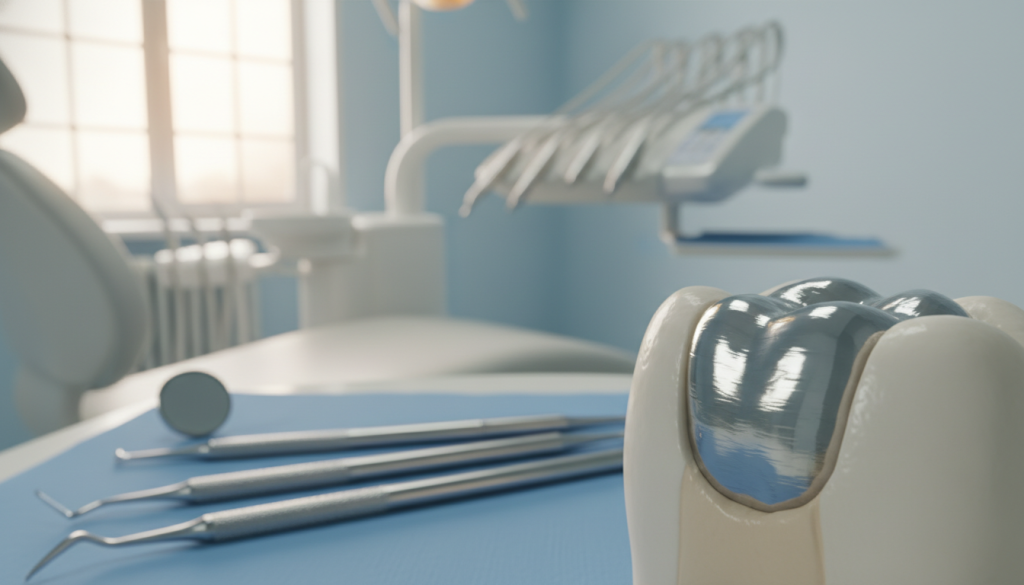
Be careful if your teeth are more sensitive to hot or cold. Sharp pain when biting could mean the filling is failing. Early intervention helps save your tooth from more harm.
| Indicator | Potential Issue | Recommended Action |
|---|---|---|
| Visible Cracks | Structural failure | Schedule a checkup |
| Marginal Staining | Leaking seal | Professional evaluation |
| Increased Sensitivity | Secondary decay | Consult your dentist |
Older amalgam fillings can expand and contract, weakening the tooth. Staying proactive with dental visits helps us catch problems early. This way, we can replace the filling before it causes more pain or bigger dental issues.
The Role of Dental Fillings in Preventing Further Decay
Dental fillings are key in fighting cavities early on. They act as a shield, keeping food and bacteria out. This stops decay before it harms the tooth’s inner layers.
Fillings do more than just fill a hole. They help keep your tooth’s shape right. This is important for a good bite and jaw comfort. It also stops stress on other teeth when you chew.
Getting a filling early is a smart move for your teeth. Without them, small cavities can grow big. This might lead to serious problems like root canals. Quick action keeps your mouth strong.
Fillings also stop infections from spreading. Bacteria in cavities can move to other teeth. This can start a chain of decay. Early treatment keeps your teeth safe and healthy.
| Benefit Category | Early Intervention | Delayed Treatment |
|---|---|---|
| Structural Integrity | High preservation | Risk of fracture |
| Infection Control | Localized sealing | Spread to neighbors |
| Treatment Cost | Cost-effective | High expense |
| Dental Fillings | Simple restoration | Complex procedures |
Choosing to fix cavities fast is good for your future. We make sure your dental fillings protect your smile for years. They keep your teeth healthy and strong.
Technological Advancements in Tooth Decay Treatment
Digital breakthroughs have changed the game for tooth decay treatment. We now use advanced tools to spot and fix cavities with unprecedented accuracy. This means we can save more of your natural tooth.
Laser dentistry is a big deal. It lets us remove decayed tissue precisely, without the usual drill noise. Many patients find this way much more comfortable. It makes your visit stress-free.
Digital imaging is key to our top-notch service. High-resolution scans give us a detailed look at your teeth. This helps us create tooth decay treatment plans that fit you perfectly. We can catch problems early, often before they get worse.
| Feature | Traditional Methods | Modern Technology |
|---|---|---|
| Precision | Standard | High-Definition |
| Patient Comfort | Moderate | Enhanced |
| Tissue Preservation | Minimal | Maximum |
| Treatment Speed | Average | Efficient |
Addressing Dental Anxiety During Filling Procedures
If the thought of getting a filling makes you uneasy, you’re not alone. Many people feel nervous at the dentist. Our team aims to make you feel calm and comfortable.
We think clear communication is key for a good dental visit. We explain every step before we start. Knowing what’s happening can make you feel more in control and less anxious.
Our clinicians use gentle techniques for filling teeth. We focus on your comfort with modern tools and anesthetics. We want your filling experience to be stress-free and supportive.
Feel free to share any worries with our staff before your visit. Your peace of mind is as important as your smile’s health. We’re here to make your care smooth and positive.
Cost Factors and Insurance Coverage for Restorations
We think it’s just as important to understand costs as it is to get quality dental care. Figuring out the costs of a tooth restoration can seem tough. But we’re here to make it easier for you.
Many things affect the final cost of your treatment. The size of the cavity and where it is can make a big difference. Also, the material used, like composite resin or porcelain, is a big factor in the cost.
Most dental insurance plans cover a tooth restoration to some extent. But how much they cover can vary. It’s best to check your policy to see how different materials are covered.
We’re here to help you make smart choices about your teeth. We give clear estimates so you can feel good about your tooth restoration journey. Contact our office to talk about your insurance and plan your care with confidence.
Choosing the Right Dentist for Your Restorative Needs
Choosing a dental partner should be easy and empowering. Finding the right dentist for your dental restoration is key to a successful treatment. When you trust your dentist, you’re more likely to get the smile you want.
Look for a dentist who is committed to clinical excellence. A good dentist uses the latest techniques and materials. They should be open about their experience and how they care for your teeth.
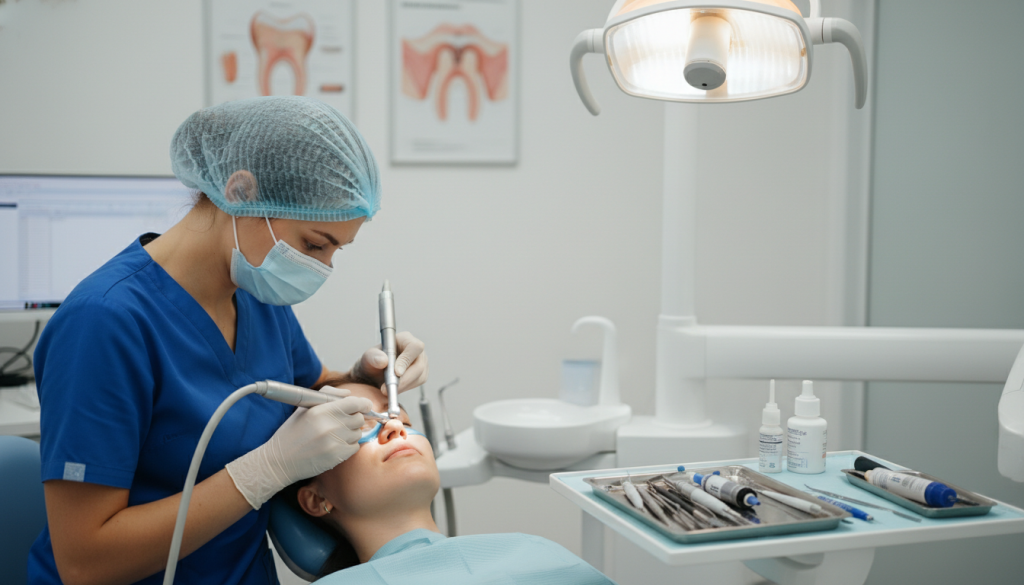
A patient-centered approach is important too. Your dentist should listen to you and explain everything about your dental restoration. They should also make sure you’re comfortable during your visit. You should feel like a partner in your healthcare, not just a number.
Also, choose a practice that values ongoing education and uses modern technology. Dentistry is always changing, and well-trained dentists can handle complex cases. Join our team, where your health and comfort are our top priorities for every dental restoration.
Conclusion
Dental fillings are key to keeping your teeth healthy and your smile bright. They help stop decay early, avoiding bigger problems later.
Make sure to visit Acıbadem Healthcare Group regularly for dental checks. This keeps your fillings working well for a long time.
Good oral care greatly improves your life. We’re committed to helping you achieve a confident smile with our expertise and care.
If you see any changes in your teeth, contact our team. We’re ready to help keep your teeth strong and healthy.
FAQ
Q: What are the primary benefits of receiving dental fillings?
A: At Acıbadem Healthcare Group, we use dental fillings to fix teeth damaged by decay. This tooth restoration process seals off the damaged area. It stops bacteria from reaching the sensitive pulp inside the tooth.
Q: How can I identify if I need tooth cavity fillings?
A: Signs you might need tooth cavity fillings include sensitivity to hot or cold, persistent aches, or dark spots on the enamel. Catching these signs early helps us treat tooth decay before it gets worse.
Q: What is the difference between composite fillings and amalgam fillings?
A: Amalgam fillings are made of metals and are very durable, great for molars. Composite fillings, or white fillings, are made of resin that matches your teeth. They offer a natural look and feel.
Q: Are there other tooth filling options available in modern dentistry?
A: Yes, we have advanced tooth filling options like porcelain inlays and glass ionomer cements. These materials can release fluoride, helping to strengthen your teeth and prevent decay.
Q: What should I expect during a tooth restoration procedure?
A: We make sure you’re comfortable during the dental restoration. We numb the area, remove decayed tissue, and then shape the filling material. We finish with a polish for a natural feel and perfect bite.
Q: Is the recovery process after receiving a dental restoration difficult?
A: Most people find recovery easy. You might feel some sensitivity as the anesthesia wears off, but it usually goes away quickly. We’ll guide you on managing any discomfort and when to eat normally again.
Q: How can I ensure the longevity of my white fillings?
A: To keep your white fillings in good shape, brush and floss daily. Regular check-ups at Acıbadem Healthcare Group are also key. They help us catch any new decay early.
Q: When should I consider the replacement of my old dental fillings?
A: Even the best amalgam fillings may need to be replaced if they crack, leak, or wear down. If a filling no longer seals properly, bacteria can get in and cause more decay. We use digital imaging to spot these problems early and recommend new fillings when needed.
Q: How does Acıbadem Healthcare Group manage dental anxiety during filling procedures?
A: We aim to make your visit as comfortable and stress-free as possible. We use gentle techniques and modern tooth decay treatment technologies. Our goal is to make your experience positive and painless.
Q: What factors influence the cost of a dental restoration?
A: The cost of a tooth restoration depends on the size and location of the cavity, and the materials used. Many insurance plans cover these procedures. Our team can help you understand your options and benefits.