


Millions of people in the United States deal with Heart Rhythm Disorders daily. These issues affect how your heart beats, causing feelings of fluttering or skipped beats.
Though these feelings can be scary, they are common. We manage them with expert care and modern technology. Knowing how your body works is the first step to feeling better.
We think knowing more about your heart health helps you make better choices. By understanding your body, you can take steps to stay healthy. We aim to help you through these challenges with clear, caring, and professional support.
Key Takeaways
- These conditions affect millions of Americans and involve irregular electrical signals.
- Recognizing symptoms early allows for more effective management and better outcomes.
- Proactive health monitoring helps you maintain control over your daily well-being.
- Modern medical advancements provide reliable ways to stabilize your pulse.
- We prioritize clear communication to help you feel confident in your treatment path.
Understanding Heart Rhythm Disorders
We often take our steady heartbeat for granted until it starts to feel off. Your heart has a natural pacemaker to keep it beating in sync. But when this fails, it leads to Heart Rhythm Disorders.
These conditions happen when the electrical signals that control your heartbeats don’t work right. Some irregular heartbeats are just minor and go away on their own. But others might mean a bigger problem that needs a doctor’s check-up.
Knowing when your pulse is off is key for watching your heart health. If you see changes in your heart rate or rhythm, get medical help fast. Catching problems early can help manage them better and keep you healthier.
The table below shows the main differences between normal heart activity and signs that might mean you need to see a doctor.
| Feature | Normal Rhythm | Irregular Rhythm |
|---|---|---|
| Pulse Consistency | Steady and predictable | Skipped beats or racing |
| Physical Sensation | Usually imperceptible | Palpitations or fluttering |
| Clinical Urgency | Routine monitoring | Requires medical assessment |
| Impact on Flow | Efficient blood circulation | Potential reduced efficiency |
We urge you to know about your heart health. By understanding irregular heartbeats, you can take care of your heart better. Remember, Heart Rhythm Disorders can be managed with the right help and care.
The Anatomy and Physiology of the Heart’s Electrical System
The secret to a steady heartbeat lies in a complex network of specialized cells and electrical pathways. Think of this system as the internal wiring of your heart. It coordinates every single contraction. When it works right, your heart pumps blood efficiently to every part of your body.
The journey starts at the sinus node, the heart’s natural pacemaker. This small cluster of cells sends out a rhythmic electrical impulse. It travels across the upper chambers, known as the atria.
After the signal reaches the atrioventricular node, it acts as a gatekeeper. It slightly delays the impulse to ensure the ventricles fill completely before they contract. Understanding this timing is vital, as any interference here can lead to various types of cardiac arrhythmias.
Once the signal leaves the relay station, it travels rapidly through the ventricles, triggering a powerful contraction. This final step pushes oxygen-rich blood out to your lungs and the rest of your body. When these pathways become blocked or misdirected, the resulting cardiac arrhythmias can disrupt your normal heart rhythm.
| Component | Primary Function | Location |
|---|---|---|
| Sinus Node | Initiates the heartbeat | Right Atrium |
| AV Node | Delays and regulates signal | Between Atria and Ventricles |
| Ventricles | Pumps blood to the body | Lower Heart Chambers |
We encourage you to view this system as a collaborative effort between your anatomy and your health. By grasping these basics, you can feel more empowered when discussing cardiac arrhythmias with your medical team. Knowledge is the first step toward maintaining a healthy and steady heart rhythm for years to come.
Common Types of Cardiac Arrhythmias
Understanding cardiac arrhythmias is key to navigating heart rhythm disorders. These issues happen when the heart’s electrical signals don’t work right. Knowing about these can make you feel more ready for your next doctor’s visit.
These conditions are often grouped by where they start in the heart. Some irregular heartbeats start in the upper chambers, or atria. Others start in the lower chambers, or ventricles. Knowing this helps understand how they affect your blood flow.
Arrhythmias are also defined by how fast or steady the heartbeat is. Sometimes, the heart beats too fast, known as tachycardia. Other times, it beats too slow, or bradycardia. Sometimes, the rhythm just feels off, without a steady beat.
| Type of Condition | Primary Location | Rhythm Characteristic |
|---|---|---|
| Atrial Fibrillation | Upper Chambers | Erratic and rapid |
| Ventricular Tachycardia | Lower Chambers | Consistently fast |
| Sinus Bradycardia | Sinus Node | Abnormally slow |
Talking to your doctor about these terms is helpful. Using the right words can lead to a better conversation about your heart health. We want you to feel informed and in control as you deal with these cardiac arrhythmias and keep your health in check.
Symptoms and Warning Signs to Monitor
When your heart rhythm feels off, your body often provides clear physical cues that should not be ignored. These sensations serve as a vital communication tool, alerting you that your cardiovascular system may be experiencing arrhythmias. By paying close attention to these signals, you can take proactive steps toward maintaining your long-term heart health.
Many individuals describe the feeling of irregular heartbeats as a fluttering, racing, or skipping sensation in the chest. While these feelings are sometimes harmless, they can also indicate an underlying issue that requires professional evaluation. It is important to remain calm but vigilant when you notice these changes in your daily rhythm.
Beyond simple palpitations, other warning signs often accompany heart rhythm concerns. You might experience unexplained fatigue, lightheadedness, or a sudden feeling of dizziness during routine activities. These symptoms are your body’s way of saying that something may be amiss, and they warrant a prompt conversation with a healthcare provider to ensure your safety.
Recognizing these signs early is a cornerstone of effective management. We encourage you to track how often these symptoms occur and what you were doing when they started. The following table provides a quick reference for symptoms that should prompt a medical consultation.
| Symptom Category | Common Description | Action Required |
|---|---|---|
| Chest Sensations | Fluttering or pounding | Consult a physician |
| Physical Energy | Sudden, unexplained fatigue | Monitor and report |
| Neurological | Dizziness or lightheadedness | Seek medical advice |
| Breathing | Shortness of breath | Urgent evaluation |
Your health is a priority, and understanding these warning signs empowers you to make informed decisions. Do not hesitate to reach out to your doctor if you feel that your heart is not beating as it should. Early detection remains the most effective way to manage arrhythmias and protect your future well-being.
Primary Causes and Risk Factors
Your heart’s electrical system needs a perfect balance. When this balance is disrupted, it can cause arrhythmias. These are irregular heartbeats. Knowing what triggers these issues is key to keeping your heart healthy.
How you live affects your heart’s daily function. Too much caffeine, stress, and smoking can harm your heart. These habits can lead to unpredictable electrical signals and arrhythmias.
Medical conditions also impact your heart rhythm. High blood pressure makes the heart work too hard. Thyroid imbalances can speed up or slow down your metabolism, affecting the heart’s rhythm.
Heart damage, like scarring from a heart attack, can disrupt electrical signals. When the heart muscle is damaged, signals may not flow right. This structural vulnerability often causes arrhythmias.
Genetics also play a part in your heart health risk. If your family has heart rhythm issues, you might be at higher risk. By understanding these risks, we can make informed lifestyle adjustments to support your heart’s health.
Diagnostic Procedures and Clinical Testing
To understand cardiac arrhythmias, we use a detailed approach. We use top-notch tools to watch every heartbeat closely. This helps us see the heart’s electrical signals clearly, pinpointing any issues.
The first step is often the electrocardiogram, or ECG. It’s a simple test that records your heart’s electrical signals. Small sensors on your chest, arms, and legs do the job. It’s quick and painless, giving us an instant look at your heart’s rhythm.
For symptoms that come and go, a Holter monitor might be suggested. This small device tracks your heart over 24 to 48 hours. It’s great for catching cardiac arrhythmias that don’t show up in a short visit.
We know testing can seem scary. But our team is here to make you feel at ease. We’ll guide you through every step. Our aim is to give you a personalized and effective treatment plan that fits your health needs.
| Diagnostic Tool | Primary Purpose | Duration |
|---|---|---|
| Electrocardiogram (ECG) | Baseline electrical rhythm | 5-10 Minutes |
| Holter Monitor | Continuous rhythm tracking | 24-48 Hours |
| Event Recorder | Capturing sporadic episodes | Up to 30 Days |
| Echocardiogram | Structural heart assessment | 30-60 Minutes |
Atrial Fibrillation: Prevalence and Management
Atrial fibrillation is a common heart rhythm disorder affecting millions. It happens when the heart’s upper chambers, called the atria, quiver instead of beating in sync. This makes blood pool in the heart, raising the risk of stroke.
Getting a diagnosis of atrial fibrillation can be scary. But, today’s medicine has strong ways to manage it and keep you healthy. We aim to help you understand your treatment options with confidence and support.
Managing atrial fibrillation involves two key areas: rhythm control and stroke prevention. Doctors often use blood-thinning meds to prevent clots. At the same time, they work on rhythm control to get your heart beating normally again.
Living with atrial fibrillation means regular check-ups and working closely with your doctor. By following your care plan and staying informed, you can lead an active and happy life. We’re here to help you manage your heart health.
Bradycardia and Sinus Node Dysfunction
A slow heart rate might signal an electrical problem in your heart. This is called bradycardia when your heart rate is lower than usual for an adult. While athletes might have slower heart rates, others might not get enough oxygen-rich blood.
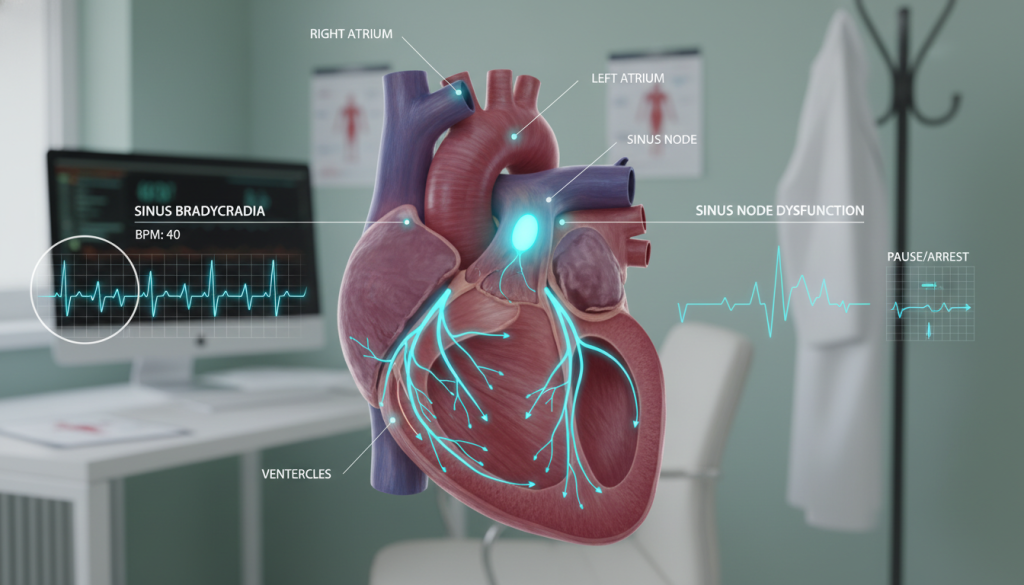
The heart has a special group of cells called the sinus node to keep the beat steady. Sinus node dysfunction happens when these cells don’t send out the right signals. This makes the heart beat irregularly or too slowly.
Patients often need medical help to get their heart rhythm back. If sinus node dysfunction causes bradycardia, doctors might suggest a pacemaker. This small device helps keep the heart beating at a safe pace.
| Condition | Heart Rate Range | Common Symptoms |
|---|---|---|
| Normal Resting | 60–100 bpm | None |
| Mild Bradycardia | 50–59 bpm | Occasional fatigue |
| Severe Bradycardia | Below 50 bpm | Dizziness, fainting, shortness of breath |
Understanding these heart issues is key to managing your health. By spotting a slow heart rate, you can work with your doctor. Your heart health is our priority, and we’re here to help you make the best choices for your care.
Ventricular Tachycardia and Life-Threatening Rhythms
Ventricular tachycardia happens when the heart’s lower chambers beat too fast. This is a serious problem because the heart can’t pump enough blood. This leads to a big drop in how well the heart works.
Bradycardia is when the heart beats too slow. While both problems affect the heart’s rhythm, ventricular tachycardia is a big emergency. It can cause you to feel dizzy, faint, or even have a heart attack.
Doctors check if the heart rhythm is stable or not. If it’s stable, you might feel your heart racing or have chest pain. But if it’s unstable, you need immediate medical help to avoid serious problems.
If you have heart rhythm issues, be ready for emergencies. Knowing the signs early can help a lot. Always talk to your doctor about your risks and what to do if your heart starts racing fast.
| Condition | Primary Characteristic | Clinical Urgency |
|---|---|---|
| Ventricular Tachycardia | Rapid lower chamber rate | High – Emergency |
| Bradycardia | Slow heart rate | Variable – Monitor |
| Normal Sinus Rhythm | Steady, efficient beat | None – Baseline |
Supraventricular Tachycardia and Paroxysmal Episodes
Ever felt your heart racing without reason? You might be dealing with supraventricular tachycardia. This condition makes your heart beat fast, starting in the upper chambers. It feels like a flutter in your chest.
These episodes are called paroxysmal, meaning they come on suddenly. They can start and stop without warning. This can make you feel anxious or unsure about your health. Remember, this is different from bradycardia, which is a slow heart rate.
Working with your healthcare team is key to managing these episodes. By tracking when they happen, you help your doctor understand what’s going on. Knowing what triggers them is a big step towards better heart health.
Treatment for supraventricular tachycardia is tailored to you. Some might just need to make lifestyle changes. Others might need special medicines to keep their heart rhythm right. If you notice changes, like bradycardia or dizziness, see your doctor right away. This ensures you get the best care.
Pharmacological Interventions and Medication Management
When your heart’s electrical system falters, we turn to medicine to help. We use different drugs to keep your heart rhythm healthy. These treatments aim to stabilize your heart’s electrical activity and lower the risk of serious problems.
For those with atrial fibrillation, we often prescribe blood thinners. These drugs prevent dangerous blood clots, lowering stroke risk. We work with you to find the right dosage for your needs.
For supraventricular tachycardia, we use anti-arrhythmic drugs. These medications slow down the heart rate. Consistency is key when taking these, as steady levels are needed for them to work.
In cases of sinus node dysfunction, we use medications to manage symptoms. These drugs are part of a larger plan to keep your heart working well. We regularly check in to ensure your safety and monitor your heart’s progress.
Medication adherence is key to your success. Skipping doses or changing your schedule can harm your heart rhythm. Our team is here to support you, making sure you’re confident and informed on your treatment journey.
| Medication Type | Primary Purpose | Target Condition |
|---|---|---|
| Anti-arrhythmics | Stabilize electrical signals | Supraventricular tachycardia |
| Anticoagulants | Prevent blood clots | Atrial fibrillation |
| Rate Control Agents | Regulate heart speed | Sinus node dysfunction |
Surgical Procedures and Implantable Devices
For those with ongoing arrhythmias, we offer surgical solutions and implantable devices. These options are effective for long-term health. We are committed to guiding you through every step of this journey with clarity and care.
Catheter ablation is a key treatment for atrial fibrillation and supraventricular tachycardia. It’s a minimally invasive method. Our specialists use heat or cold to create scars in the heart. These scars stop the irregular heartbeats.
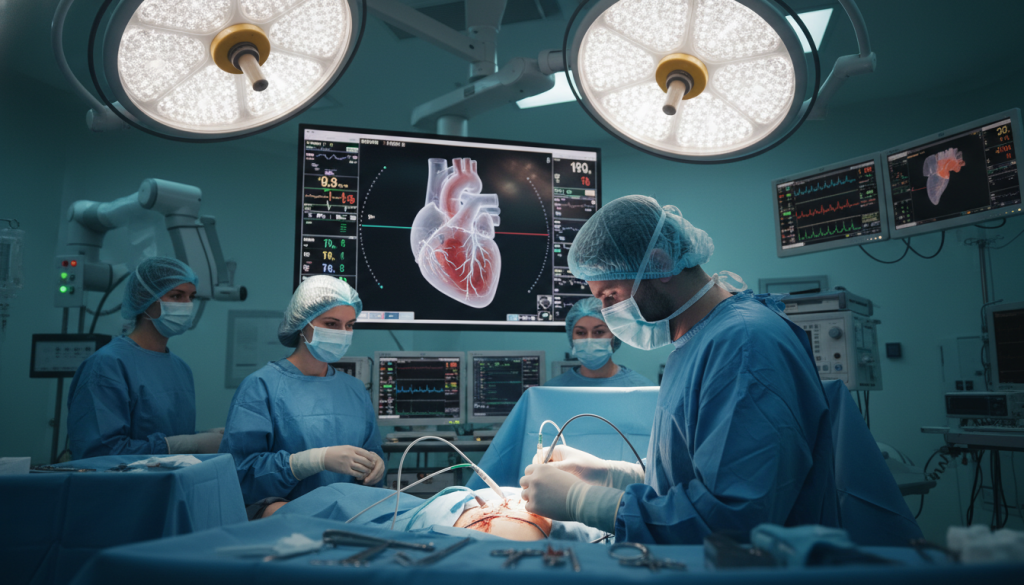
For ventricular tachycardia, we might suggest implantable devices. An ICD monitors your heart rhythm and shocks it back to normal if needed. Pacemakers help your heart beat at a steady pace when it’s too slow.
Heart surgery might seem scary, but it’s safer today. We aim to make these options clear so you’re confident in your treatment. Your safety and long-term well-being remain our highest priorities throughout the entire process.
| Procedure/Device | Primary Use | Invasiveness | Goal |
|---|---|---|---|
| Catheter Ablation | Atrial Fibrillation | Low | Eliminate abnormal signals |
| Pacemaker | Bradycardia | Moderate | Maintain steady heart rate |
| ICD | Ventricular Tachycardia | Moderate | Prevent sudden cardiac arrest |
| Maze Procedure | Complex Arrhythmias | High | Restore sinus rhythm |
Lifestyle Modifications for Heart Health
You have the power to influence your heart rhythm through simple, daily habits. While medical treatments are vital, your daily choices act as a foundation for long-term cardiovascular stability. By integrating healthy practices, you can significantly improve your overall quality of life.
Nutrition plays a critical role in maintaining a steady heartbeat. We recommend a diet rich in whole grains, lean proteins, and leafy greens to support optimal heart function. Reducing sodium intake helps manage blood pressure, which in turn lowers the strain on your heart muscle.
Regular physical activity is another cornerstone of heart health. For individuals managing conditions like ventricular tachycardia, moderate exercise can help strengthen the heart muscle over time. Always consult with your healthcare provider before starting a new fitness routine to ensure it is safe for your specific needs.
Stress management is equally important for those dealing with sinus node dysfunction. Chronic stress triggers the release of hormones that can disrupt your natural heart rhythm. Incorporating mindfulness, deep breathing exercises, or yoga into your schedule can help keep your nervous system calm and balanced.
Consistency is the key to success when making these changes. We encourage you to start with small, manageable goals. Over time, these positive habits will become a natural part of your daily routine.
| Lifestyle Change | Primary Benefit | Actionable Tip |
|---|---|---|
| Heart-Healthy Diet | Reduces inflammation | Choose fresh over processed |
| Regular Exercise | Improves circulation | Aim for 30 minutes daily |
| Stress Management | Stabilizes heart rate | Practice daily meditation |
| Quality Sleep | Supports recovery | Maintain a consistent schedule |
Taking charge of your lifestyle allows you to play an active role in your medical journey. By prioritizing these modifications, you provide your body with the best possible environment to thrive. We are here to support you as you make these meaningful improvements for your long-term health.
Conclusion
Managing your long-term wellness starts with taking care of your heart. Learning about heart rhythm disorders helps you make better choices with your doctors.
You’re not alone in your quest for better health. Our team at Acıbadem Healthcare Group is here to support you. We focus on your comfort and understanding as we guide you through treatment.
Keeping in touch with your doctors is key to managing your health. Watch your symptoms and follow your care plan. This way, you can live well even with heart rhythm disorders.
Feel free to ask our clinical staff about your heart health anytime. Getting the right information and advice is the first step to a healthier heart. We’re excited to work with you for your well-being and peace of mind.
FAQ
Q: What exactly are heart rhythm disorders?
A: Heart rhythm disorders, or cardiac arrhythmias, happen when the heart’s electrical signals go awry. This can make the heart beat too fast, too slow, or irregularly. Such irregularities can affect how well blood circulates in your body.
Q: How does the heart’s electrical system control my pulse?
A: The heart works like a complex electrical circuit. It starts with the sinus node, your heart’s natural pacemaker. This sends signals through the atria to the ventricles. At Acıbadem Healthcare Group, we tell our patients that any disruption here can lead to rhythm problems that need medical attention.
Q: What are the most common symptoms of arrhythmias that I should monitor?
A: Keep an eye out for physical signs like palpitations, dizziness, lightheadedness, chest pain, or shortness of breath. Spotting these early signs is key, as they show your heart might be struggling to keep a steady beat.
Q: What causes an irregular heartbeat to develop?
A: Several things can cause irregular heartbeats, including high blood pressure, coronary artery disease, diabetes, and thyroid imbalances. Lifestyle factors like too much stress or smoking, and genetic predispositions, can also disrupt the heart’s electrical balance.
Q: How do we diagnose specific heart rhythm disorders?
A: We use tools like the electrocardiogram (ECG) to get a clear diagnosis. For symptoms that pop up now and then, we might use Holter monitoring or event recorders. These tools track your heart’s activity over time during your daily activities.
Q: Why is atrial fibrillation a major health concern?
A: Atrial fibrillation is a serious arrhythmia where the upper heart chambers quiver instead of beating right. It’s a big deal because it lets blood pool, raising the risk of blood clots and stroke.
Q: What is sinus node dysfunction and how does it cause bradycardia?
A: Sinus node dysfunction happens when the heart’s natural pacing center doesn’t send out signals at the right rate. This usually leads to bradycardia, a slow heart rate that doesn’t give enough oxygen-rich blood. It can cause fatigue or fainting.
Q: Is ventricular tachycardia considered a medical emergency?
A: Yes, ventricular tachycardia is a big deal. It’s a fast heart rate from the lower chambers that can stop the heart from pumping enough blood. It’s life-threatening and needs immediate medical help.
Q: What are paroxysmal episodes in supraventricular tachycardia?
A: Supraventricular tachycardia often causes sudden, rapid heartbeats that start and stop without warning. We work with you to find out what triggers these episodes and help you manage them to get a steady rhythm back.
Q: What role do medications play in managing heart rhythms?
A: Medications are key in keeping the heart’s electrical activity stable. We might use anti-arrhythmic drugs to keep the rhythm normal or blood thinners to lower stroke risk in atrial fibrillation patients.
Q: When are surgical procedures or implantable devices necessary?
A: If meds aren’t enough, we might suggest procedures like catheter ablation to block bad electrical pathways. For long-term rhythm control, we also implant devices like pacemakers for slow rhythms or ICDs for dangerous tachycardias.
Q: Can I improve my heart rhythm through lifestyle modifications?
A: Definitely. Lifestyle changes are a big part of heart health. Eating right, staying active, cutting down on caffeine and alcohol, and managing stress can help a lot with medical treatments and improve your heart health.
Q: What is the commitment of Acıbadem Healthcare Group to heart patients?
A: At Acıbadem Healthcare Group, we’re all about top-notch care and support. We educate our patients so they can manage heart rhythm disorders and live a healthy, full life.