

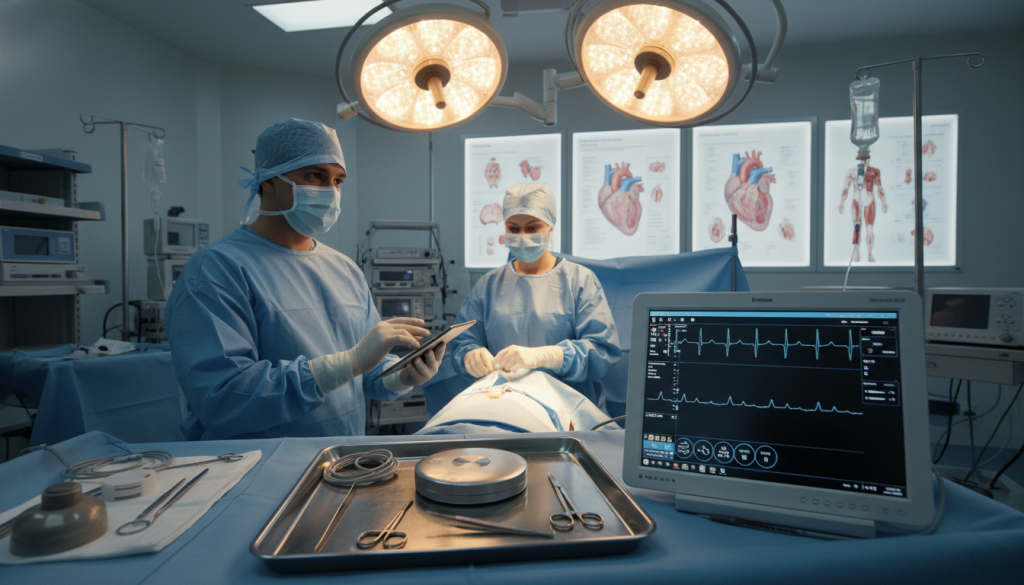
Your heart needs a special electrical system to beat right. If it doesn’t work well, your body might not get enough oxygen. This can make you feel really bad.
At Acıbadem Healthcare Group, we offer top-notch heart care. KD/ Permanent Pacemaker Procedures can change your life. They help your heart beat right and make you feel better every day. Our team is here to help you with kindness and knowledge.
Choosing to fix these heart issues is a big step towards better health. We think talking clearly and teaching patients is key to good care. Let us help you feel strong and ready to do the things you love again.
Key Takeaways
- The heart needs a steady electrical signal to pump blood well.
- Symptomatic bradycardia is when the heart beats too slow and needs help.
- Today’s heart devices help your heart beat right and make you feel better.
- We focus on making you comfortable and improving your heart health.
- We’re here to make sure you know what’s happening and feel in control.
Understanding the Role of Cardiac Rhythm Management
Your heart has a complex electrical system that controls its beats. This system makes sure the heart’s upper and lower chambers work together. This teamwork is key to pumping blood well throughout your body.
The heart’s natural pacemaker, the sinoatrial node, starts this process. It sends out electrical signals that make the heart muscle contract. These signals follow specific paths, creating the rhythmic beat you feel in your chest.
But sometimes, the heart’s electrical signals can get out of sync. If the sinoatrial node can’t keep a steady beat, your body might not get enough oxygen. This is why heart rhythm management is so important in today’s medicine.
Heart rhythm management helps fix these electrical problems. Doctors use advanced technology to keep the heart beating right. Proactive intervention is key for those with symptoms like dizziness or fainting.
The main aim of heart rhythm management is to keep you healthy for the long term. It helps prevent serious problems and lets you live an active, healthy life. Knowing how your heart works helps you make better choices for your heart health.
The Clinical Significance of KD/ Permanent Pacemaker Procedures
Understanding the need for heart rhythm management is key to feeling better. When the heart’s electrical system fails, it can cause serious symptoms. We focus on arrhythmia treatment to keep your heart beating steadily.
Many patients feel tired, dizzy, or faint without reason. These signs often mean the heart is beating too slow. Timely intervention is vital to avoid dangerous heart rate drops and protect your heart health.
KD/ Permanent Pacemaker Procedures are a key part of modern heart care. These devices keep the heart beating regularly. They help us restore your energy and improve your life quality.
We think informed patients are the best partners in their care. Below is a table showing when we might suggest device therapy for our patients.
| Clinical Indication | Primary Symptom | Treatment Goal |
|---|---|---|
| Bradycardia | Chronic Fatigue | Restore Normal Rate |
| Heart Block | Frequent Fainting | Prevent Cardiac Arrest |
| Sinus Node Dysfunction | Dizziness | Improve Blood Flow |
| Arrhythmia | Shortness of Breath | Stabilize Heart Rhythm |
Choosing the right arrhythmia treatment is more than just numbers. It’s about living without fear of sudden health issues. We aim to guide you through these procedures with clarity and confidence.
Preparing for Your Cardiac Device Implantation
Starting your journey to better heart health begins with preparation. Knowing what to expect makes you feel more confident and at ease. Before your pacemaker implantation, your team will check your heart thoroughly. This ensures the procedure fits your needs perfectly.
They will do blood tests, an electrocardiogram, and check your health status. These steps are key for your safety during cardiac device implantation. We want you to be well-informed and supported as you reach this important milestone.
Getting ready means making some changes to your daily life. Here’s a checklist to help you get ready for your surgery.
| Category | Action Required | Importance |
|---|---|---|
| Medications | Review with your doctor | Crucial for safety |
| Fasting | No food/drink after midnight | Prevents complications |
| Logistics | Arrange a ride home | Ensures peace of mind |
It’s important to share your medications with your doctor early. Some drugs, like blood thinners, might need to be changed to lower bleeding risks during your pacemaker implantation. Always listen to your doctor’s advice, not to change anything yourself.
Remember, fasting is a must to stay safe during anesthesia. Following these rules is a big part of your cardiac device implantation experience. We’re here to answer any questions, making sure you’re completely prepared for your procedure.
The Surgical Environment and Electrophysiology Procedure
We do every cardiac device implantation in a clean, special room called the electrophysiology lab. This room has top-notch imaging tech. It lets our team see your heart rhythm live. We make sure you get the best care in this special place for every electrophysiology procedure.
This procedure is like heart surgery but it’s not as big. We don’t need big cuts or general anesthesia. Instead, we use local anesthesia and sedation to keep you comfortable and pain-free.
Our team works together to keep everything clean and safe. We know heart surgery can be scary. That’s why we talk clearly and care for you gently. This electrophysiology procedure is quick. It helps you recover faster than bigger surgeries.
| Feature | Electrophysiology Lab | Traditional Operating Room |
|---|---|---|
| Incision Size | Small (Minimally Invasive) | Large (Open Surgery) |
| Anesthesia | Local with Sedation | General Anesthesia |
| Primary Focus | Electrical System Mapping | Structural Heart Repair |
| Recovery Time | Short (Same-day/Overnight) | Extended (Multiple Days) |
Choosing this method for your cardiac device implantation means you get the latest tech and care. We want you to feel supported and know what’s happening. Our goal is to give you top-notch care in a place made just for you.
Step-by-Step Breakdown of the Implantation Process
We make the pacemaker implantation process clear to you. This way, you’ll feel informed and prepared. Knowing the steps helps you feel more confident and calm during the surgery.
The first step is getting local anesthesia to keep you comfortable. Then, the surgeon makes a small cut near your collarbone. This cut is for a special pocket under the skin for your pacemaker.
Next, the surgeon puts thin wires called leads through a vein into your heart. They use imaging to make sure the leads are in the right place. This is key for the pacemaker implantation to work right.
After the leads are in place, they connect to the pulse generator. The team checks if the device talks to your heart well. When everything checks out, the surgeon closes the cut with stitches or glue. This finishes the pacemaker implantation process.
| Procedural Phase | Primary Action | Patient Experience |
|---|---|---|
| Preparation | Anesthesia administration | Numbness at the site |
| Access | Incision and pocket creation | Minimal pressure felt |
| Placement | Lead guidance to heart | Monitored by imaging |
| Finalization | Device testing and closure | Quick recovery start |
Types of Pacemaker Systems and Lead Configurations
Your heart’s electrical needs guide our choice of pacemaker system. We aim to match the device with your diagnosis for the best health outcomes.
A single-chamber pacemaker has one lead in either the right atrium or ventricle. It’s often used for issues in one chamber.
A dual-chamber pacemaker has two leads, one in each chamber. This setup helps the device mimic the heart’s natural rhythm better.
For heart failure, we might suggest a biventricular pacemaker or CRT. It uses three leads to pace both ventricles, improving blood flow.
The lead configuration depends on your heart’s anatomy and the electrical issue. We use imaging studies to find the best lead placement for maximum stability and performance.
We believe in being open with you. We want you to understand why we choose a specific system for you. Knowing these details helps you feel more involved in your care plan.
| System Type | Number of Leads | Primary Function | Best For |
|---|---|---|---|
| Single-Chamber | One | Paces one chamber | Isolated rhythm issues |
| Dual-Chamber | Two | Coordinates two chambers | Standard heart block |
| Biventricular | Three | Resynchronizes ventricles | Heart failure management |
Comparing Pacemakers and Implantable Cardioverter-Defibrillators
Many people wonder about the differences between pacemakers and implantable cardioverter-defibrillators. Both are used to manage heart rhythm, but they serve different purposes.
A pacemaker is mainly for treating bradycardia, or a slow heart rate. It sends electrical impulses to keep the heart beating at a healthy pace. This helps your body get the oxygen it needs.
An implantable cardioverter-defibrillator is for fast heart rhythms, or tachycardia. It can give a shock to fix dangerous heart rates. This is key for preventing sudden cardiac arrest.
Choosing the right device depends on your heart’s specific needs. Your doctor will look at your history to decide which one is best for you.
| Feature | Pacemaker | Implantable Cardioverter-Defibrillator |
|---|---|---|
| Primary Goal | Correct slow heart rates | Correct dangerous fast rhythms |
| Action | Pacing pulses | Pacing or high-energy shocks |
| Target Condition | Bradycardia | Ventricular Tachycardia/Fibrillation |
It’s essential for patients to understand these differences. Whether you get a pacemaker or an implantable cardioverter-defibrillator, both are big steps in cardiology. We’re here to make sure you’re confident and well-informed about your heart’s care.
Immediate Post-Operative Care and Hospital Recovery
The hours after your heart surgery are key for the device to settle right. After the surgery, our team will move you to a recovery area. Here, we watch your vital signs and the device’s function closely.
Your comfort is our main goal at this time. You might feel some soreness or tenderness near the incision. We use special pain management to help you rest and heal.
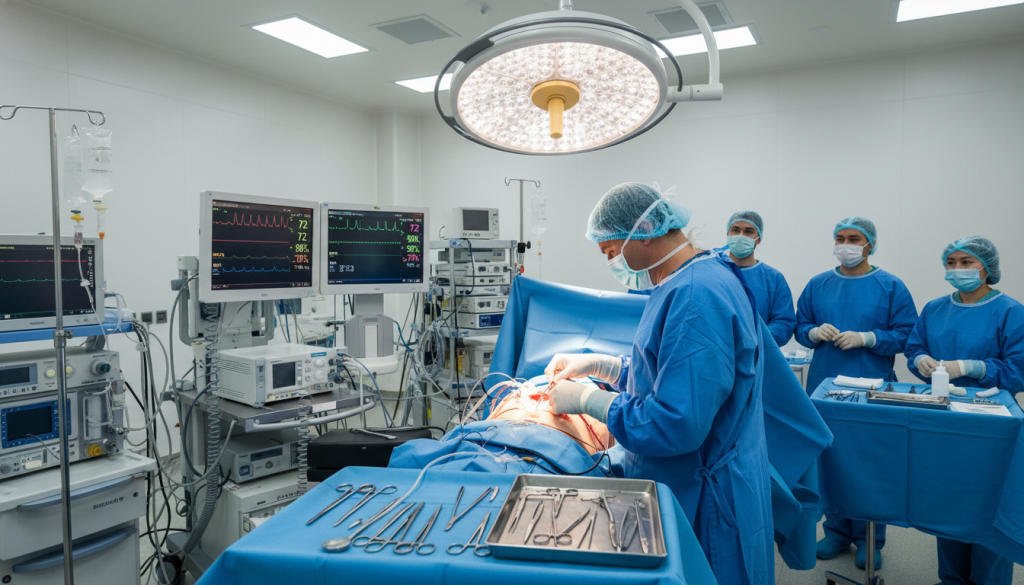
It’s important to take care of the incision to avoid infection and help it heal. We keep the area clean and covered with a sterile dressing for a couple of days. Our nurses will show you how to watch for any signs of infection as you get ready to go home.
In the first few days, you’ll need to avoid lifting heavy things or raising your arm too high on the side of the surgery. These steps help keep the device in place while the tissue heals.
We’re here to support you every step of the way during your stay. Our team will help you smoothly get back to your daily life. By following these steps, you can feel confident and reassured on your journey to better heart health.
Navigating Life with a Permanent Pacemaker
Getting used to a permanent pacemaker is a journey to better health and peace. It’s a big change, but it’s made to help your heart. You are not alone in this transition, and most people find their daily life stays the same.
Today’s pacemakers are amazing, lasting 7 to 12 years on average. They keep your heart beating right, giving you long-term peace of mind.
Staying active is key after you recover. You can walk, swim, or do light exercises. Always talk to your doctor about your fitness plans to make sure they’re right for you.
But remember, your device can be affected by electromagnetic interference (EMI). Avoid strong magnetic fields, like those from industrial equipment. But don’t worry about everyday things like phones or microwaves.
Having a pacemaker means your heart is always protected. Stay informed and keep in touch with your doctor. Your device is a silent partner, helping you live your best life.
Routine Follow-Up and Remote Monitoring
Your wellness journey doesn’t stop when you leave the hospital. We focus on consistent follow-up care to keep your device working well for years. These visits help our team check that your device settings match your heart’s needs perfectly.
Thanks to remote monitoring systems, tracking your progress has changed. Your doctor can get important device data from your home. This means you don’t have to come to the clinic for every small check-up, making things easier and less stressful for you.
These advanced systems help us catch problems early. Our proactive approach to heart care means your device works just right. We keep an eye on your data, even when you’re not in our office, to make sure you stay healthy.
At your in-person visits, we do a full check of your system. We look at the battery, lead integrity, and how well the hardware is working. These visits are also a chance for you to talk about any symptoms or questions with our dedicated medical staff.
| Monitoring Type | Primary Benefit | Frequency |
|---|---|---|
| Remote Monitoring | Continuous data tracking | Automatic/Daily |
| In-Person Visit | Physical device assessment | Every 6-12 months |
| Urgent Consultation | Immediate symptom review | As needed |
We want you to stay involved in your care plan for the best results. Working together with our team is key to your long-term heart health. We’ll make sure your device keeps supporting your active and healthy lifestyle.
Potential Complications and Risk Mitigation
We believe in being open about the risks of heart surgery. This way, you can make the best choices for your heart health. Even though heart procedures are usually safe, we’re committed to your safety. We talk openly about possible complications.
When you get a pacemaker or an implantable cardioverter-defibrillator, we follow strict protocols. This helps ensure the best results for you.
During recovery, you might worry about infection or lead displacement. Lead displacement is when the wires connecting the device to your heart move. We use expert surgical techniques to place the wires correctly.
We also have a detailed monitoring plan for every patient. If you have an implantable cardioverter-defibrillator, we check it thoroughly. We give you clear instructions on caring for your incision site to avoid problems.
We schedule follow-up visits to check your device’s stability. This way, we can fix small issues before they get bigger. Our dedicated medical team is always there to support you, whether you have a pacemaker or an implantable cardioverter-defibrillator.
Advancements in Electrophysiology and Future Outlook
We are in a new era for treating irregular heartbeats. The electrophysiology procedure has changed a lot. Now, we use methods that are less invasive and make patients more comfortable.
The rise of leadless pacing technology is very exciting. These tiny devices go right into the heart. They don’t need wires, which makes them safer and easier for patients.
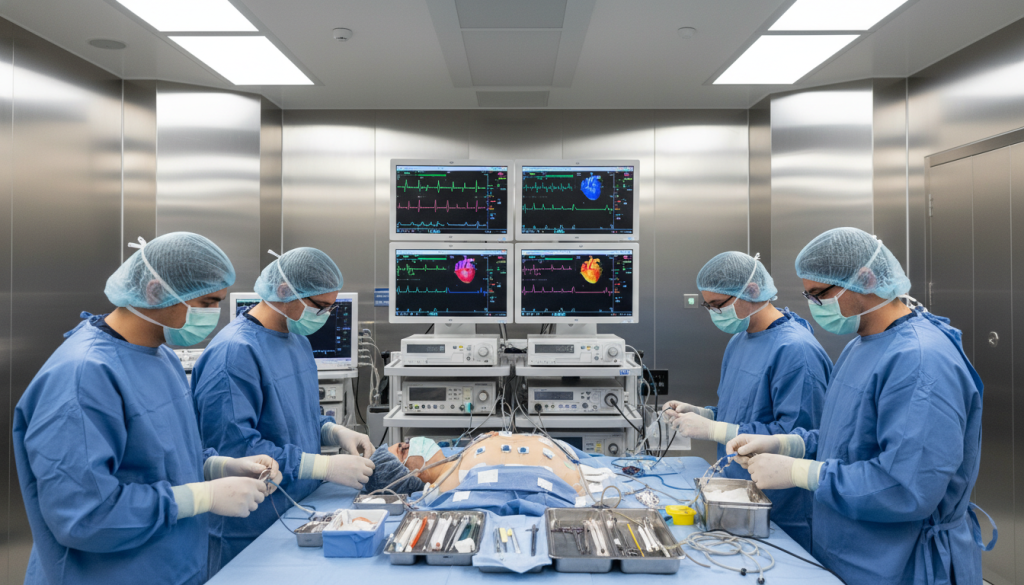
Battery life has also improved a lot. New devices last longer, which means fewer surgeries for patients. This is a big step forward in heart rhythm management.
We are always looking for the latest in medical technology. By using these new tools, we can give you better care. Our aim is to provide the best care possible, always thinking about your long-term health.
| Feature | Traditional Pacemaker | Leadless Pacemaker |
|---|---|---|
| Implantation Method | Surgical pocket | Catheter-based |
| Lead Wires | Required | None |
| Invasiveness | Moderate | Minimal |
| Recovery Time | Several weeks | Few days |
Conclusion
Managing your heart rhythm is a team effort. It’s about trust and expert advice. We’ve walked you through from diagnosis to keeping your device in check.
This path aims to improve your life quality with today’s tech and ongoing care. Our team at Acıbadem Healthcare Group is here for you. We help you live well with a pacemaker.
Your health success relies on your active role and talking openly with doctors. We’re here to help you every step of the way. Reach out with any questions about your treatment plan.
Knowing more about your heart health boosts your confidence. We’re committed to supporting your heart health at every stage of recovery and beyond.
FAQ
Q: What conditions make KD/ Permanent Pacemaker Procedures necessary?
A: At Acıbadem Healthcare Group, we suggest KD/ Permanent Pacemaker Procedures for those with symptomatic bradycardia or conduction disorders. These issues happen when the heart’s natural pacemaker fails to keep a steady beat. This can cause fatigue, dizziness, or fainting.
Our expert heart rhythm management can restore a stable heart rate. This significantly improves your quality of life.
Q: What should I expect during a pacemaker implantation?
A: The pacemaker implantation is a precise procedure done in a sterile lab. It’s a minimally invasive surgery, usually done under local anesthesia with sedation. A small incision is made near the collarbone to place the device.
The leads are carefully guided into the heart chambers for optimal pacing.
Q: How does a pacemaker differ from an implantable cardioverter-defibrillator (ICD)?
A: Pacemakers treat slow heart rhythms (bradycardia) by providing a steady pulse. On the other hand, ICDs correct fast heart rhythms (tachycardia) by delivering a shock if needed. We choose the right device for you based on your needs.
Q: How long does the battery last in modern cardiac device implantation?
A: Modern devices are very durable and last long. A pacemaker battery usually lasts 7 to 12 years. We check the battery life during your follow-up appointments to plan for a replacement before it runs out.
Q: What is remote monitoring, and how does it support my arrhythmia treatment?
A: Remote monitoring lets our team track your device’s data from home. It sends heart rhythm and device function information to us. This way, we can provide proactive care and reduce clinic visits.
Q: Are there specific risks associated with heart surgery for device placement?
A: Like any surgery, there are risks such as infection or lead displacement. But at Acıbadem Healthcare Group, we use strict sterile techniques and advanced imaging. We also provide thorough post-operative care.
Our focus on clinical excellence ensures the benefits of stabilizing your heart rhythm outweigh the risks.
Q: Can I maintain an active lifestyle after receiving a cardiac device?
A: Yes, you can. The goal of KD/ Permanent Pacemaker Procedures is to let you live without heart rhythm disorder limits. After healing, most patients can exercise, travel, and live fully. We guide you on avoiding strong electromagnetic interference for your device’s best performance.