

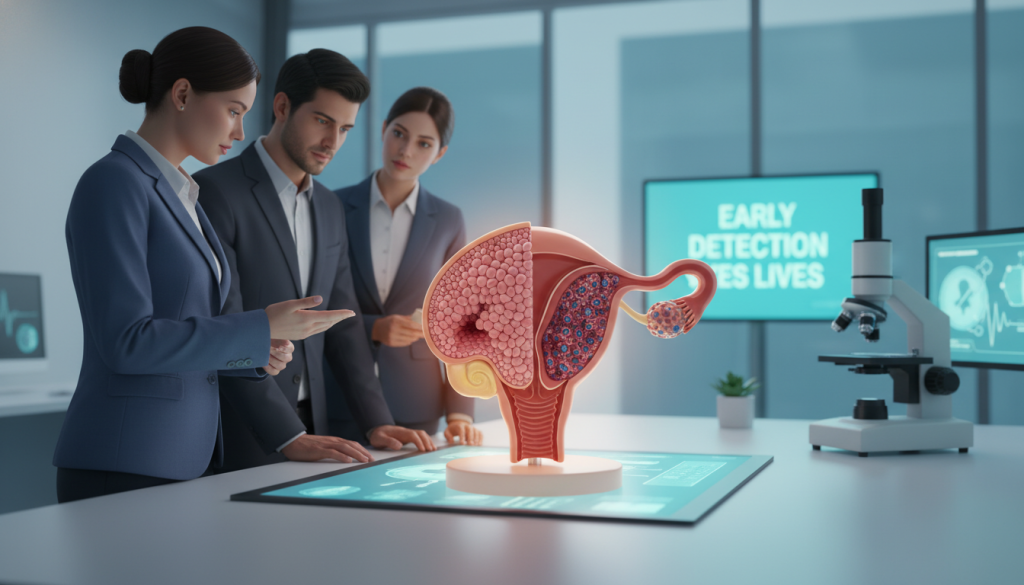
Getting a Cervical Cancer diagnosis can be scary, but you’re not alone. This disease starts when abnormal cells grow in the cervix. But, modern medicine has made big steps forward in treating and beating it.
At Acıbadem Healthcare Group, we’re here to help you. We want to give you clarity and support. Knowing about your illness helps you take charge of your health. We think informed patients make better choices for their health.
We’ll be with you every step of the way. Our team has the knowledge and care to help you through tough times. Together, we can face these challenges and work towards your health and happiness.
Key Takeaways
- Cervical Cancer starts as abnormal cell growth in the cervix.
- Early detection significantly improves the success of medical interventions.
- Modern advancements offer more effective and personalized treatment options.
- Patient education is a vital component of a successful recovery plan.
- Our clinical team provides expert support to empower your healthcare decisions.
Understanding the Biology of Cervical Cancer
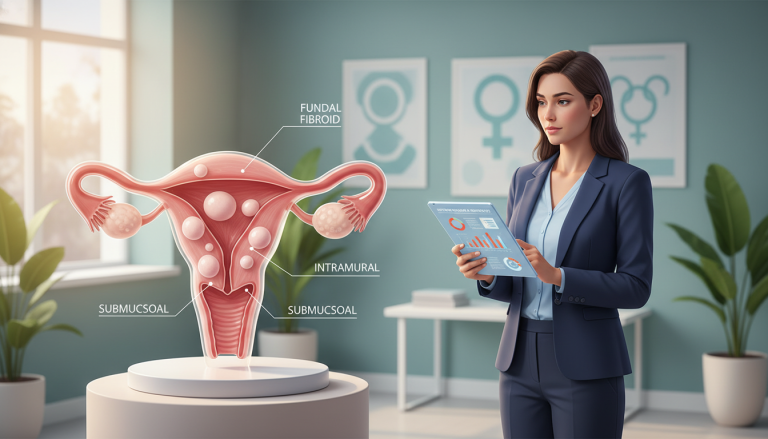
The cervix is not just a static part of the body. It’s a dynamic area with constant cell activity. It’s at the lower part of the uterus, connecting the vagina to the uterine cavity. Understanding how this area functions is key to protecting your reproductive health.
In a healthy cervix, cells grow, divide, and replace themselves in an orderly way. But sometimes, cells start growing out of control. This is when abnormal tissue can start to form.
These changes don’t happen quickly. Instead, the tissue goes through many changes that could lead to precancerous lesions. These are abnormal growths that could turn into cancer if not checked.
Knowing about these changes is why regular screenings are so important. Early detection helps catch these issues before they become serious. Being informed about your body helps you make better health choices.
The Role of Human Papillomavirus (HPV)
Many of us have heard of Human papillomavirus, but what does it really mean for our health? This virus is very common, and most people will get it at some point. Learning about it is the first step to staying safe.
The HPV spreads through skin contact. Usually, our bodies can fight it off easily. You might not even realize you got it, as it often goes away without causing harm.
But, if our bodies can’t fight it off, trouble can start. Some types of Human papillomavirus can stick around for years. These can cause small changes in the cervix cells. If not caught, these changes can lead to cancer.
Regular check-ups are key to catching HPV early. Doctors can then watch your cervix closely. This helps catch problems before they get serious.
| Infection Status | Immune Response | Clinical Outcome |
|---|---|---|
| Transient Infection | Effective clearance | No long-term damage |
| Persistent Infection | Incomplete clearance | Potential cellular changes |
| High-Risk Strain | Requires monitoring | Increased screening necessity |
Knowing about HPV helps you make smart choices for your health. Don’t see screenings as scary. See them as a way to feel secure. Being informed about Human papillomavirus helps you take charge of your health.
Risk Factors and Lifestyle Considerations
We think knowing is key to keeping your reproductive health strong. Some things we can’t control, but many things we can. By understanding these, you can take proactive steps to keep your health safe.
One big choice is whether to smoke. Studies show smoking weakens your immune system. When you smoke, harmful chemicals go through your blood and harm your cervical cells.
Keeping your immune system strong is also key. Eating right, staying active, and sleeping well help your body fight off viruses. Focus on your overall health to build a strong defense against health issues.
We see health as a team effort. Making smart choices, like quitting smoking or managing stress, helps keep your cervical tissue healthy. Your choices really do matter, and we’re here to help you make the best ones for you.
| Factor | Impact on Health | Recommended Action |
|---|---|---|
| Smoking | High risk for cell damage | Seek cessation support |
| Immune Health | Vital for viral clearance | Focus on nutrition and rest |
| Informed Choices | Empowers early detection | Schedule regular screenings |
Early Detection Through Cervical Screening
Cervical screening is key in spotting health issues early. We see these tests as a fundamental component of your health care plan. They help find changes in cells when they are easiest to treat, improving your health in the long run.
Some people worry about medical tests, but these are quick and highly effective. Regular checks help doctors keep an eye on your health. This way, any unusual findings can be dealt with early, before they become serious.
We urge you to make cervical screening a key part of your health plan. Knowing about your body helps you make smart choices for your future. Here’s a table to show how these screenings help your health journey.
| Screening Aspect | Primary Benefit | Recommended Focus |
|---|---|---|
| Cervical screening | Early detection | Preventative health |
| Routine testing | Cellular monitoring | Risk reduction |
| Follow-up care | Timely intervention | Patient safety |
Understanding the Pap Smear Procedure
Many of us know about the need for regular screenings. But, how does a Pap smear work? This test looks for changes in your cervix cells early on. This helps doctors catch problems before they get worse.
When you visit, you’ll lie on an exam table. Your healthcare provider will use a small tool to open your vaginal canal. It is completely normal to feel a bit nervous, but it’s a common part of your check-ups.
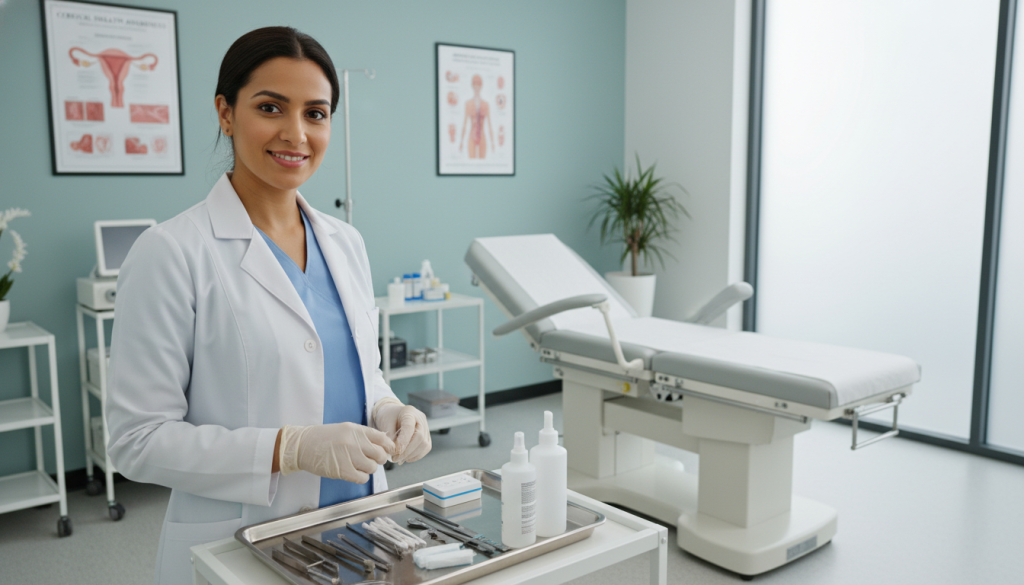
Next, the provider will take a small sample of cells from your cervix. This part of the Pap smear is quick, usually just a few seconds. You might feel a bit of pressure or discomfort, but it’s usually not too bad.
After taking the sample, it goes to a lab for analysis. The Pap smear is key for finding early signs of cervical problems. Seeing this simple, quick test as a way to take care of yourself is important.
By sticking to your screening schedule, you’re taking a big step in your health care. Remember, the Pap smear is more than a rule; it’s a highly effective way to ensure peace of mind. We’re here to help you make smart choices about your health and future.
Interpreting Cervical Dysplasia Results
We aim to make cervical dysplasia results clear and reassuring. This diagnosis shows abnormal cells on your cervix. But remember, these cells are not cancerous and need attention.
This finding is like a warning from your body. Often, your immune system can handle these changes. Yet, doctors usually suggest more tests or treatments to keep things from getting worse.
Doctors grade these changes based on how much tissue is affected. Knowing these grades helps you and your doctor plan the best care for you.
| Classification | Description | Typical Management |
|---|---|---|
| CIN 1 | Mild changes in surface cells | Routine monitoring |
| CIN 2 | Moderate abnormal growth | Observation or minor treatment |
| CIN 3 | Severe, precancerous changes | Definitive removal procedure |
Getting a cervical dysplasia report doesn’t mean you have cancer. It’s a preventative milestone for early action. By staying informed and attending your appointments, you’re doing a lot to protect your health.
Recognizing Cervical Cancer Symptoms
We believe that knowing about cervical cancer is key. Many health changes are normal, but knowing your body is important for your health.
Early cervical cancer often shows no signs. But, as it gets worse, you might notice certain cervical cancer symptoms. These need to be talked about with your doctor.
Look out for unusual vaginal bleeding. This includes bleeding between periods, after sex, or after menopause. Also, watch for watery, bloody, or smelly vaginal discharge. Pain or discomfort in your pelvis, or during sex, are other signs.
These symptoms can mean many things, not just cancer. Don’t panic if you see them. But, it’s important to see a doctor. Early checks are key to keeping you safe and calm.
| Symptom Category | Description | Recommended Action |
|---|---|---|
| Vaginal Bleeding | Bleeding after sex or between periods | Consult a gynecologist |
| Pelvic Discomfort | Persistent pain or pressure | Schedule a pelvic exam |
| Vaginal Discharge | Unusual, watery, or foul-smelling | Seek medical assessment |
We urge you to listen to your body and get help if you notice changes. Taking action now can help protect your health from cervical cancer.
Diagnostic Procedures and Staging
We help you understand how we confirm your diagnosis and find out the stage of your condition. If early tests show something might be off, our team starts a detailed check. This journey aims to give you absolute clarity about your health.
The first thing we do is a colposcopy. A specialist uses a special tool to look closely at the cervix. If they find anything strange, they might take a biopsy. A biopsy is when they take a small piece of tissue to check for cancer or precancer cells.
After we confirm your diagnosis, we start the staging process. Staging helps us know how big the tumor is and if it has spread. This info lets us create a treatment plan just for you.
We know this time can be tough, and we’re here to support you with compassionate care. We use the latest imaging and tests to make sure we make the best decisions for you. Here’s a table showing the main tools we use during this time.
| Procedure | Primary Purpose | Clinical Benefit |
|---|---|---|
| Colposcopy | Visual examination | Identifies abnormal tissue |
| Biopsy | Tissue sampling | Confirms cellular diagnosis |
| Imaging (MRI/CT) | Internal mapping | Determines disease extent |
| Staging | Classification | Guides treatment strategy |
Current Approaches to Cervical Cancer Treatment
Understanding the current cervical cancer treatment options is key when diagnosed. Every patient’s journey is different. We focus on a personalized care approach, combining medical knowledge with caring support.
Our teams work together to find the best cervical cancer treatment for you. This team model brings together experts from various fields. Your voice is always at the center of these discussions, ensuring your goals are respected.
Today, there are many ways to manage cervical cancer. Some treatments focus on specific areas, while others work throughout the body. We carefully choose the best option for you, balancing treatment success with your quality of life.
We want cervical cancer treatment to be clear and effective. We explain each procedure and its goals clearly. This helps reduce anxiety and gives you control. Our goal is to support you fully, making sure you’re informed and empowered to choose the best for your health.
Surgical Interventions for Cervical Malignancy
We focus on precision and patient well-being when it comes to cervical cancer treatment. Depending on the cancer’s stage and location, our teams might suggest certain procedures. These are aimed at removing diseased tissue effectively and protecting your health.
Some common surgeries include conization, which removes a cone-shaped piece of tissue, or a hysterectomy, which removes the uterus. Each surgery is done with utmost care to avoid harming nearby areas. We use advanced techniques to ensure the best outcomes for our patients.
Knowing what to expect during recovery is key. After surgery, we offer full support to help you heal. We want you to feel informed and empowered throughout your treatment. Your comfort and recovery are our top priorities.
Radiation Therapy and Chemotherapy Protocols
Understanding how radiation and chemotherapy work together is key to your cervical cancer treatment journey. When surgery isn’t the first choice, or when we face cells hard to remove, these tools are vital. They are part of your care plan.
We often use a combined approach called chemoradiation. This method sends radiation to the pelvic area and gives chemotherapy drugs at the same time. Together, they make cancer cells more sensitive to radiation, making treatment more effective.
Radiation therapy damages cancer cells’ DNA with high-energy beams. This stops them from growing and dividing. Chemotherapy uses drugs that travel through your blood to kill cancer cells all over your body. This combination is a key part of modern cervical cancer treatment plans.
We design these plans to be effective while managing side effects. Our aim is to help your healing and keep your quality of life good. The table below shows the main differences and roles of these treatments.
| Treatment Type | Primary Mechanism | Delivery Method | Clinical Goal |
|---|---|---|---|
| Radiation Therapy | High-energy X-rays | External or Internal | Local tumor control |
| Chemotherapy | Systemic medication | Intravenous infusion | Targeting distant cells |
| Combined Protocol | Synergistic effect | Integrated schedule | Comprehensive cervical cancer treatment |
Targeted Therapy and Immunotherapy Advancements
We are entering a new era in fighting cancer with targeted therapy and immunotherapy. These new methods are changing how we treat cervical cancer. They focus on the disease at a molecular level, moving beyond old ways.
Targeted therapy finds specific proteins or genetic markers on cancer cells. It blocks the growth and spread of tumors, protecting healthy tissue. This precision greatly improves patient outcomes.
Immunotherapy trains the body’s immune system to fight cancer cells. It removes the “brakes” that cancer cells use to hide. This offers a vital new option for patients with few choices.
We are leading in these medical breakthroughs to give you the latest care. By adding these therapies to your cervical cancer treatment plan, we offer personalized care. We are committed to using every scientific discovery to support your health.
Cervical Cancer Prevention Strategies
Cervical cancer is mostly preventable. We’ll show you how to protect your health. By using modern screenings and making healthy lifestyle choices, you can significantly reduce your risk of getting this disease.
Empowerment through education is key to long-term health. Knowing about your body and keeping up with check-ups is important. It helps catch problems early, which is critical for good health.
Good cervical cancer prevention needs a team effort between you and your doctor. We aim to give you the knowledge and medical help you need. By focusing on prevention, you’re taking a big step toward a healthier life and feeling more secure.
The Importance of HPV Vaccination
We see the human papillomavirus vaccine as key to modern health care. It helps fight cervical cancer by protecting against high-risk virus strains. This stops the main cause of cancerous cell changes.
Taking proactive steps today can lower your risk of health problems later. The vaccine works best before you’re exposed to the virus. So, doctors recommend it for certain age groups to offer the best protection.
We urge you to talk to your doctor about this important step. Your health history is unique, and a doctor can guide you. Knowing how the HPV vaccine works helps you protect your health for years to come.
The table below shows why vaccination is important for health:
| Feature | Primary Benefit | Recommended Timing |
|---|---|---|
| Primary Prevention | Blocks high-risk HPV strains | Before sexual activity |
| Long-term Safety | Reduces precancerous lesions | Adolescence to young adulthood |
| Clinical Impact | Lowers cervical cancer rates | Discuss with your doctor |
By focusing on preventative care, we can lessen the human papillomavirus‘s impact. Being informed is the first step to a healthier tomorrow.
Living with and Beyond a Diagnosis
Life after a diagnosis is more than just medical care. It needs a holistic approach to your well-being. While treatment fights Cervical Cancer, your emotional health is key to healing.
Going from treatment to survivorship can be tough. You might feel many emotions, from relief to uncertainty. You are not alone in this journey. Building a strong support network is vital for recovery.

We care about your health beyond the hospital. We suggest using resources for mental health, nutrition, and physical rehab. Support groups or counseling offer a safe space to share and learn coping strategies.
To improve your quality of life, take proactive steps. Focus on keeping your physical and emotional balance. The table below shows key support areas for thriving during and after recovery.
| Support Category | Primary Focus | Expected Benefit |
|---|---|---|
| Mental Health | Counseling and Therapy | Improved emotional resilience |
| Physical Wellness | Nutrition and Exercise | Enhanced energy and strength |
| Community Support | Peer Support Groups | Reduced feelings of isolation |
| Clinical Follow-up | Cervical Cancer Monitoring | Long-term health security |
We’re here to support you on your journey to survivorship. By focusing on your holistic needs, you can move forward with confidence and work towards your long-term health goals.
Conclusion
Knowledge is your most valuable asset in fighting cervical cancer. You have the power to shape your long-term wellness by staying informed and proactive.
Regular screenings are the best way to protect your body. Knowing your personal risk factors helps you make healthy choices. Getting expert medical advice ensures you get the right care on time.
At Acıbadem Healthcare Group, we’re committed to top-notch care and education. Our team supports you every step of the way to better health. Contact our specialists for your next checkup or to talk about your reproductive wellbeing.
FAQ
Q: What exactly is cervical cancer and how does it begin?
A: Cervical cancer starts in the cervix, the lower part of the uterus. It happens when healthy cells change and grow too much, forming a tumor. At Acıbadem Healthcare Group, we know it’s serious but early detection and modern treatments have greatly improved survival rates.
Q: Is the Human papillomavirus (HPV) the only cause of this disease?
A: HPV is linked to most cervical cancer cases. But, other factors like smoking and a weak immune system also matter. HPV is common and most people get rid of it on their own. If it stays, it can cause problems.
Q: What is the difference between a Pap smear and regular cervical screening?
A: Cervical screening is a broad term for checking for problems. A Pap smear is a specific test where we take a few cells from the cervix. We also do an HPV test to find high-risk viruses.
Q: What should I know about cervical cancer symptoms?
A: Early cervical cancer often has no symptoms. That’s why regular check-ups are key. Later, you might see unusual bleeding, discharge, or pain. If you notice anything odd, see our team at Acıbadem Healthcare Group right away.
Q: What does a diagnosis of cervical dysplasia mean?
A: Cervical dysplasia means there are abnormal cells on the cervix. It’s not cancer but can turn into it. We might watch it closely or remove the bad tissue to stop cancer from happening.
Q: How is the HPV vaccine used in cervical cancer prevention?
A: The HPV vaccine protects against high-risk HPV strains. We recommend it for certain ages to prevent cancer before it starts. It’s a powerful tool in stopping cervical cancer.
Q: What are the primary options for cervical cancer treatment?
A: Treatment depends on the cancer stage. At Acıbadem Healthcare Group, we use surgery, radiation, and chemotherapy. We also offer new treatments like targeted therapy and immunotherapy to fight cancer more effectively.
Q: What steps are involved in the diagnostic and staging process?
A: If a Pap smear shows issues, we do a colposcopy and biopsy. These confirm the diagnosis. Then, we stage the cancer to plan the best treatment. This ensures the best outcome while considering your health and future.